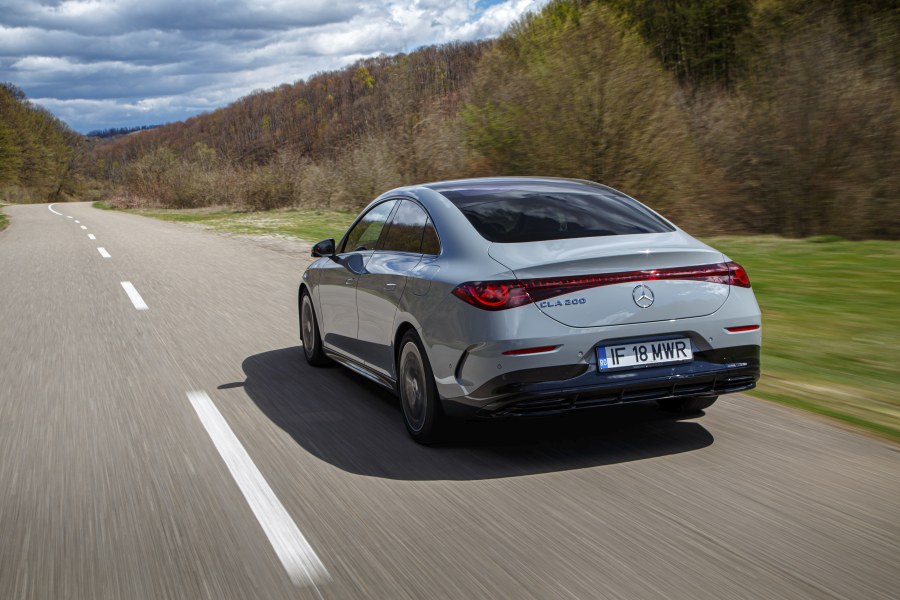
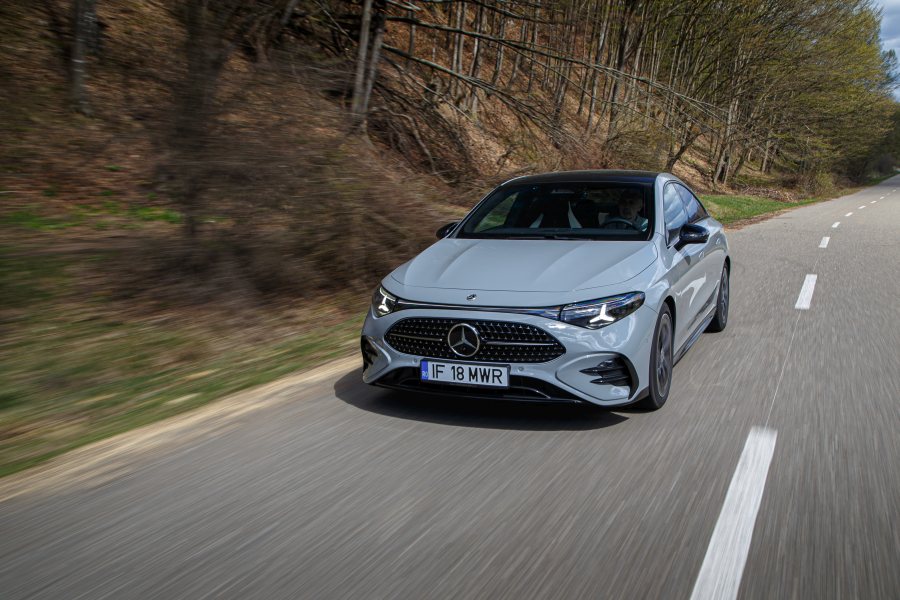
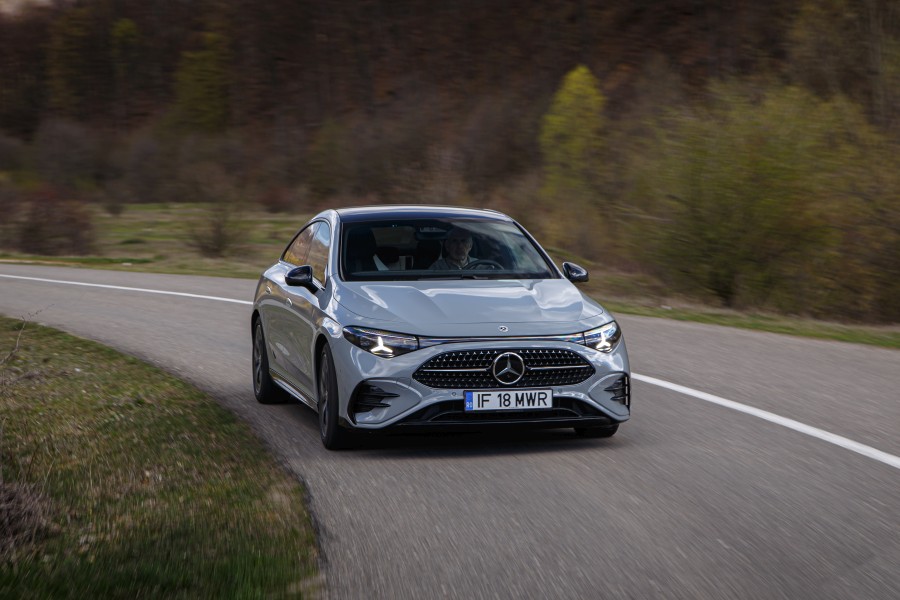
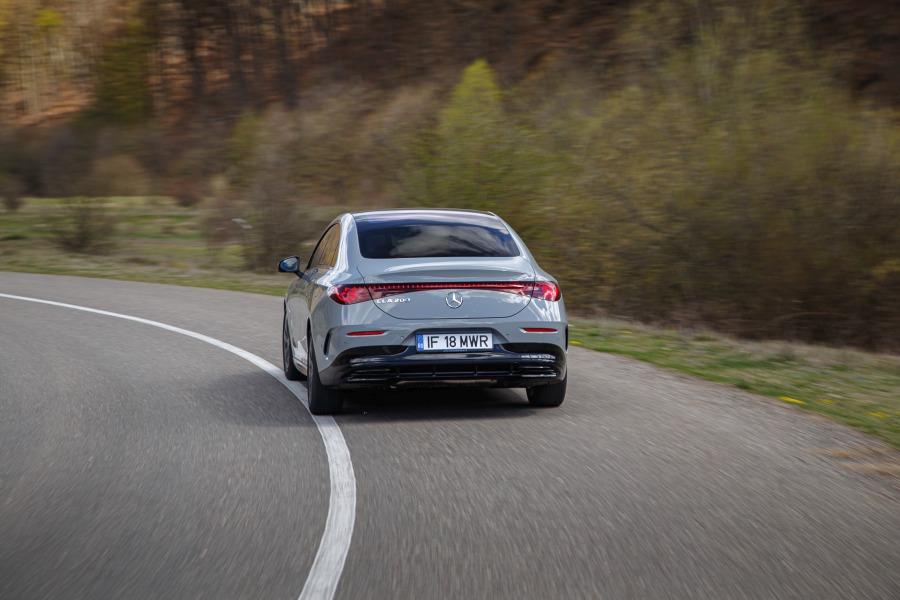
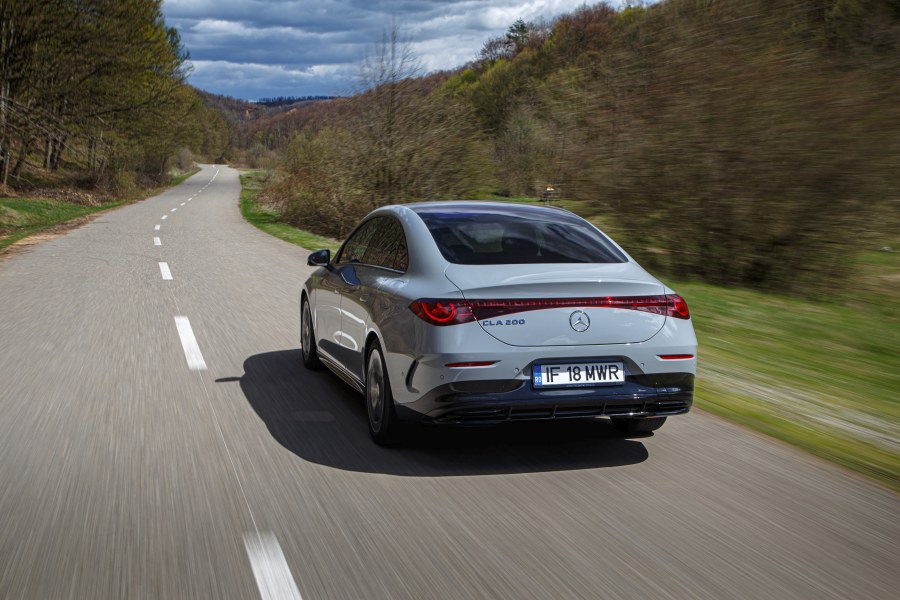
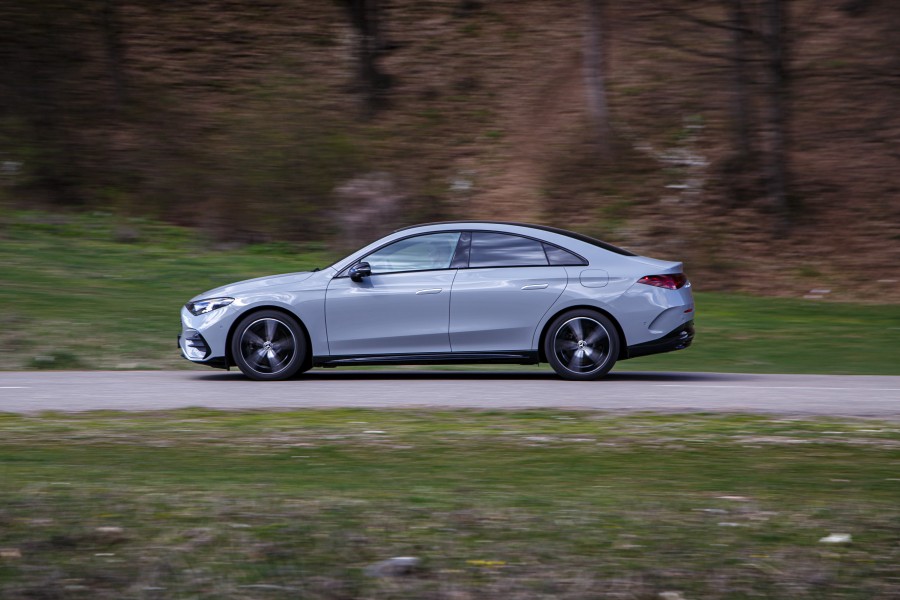
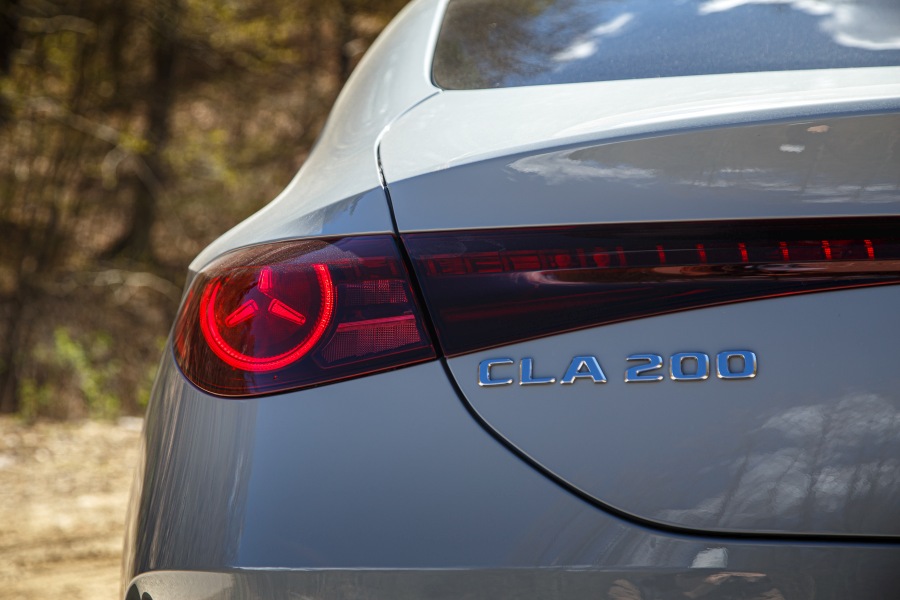
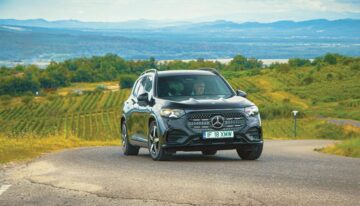
The third generation of the Mercedes CLA, built on the new MMA multi-powertrain platform, is now also available with mild-hybrid propulsion, following the electric version launched a few months ago. We tested the Mercedes CLA 200 with the new 1.5-liter engine and mild-hybrid technology.
Photo: Christian Bart
For the first time in the Mercedes lineup, models with electric and combustion propulsion share the same interior and exterior design, the same name, and the same platform—developed from the start for both types of powertrains. The difference is that electric models come with rear-wheel drive (optionally all-wheel drive), while combustion-engine models come with front-wheel drive (also optionally all-wheel drive).
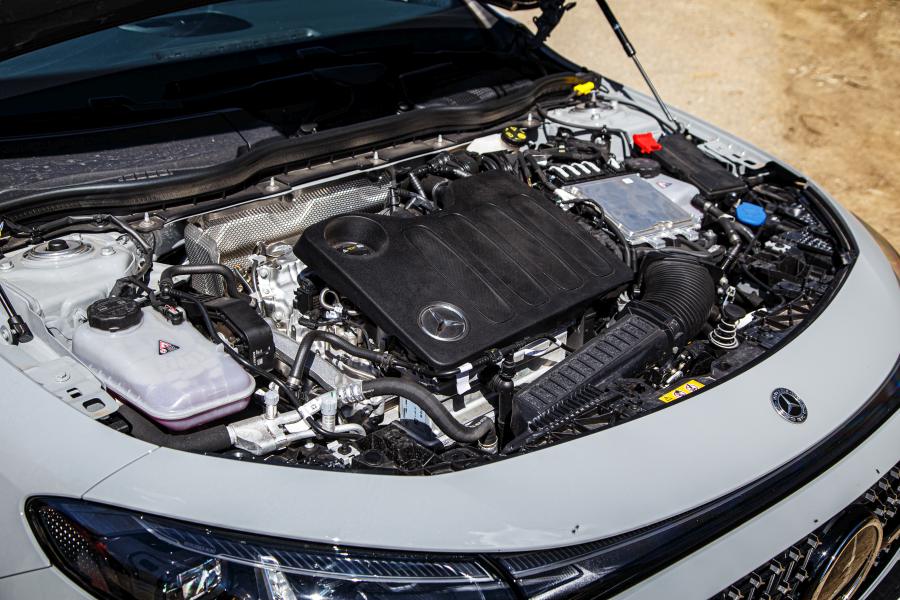
After testing the electric Mercedes CLA 250+, we have now experienced the combustion-engine version, the CLA 200. Three combustion versions are available—CLA 180, CLA 200, and CLA 220. The latter two can optionally be equipped with all-wheel drive, and all are based on the new 1.5-liter turbo engine designed by Mercedes-Benz and produced at the new Geely plant in China.
We tested the mid-range CLA 200 version, delivering 163 hp and 250 Nm, with an additional 30 hp and 200 Nm provided by the electric motor integrated into the 8-speed 8F-eDCT automatic transmission, for a combined total of 184 hp.
New Ergonomics
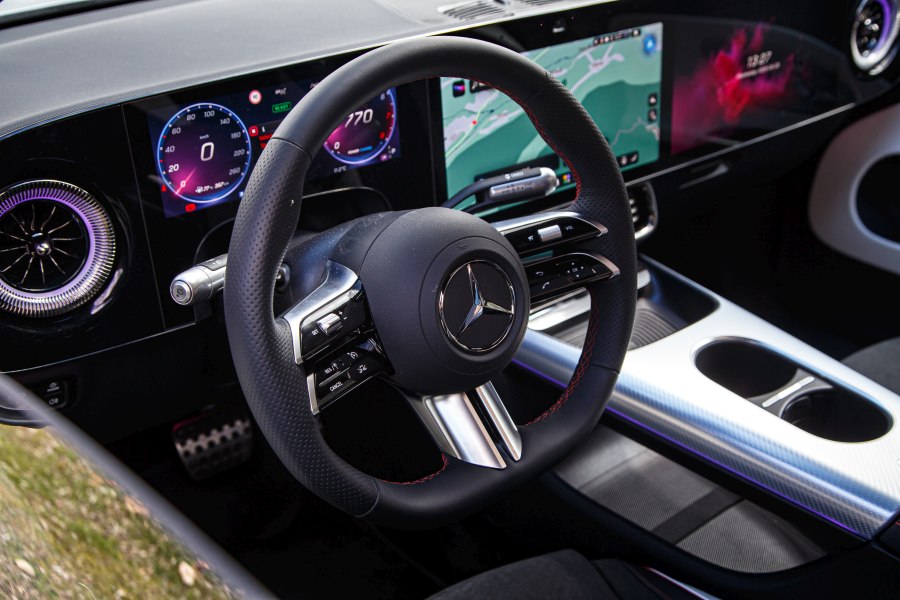
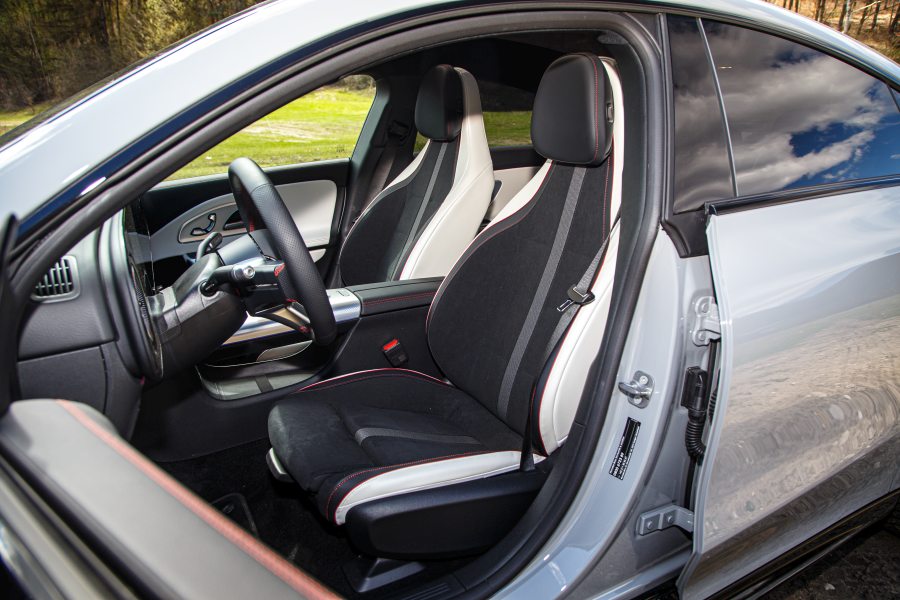
The interior ambiance is similar to that of the electric version, but there are also a few differences. We get on board and sink into the driver’s seat, positioned very low, excellently configured, with manual longitudinal adjustment of the seat base and a horizontally adjustable headrest. It is upholstered in a combination of white Artico artificial leather with black microfiber and red stitching, featuring heating and, optionally, a massage function.
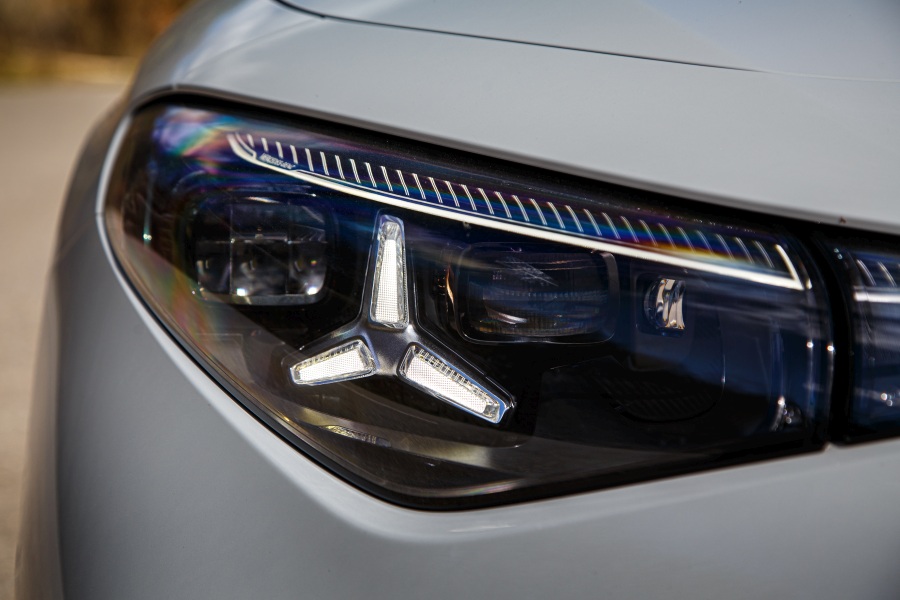
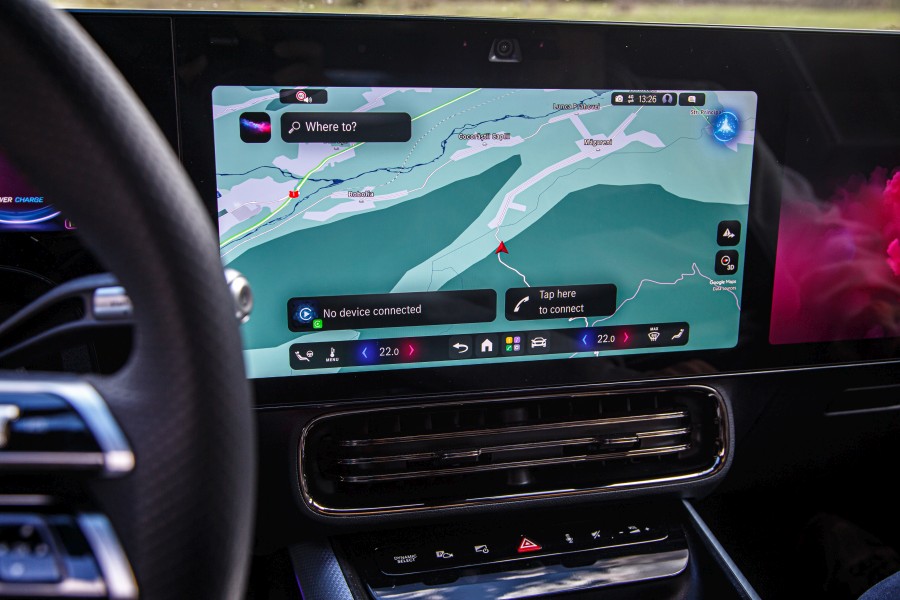
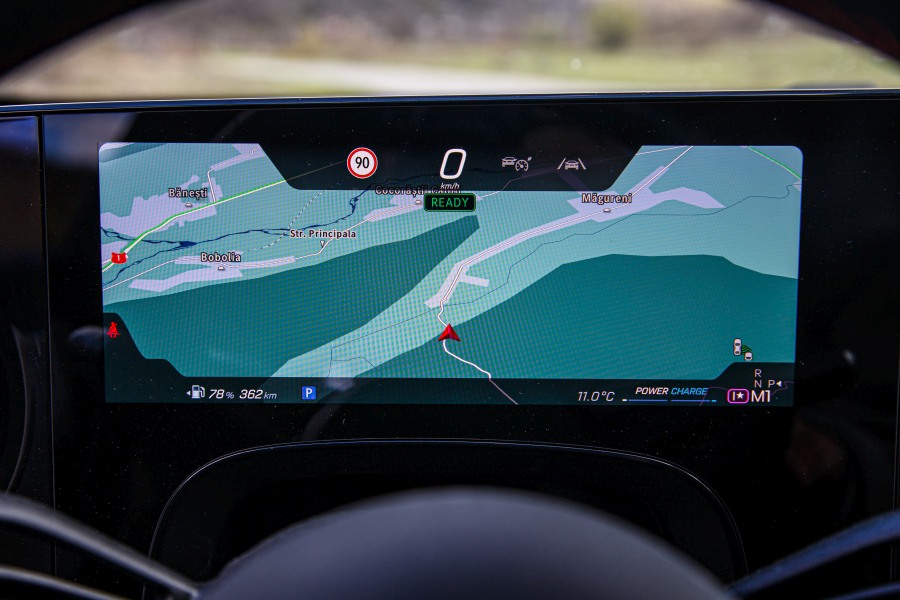
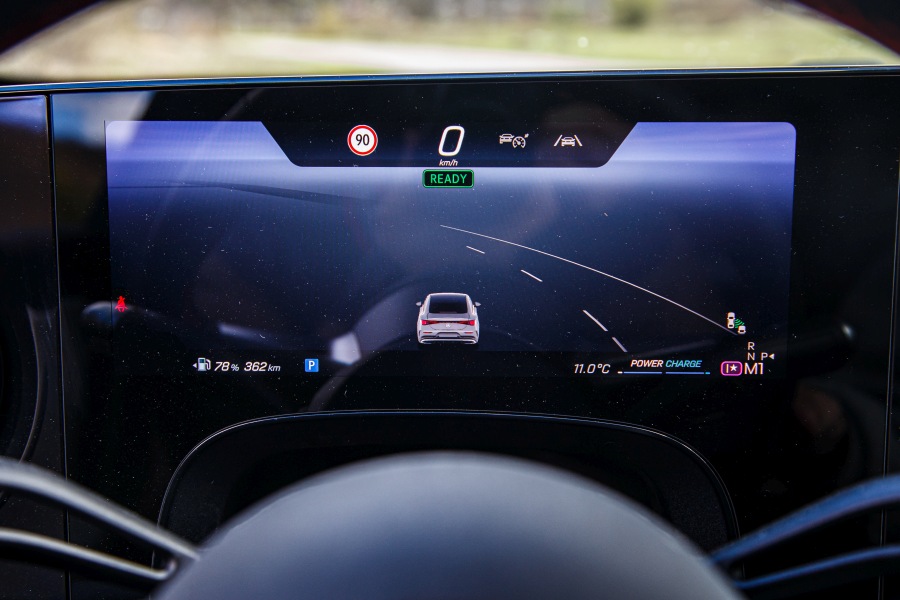
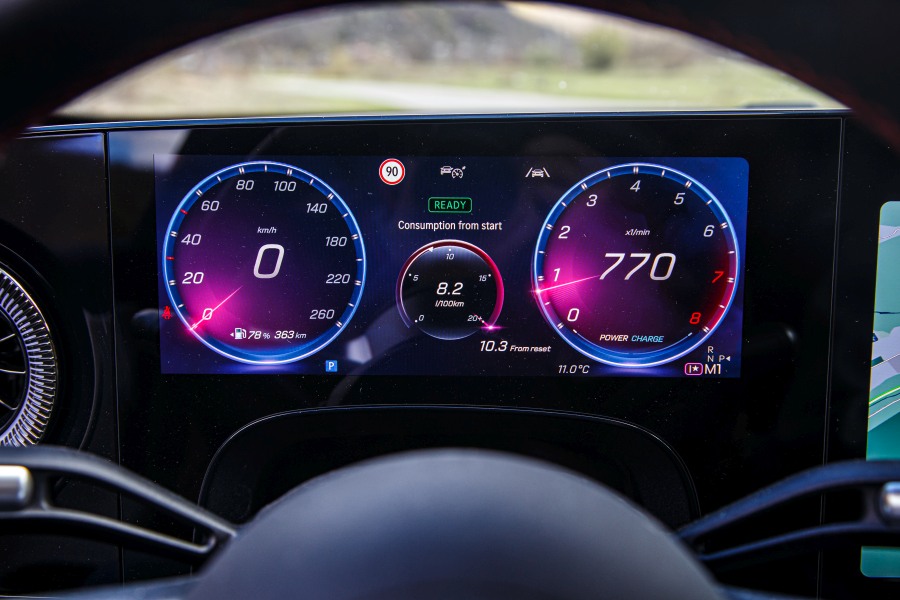
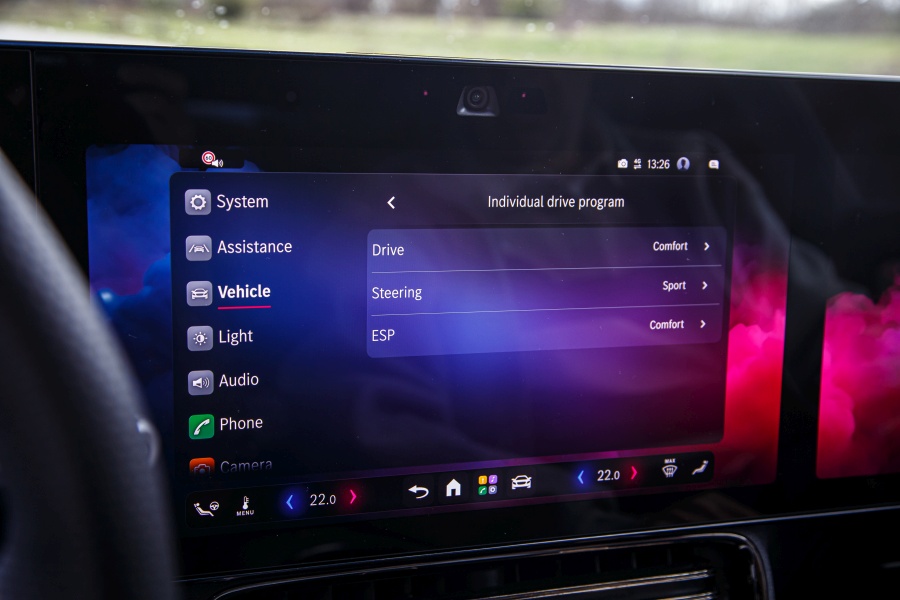
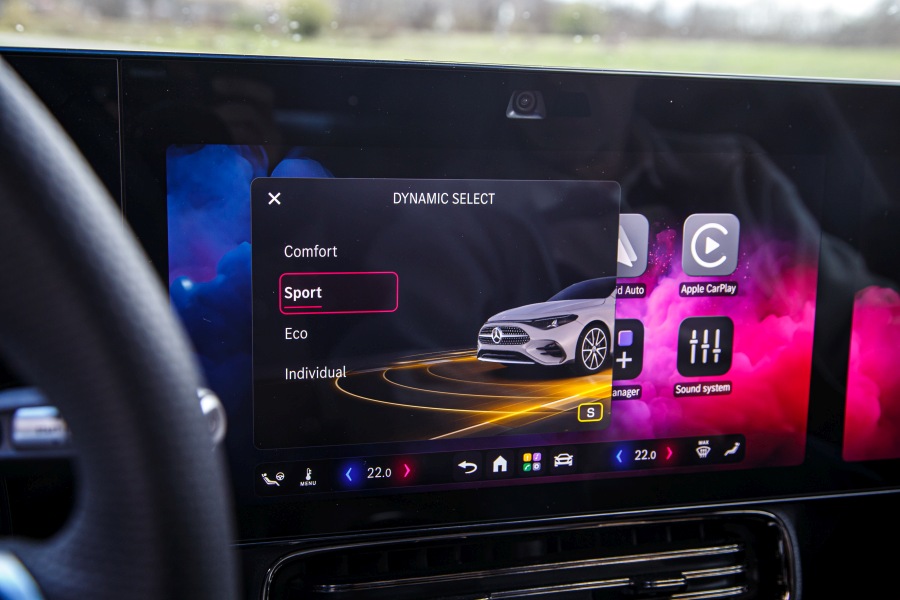
We also like the bright interior, as the panoramic glass roof—which automatically adjusts its opacity depending on sunlight—is standard, just like on the Tesla Model 3. It is included in the standard Advanced package with Digital Extras, which also brings LED High Performance headlights, Thermatic automatic climate control, and two displays: a 10.25-inch instrument cluster and a 12.3-inch multimedia screen that now runs on the new MB.OS operating system using Google services.
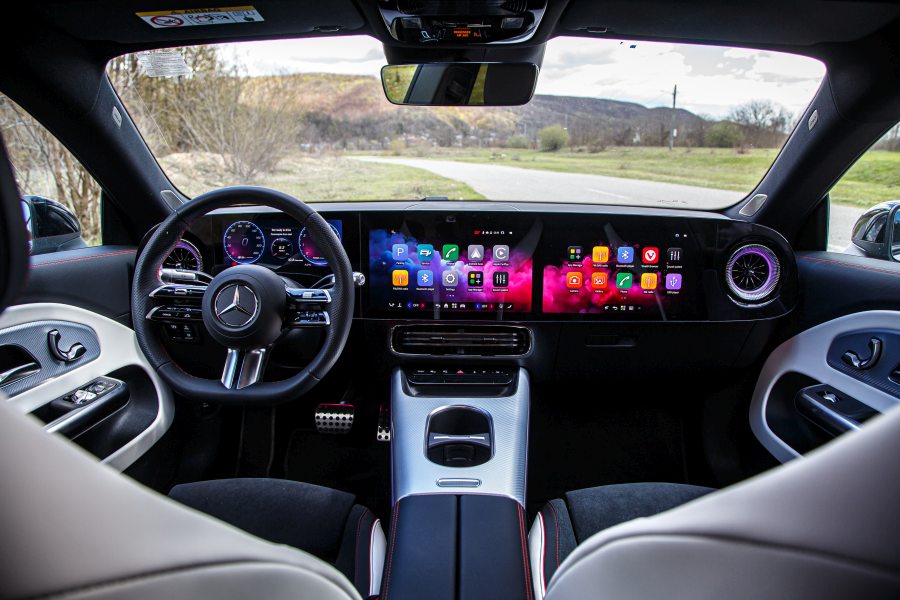
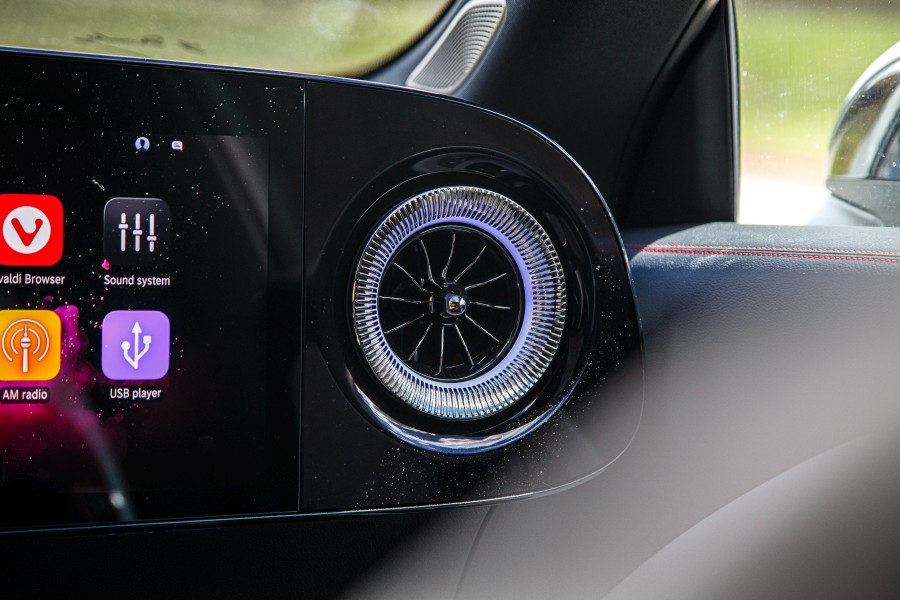
Compared to the electric version tested a few months ago, the test car also featured a 14-inch display for the front passenger. This screen is not visible to the driver and can only be used by the person in the front right seat, allowing them to watch movies, play games, or use various apps. Unfortunately, this display is only available as part of an expensive Premium package with Digital Extras, costing €4,159, which also adds Thermotronic climate control and memory seats in the front. Without this package, the passenger is left with a black plastic panel with star patterns that easily shows fingerprints.
Surprisingly, although this is a combustion engine car, there is no start button. Just like in the electric version, you press the brake, shift the steering-column gear selector into Drive, accelerate, and go. Gear changes are automatic, but manual shifting is also possible—although the very practical paddle shifters behind the steering wheel have disappeared. Mercedes has removed them, which is an uninspired decision, because now if you want to shift manually, you have to push the gear selector forward and backward, which is somewhat awkward. So it’s up-down to switch between Drive and Reverse, and forward-backward to change gears.
The steering wheel is carried over from the electric version. The two small touch surfaces on the upper spokes have been replaced by a switch on the left for adaptive cruise control and a rotary knob on the right for audio volume. There is still a touch surface on the lower right spoke, but it is not as precise as the previous generation’s mini touch controls. From here, you can change the instrument cluster graphics, but there are far fewer options than before: only a classic display, a full-screen map, or driver assistance systems showing the car and surrounding obstacles.
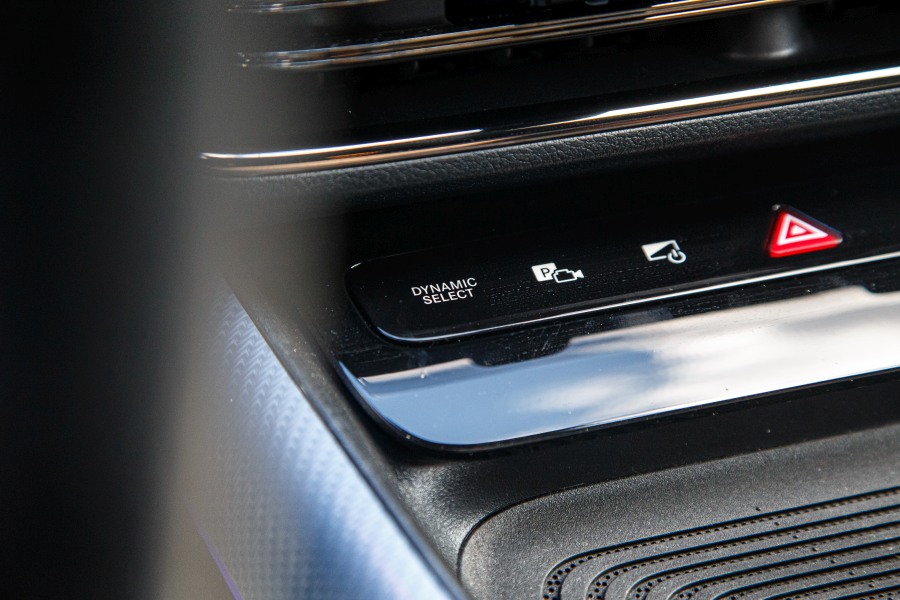
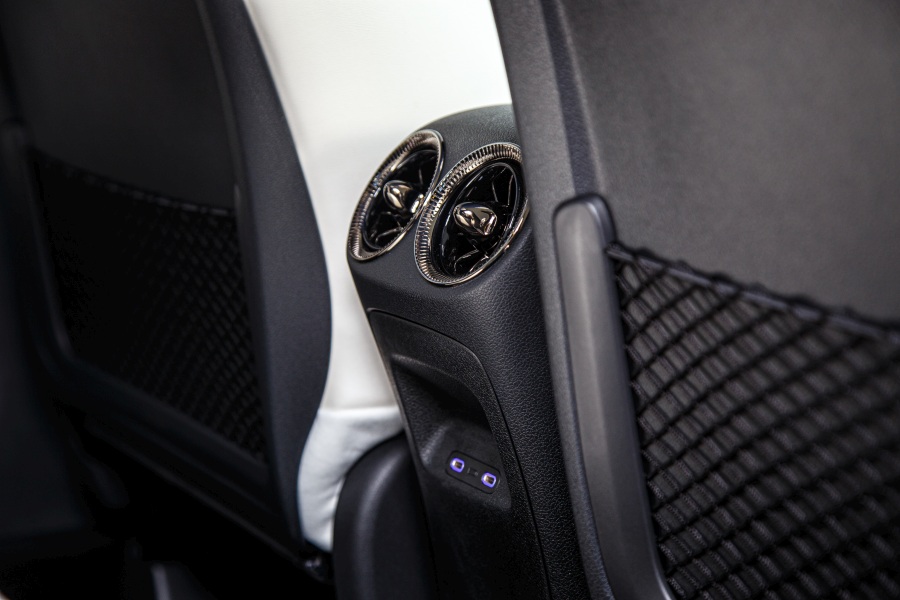
The touch bar at the base of the multimedia display is also quite far from the driver, requiring you to stretch to activate driving modes or automatic parking. Meanwhile, the passenger has an impractical “+” and “–” button for audio volume. Fortunately, there is still the rotary volume control on the steering wheel. On the plus side, there are plenty of storage spaces in the center tunnel, a well-protected wireless phone charging pad, and USB-C ports in the additional compartment beneath the central tunnel.
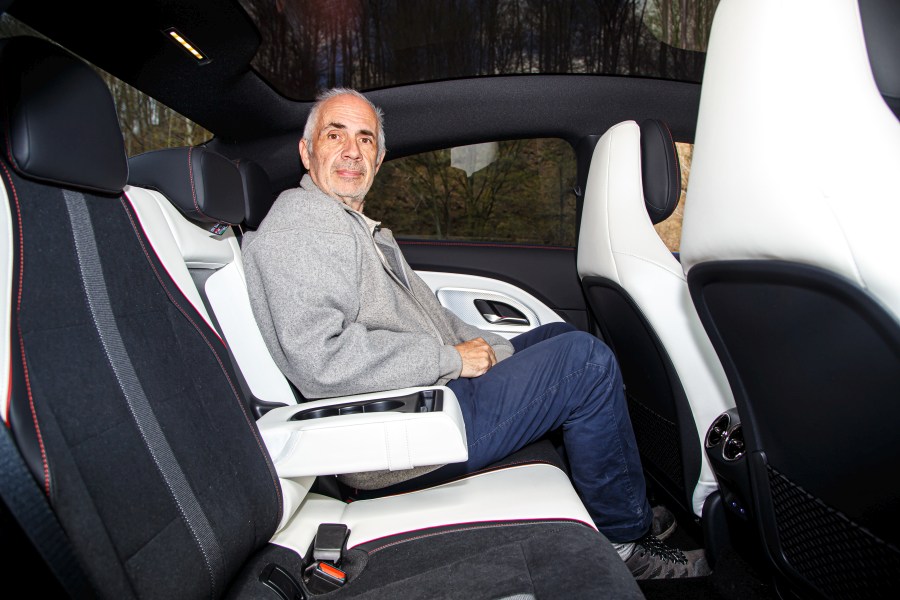
Despite the exterior length of 4,723 mm and a generous wheelbase of 2,790 mm, the interior space is not particularly impressive. There is plenty of room in the front, but in the rear, knee room is only average and headroom is limited—people taller than 1.80 meters will touch the ceiling with their heads, and the rear headrests are short. Still, the rear bench has an excellently shaped backrest and seat base, although the seat cushion is slightly too short.