Introduction – The Luxury EV Landscape Is No Longer Europe-Only
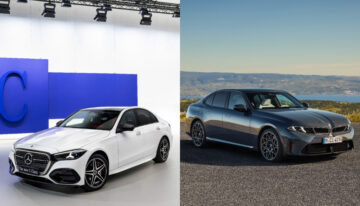
For decades, European manufacturers have defined what luxury driving means: precision engineering, refined interiors, and a strong sense of brand heritage. As the automotive industry shifts toward electrification, these same brands have carried their legacy into the electric vehicle (EV) era with premium electric sedans and SUVs designed to meet evolving expectations.
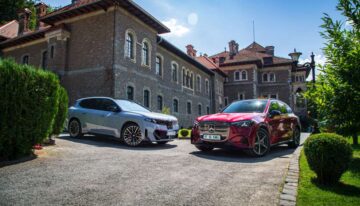
However, the luxury EV conversation is no longer limited to Europe. Global manufacturers are entering the segment with competitive technology, modern design, and alternative interpretations of what a premium electric driving experience can be. This growing diversity is reshaping how enthusiasts and buyers evaluate electric vehicles not just by badge, but by performance, usability, and innovation.
Performance and Driving Characteristics
Acceleration, Torque Delivery, and Ride Quality
One of the most immediately noticeable differences between internal combustion vehicles and EVs is torque delivery. Electric drivetrains provide instant response, creating smooth and confident acceleration from a standstill, whether in city traffic or during highway overtakes.
European luxury EVs often tune this performance to emphasize composure and refinement, with suspension setups that balance responsiveness and comfort. By contrast, newer global EV manufacturers tend to focus on consistent power delivery and everyday drivability, particularly in urban environments. The result is a driving experience that feels effortless rather than overtly aggressive, which may appeal to drivers prioritizing smoothness over sport-focused dynamics.
Ride quality also varies by philosophy. While European brands traditionally lean toward dynamic handling, many modern EVs place greater emphasis on cabin comfort, noise isolation, and stability, key factors for daily commuting.
Real-World Range and Efficiency
Range figures are frequently highlighted in EV discussions, but real-world efficiency matters more than headline numbers. Factors such as traffic conditions, driving style, climate control use, and road surfaces all influence how far an EV can realistically travel on a single charge.
European luxury EVs often optimize range through aerodynamic design and advanced energy management systems. Meanwhile, other EV manufacturers emphasize balanced efficiency, aiming for dependable range under everyday conditions rather than maximum theoretical distance. This practical approach can be especially relevant in dense urban areas where charging infrastructure and driving patterns differ from long-distance motorway travel.
Technology and Driver-Focused Features
Infotainment Systems and Digital Interfaces
The digital experience inside an EV plays a major role in how drivers interact with the vehicle. European luxury brands typically offer sophisticated infotainment systems with layered menus, extensive customization, and premium displays. These systems reward familiarity but may require a learning curve.
In contrast, some modern EVs prioritize simplicity and responsiveness, offering streamlined interfaces that reduce distraction and emphasize intuitive controls. Touchscreens, digital clusters, and voice assistance are becoming central to the EV experience, and usability increasingly outweighs sheer feature volume.
Driver Assistance and Safety Technology
Advanced driver assistance systems (ADAS) are now an expectation in the luxury segment rather than an optional extra. Features such as adaptive cruise control, lane-keeping assistance, automated parking, and collision avoidance contribute to both safety and driving comfort.
Across the EV market, manufacturers are focusing on making these systems smoother and less intrusive. Instead of replacing the driver, the goal is to support confidence behind the wheel, particularly in stop-and-go traffic and long highway journeys.
Design Philosophy – Heritage Luxury vs Modern EV Minimalism
Exterior Styling and Brand Identity
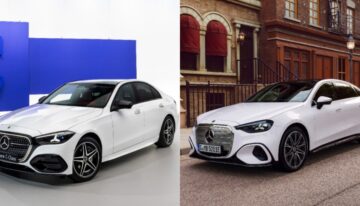
European luxury EVs often retain strong visual links to their combustion-engine predecessors, blending familiar design cues with modern electric proportions. This continuity reinforces brand identity while easing the transition for long-time enthusiasts.
By contrast, many newer EVs adopt a cleaner, more functional design language. Smooth surfaces, aerodynamic profiles, and understated detailing reflect the efficiency-driven nature of electric mobility. While less expressive at first glance, these designs prioritize practicality and energy optimization over tradition.
Interior Comfort and Cabin Experience
Inside the cabin, differences in philosophy become more pronounced. European luxury EV interiors emphasize craftsmanship, premium materials, and a sense of heritage. Leather finishes, ambient lighting, and layered textures remain key elements.
Other EV manufacturers focus on space efficiency and modern ergonomics. Flat floors, simplified dashboards, and optimized seating layouts create airy cabins that feel well-suited to daily use. Quietness, a natural advantage of electric drivetrains, enhances the sense of refinement regardless of design approach.
Cost of Ownership and Practical Value
Purchase Cost vs Long-Term Ownership
Beyond purchase price, EV buyers increasingly consider long-term ownership factors such as maintenance, servicing, and warranty coverage. Electric vehicles generally require fewer mechanical components than traditional cars, which can reduce maintenance complexity over time.
European luxury EVs often command higher initial pricing, reflecting brand positioning and material choices. Alternative EV offerings may appeal to buyers looking for premium technology and comfort without the traditional luxury price premium, highlighting a shift toward value-driven decision-making even within higher-end segments.
Accessibility Beyond the Traditional Luxury Segment
As EV technology matures, electric mobility is becoming less exclusive. Buyers who previously viewed luxury EVs as aspirational are now considering a broader range of options that meet their needs without unnecessary excess.
In markets such as Singapore, platforms like BYD by JC Singapore illustrate how modern EV lineups are being positioned for urban lifestyles, balancing efficiency, comfort, and advanced technology within compact, city-friendly formats.
Market Strategy and Global Expansion
European manufacturers continue to evolve their EV strategies, leveraging decades of engineering experience while adapting to new competitive pressures. At the same time, global EV producers are scaling rapidly, supported by integrated supply chains and high-volume manufacturing.
This competition accelerates innovation across the industry. Faster development cycles, improved battery technology, and more competitive pricing benefit consumers regardless of brand loyalty.
What This EV Competition Means for Enthusiasts and Buyers
For automotive enthusiasts, increased competition in the EV space means more choice and clearer differentiation. Instead of focusing solely on heritage or performance figures, buyers now evaluate vehicles based on usability, technology integration, and how well they fit everyday driving needs.
The question is no longer which EV is “best,” but which one aligns most closely with a driver’s lifestyle and expectations.
Conclusion – Choosing an EV in a Rapidly Evolving Market
The electric vehicle landscape is expanding beyond traditional boundaries, bringing new perspectives into the luxury segment. European manufacturers continue to set benchmarks for refinement and driving dynamics, while global EV brands challenge conventions with modern design and accessible innovation.
As the market matures, this diversity ultimately strengthens the EV ecosystem, giving drivers more freedom to choose vehicles that balance performance, comfort, technology, and practicality in ways that suit their individual priorities.