Luxury in the automotive world has long been defined by craftsmanship, refinement, and a sense of occasion behind the wheel. For decades, Mercedes-Benz has stood at the centre of that definition, shaping expectations of what a premium car should feel like. But as the industry pivots towards electrification, the question becomes less about preserving tradition and more about redefining it. In the electric era, luxury is no longer just tactile — it is digital, sustainable, and deeply personal.
A Shift from Mechanical Prestige to Digital Sophistication
Historically, luxury was expressed through engineering excellence: smooth six-cylinder engines, near-silent cabins, and meticulous interior detailing. Electric vehicles remove much of the traditional mechanical theatre, replacing it with something subtler. Without the sensory cues of combustion, brands must rethink how they deliver distinction.
Mercedes-Benz has approached this shift by leaning heavily into digital integration. Its latest electric models prioritise seamless interaction between driver and vehicle, where software plays as critical a role as hardware. The MBUX Hyperscreen, for instance, transforms the dashboard into a continuous digital surface, blending infotainment, navigation, and vehicle controls into a cohesive experience. It is less about spectacle and more about intuitive usability — a hallmark of modern luxury.
This transition reflects a broader industry trend: the car is becoming a connected device as much as a mode of transport.
Redefining Comfort in a Silent World
One of the most noticeable differences in electric vehicles is the absence of engine noise. While silence might seem like an obvious luxury, it introduces new challenges. Without mechanical sound masking external noise, attention shifts to finer details — tyre roar, wind resistance, and cabin acoustics.
Mercedes-Benz has responded by elevating comfort to new levels of precision. Advanced insulation techniques, acoustic glass, and carefully tuned suspension systems ensure that the driving experience remains composed and serene. But comfort now extends beyond physical sensation. Ambient lighting, customisable soundscapes, and climate control systems that adapt to passenger preferences all contribute to a more personalised environment.
Luxury, in this sense, becomes less about opulence and more about control — the ability to shape the experience to individual tastes.
Sustainability as a Status Symbol
In previous decades, luxury often carried an implicit contradiction: high performance paired with high consumption. The electric era challenges that dynamic. Sustainability is no longer a compromise; it is increasingly seen as a marker of forward-thinking design.
Mercedes-Benz has invested heavily in reducing the environmental impact of both its vehicles and production processes. From responsibly sourced materials to carbon-neutral manufacturing targets, the brand is positioning sustainability as an integral part of its identity rather than an add-on feature.
This shift mirrors changing consumer attitudes. For many drivers, especially younger demographics, luxury is tied not just to what a car offers, but to what it represents. Ethical production, reduced emissions, and long-term efficiency are becoming part of the value proposition.
The Rise of Personalisation
As vehicles become more software-driven, the scope for personalisation expands dramatically. Drivers can now customise everything from driving modes to interior lighting profiles, creating a vehicle that reflects their preferences in real time.
This desire for individuality extends beyond digital settings. Exterior styling, wheel designs, and subtle visual details continue to play a role in how drivers express identity through their cars. Even in an era dominated by technology, the emotional connection to a vehicle remains strong.
It is here that broader trends in vehicle personalisation intersect with everyday ownership. For drivers investing in individuality, details such as registration choices still hold cultural significance. Companies like Number1Plates.com have seen growing interest from motorists who view their vehicle as an extension of personal identity rather than a purely functional asset.
The Changing Meaning of Performance
Performance has always been central to luxury vehicles, but electrification is redefining how it is experienced. Instant torque delivery means even large saloons can accelerate with remarkable speed, removing the traditional hierarchy between engine sizes and performance levels.
However, raw acceleration is no longer the sole metric. Instead, refinement in power delivery, energy efficiency, and driving range are becoming equally important. Mercedes-Benz has focused on balancing these elements, ensuring that performance feels effortless rather than aggressive.
This approach aligns with a broader rethinking of what driving enjoyment means in an electric context. It is less about pushing limits and more about consistency, responsiveness, and confidence.
Design Without Legacy Constraints
Electric platforms offer designers greater freedom. Without the need to accommodate large engines or traditional drivetrains, proportions can be reimagined. Interiors benefit from increased space, while exteriors can adopt more aerodynamic forms.
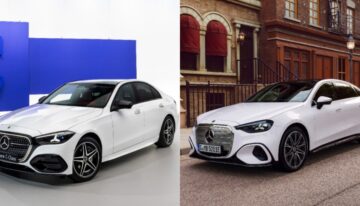
Mercedes-Benz has used this flexibility to develop a distinct visual identity for its electric range. Smooth lines, minimalistic detailing, and a focus on aerodynamic efficiency create a look that feels both futuristic and recognisably premium.
Importantly, this is not design for its own sake. Aerodynamics directly impact range, making form and function inseparable. In this context, beauty is measured not just by appearance, but by efficiency.
A New Kind of Ownership Experience
Beyond the vehicle itself, luxury is increasingly defined by the ownership experience. Digital services, over-the-air updates, and integrated ecosystems are becoming standard expectations. Cars can now evolve over time, gaining new features long after leaving the showroom.
Mercedes-Benz has embraced this model, offering subscription-based services and continuous software improvements. While this approach raises questions about long-term value, it also reflects a shift towards a more dynamic relationship between driver and vehicle.
Ownership is no longer static; it is an ongoing interaction.
Conclusion
The transition to electric vehicles is not simply a technological shift — it is a cultural one. For Mercedes-Benz, redefining luxury in this context means moving beyond traditional markers and embracing a more holistic approach. Digital sophistication, sustainability, personalisation, and refined performance are now central to the experience.
What emerges is a version of luxury that feels less tied to legacy and more aligned with contemporary expectations. It is quieter, more adaptable, and increasingly individual. Beyond the badge, it represents a broader evolution in how we define value on the road — one that extends far beyond the mechanics of the drive.