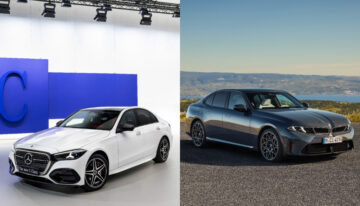
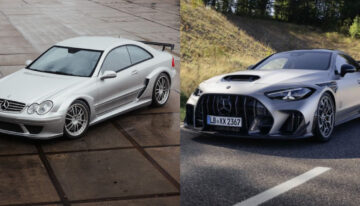
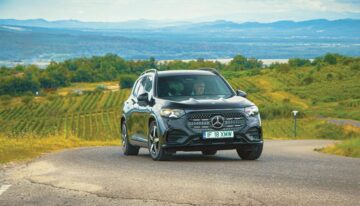
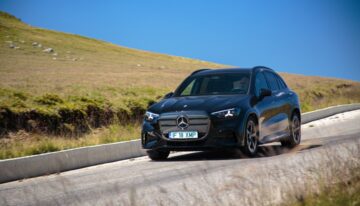
Mercedes-Benz vehicles are often associated with performance, luxury, and safety. The brand invests heavily in advanced engineering and technology designed to protect drivers and passengers on the road. Yet, no vehicle is completely immune to accidents. Like other cars, Mercedes models are vulnerable to collisions caused by human error, environmental factors, or mechanical failures.
Understanding the most common types of accidents involving Mercedes vehicles helps owners and drivers recognize risks and take preventive measures. It sheds light on how safety features can mitigate injuries and why legal and insurance considerations play an important role after a crash.
Rear-End Collisions
Rear-end collisions are among the most frequent accidents involving Mercedes vehicles. Even with features such as automatic emergency braking, distracted driving, sudden traffic stops, or slippery roads can cause a driver to hit the vehicle in front or be struck from behind.
The consequences vary, from minor bumper damage to significant whiplash injuries. Many Mercedes models are equipped with crash-absorbing structures and advanced driver-assistance systems that reduce the severity of these accidents. Still, drivers should remain alert, maintain safe following distances, and avoid distractions to minimize risk.
Intersection Accidents
Intersections remain one of the most dangerous places for any driver, including those in Mercedes vehicles. These crashes often occur due to running red lights, failing to yield, or making improper left turns. Side-impact collisions, or “T-bone” accidents, are particularly common in these scenarios and can result in serious injuries due to the force applied directly to the sides of vehicles.
Legal representation is often necessary following such incidents when fault is disputed. Whether it’s the Your Accident Attorneys law firm or another, having professional guidance ensures that drivers and passengers receive proper support in navigating insurance claims and compensation. Intersections are unpredictable, and while safety technology helps, human judgment and attentiveness remain the most critical defenses.
Multi-Vehicle Pileups
Mercedes vehicles, particularly when driven on busy highways, can be involved in multi-car accidents. These pileups typically occur during adverse weather conditions, such as fog, snow, or rain, when visibility is reduced and stopping distances increase. High-speed driving combined with sudden braking often creates a chain reaction.
The results are extensive property damage and heightened injury risks, as vehicles are struck multiple times from different directions. Mercedes’ safety features, such as lane-keeping assist and adaptive cruise control, may reduce the likelihood of involvement, but drivers must adapt speeds to conditions and remain cautious during heavy traffic or poor weather.
Parking Lot and Low-Speed Accidents
Even in environments that seem relatively safe, such as parking lots, accidents occur more frequently than many drivers realize. Mercedes vehicles, with their elegant designs and, in the case of SUVs and crossovers, larger body frames, can sometimes present unique visibility challenges in tight spaces. Blind spots, narrow lanes, and the presence of pedestrians all increase the likelihood of minor collisions. Backing out of parking spaces without a clear line of sight is one of the most common scenarios that leads to fender benders or door scrapes.
The nature of parking lot accidents often makes them deceptive. While they typically occur at low speeds, the consequences can be surprisingly costly. Mercedes vehicles are outfitted with advanced technology, including sensors, cameras, and radar systems designed to assist with navigation and collision avoidance. These same features raise repair costs when they are damaged, as even a small dent or bumper replacement may require recalibration of sensitive equipment.
Single-Vehicle Accidents
Not all accidents involve other vehicles. Single-vehicle crashes, such as hitting guardrails, trees, or curbs, are common. These often result from speeding, fatigue, or impaired driving. In rural areas, wildlife crossing the road can lead to sudden swerves and loss of control.
Mercedes’ stability control systems, anti-lock brakes, and collision-prevention technologies can reduce the severity of such accidents, but they cannot eliminate risks entirely. Drivers should avoid fatigue, monitor speed, and adapt driving behavior to road conditions to prevent single-vehicle crashes.
Rollover Accidents
Although rollovers are less common, they can be extremely dangerous. Mercedes SUVs and crossovers, with their higher centers of gravity, are somewhat more susceptible to rollovers compared to sedans. These accidents typically occur during sharp turns at high speeds, sudden swerves, or when a vehicle collides with a curb or ditch.
Mercedes engineering, including reinforced roof structures and electronic stability control, provides protection in these scenarios, but prevention is always better than mitigation. Drivers should avoid aggressive maneuvers and ensure tires are properly maintained to reduce rollover risks.
Mercedes vehicles are renowned for safety and innovation, but they are not immune to accidents. From rear-end collisions and intersection crashes to rollovers and parking lot fender benders, the risks reflect common challenges faced by all drivers.
By staying attentive, practicing defensive driving, and leveraging the advanced safety technologies built into Mercedes models, owners can reduce their chances of being involved in these incidents. Awareness of common accident types helps prevent them and prepares drivers to respond effectively, protecting both their vehicles and their well-being.