Some roads and intersections are considered dangerous because of poor design, heavy traffic volume, limited visibility, inadequate signage, speeding patterns, and driver behavior that increases the likelihood of serious crashes. These factors often combine to create locations where accidents occur more frequently or result in severe injuries.
Most drivers can immediately think of an intersection in their city that feels stressful or unsafe. Maybe traffic backs up unexpectedly, visibility is blocked, or drivers routinely ignore signals. Over time, patterns begin to emerge showing that certain areas experience more collisions than others.
Transportation experts and safety agencies closely study these locations because understanding why accidents happen helps prevent future tragedies on dangerous roads across the country.
High Traffic Volume and Congestion
One of the main reasons roads become dangerous is simply the number of vehicles using them. Intersections that connect highways, commercial districts, or commuter routes experience constant traffic flow.
Heavy congestion increases risks because:
- Drivers make rushed decisions to beat traffic lights.
- Sudden stops lead to rear-end collisions.
- Lane changes become unpredictable.
- Pedestrians and cyclists must navigate dense traffic.
Urban growth often outpaces infrastructure improvements, leaving roads designed decades ago struggling to handle modern traffic demands.
Poor Road Design and Engineering Issues
Roadway design plays a significant role in safety. Even careful drivers can struggle when roads are poorly engineered.
Common design-related hazards include:
- Sharp curves with limited sight distance
- Confusing lane merges or sudden lane drops
- Short left-turn lanes that cause backups
- Intersections positioned on hills or blind corners
- Inadequate pedestrian crossings
Federal roadway standards aim to reduce these risks. The Manual on Uniform Traffic Control Devices (MUTCD), adopted under 23 C.F.R. § 655.603, establishes national requirements for traffic signs, signals, and pavement markings to promote consistent and safe roadway communication.
When municipalities fail to follow recognized safety standards, intersections may become significantly more dangerous.
Limited Visibility and Environmental Conditions
Visibility problems frequently contribute to collisions. Drivers rely on clear sightlines to anticipate hazards and react appropriately.
Visibility issues may result from:
- Poor lighting at night
- Obstructed views caused by buildings or vegetation
- Parked vehicles blocking intersections
- Weather conditions such as rain, fog, or glare from sunlight
Intersections without proper lighting or clear signage leave drivers with less time to react, increasing crash severity.
Speeding and Driver Behavior
Driver behavior remains one of the most influential factors in roadway safety. Roads designed for higher speeds often intersect with residential or commercial areas, creating conflict between fast-moving vehicles and vulnerable road users.
Risky behaviors include:
- Speeding through yellow or red lights
- Distracted driving
- Aggressive lane changes
- Failure to yield to pedestrians
Traffic safety regulations emphasize speed management because crash severity rises dramatically with increased velocity.
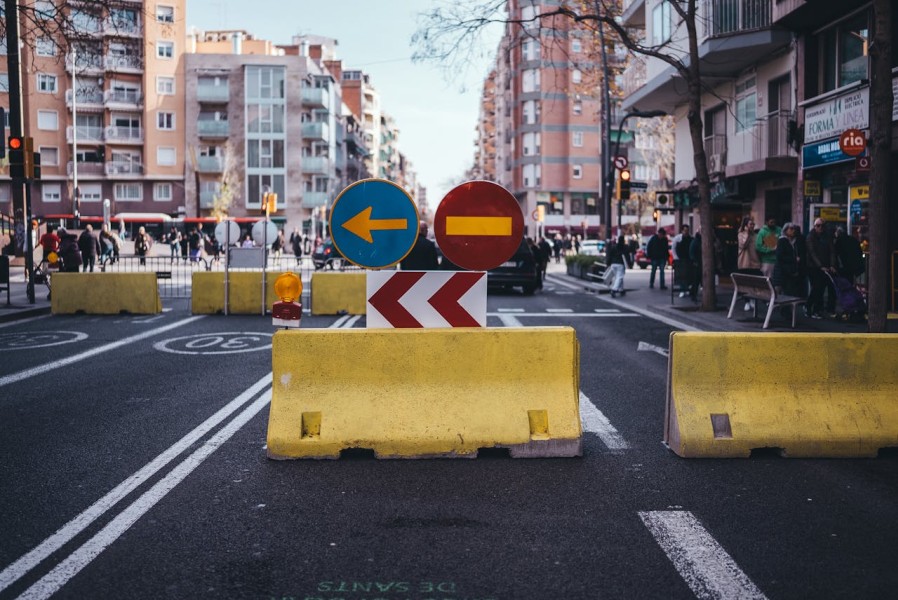
Inadequate Traffic Control Devices
Signs, signals, and markings provide critical guidance to drivers. When these devices are missing, outdated, or poorly maintained, confusion often follows.
Dangerous intersections may lack:
- Clearly visible stop signs
- Protected left-turn signals
- Crosswalk markings
- Advance warning signs for merging traffic
Inconsistent or unclear traffic control devices force drivers to make split-second decisions, increasing the chance of collisions.
Pedestrian and Cyclist Activity
Roadways designed primarily for vehicles sometimes fail to accommodate pedestrians and cyclists safely. Areas near schools, shopping centers, or public transportation hubs often see high foot traffic.
Safety risks increase when:
- Crosswalks are poorly marked.
- Pedestrian signals are too short.
- Bike lanes disappear suddenly.
- Turning vehicles conflict with crossing pedestrians.
Modern roadway planning increasingly incorporates “complete streets” concepts that balance the needs of all users rather than prioritizing vehicle speed alone.
Lack of Maintenance and Road Conditions
Road maintenance issues can also transform ordinary roads into hazardous environments.
Examples include:
- Potholes or uneven pavement
- Faded lane markings
- Malfunctioning traffic signals
- Drainage problems causing standing water
Local governments are typically responsible for maintaining safe roadway conditions. Failure to address known hazards may contribute to increased accident rates.
Key Takeaways
- Roads and intersections become dangerous due to design flaws, heavy traffic, poor visibility, and risky driver behavior.
- High congestion and confusing layouts increase the likelihood of collisions.
- Federal standards like 23 C.F.R. § 655.603 (MUTCD) regulate traffic control devices for safety consistency.
- Inadequate signage, lighting, and maintenance contribute to hazardous conditions.
- Pedestrian and cyclist activity must be considered in modern roadway design.
- Identifying and improving dangerous locations helps prevent future accidents and saves lives.