Multi-vehicle car accidents in Minnesota usually happen because of poor weather, distracted driving, speeding, chain-reaction crashes, and reduced visibility on busy highways. These accidents can involve several vehicles at once and often lead to severe injuries, major property damage, and complicated insurance claims.
Minnesota drivers regularly face difficult road conditions, especially during winter months when snow, ice, and freezing temperatures make driving more dangerous. Busy highways such as Interstate 94 and Interstate 35 can become especially hazardous during heavy traffic or storms.
Drivers who are involved in crashes often struggle to determine fault and deal with multiple insurance companies. Many people seek legal guidance after a multi-vehicle accident because these cases are far more complicated than standard two-car collisions.
What Is a Multi-Vehicle Accident?
A multi-vehicle accident, sometimes called a pileup, occurs when three or more vehicles are involved in the same crash. These accidents are most common on highways and interstates where vehicles travel at higher speeds.
They often happen quickly and can become dangerous because
- Drivers have limited time to react.
- Visibility may be poor.
- Vehicles may continue colliding after the first impact.
Large chain reaction crashes can block several lanes and involve dozens of vehicles.
Common Causes of Multi-Vehicle Accidents in Minnesota
Snow and Ice
Minnesota winters are one of the biggest contributors to multi-vehicle crashes. Snow and black ice reduce tire traction and make stopping distances much longer.
Drivers may:
- Slide while braking
- Lose control during turns
- Crash into stopped traffic
When one vehicle loses control, nearby drivers may not have enough time to avoid additional collisions.
Distracted Driving
Distracted driving is a major cause of accidents across the country, including Minnesota.
Common distractions include:
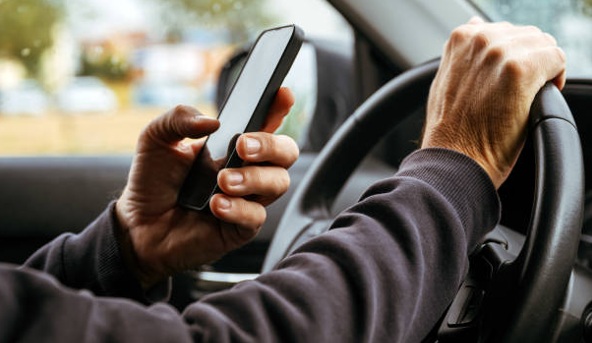
- Texting while driving
- Using GPS systems
- Eating or drinking
- Adjusting music or controls
Even a brief distraction can prevent a driver from reacting to sudden traffic slowdowns.
Speeding
Driving too fast for road conditions increases accident risks, especially during bad weather.
Speeding can lead to the following:
- Reduced reaction time
- Longer stopping distances
- More severe collisions
A single speeding vehicle may trigger a chain reaction involving multiple cars.
Tailgating
Following too closely is another common cause of pileups. Drivers who leave little space between vehicles may not stop in time if traffic suddenly slows down.
Tailgating is especially dangerous during the following:
- Snowstorms
- Heavy rain
- Foggy conditions
- Rush hour traffic
Safe following distances are critical for avoiding chain reaction crashes.
Low Visibility
Fog, snow, smoke, and heavy rain can significantly reduce visibility on Minnesota roads.
When drivers cannot clearly see:
- Brake lights
- Traffic slowdowns
- Stopped vehicles
They may accidentally crash into traffic ahead, leading to multiple impacts.
Why Multi-Vehicle Crashes Are More Complicated
Unlike standard accidents involving two drivers, multi-vehicle crashes often involve several insurance companies, conflicting statements, and shared fault claims.
Challenges may include:
- Determining who caused the first collision
- Identifying multiple negligent drivers
- Sorting out overlapping insurance claims
In many cases, more than one driver may share responsibility.
Injuries Common in Multi-Vehicle Accidents
Because several impacts may occur in a short period of time, injuries are often serious.
Common injuries include:
- Whiplash
- Head injuries
- Broken bones
- Back and spinal injuries
- Internal bleeding
Victims may also suffer emotional trauma and long recovery periods after major crashes.
How Fault Is Determined in Minnesota
Minnesota uses a comparative fault system. This means more than one party can share responsibility for an accident.
Evidence used to determine fault often includes:
- Police reports
- Traffic camera footage
- Witness statements
- Vehicle damage analysis
- Accident reconstruction reports
Insurance companies and attorneys review this evidence carefully to understand how the crash occurred.
What Drivers Should Do After a Multi-Vehicle Accident
The moments after a large accident can feel overwhelming, but taking the right steps is important.
Drivers should:
- Call emergency services immediately.
- Seek medical attention
- Document the scene with photos if safe.
- Exchange information with involved drivers
- Avoid admitting fault at the scene
Medical evaluations are especially important because some injuries may not appear immediately.
How Drivers Can Reduce the Risk
Although not every accident can be avoided, drivers can lower their chances of being involved in a multi-vehicle crash.
Helpful safety tips include:
- Slow down during bad weather
- Maintain safe following distances
- Avoid distractions
- Keep headlights on during low visibility
- Maintain tires and brakes regularly
Defensive driving is one of the best ways to stay safer on Minnesota roads.
Key Takeaways
- Multi-vehicle accidents in Minnesota are commonly caused by snow, ice, speeding, and distracted driving.
- Chain reaction crashes often happen on highways during poor weather conditions.
- Minnesota laws require drivers to operate vehicles safely based on road conditions.
- Determining fault is complicated because multiple drivers may share responsibility.
- Common injuries include whiplash, head trauma, and spinal injuries.
- Evidence such as police reports and witness statements helps determine liability.
- Safe driving habits and proper vehicle maintenance can reduce accident risks.