Designing a garage that can accommodate a car lift requires more than just measuring available space. Ceiling height directly affects how a lift operates, what types of vehicles can be raised, and whether the setup will remain practical over time. As more homeowners and enthusiasts look to maximize garage utility, understanding vertical clearance has become a key part of planning.
The challenge is that not all lifts, and not all vehicles, require the same amount of space. What works for a compact sedan may not work for an SUV, and what fits physically may not function comfortably in daily use.
Lift Type Plays a Major Role in Height Requirements
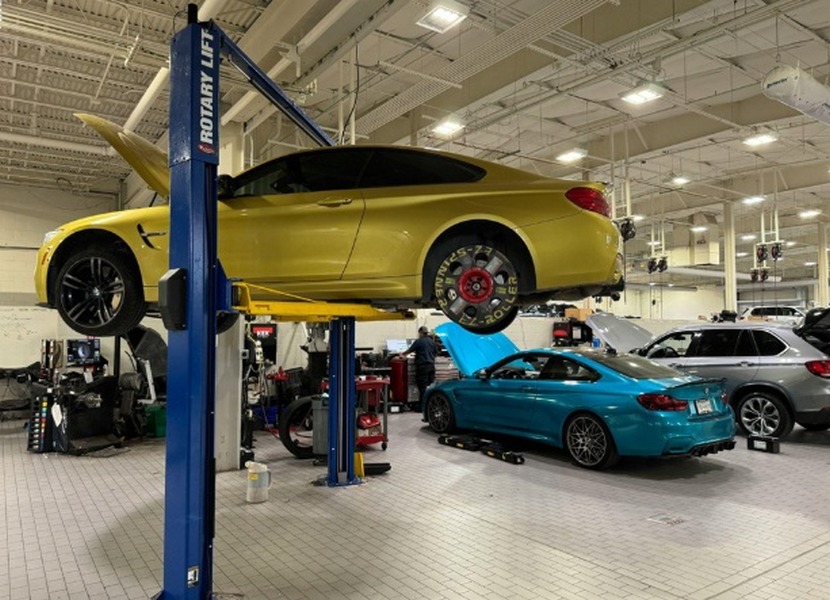
The type of lift you choose is one of the biggest factors influencing ceiling height. Two-post lifts, four-post lifts, and scissor lifts all operate differently and therefore require different vertical clearances to function properly.
In general, two-post lifts typically require around 11–12 feet of ceiling height, while four-post lifts used for storage often need closer to 12–14 feet, especially when stacking vehicles. Scissor lifts, which raise vehicles to a lower height, can work in spaces with ceilings as low as 8–10 feet, but they limit access and storage options.
Vehicle Height Changes Everything
Ceiling height requirements are not determined by the lift alone, but by the combined height of the lift and the vehicle being raised. Taller vehicles such as SUVs or trucks can significantly increase the total clearance needed.
For example, when stacking vehicles with a four-post lift, the height of both cars plus the lift platform must be considered. In many cases, this pushes total requirements beyond 12 feet and closer to 13 or 14 feet for comfortable operation. This is why planning based on your tallest vehicle is essential rather than relying on average estimates.
Clearance Buffer Is Often Overlooked
A common mistake in garage planning is ignoring the need for additional clearance beyond the calculated lift height. Even if a lift technically fits, a lack of buffer space can make it difficult or unsafe to use.
Experts recommend adding extra clearance to account for suspension movement, small variations in vehicle size, and overhead obstructions such as lighting or garage door tracks. Without this buffer, even minor miscalculations can limit how effectively the lift can be used.
Structural Design Influences Usable Height
Ceiling height is not just about measurement from floor to roof, it also depends on how the space is constructed. Elements like beams, garage door tracks, and lighting fixtures can reduce usable clearance even if the total height appears sufficient.
This is why some garage designs incorporate high-lift door tracks or side-mounted openers to free up overhead space. Small structural adjustments can make a significant difference in whether a lift can be installed and used comfortably.
Planning for Future Flexibility Matters
Many garage setups are designed around current needs, but long-term flexibility is just as important. A ceiling height that works for one type of vehicle today may not be sufficient if vehicle size changes in the future.
Planning for additional height provides more options over time, whether that means upgrading to a larger lift, accommodating different vehicles, or improving overall usability. In practice, slightly exceeding minimum requirements often leads to a much better experience.
Practical Layout Goes Beyond Vertical Space
While ceiling height is critical, it works in combination with floor space, layout, and access points. A lift that fits vertically may still be difficult to use if the surrounding area is too tight for safe movement.
This is especially important in residential garages, where space is limited and layouts must balance storage, movement, and accessibility. A well-planned layout ensures that the lift can be used efficiently without compromising safety or convenience.
Custom Garage Planning Improves Outcomes
Because of the number of variables involved, many garage owners turn to detailed planning resources before installing a lift. Guides like My Garage Supplies outline how ceiling height, lift type, and vehicle dimensions interact, helping users avoid common mistakes during setup.
Having a clear understanding of these factors allows for better decision-making, ensuring that the lift not only fits but functions effectively in everyday use.
Automotive Trends Are Driving Garage Upgrades
As vehicles become larger and more complex, and as more people invest in home garages, the demand for lifts and optimized spaces continues to grow. According to Reuters, automotive trends and rising vehicle ownership are contributing to increased investment in home garage infrastructure and maintenance solutions.
This shift reflects a broader move toward making garages more functional, turning them into spaces that support maintenance, storage, and long-term vehicle care.
Getting Ceiling Height Right From the Start
Choosing the right ceiling height is one of the most important decisions when planning a garage with a car lift. It affects not only whether the lift can be installed, but how effectively it can be used over time.
By considering lift type, vehicle size, structural design, and future needs together, garage owners can create a setup that remains practical and adaptable. In most cases, planning for slightly more height than required provides the flexibility needed to avoid limitations later on.