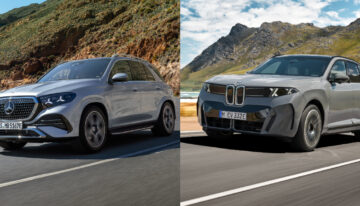
Choosing between Subaru and Mercedes vehicles often comes down to understanding what each brand offers in terms of performance, safety, technology, and overall driving experience. Subaru has earned a reputation for rugged reliability, all-wheel-drive capability, and practicality, while Mercedes-Benz is synonymous with luxury, advanced technology, and performance.
For drivers in Washington, exploring Subaru’s lineup firsthand can provide valuable insight into its features and benefits. Visiting a Subaru dealership in Washington, PA is an excellent way to compare models, test-drive vehicles, and understand what sets Subaru apart from high-end luxury brands like Mercedes. In this article, we will examine seven top features of Subaru and Mercedes vehicles to highlight their strengths and help potential buyers make an informed decision.
Standard All-Wheel Drive vs Performance Handling
One of Subaru’s hallmark features is its Symmetrical All-Wheel Drive system, which comes standard on nearly every model. This system provides exceptional traction, stability, and control in all weather conditions, making it ideal for drivers in regions with rain, snow, or uneven terrain. Subaru’s all-wheel-drive system enhances safety and confidence while driving, particularly in challenging road conditions.
Mercedes vehicles, on the other hand, often offer performance-oriented handling systems with options like 4MATIC all-wheel drive and advanced suspension technologies. While Mercedes provides a more luxurious and sporty driving experience, all-wheel drive may not be standard on all models. For drivers who prioritize consistent traction and everyday reliability, Subaru’s standard all-wheel-drive system remains a standout feature.
Safety Features and Driver Assistance
Safety is a key consideration for both brands, but Subaru is particularly recognized for its EyeSight Driver Assist Technology. EyeSight includes adaptive cruise control, lane-keeping assist, pre-collision braking, and throttle management. This technology has earned Subaru vehicles high safety ratings and makes them appealing for families and daily commuters.
Mercedes-Benz also prioritizes safety, with features such as Active Brake Assist, attention assist, blind-spot monitoring, and advanced airbags. Newer Mercedes models include semi-autonomous driving capabilities on highways, providing an added layer of luxury and convenience. While Mercedes emphasizes cutting-edge safety combined with comfort, Subaru focuses on accessible, user-friendly technologies that improve everyday safety for all drivers.
Engine Performance and Efficiency
Subaru vehicles often feature Boxer engines, which lower the vehicle’s center of gravity for improved handling. These engines offer a balance between performance and fuel efficiency, making them reliable for long-term use. Subaru models, such as the Outback and Forester, provide adequate power for daily driving and light towing needs while maintaining respectable fuel economy.
Mercedes vehicles, especially AMG models, emphasize high-performance engines with turbocharged options and V6 or V8 powertrains. These engines deliver exhilarating acceleration, dynamic handling, and premium driving excitement. While Mercedes engines are undeniably powerful, Subaru engines are engineered for reliability, efficiency, and consistent performance, making them ideal for practical, everyday driving.
Interior Comfort and Space
Mercedes vehicles are known for luxurious interiors, with high-quality materials, advanced climate control, and customizable ambient lighting. Drivers can expect premium leather seating, heated and ventilated options, and superior noise insulation. Mercedes interiors focus on providing a first-class experience for both driver and passengers, ensuring comfort on long journeys.
Subaru vehicles, though more utilitarian, are designed with comfort and practicality in mind. Spacious cabins, supportive seating, and ergonomic controls make Subaru a solid choice for families and adventure seekers. Features like multi-zone climate control, quality upholstery, and ample cargo space enhance usability while maintaining affordability. Subaru interiors prioritize functional comfort, while Mercedes interiors lean toward luxury and refinement.
Infotainment and Connectivity
Mercedes-Benz vehicles feature sophisticated infotainment systems, including the MBUX interface, high-resolution touchscreens, voice-activated commands, and augmented reality navigation. The focus is on creating a seamless and connected driving experience, with advanced multimedia and smartphone integration options.
Subaru also provides modern infotainment systems, with features such as Apple CarPlay, Android Auto, touchscreen displays, and available navigation. While not as feature-rich or cutting-edge as Mercedes, Subaru’s systems are intuitive, reliable, and user-friendly, offering convenience without the complexity of luxury interfaces. For drivers seeking technology that is easy to operate and functional for everyday use, Subaru offers practical connectivity features that enhance the driving experience.
Off-Road and Adventure Capability
Subaru vehicles are built with outdoor adventures in mind. Models like the Subaru Outback, Forester, and Crosstrek provide impressive ground clearance, all-wheel-drive capability, and rugged construction for off-road and all-weather driving. Roof rails, towing capacity, and cargo versatility make Subaru a preferred choice for active lifestyles.
Mercedes vehicles can also handle mild off-road conditions, especially SUV models like the GLE or G-Class, which are equipped with 4MATIC and optional off-road packages. However, Mercedes vehicles are primarily engineered for luxury and on-road performance rather than extensive off-road adventures. Subaru’s focus on practicality and capability makes it the more versatile choice for drivers who enjoy outdoor exploration and rugged conditions.
Resale Value and Reliability
When it comes to long-term value, Subaru vehicles consistently perform well due to their reliability, durability, and strong resale value. Subaru’s reputation for low maintenance costs and dependable performance makes it an attractive option for buyers seeking a vehicle that holds its value over time.
Mercedes vehicles, while luxurious and technologically advanced, may have higher maintenance and repair costs, particularly for older models. Resale value is influenced by the model, age, and condition, and owning a Mercedes often involves premium upkeep. Subaru’s focus on reliability and lower cost of ownership makes it a practical choice for buyers who prioritize long-term value without compromising performance or safety.
Conclusion
Comparing Subaru and Mercedes vehicles highlights the distinct strengths of each brand. Subaru excels in all-wheel-drive capability, safety, practicality, reliability, and adventure-oriented features, making it an ideal choice for drivers seeking dependable performance and everyday usability. Mercedes, on the other hand, focuses on luxury, advanced technology, performance, and refinement, appealing to those who prioritize prestige, comfort, and cutting-edge features.
While Mercedes vehicles offer a luxurious driving experience with premium features, Subaru vehicles stand out for their practicality, long-term value, and all-weather performance. Understanding the strengths of both brands allows buyers to make informed decisions based on their priorities, lifestyle, and driving needs. Whether you seek luxury or practicality, Subaru and Mercedes each offer compelling options that cater to different types of drivers.