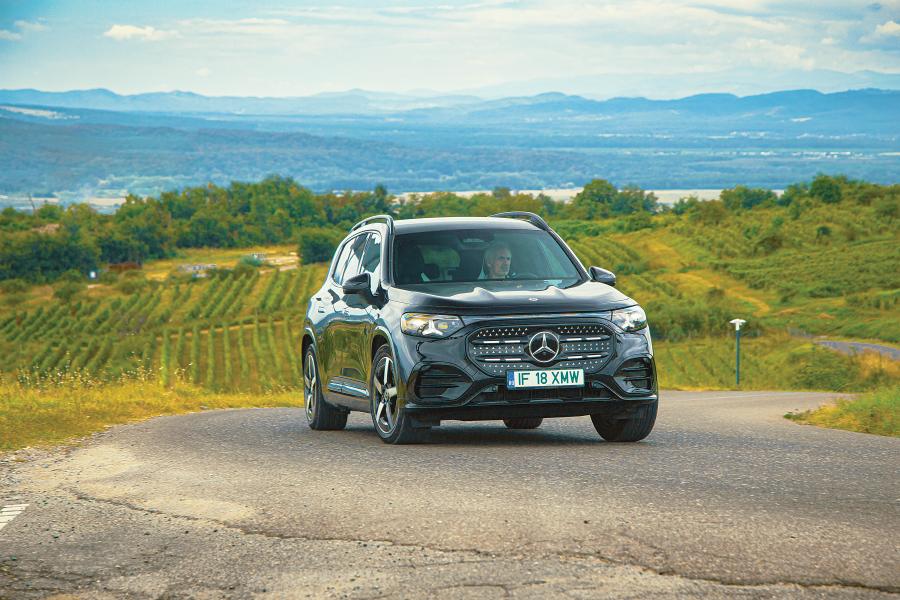
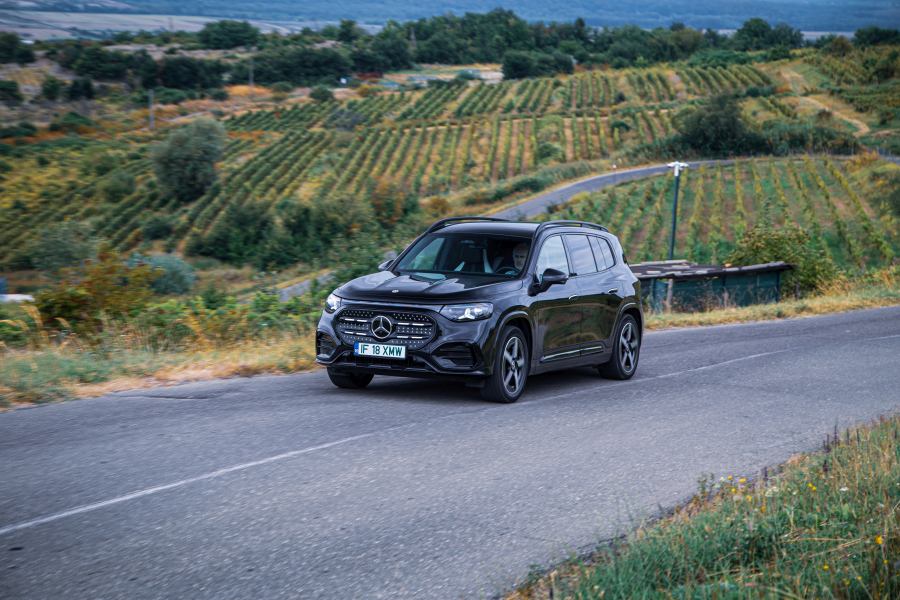
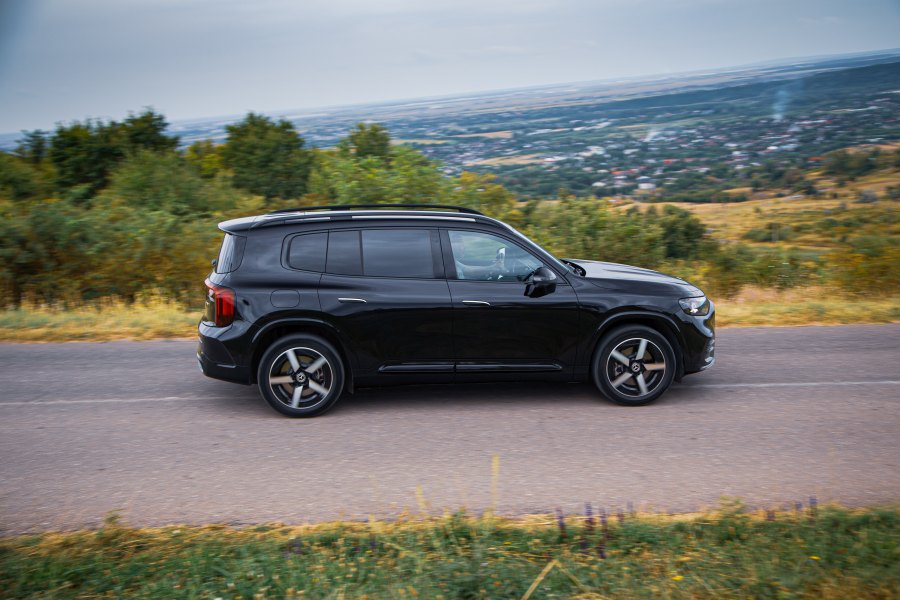
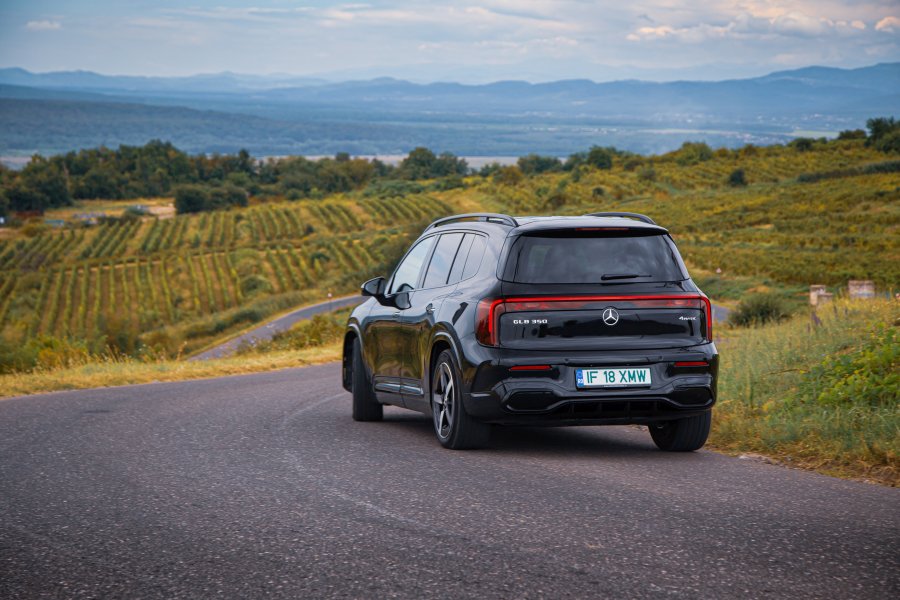
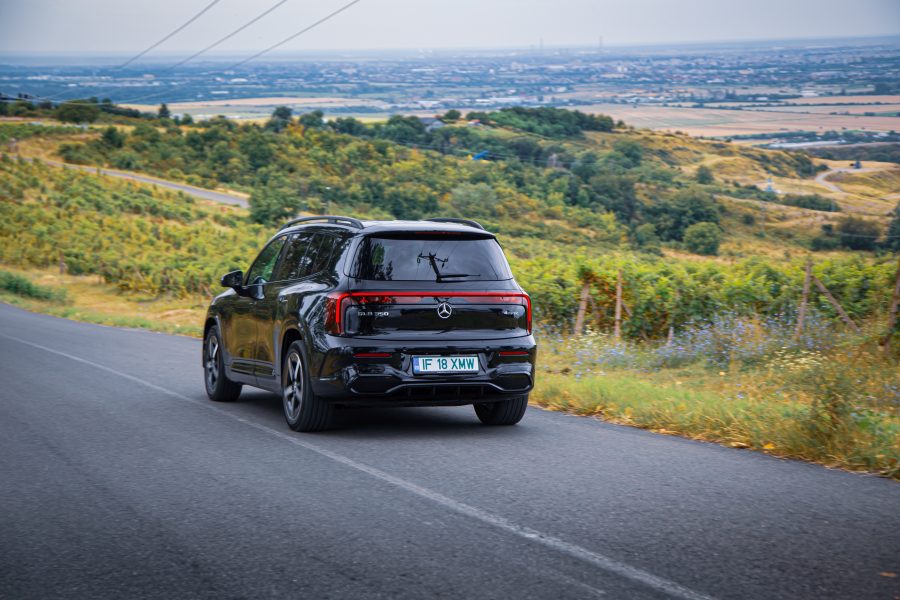
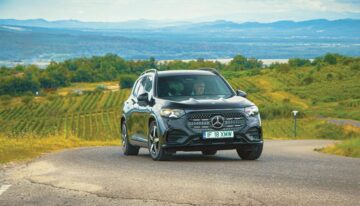
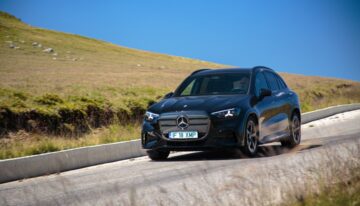
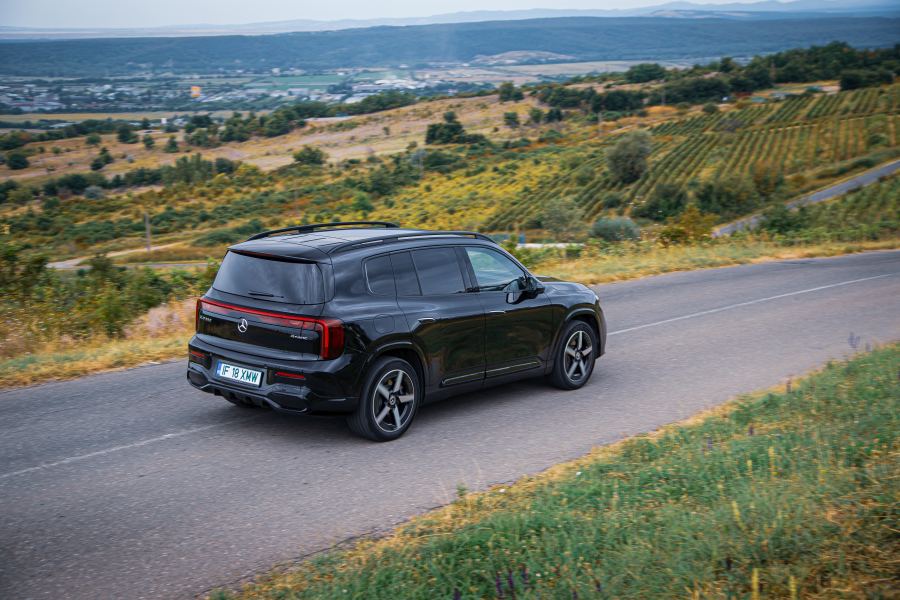
Built on the new multi-powertrain MMA platform, the Mercedes GLB is available with both electric and mild-hybrid powertrains. We tested the range-topping electric Mercedes GLB 350 4Matic with two motors, all-wheel drive and an 85 kWh net battery, which still offers the option of seven seats.
Photo: Christian Bart
In the combustion-engine era, things were clear. Mercedes’ compact range (CLA, GLA, GLB, etc.) was based on the MFA II platform with front-wheel drive and all-wheel drive derived from it, while the mid-size range (C-Class, GLC) used the MRA II platform with rear-wheel drive and all-wheel drive derived from it.
But things have become more complicated in the electric era because, on the new multi-powertrain MMA platform for the compact range, the electric CLA and GLB are rear-wheel drive, just like the mid-size C-Class EQ and GLC EQ models built on the dedicated MB.EA electric architecture. What’s more, some versions of the GLB and GLC share the same batteries and motors, but with different power outputs.
We tested the GLB 350 4Matic with two motors, 354 hp and an 85 kWh battery. With a starting price of €62,177.50, it is €6,200 cheaper than the GLC 300 4Matic with two motors, 421 hp and the same 85 kWh battery, which costs €68,306. Is it worth it? Let’s take a closer look.
Respectable range
After testing the Mercedes CLA 250+ with a single rear-mounted motor at the end of last year, we have now driven the GLB 350 4Matic, which adds a 109 hp front motor to the 272 hp rear motor. The front motor kicks in intermittently when additional traction or power is required.
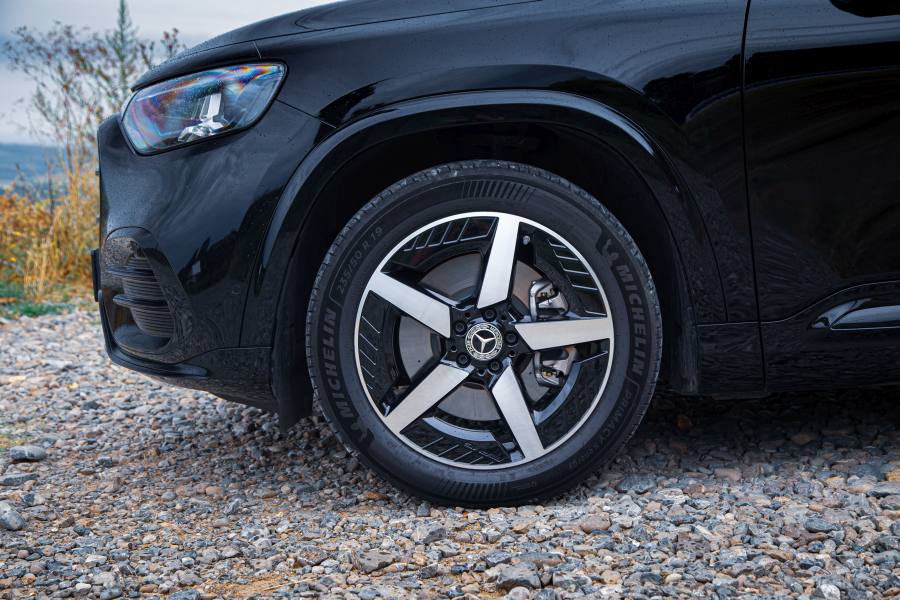
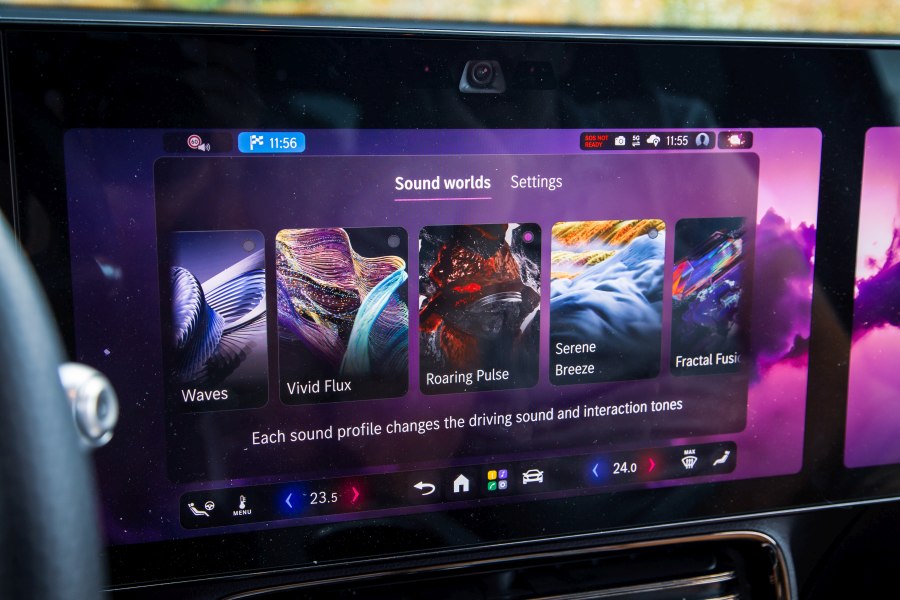
The extra power is obvious when you press the accelerator. The GLB 350 4Matic not only accelerates much faster from 0 to 100 km/h than the single-motor GLB 250+ (5.5 versus 7.4 seconds), but its traction is also clearly superior. You can even reproduce the sound of a combustion V8 engine by selecting the Roaring Pulse sound, included in the AMG Line Plus package with sport seats and AMG styling kit (€5,581), although the sound is fairly artificial.
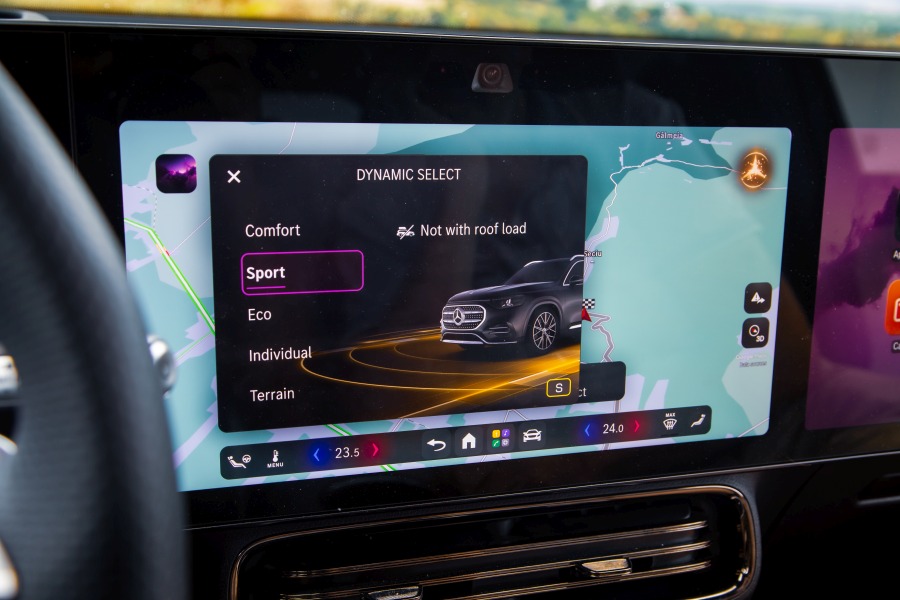
Unlike the CLA, the Mercedes GLB can be configured with Comfort suspension featuring adjustable damping (€738), as was the case with our test car. In practice, however, there is not much difference between the Sport and Comfort driving modes. The suspension is relatively firm in all modes and does a good job of controlling the movements of the 1.69-metre-high body despite its higher centre of gravity compared with the CLA, while still providing a pleasant ride.
However, vertical acceleration at the rear axle is more pronounced, and rear passengers experience a noticeable bouncing effect when driving over larger bumps.
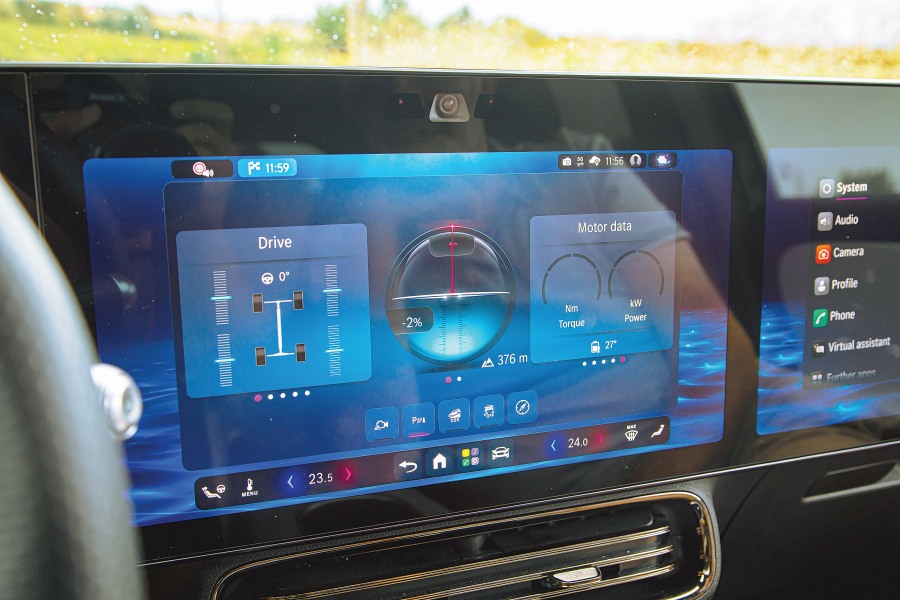
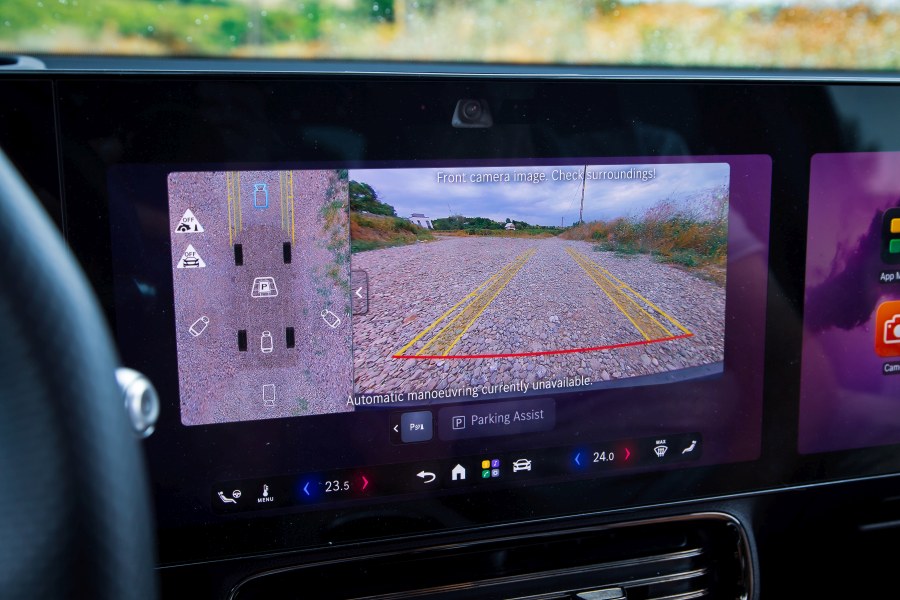
In addition to Eco, Comfort, Sport and Individual modes, there is also a Terrain mode designed for off-road driving. An optional “transparent bonnet” function is also available, allowing the driver to see what is directly in front of and underneath the vehicle. It is included in the MB.Drive Parking Assist package with 360-degree camera (€1,398).
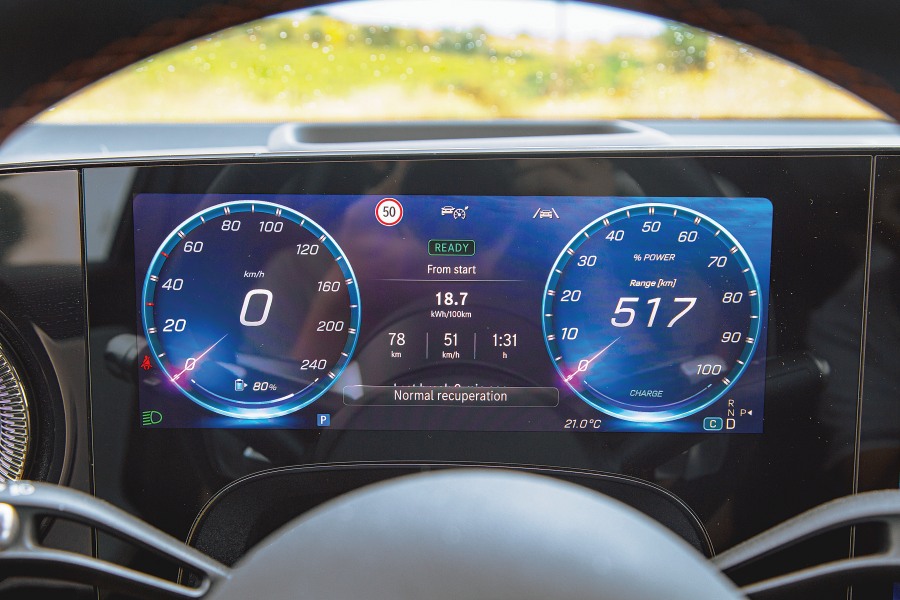
Despite weighing 155 kg more and having a much less favourable drag coefficient of 0.28 compared with the CLA’s 0.21 due to its SUV shape, the GLB 350 4Matic consumed surprisingly little for an SUV: just 17 kWh/100 km. This corresponds to a real-world range of exactly 500 km, an impressive figure for a compact electric SUV.
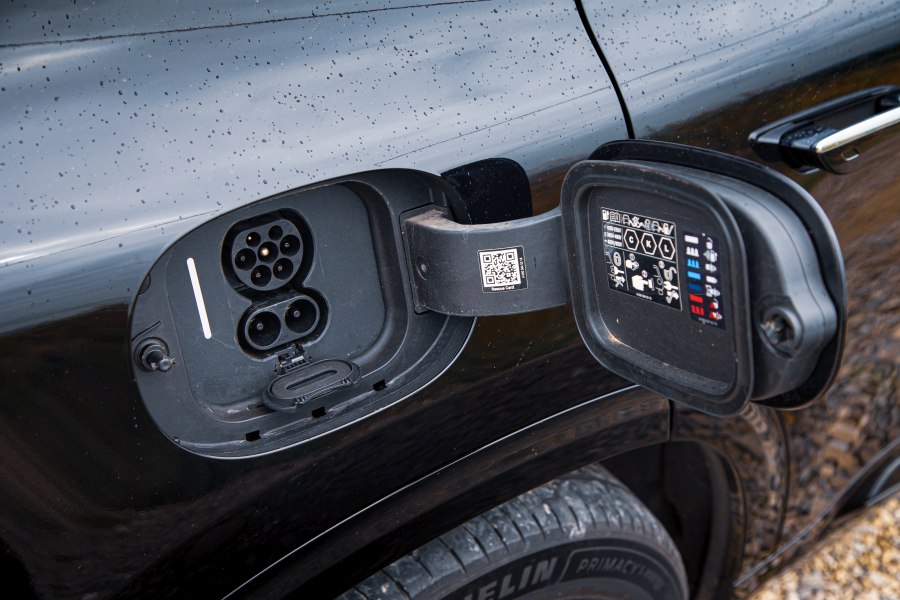
It is slow to discharge and quick to recharge. Since it uses the same 800V platform technology, the GLB promises the same maximum charging power as the CLA, at 320 kW, which is why we did not carry out a separate charging test this time. However, the CLA 250+ achieved a peak of 267 kW and an average of 166 kW in our charging test last year.
As with the GLC, you have to pay an additional €654 if you want to charge at older 400V DC charging stations. The same €654 is required if you want 22 kW AC charging instead of 11 kW.
There are also four levels of regenerative braking, with the strongest being equivalent to a one-pedal driving mode, allowing you to drive around town while barely using the conventional brakes. On longer journeys, the Intelligent recuperation mode is more practical, as it adapts to the driver’s driving style.
As with the CLA, the new One-Box braking system is impressive, with very linear braking and no noticeable gap during the transition between regenerative and mechanical braking. Speaking of brakes, they are highly effective and bite firmly with even the slightest pressure on the pedal.
New operating system, complicated ergonomics
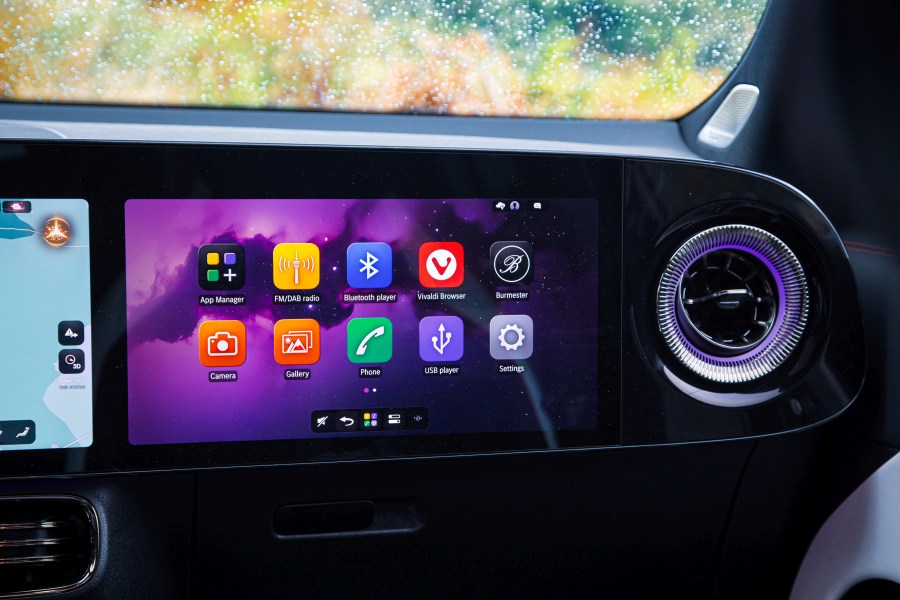
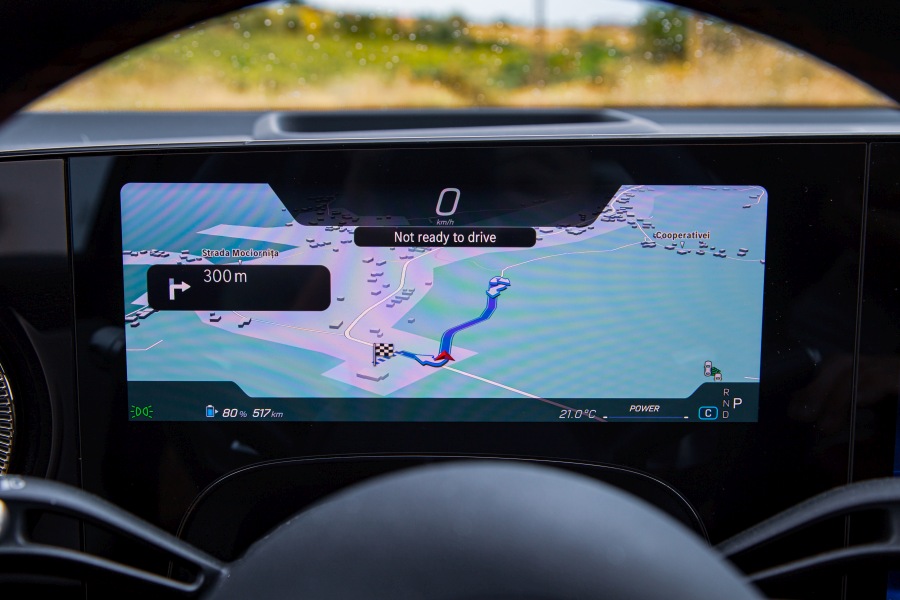
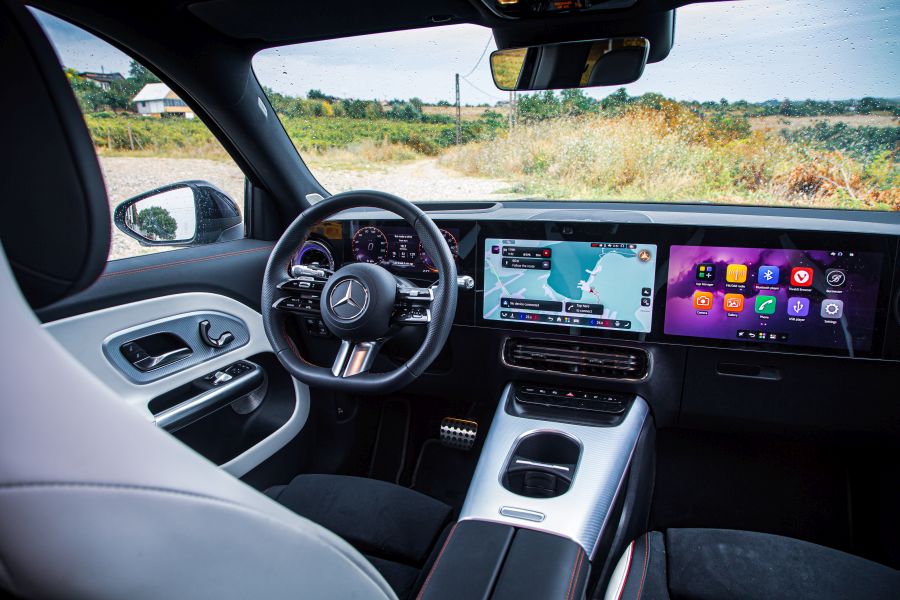
Like the rest of the compact range, the GLB has received the new operating system with Google Maps navigation. Augmented reality costs an additional €500. The system displays charging stations together with information about their charging power and availability. It also features Surround Navigation, which provides detailed information about obstacles both on and around the road, as well as artificial intelligence from Google Gemini, ChatGPT and Microsoft. However, the AI works well mainly for providing information, as it does not always understand certain commands.
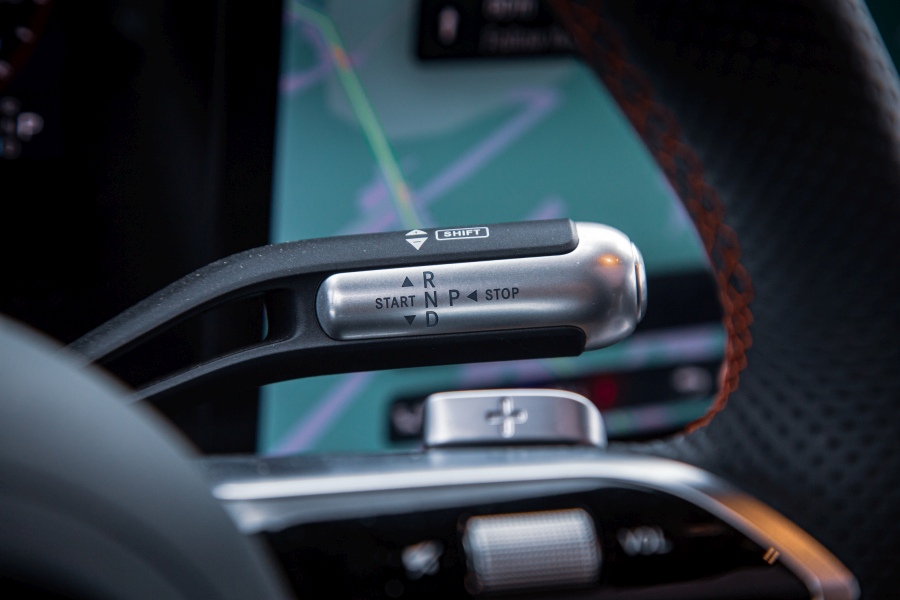
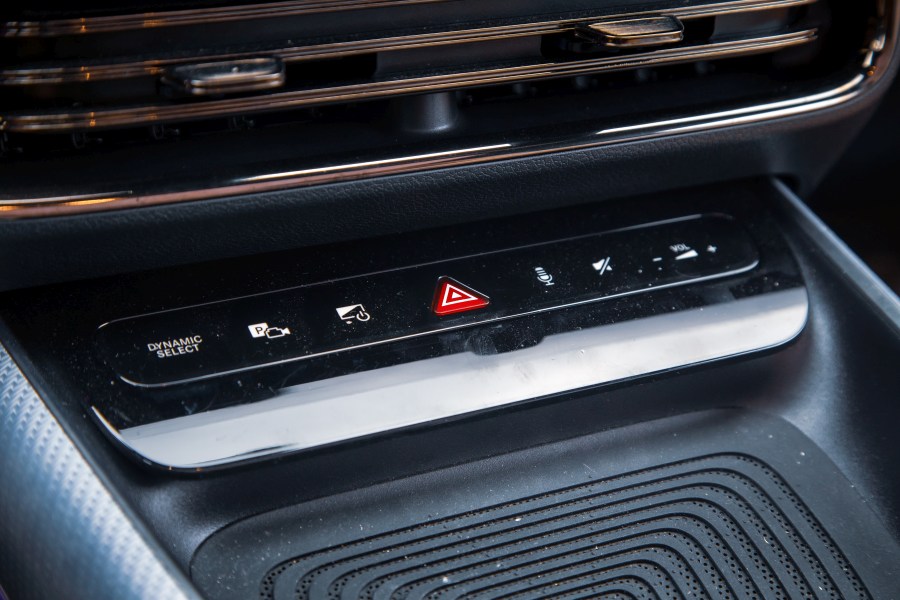
Ergonomics have nevertheless become more complicated, even though the steering wheel now features a cruise-control switch and a rotary audio-volume control. The touch-sensitive surface on the right-hand side of the steering wheel is too sensitive, while climate-control functions can now only be accessed through the touchscreen.
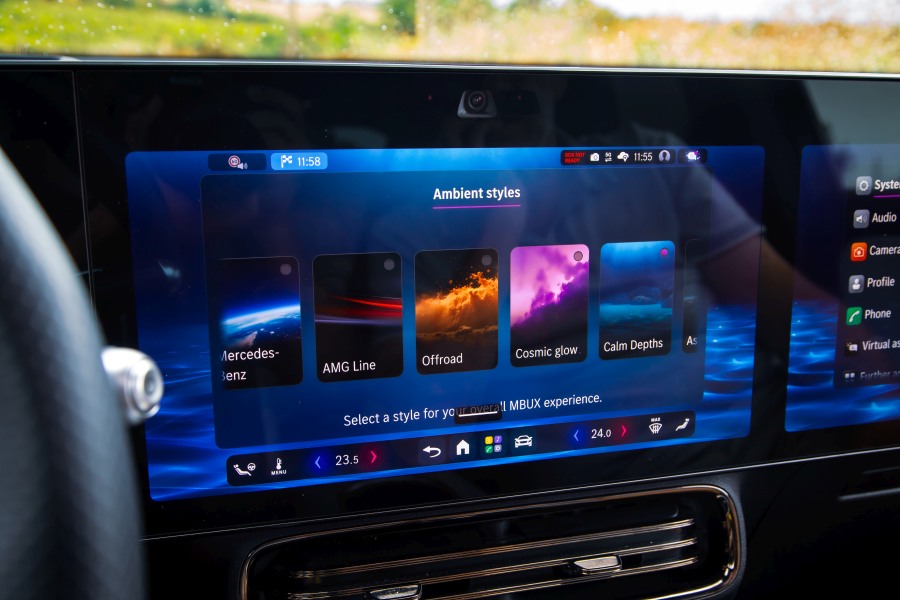
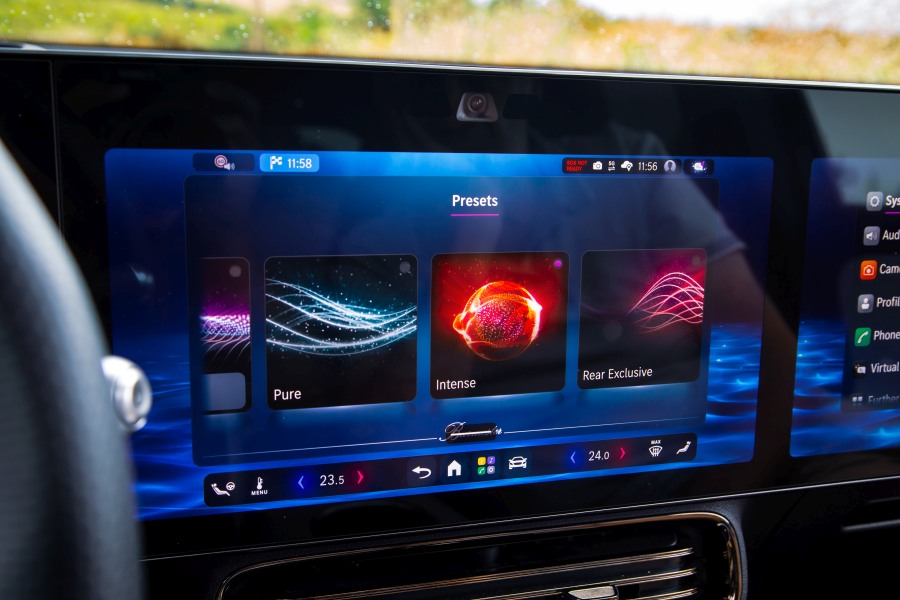
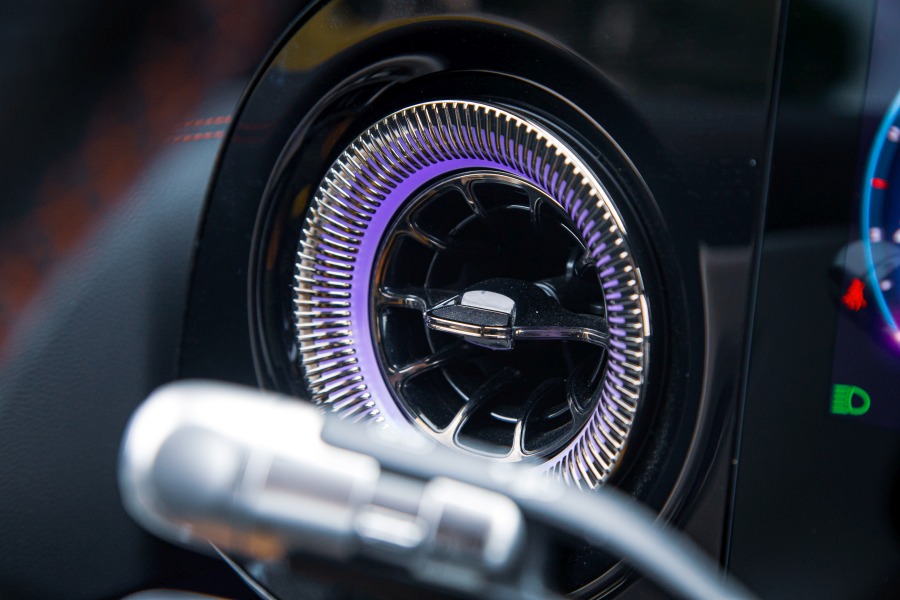
The Mercedes GLB also impresses with ambient lighting, which is clearly visible even during the day, as well as the ambience modes available on the multimedia display, which have evocative names: Cosmic Glow, Calm Depths, Asphalt Track, Polar Night, High Surf, Mystical Coast, Colourful Clouds and Northern Lights.
Unlike the GLC, however, there is no option for a continuous display stretching across the entire dashboard. The GLB comes standard with a 10.25-inch instrument display and a 14-inch multimedia display, while an additional 14-inch passenger display is available as an option for €1,160. A head-up display is also optional at €892.
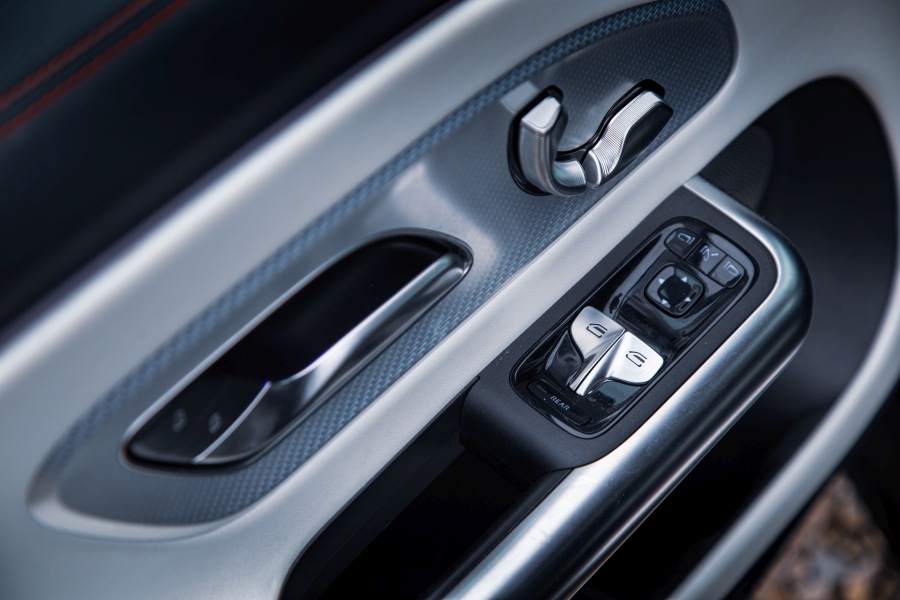
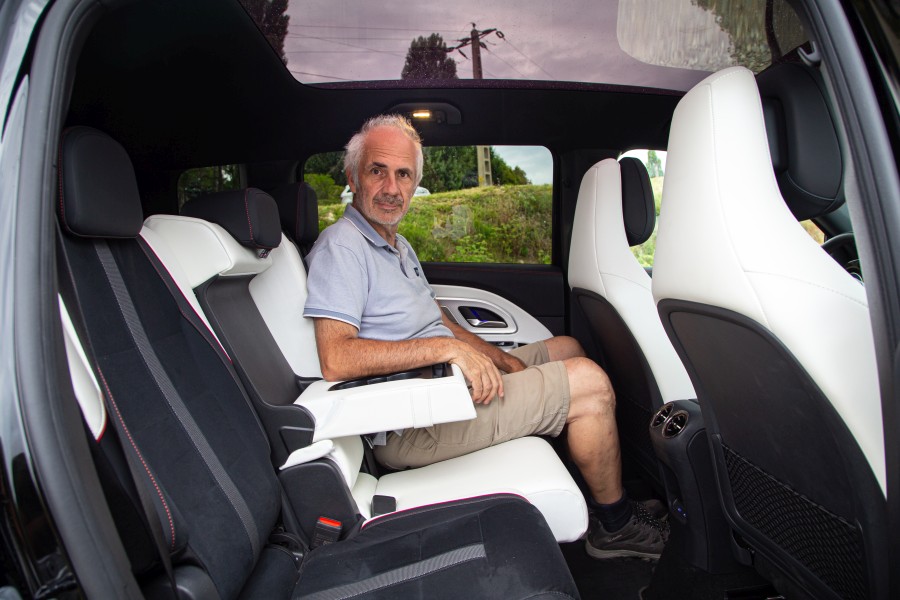
With a panoramic glass roof as standard, the GLB provides a bright and spacious feeling inside. The rear bench can optionally slide through a range of 14 cm (€428; standard on the seven-seat version), allowing you to increase either rear legroom or luggage space.
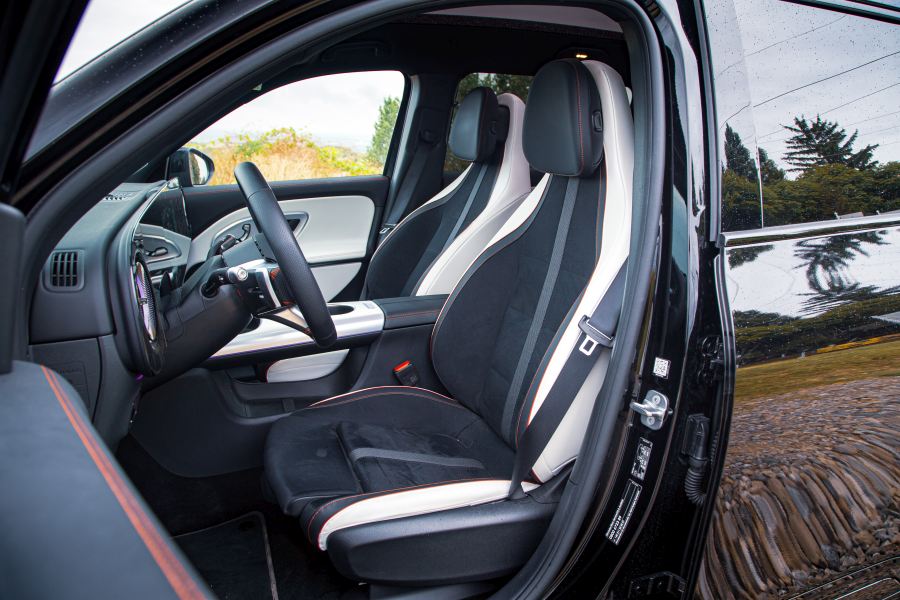
As with the CLA, however, the seat cushion is relatively short, although the backrest is very well shaped. The sport seats included in the AMG Line Plus package, upholstered in a combination of ARTICO synthetic leather and microfibre in black and red, provide excellent support but are quite firm in the central section of the backrest.
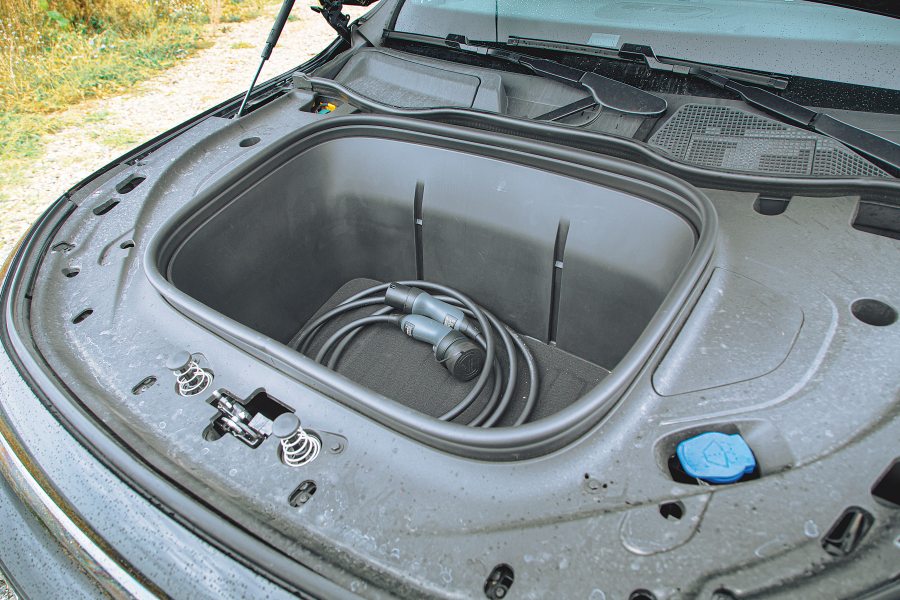
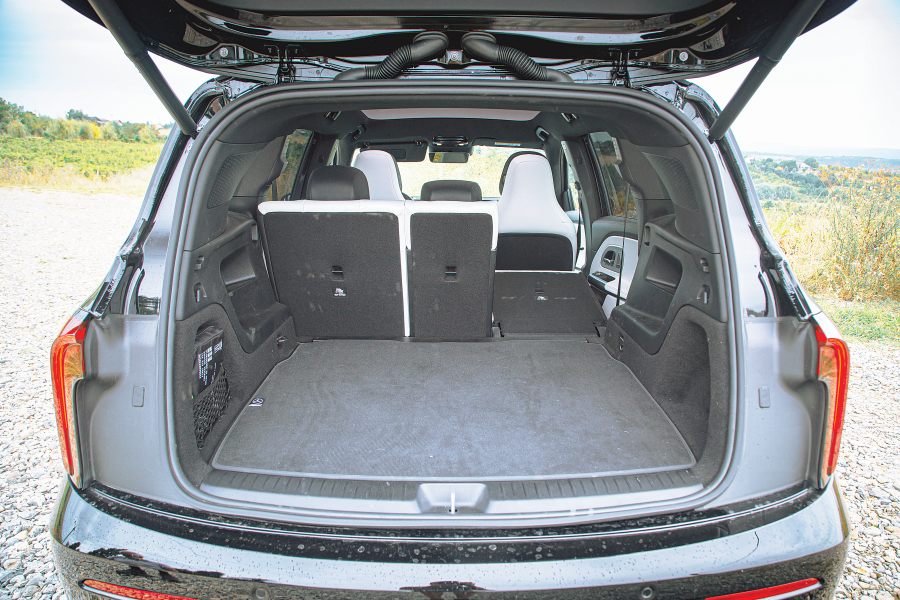
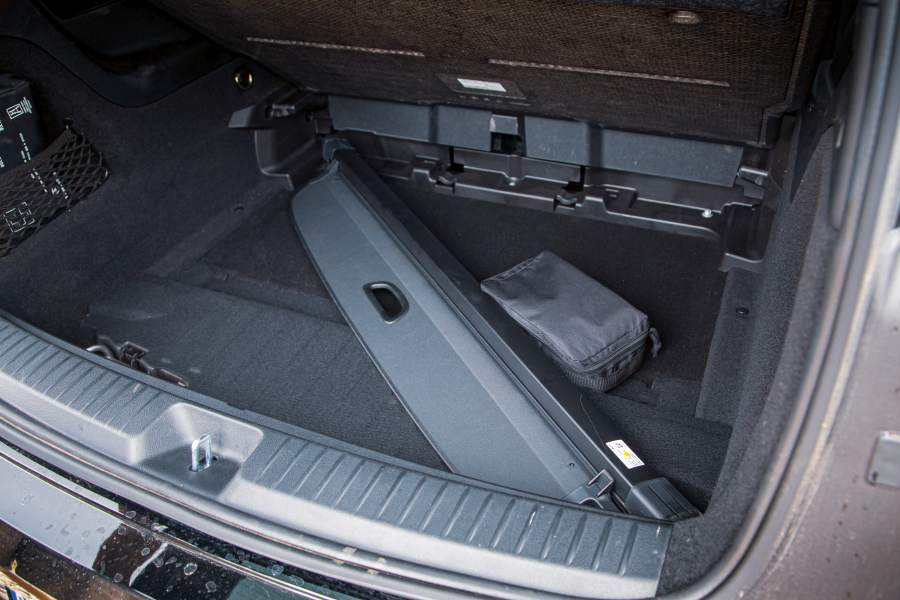
In the five-seat version we tested, the luggage compartment is very spacious, ranging from 540 to 1,715 litres, but it is no larger than the GLC EQ’s 570–1,740 litres. As with the CLA, there is also a huge 104-litre front trunk, compared with 101 litres in the CLA and 100 litres in the GLC.
However, the €62,177.50 starting price is too high for a compact electric SUV and is relatively close to the €68,306 price of the GLC 300 4Matic, which offers 67 hp more as well as the option of air suspension and rear-axle steering.
And the GLC’s optional air suspension gives it a clearly superior ride comfort compared with the GLB fitted with the optional adaptive suspension on our test car.
Text: Răzvan Măgureanu
Photos: Christian Bart
Verdict
VerdictThe GLB confirms the incredible efficiency of the new multi-powertrain platform and manages to cover 500 km in real-world driving between charges. It offers plenty of space and the option of seven seats. However, its price is too close to that of the GLC 300 4Matic, while it is not as refined or as comfortable as its larger brother.- Long real-world range
- Well-tuned braking system
- Powerful motors
- Generous and versatile interior space
- Google Maps navigation
- Seven-seat option

MAX vs MIN
- High price
- Very expensive options
- Ineffective adaptive suspension
- Overly sensitive touch controls on the steering wheel

| Edit | |
|---|---|
| Technical data | Mercedes GLB 350 4Matic |
| Engine | 2, one rear, one front |
| Max output (PS) | 354 |
| Max torque (Nm) | 515 |
| Traction | awd |
| Gearbox | 2 gears rear, one gear front |
| L x w x h (mm) | 4,732 x 1,861 x 1,687 |
| Wheelbase (mm) | 2,889 |
| Curb weight (kg) | 2,280 |
| Boot volume (l) | 104-540-1,715 |
| Battery capacity net (kWh) | 85 |
| AC charging (kW) | 11/22 |
| DC charging (kW) | up to 320 |
| DC charging time 10-100% (minutes) | 22 |
| Performances | |
| 0-100 kph (s) | 5.5 |
| Top speed (kph) | 210 |
| Energy cons. ( kWh/100 km) | 16 |
| Range (km) | 613 |
| Price (euro with VAT) | 62,177.50 |