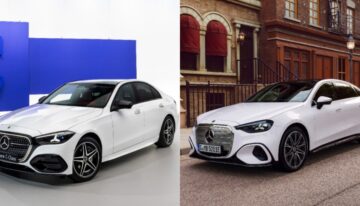
Choosing a Used Mercedes-Benz C-Class, The One That’s Actually Affordable
An accessible entry point into luxury motoring? The Mercedes-Benz C-Class has long been a leader in this category. A refined cabin, comfortable ride and a wide choice of used models – all of that brings attention. Prices, however, and running costs vary considerably by age, engine, trim and condition. Before shopping, compare the factors that matter most to your budget and driving needs to find a car you can comfortably afford to own. Let’s move into some of the details, shall we?
Set a Realistic Budget
Start by deciding how much you can spend on the car while keeping money aside for ownership costs. Factor in insurance, road tax, registration, fuel and routine servicing, plus a reserve for unexpected repairs. As a precaution, consider setting aside around 10 to 15 percent of the purchase price for first-year maintenance. This is a guideline, not a fixed requirement; actual costs depend on the car’s age, mileage and condition.
Compare total ownership costs, not just asking prices. An older C-Class may be cheaper upfront but need new tires, brakes or suspension work. Parts and labour can also cost more than on mainstream compact sedans. Once your budget is clear, browse Mercedes-Benz C-Class listings to compare cars within your price range.
Compare Model Years and Generations
Older C-Class models from roughly 2008 to 2014 generally cost less, but age-related wear can increase the likelihood of electrical, cooling-system or suspension repairs. The 2015 to 2021 generation offers a more modern cabin, additional safety technology and a wide choice of turbocharged engines, making it a popular middle ground. Models from 2022 onward feature a more contemporary interior, a large touchscreen and mild-hybrid technology on many versions, but typically cost more.
Therefore, compare at least two generations before deciding whether newer technology justifies a higher price. Equipment, engines and safety features vary by market, trim and optional extras, so check the specifications of each individual car.
Choose the Right Body Style and Drivetrain
The next step is to consider how you will use the car. The sedan is a practical all-rounder, while coupes and convertibles prioritise style over rear-seat practicality. The estate, known as the T-Model in many European markets, offers extra cargo space for families and frequent travellers.
Compare petrol and diesel engines based on your driving habits. Petrol may suit shorter journeys and mixed driving, while diesel can make sense for frequent long-distance trips. Check local emissions restrictions and taxes before choosing a diesel.
Rear-wheel drive is often sufficient for everyday use and may be cheaper to buy and maintain. The 4MATIC all-wheel-drive system can be useful in snowy or mountainous areas, although it adds complexity and may increase fuel consumption. Compare fuel economy, insurance and taxes before settling on a configuration.
Weigh Mileage Against Service History
Mileage matters, but maintenance history can tell you more about how a car has been treated. A C-Class with 145,000 km and documented servicing may be a better buy than one with 90,000 km and no records.
Use these ranges as a starting point:
- Under 80,000 km: Often commands a higher price, but low mileage does not guarantee good condition.
- 80,000–150,000 km: A useful range for value when maintenance is documented.
- Over 160,000 km: Can be affordable, but requires careful checks and a repair budget.
Compare service records, fluid changes, major repairs and recall work. In Europe, consistent MOT, TÜV or equivalent inspection records can help verify condition and mileage. In addition, investigate gaps in the service history or unexplained odometer changes.
Assess Condition and Ownership Details
When comparing shortlisted cars, inspect bodywork for inconsistent paint, uneven panel gaps and signs of previous accidents. Check tire wear for possible alignment issues and test the electronics, climate control, windows, seats and driver-assistance features of a C-class model you are particularly interested in. During the test drive, listen for suspension noises and check that the transmission shifts smoothly.
It is also wise to obtain a vehicle history report and consider an independent pre-purchase inspection by a Mercedes specialist. Certified pre-owned cars may include warranty protection, but check the coverage and exclusions against the additional cost.
Finally, Build Your Shortlist for an Ideal Mercedes-Benz C-Class
Choose two acceptable model-year ranges, preferred body styles or trims, a mileage ceiling and a firm maximum price. Shortlist three to five cars and compare asking prices, service histories, equipment and likely maintenance costs using the same criteria. Do not dismiss a well-maintained car simply because its mileage is higher, and avoid choosing a low-mileage example without reliable records.
A used C-Class can offer an enjoyable premium driving experience without straining your finances. Compare total ownership costs, choose a generation that suits your needs and prioritise documented maintenance over appearance or mileage alone. A little preparation and a solid selection will help you find a car you can afford to buy and, most importantly, enjoy having.