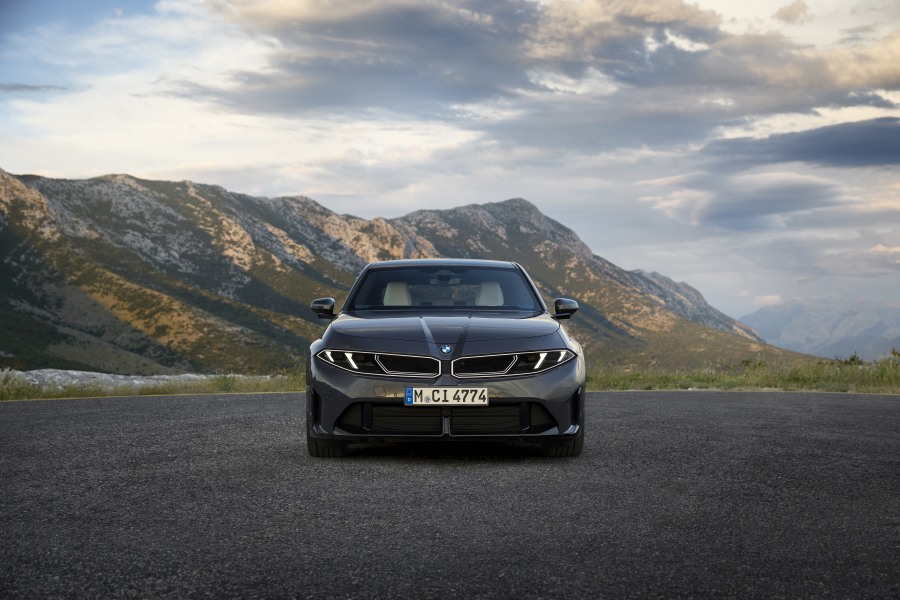
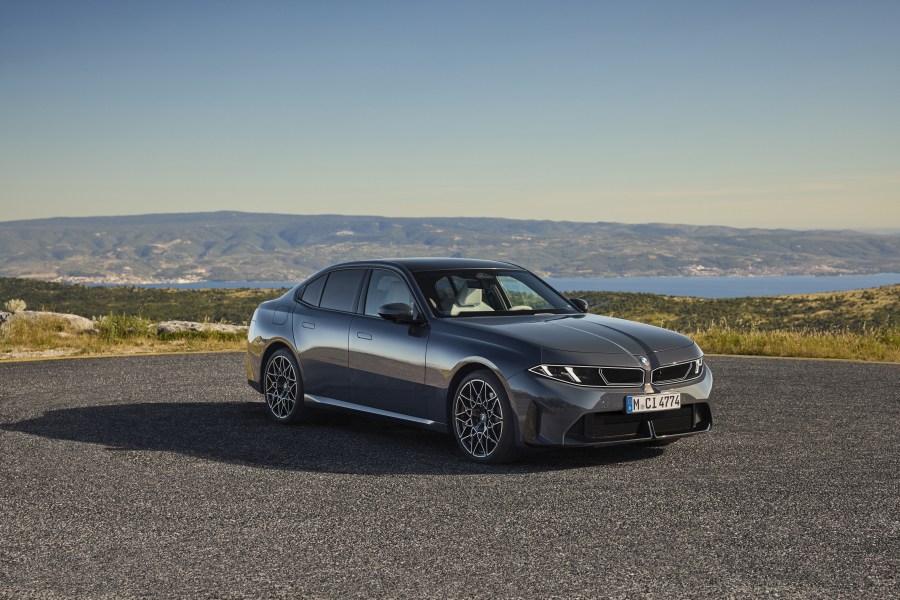
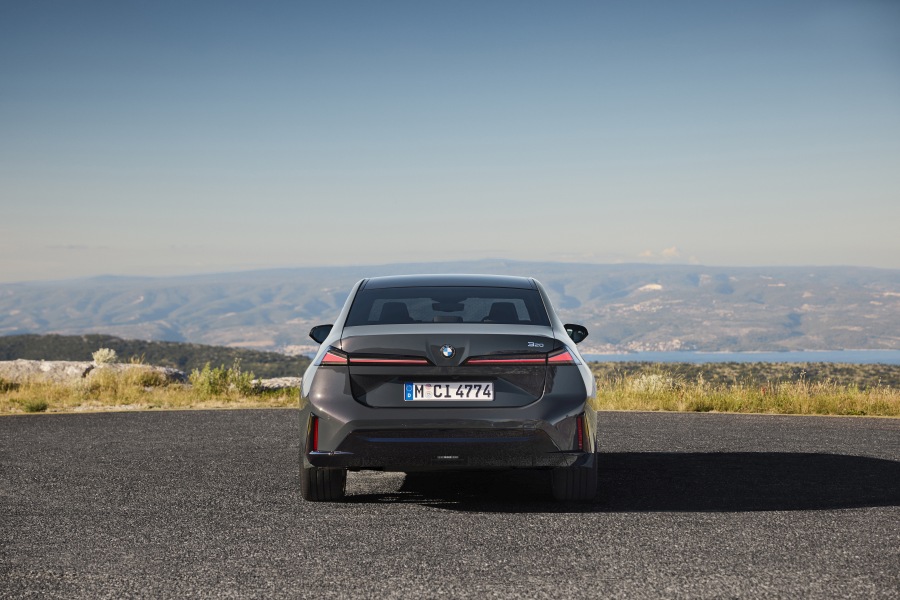
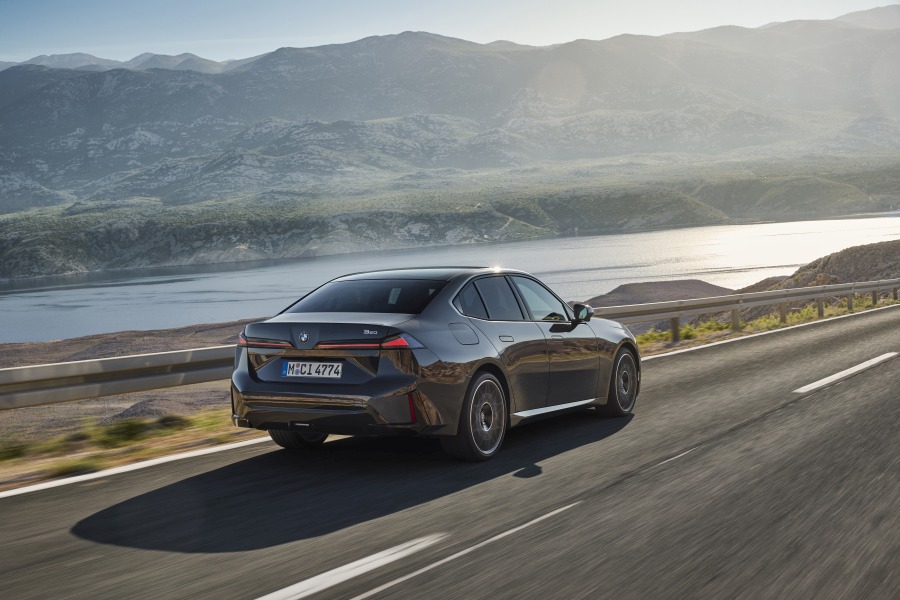
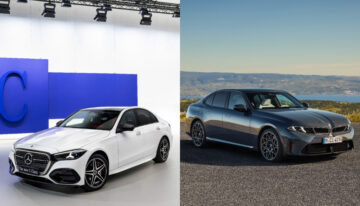
BMW has unveiled the eighth-generation BMW 3 Series with an internal-combustion engine, prompting us to make a first assessment of the new BMW 3 Series compared with the facelifted Mercedes C-Class.
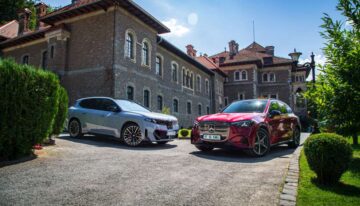
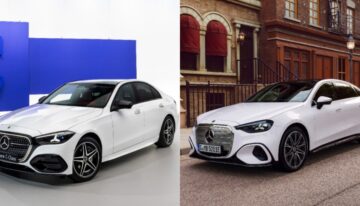
After presenting a first static comparison between the new BMW i3 and the electric Mercedes C-Class in April 2026, we have now turned our attention to the internal-combustion versions: the new BMW 3 Series and the facelifted Mercedes C-Class.
The BMW 3 Series and Mercedes C-Class are the most important sedans for the two manufacturers in terms of sales. Produced since 1975, BMW has sold more than 18 million units across the eight generations of the 3 Series. On the other side, Mercedes has sold more than 10 million units across the five generations of the C-Class sedan, launched in 1993, in addition to the 1,874,668 units of the 190 series produced between 1982 and 1993, which is effectively the predecessor of today’s C-Class.
Dimensions and Weight
Both manufacturers have adopted similar strategies, separating their internal-combustion models from their fully electric counterparts. The combustion-engined BMW 3 Series continues to be built on the CLAR platform, while the combustion-engined Mercedes C-Class uses the MRA II platform. The electric BMW i3 and Mercedes C-Class are based on new dedicated architectures: Neue Klasse at BMW and MB.EA at Mercedes. But today, we are focusing on the combustion-engined versions.
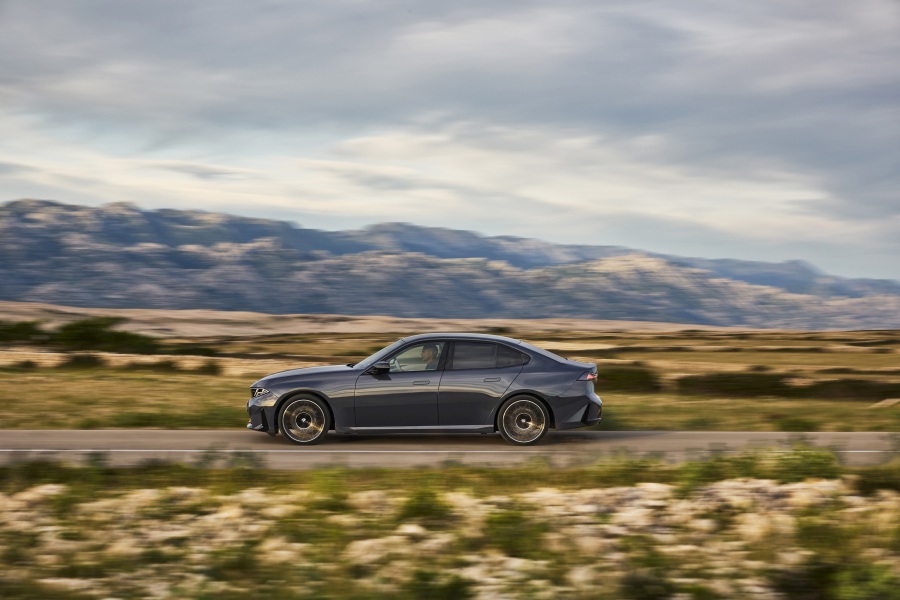
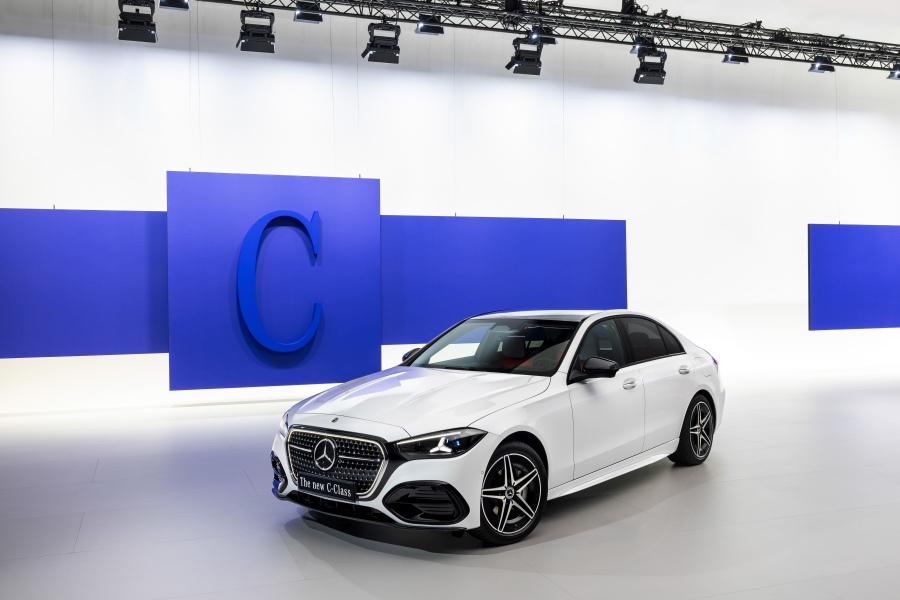
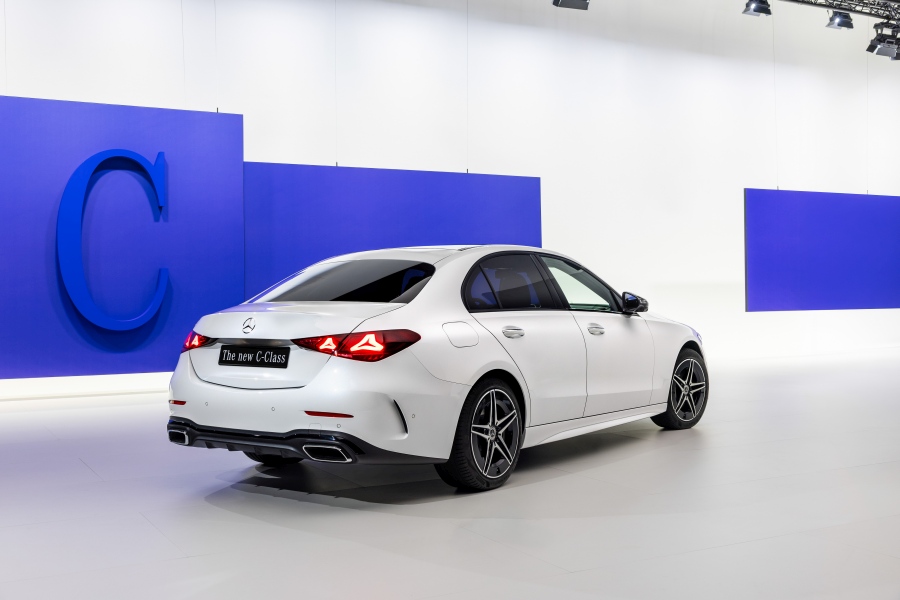
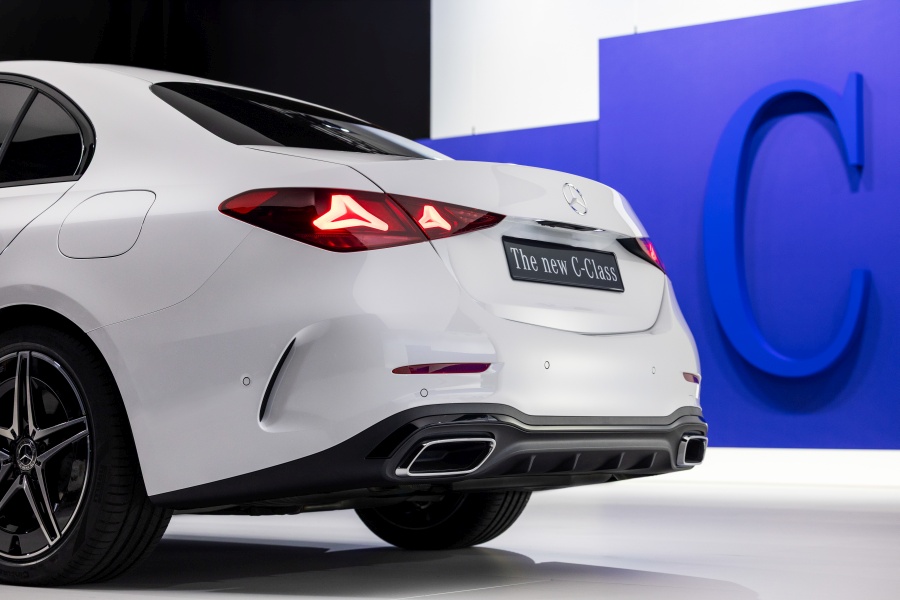
At 4,766 mm long, 1,820 mm wide and 1,438 mm high, the facelifted Mercedes C-Class is just 1 mm longer, 30 mm narrower and 17 mm lower than the new combustion-engined 3 Series, which measures 4,765 mm in length, 1,850 mm in width and 1,455 mm in height.
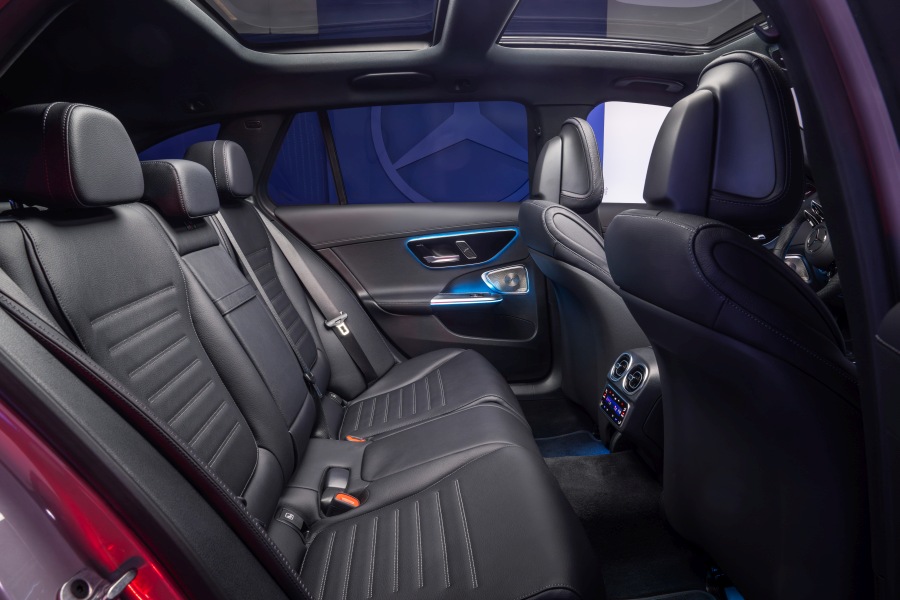
The 2,865 mm wheelbase is just 5 mm longer than that of the combustion-engined 3 Series, while the luggage compartments are also comparable: 455 litres for the Mercedes and 450 litres for the BMW.
| Model | BMW Seria 3 termic | Mercedes C-Class facelift |
|---|---|---|
| Length | 4,765 mm | 4,766 mm |
| Width | 1,850 mm | 1,820 mm |
| Height | 1,455 mm | 1,438 mm |
| Wheelbase | 2,860 mm | 2,865 mm |
| Track front | 1,597 mm | 1,582 mm |
| Track rear | 1,617 mm | 1,594 mm |
Interiors
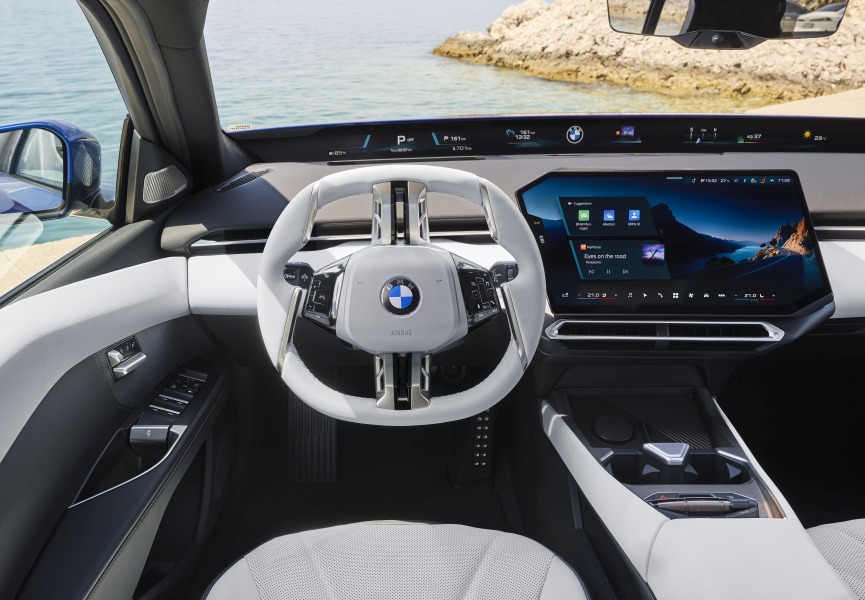
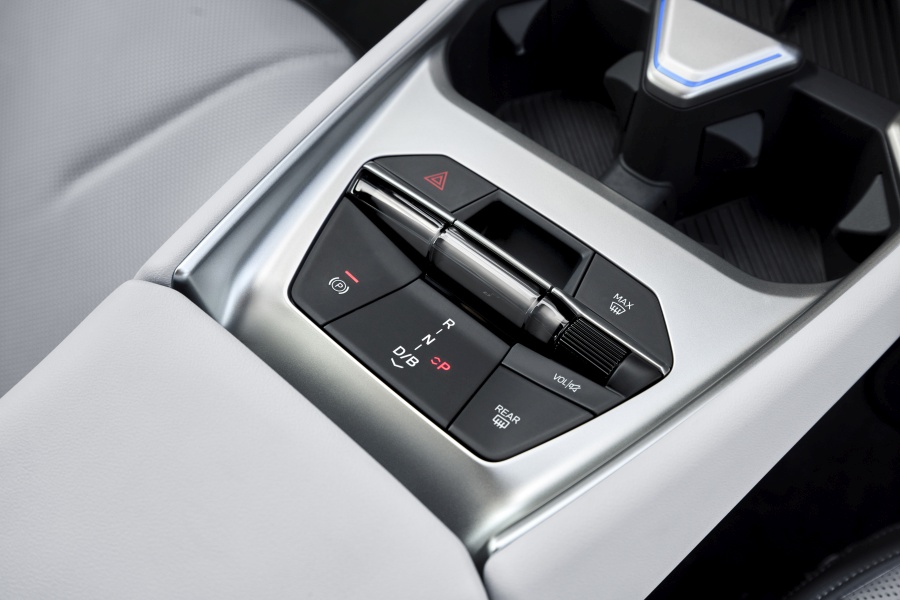
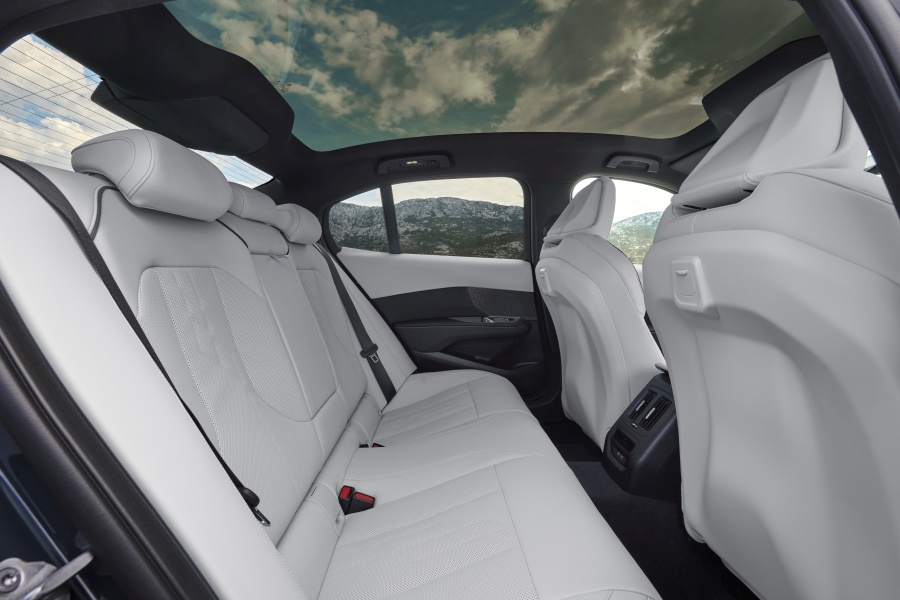
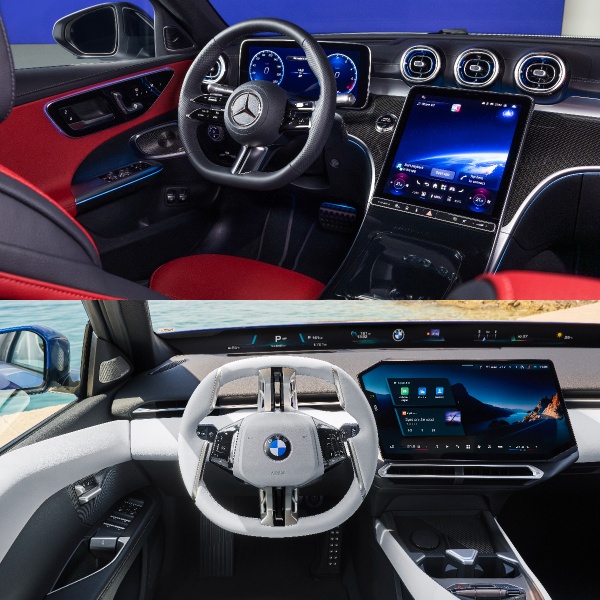
The interiors of the two models are very different, with the BMW being the more modern of the two, while the Mercedes C-Class retains a more traditional interior layout.
The interior of the combustion-engined BMW 3 Series is inspired by the i3 and is based on the new Panoramic Drive ergonomic concept. It features the Panoramic Vision display at the base of the windscreen, stretching across the entire width of the windscreen, a 17.9-inch central display positioned very close to the steering wheel, and an optional head-up display. BMW uses the new OS X operating system and HERE navigation maps, complemented for the first time in the new-generation 3 Series by Google Places, making it easier to find points of interest. BMW also uses the BMW Intelligent Personal Assistant and Amazon Alexa+ artificial intelligence.
The BMW Digital Premium package comes with numerous video and audio streaming applications, as well as games with unlimited data traffic. In the event of an accident, the BMW Drive Recorder onboard camera records exterior footage that can be exported to a smartphone.
The Motorway Assistant system enables hands-free driving on motorways at speeds of up to 130 km/h and is available in 21 countries.
In addition, the innovative Drive Challenge function provides direct, real-time feedback on the precision and safety of acceleration, steering and braking.
Like the iX3, the BMW 3 Series is equipped with the Driving Assistant Plus with Symbiotic Drive, in which the driver assistance systems no longer intervene intrusively in the driver’s actions.
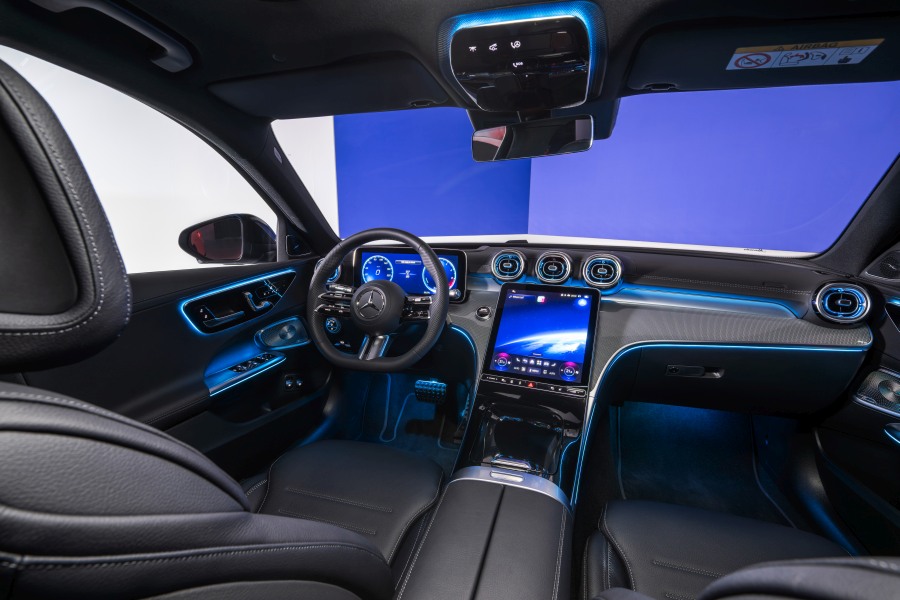
The Mercedes C-Class remains faithful to the original layout of the model launched in 2021, with an 11.9-inch portrait-oriented central display and digital instruments displayed on a 12.3-inch screen. A passenger display is not available, even as an option.
The major change is that, with the C-Class facelift, Mercedes has turned to Google services, with the new MB.OS operating system relying on Google Maps with augmented reality, Google Assistant, and artificial intelligence from ChatGPT, Google Gemini and Microsoft Bing.
Chassis
The new BMW 3 Series features a double-wishbone front suspension and a five-link multi-link rear suspension. In addition to the standard suspension, adaptive suspension and adaptive M suspension are available.
Both adaptive suspension systems feature electronically controlled valves in the dampers, individually, continuously and independently controlled. They are combined as standard with sport steering, which is more direct than the standard setup. With adaptive suspension, the driver can select between Personal and Sport settings in My Modes.
The top-of-the-range M350 xDrive comes as standard with adaptive M suspension, which is also available as an option on the other combustion-engined 3 Series models when combined with the M Sport or M Sport Pro packages. The M350 xDrive is also equipped with a locking rear differential.
The Mercedes C-Class also retains a four-link front suspension and a five-link multi-link rear suspension. In addition to the standard setup, adaptive suspension is available. It can be ordered as a standalone option or as part of the Agility & Comfort package, which also includes rear-axle steering, a feature not offered on the BMW 3 Series.
Both models can be configured with sporty packages: M Sport and M Sport Pro for the BMW, and AMG Line and AMG Line Plus for the Mercedes.
Engines
As a model that has been on the market for several years, the facelifted Mercedes C-Class offers a wider range of powertrains, including diesel and plug-in hybrid versions that are not currently available for the BMW 3 Series. BMW has officially announced, however, that a plug-in hybrid version will follow at a later date. Conversely, the facelifted Mercedes C-Class does not yet have an AMG version, while the BMW 3 Series is available from launch in an M Performance version.
The Mercedes C-Class can therefore be ordered with the following powertrains:
Mild-hybrid petrol
- Mercedes C 200 – 2.0-litre / 177 PS
- Mercedes C 250 / C 250 4Matic – 2.0-litre / 218 PS
- Mercedes C 300 – 2.0-litre / 258 PS
Mild-hybrid diesel
- Mercedes C 200 d – 2.0-litre / 163 PS
- Mercedes C 250 d / C 250 d 4Matic – 2.0-litre / 200 PS
Plug-in hybrid
- Mercedes C 300 e / C 300 e 4Matic – 218 PS + 136 PS
- Mercedes C 400 e 4Matic – 258 PS + 136 PS
The BMW 3 Series will initially be available in the following versions:
Mild-hybrid petrol
- BMW 318 – 2.0-litre / 156 PS
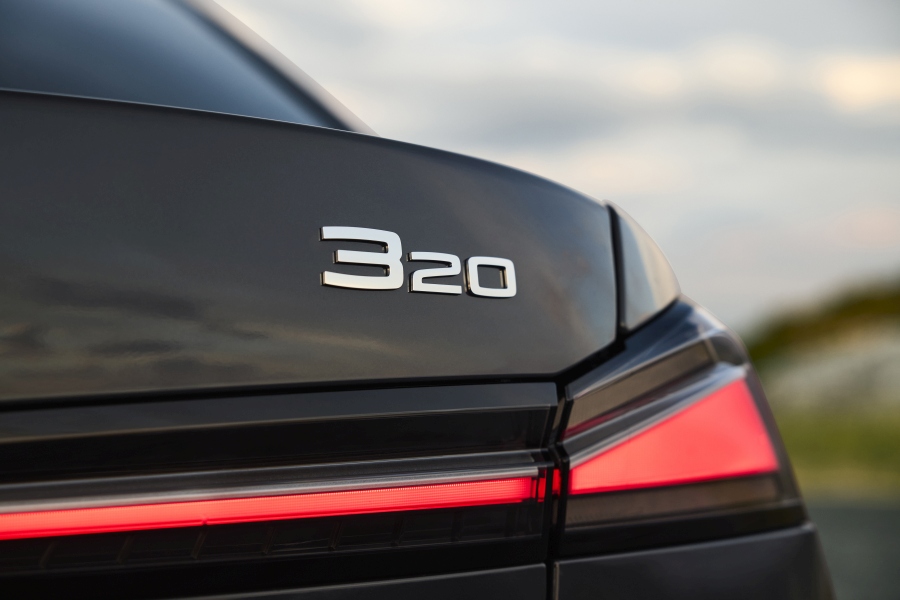
- BMW 320 – 2.0-litre / 211 PS
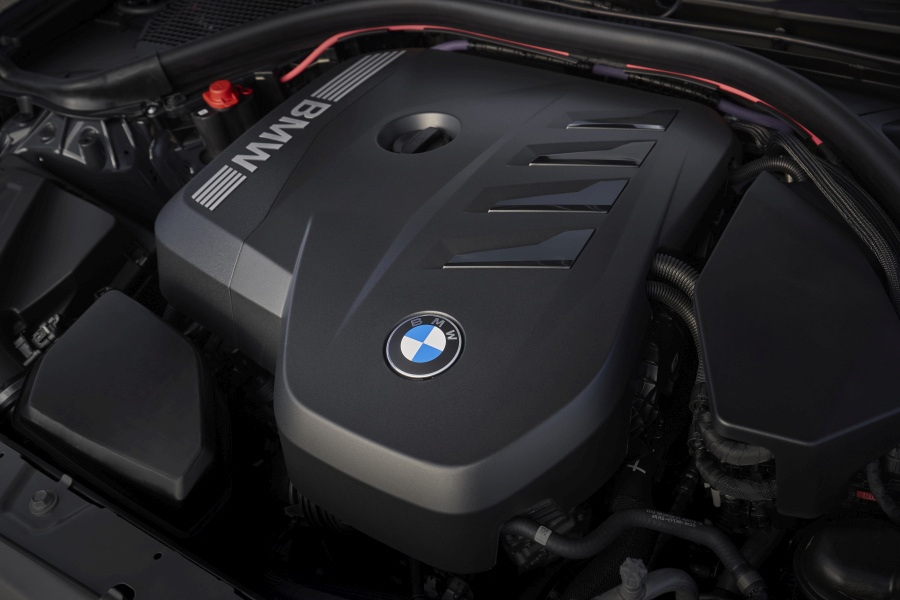
- BMW M350 xDrive – 3.0-litre / 443 PS
Two additional versions, the 330 and 330 xDrive, will be available for the US market. The big surprise is that BMW 3 Serie will not offer a diesel anymore.