Performance expectations in the automotive world are never universal, especially when comparing a luxury-focused brand like Mercedes with a utility-driven brand like GMC. Each manufacturer designs vehicles with completely different priorities, engineering philosophies, and customer expectations in mind. This is why drivers often experience two very different interpretations of what “performance” actually means. For buyers exploring New GMC models for sale, it becomes especially important to understand how these expectations differ from premium European vehicles like Mercedes.
Different Brand Philosophies Shape Performance Goals
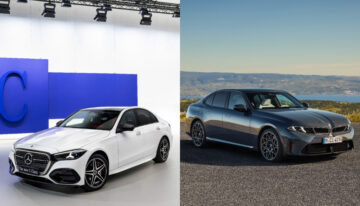
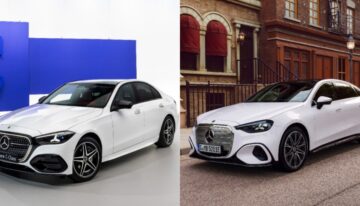
The biggest reason performance expectations vary between Mercedes and GMC comes down to brand identity. Mercedes is built around luxury, precision engineering, and high-speed refinement. Its performance philosophy emphasizes smooth acceleration, advanced suspension tuning, and balanced handling designed for both comfort and sportiness.
GMC, in contrast, is rooted in capability and durability. It focuses on towing power, torque delivery, and rugged performance rather than sporty acceleration or track-level handling. GMC vehicles are engineered to perform under load, whether hauling heavy cargo, towing trailers, or handling rough terrain.
Because of these different goals, the same word—“performance”—means something very different for each brand.
Engine Tuning and Power Delivery Differences
Mercedes engines are typically tuned for refinement and responsiveness. Even when producing high horsepower, the delivery is smooth and controlled. Turbocharged engines and hybrid systems are engineered to balance speed with efficiency, making acceleration feel effortless rather than aggressive.
GMC engines are tuned with practicality in mind. Many models prioritize torque over horsepower, especially in trucks and SUVs. This means GMC vehicles may not feel as quick off the line as a Mercedes sedan, but they deliver strong pulling power that is more useful in towing and hauling scenarios.
In real-world driving, this creates two distinct experiences: Mercedes feels fast and polished, while GMC feels strong and purposeful.
Vehicle Purpose: Luxury Driving vs Utility Performance
Mercedes performance expectations are strongly influenced by its luxury positioning. Drivers expect quiet cabins, minimal vibration, and a sense of effortless control even at high speeds. Performance is measured by refinement just as much as speed.
GMC performance expectations are shaped by utility. Buyers expect stability under heavy loads, off-road capability, and endurance in demanding conditions. For example, a GMC SUV or truck is often judged by how well it can tow a trailer or handle rough work environments rather than how quickly it accelerates on a highway.
This difference in purpose explains why the same level of horsepower might feel completely different between the two brands.
Suspension and Ride Quality Engineering
Mercedes invests heavily in advanced suspension systems designed to enhance comfort and agility at the same time. Technologies like adaptive damping and active body control help reduce body roll and improve cornering stability, creating a smoother and more controlled ride even on uneven roads.
Some Mercedes SUVs even use advanced systems that actively adjust suspension behavior to improve handling dynamics in real time . This leads drivers to expect sedan-like comfort even in larger vehicles.
GMC, on the other hand, prioritizes durability and load-bearing strength in its suspension design. While modern GMC models offer improved comfort compared to older generations, their suspension systems are still optimized for towing and payload stability. This means a firmer ride is often noticeable, especially when the vehicle is carrying weight.
As a result, Mercedes drivers expect precision and softness, while GMC drivers expect stability and toughness.
Technology and Performance Integration
Mercedes is known for integrating cutting-edge technology into its performance systems. Features like intelligent driving modes, AI-assisted transmissions, and real-time performance adjustments create a highly responsive driving experience. These systems often make performance feel dynamic and adaptive.
GMC technology, while advanced in its own right, is more focused on usability and control. Features like trailer assist systems, terrain modes, and towing cameras are designed to improve functional performance rather than driving excitement. This creates a more practical performance experience rather than a luxury-oriented one.
The result is that Mercedes drivers often expect innovation in speed and handling, while GMC drivers expect innovation in capability and control.
Handling Expectations and Driving Dynamics
Mercedes vehicles are engineered to deliver precise handling and sporty responsiveness. Steering is often tight and highly responsive, giving drivers confidence at high speeds or during sharp cornering. Even larger SUVs are designed to feel more car-like on the road.
GMC vehicles feel more grounded and stable rather than sporty. Trucks and SUVs tend to have a heavier steering feel, which is intentional for towing and highway stability. While modern GMC models have improved significantly in handling, they are still not designed to match the agility of a luxury sedan or performance SUV.
This difference creates very different expectations: Mercedes is judged on agility, while GMC is judged on control.
Acceleration vs Capability Expectations
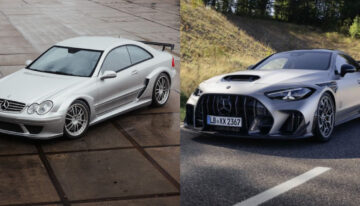
Acceleration in Mercedes vehicles is often a key selling point. Even base models are designed to feel quick and responsive, while AMG performance variants push into high-performance territory with sports-car-like acceleration.
GMC vehicles prioritize capability over acceleration. While many models have powerful engines, their tuning is designed to move heavy loads efficiently rather than achieve fast 0–60 times. This means acceleration feels steady and powerful rather than explosive.
Drivers comparing the two brands may mistakenly evaluate them using the same performance standards, even though they were built for different purposes.
Reliability Under Stress and Long-Term Performance
Performance expectations also differ when it comes to long-term durability. Mercedes owners often expect high-end refinement but may also anticipate higher maintenance requirements due to the complexity of systems involved.
GMC owners typically expect long-term durability, especially in demanding environments. These vehicles are built to withstand heavy workloads and consistent use, which shapes expectations around dependability rather than luxury refinement.
This difference further reinforces why “performance” is interpreted differently by each brand’s customer base.
Conclusion
Performance expectations vary significantly between Mercedes and GMC because the two brands are designed for entirely different driving experiences. Mercedes focuses on luxury, precision, and high-end driving dynamics, while GMC emphasizes strength, utility, and real-world capability. From engine tuning and suspension design to handling and acceleration, every aspect of performance is shaped by these core philosophies.