Most people start researching how much it costs to ship a car after they’ve already committed to a move, bought a vehicle out of state, or booked a one-way flight somewhere warm.
The timing feels urgent, so they grab the first car shipping quote from a provider like RoadRunner Auto Transport and hope for the best.
That urgency usually costs them money, sometimes a lot of it.
Car shipping rates aren’t fixed.
They shift throughout the year based on carrier availability, route demand, and weather patterns across the continental United States.
Understanding how those seasonal swings work puts you in a stronger position when comparing estimates and deciding when to book.
What Does Car Shipping Actually Cost?
Before getting into seasonal timing, it helps to know where baseline pricing sits.
The average cost to ship a car within the U.S. ranges from roughly $500 to $1,500 for standard open transport, depending on distance.
A 500-mile shipment from Philadelphia to Charlotte might run $450–$700, while a coast-to-coast haul from New York to Los Angeles typically falls between $1,000 and $1,600.
Those ranges shift based on several factors: vehicle size and weight, transport type (open vs. enclosed), route popularity, and – the piece most people overlook – time of year.
A car shipping estimate you pull in March could look completely different from one generated in July for the exact same route.
That gap is where seasonal awareness starts paying off.
Winter: The Snowbird Effect
Every year between November and February, thousands of retirees migrate from states like Michigan, Ohio, and New York down to Florida, Arizona, and Texas.
This annual snowbird migration creates a massive spike in southbound auto transport demand.
Carriers heading from the Midwest to the Sun Belt during this stretch can charge premium rates because their trailers fill up fast.
The flip side is interesting.
Northbound routes during winter are often significantly cheaper because fewer people are shipping vehicles in that direction.
If you’re flexible on timing, shipping a car from Florida to New Jersey in December could save you $200–$400 compared to the reverse trip.
Carriers need to reposition their trucks anyway, so they’ll take lower-paying loads to avoid deadheading back empty.
Anyone requesting a car shipping quote during winter should get estimates for both directions on their corridor.
You might find that adjusting your pickup date by just a week or two lands you on the cheaper side of the seasonal curve.
Summer: Peak Moving Season
June through August is when the car shipping industry hits its busiest stretch.
Families relocate for new jobs, college students move across the country, and military PCS orders stack up all at once.
That volume drives prices higher on nearly every major corridor – especially routes connecting major metro areas like Los Angeles to Chicago or Dallas to Atlanta.
Summer also means longer daylight hours, which helps carriers cover more ground per day.
But the demand increase far outweighs that efficiency gain.
Expect quotes to run 15–30% higher than shoulder season rates if you’re booking between mid-June and late August.
On a $1,200 base route, that’s an extra $180–$360 tacked on purely because of timing.
If you’re trying to get an accurate car shipping estimate during the summer, request quotes from at least three providers and ask each one whether shifting your pickup window by a week or two changes the price.
Often it does.
Spring and Fall: The Sweet Spot
March through May and September through October tend to offer the most balanced combination of reasonable pricing and reliable carrier availability.
Demand exists – people are still moving, buying cars online through platforms like Carvana and AutoTrader, and relocating – but it hasn’t hit the fever pitch of summer or the snowbird corridor crunch of winter.
Carriers operating during these months typically have more flexibility with scheduling.
That translates to shorter wait times between booking and actual pickup, which often frustrates people during peak periods.
If your timeline allows it, targeting a spring or fall shipment is the simplest way to keep costs down without sacrificing service quality.
For anyone comparison shopping, this is also when you’ll see the tightest spread between the lowest and highest car shipping quotes on a given route.
Less volatility means fewer surprises.
How Route Popularity Affects Your Estimate
It’s not just about the calendar.
The specific origin and destination matter just as much as when you book.
A shipment from San Francisco to Denver in October won’t see the same seasonal pressure as the heavily trafficked I-95 corridor between the Northeast and Florida.
High-volume routes – think any major interstate connecting population centers – experience sharper seasonal rate swings because more carriers compete for loads on those lanes.
Less common routes, like shipping a vehicle from Boise to Nashville, fluctuate less by season but may carry higher base rates year-round simply because fewer open-trailer haulers service them regularly.
Regional weather plays a role, too.
Carriers avoid certain mountain passes and northern highways during heavy snowfall, which limits capacity on those routes between December and February.
That reduced supply pushes pricing up even when demand stays flat.
A car shipping estimate for a Montana-to-Minnesota route in January will almost always come back higher than the same quote pulled in September.
What Goes Into a Car Shipping Quote
When a transport company calculates your quote, they’re weighing more than just mileage.
Here’s what actually drives the number:
- Distance: The single biggest factor – longer hauls cost more, but the per-mile rate drops on cross-country routes compared to shorter regional moves.
- Vehicle dimensions: Shipping a Ford F-250 takes up more trailer space than a Honda Civic, and that size difference shows up in pricing.
- Transport type: Enclosed carriers cost 30–50% more than open transport. Worth it for a classic Corvette or a BMW M4; harder to justify for a daily-driver sedan.
- Pickup and delivery type: Door-to-door service runs slightly higher than terminal-to-terminal, where you drop off and collect your vehicle at designated lots.
- Season and demand: The core of this article – when you ship directly impacts how much you pay.
- Fuel costs: Diesel price fluctuations ripple through the auto transport industry quickly. Carriers adjust quotes when fuel spikes, especially on longer routes.
Understanding these variables helps you read a car shipping estimate critically instead of just comparing bottom-line numbers across providers.
A suspiciously low quote might exclude fuel surcharges or insurance coverage that other companies include upfront.
Booking Lead Time and How It Affects Cost
Seasonal awareness only helps if you act on it early enough.
Most reputable auto transport companies recommend booking at least two to three weeks ahead of your preferred pickup date.
During peak seasons, stretching that to four weeks gives you a better shot at locking in a competitive rate.
Last-minute bookings almost always cost more.
Carriers prioritize loads that are already confirmed and paid, so a shipper scrambling to find space three days before a cross-country move ends up paying a rush premium or waiting longer than expected.
Working with an established provider that operates a larger carrier network helps here, since they can match your vehicle to available truck space faster, even during high-demand windows.
When you request a quote, ask whether the price is guaranteed or if it’s a binding estimate versus a non-binding one.
Binding estimates lock in the cost; non-binding quotes can increase at pickup if market conditions have shifted.
That distinction matters more during volatile peak-season months than it does in calmer shoulder periods.
Open vs. Enclosed Transport Across Seasons
The choice between open and enclosed auto transport also interacts with seasonal timing.
Open carriers – the standard multi-car haulers you see on highways everywhere – handle the vast majority of vehicle shipments year-round.
They’re cheaper, more widely available, and perfectly fine for most sedans, SUVs, and trucks.
Enclosed transport becomes more relevant during winter months when road salt, ice, and debris exposure increase.
If you’re shipping a classic car, a luxury vehicle like a Porsche 911 or Mercedes-Benz S-Class, or anything with custom paint, enclosed shipping during harsh weather months adds a layer of protection worth the premium.
During mild spring or fall weather, that cost increase feels harder to justify unless the vehicle’s value demands it, regardless.
How to Get a Reliable Car Shipping Estimate
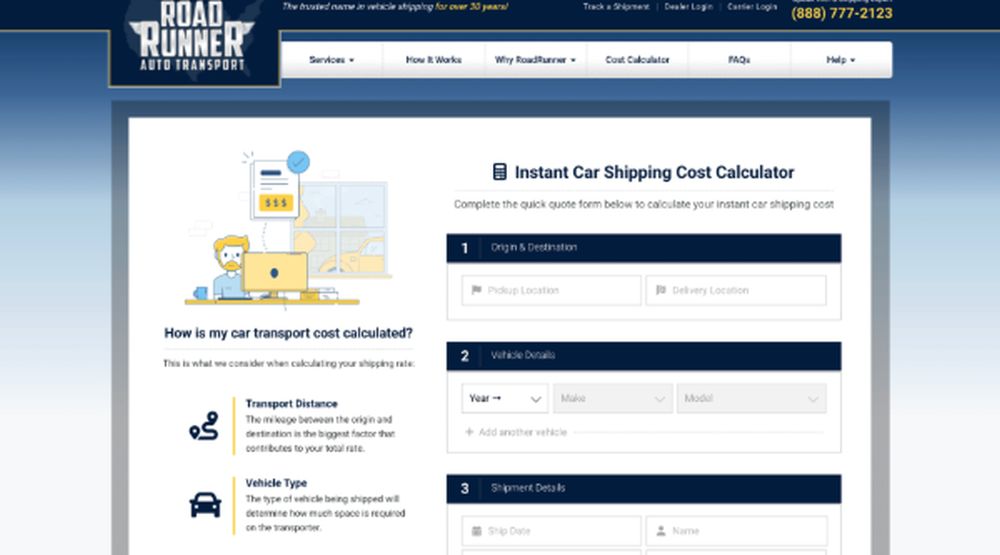
Not every online car shipping calculator or instant quote tool produces numbers you can trust.
Some generate lowball estimates to capture your contact information, then adjust upward once a broker actually checks carrier availability.
A few things help you filter signal from noise:
Pull quotes from at least three companies – one national carrier, one mid-size regional provider, and one broker – then compare not just price but what’s included. Check whether the estimate covers door-to-door delivery, insurance, and any fuel surcharges. Ask about their cancellation and rescheduling policies, because flexibility has real value when plans change.
Read reviews on the FMCSA (Federal Motor Carrier Safety Administration) database and third-party sites like Trustpilot or the Better Business Bureau. A company’s quote means little if their on-time delivery rate or claims process is a mess.
Quick Tips for Timing Your Shipment
- Ship northbound in winter or southbound in summer to ride the cheaper reverse-flow routes.
- Book during shoulder months (March–May or September–October) when possible for the best rate-to-availability ratio.
- Lock in your booking three to four weeks out during peak season – two weeks minimum during off-peak.
- Compare quotes across at least three carriers, but weigh carrier reputation and insurance coverage alongside price.
- Ask specifically about estimated transit times, not just cost – a $100 savings means little if your vehicle arrives a week late.
- Request binding estimates during summer and winter when rate volatility is highest.
The Bottom Line on Seasonal Car Shipping
Timing a vehicle shipment strategically won’t cut your costs in half, but it can realistically save you $150 to $500, depending on the route, season, and how far ahead you plan.
The biggest mistake people make is treating car shipping as a last-minute logistics checkbox instead of something worth a bit of research and calendar flexibility.
The auto transport industry runs on supply and demand like any other freight market.
Once you understand the seasonal patterns behind carrier pricing – and know how to read a car shipping quote critically – you stop being the person who overpays in July and start being the one who ships smarter in April.