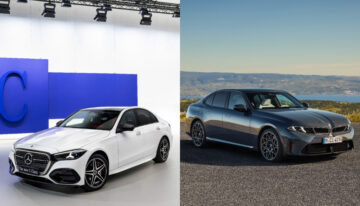
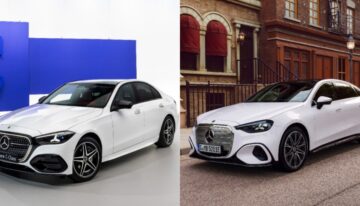
Choosing a reliable vehicle is one of the most important decisions any driver can make, especially when comparing two major automotive names like Mercedes-Benz and Ford. Both brands have strong reputations, but their engineering philosophies, maintenance needs, and long-term durability differ significantly.
If you’re exploring options at a Ford dealership Jacksonville, NC, understanding how Ford and Mercedes compare in real-world longevity will help you make a smarter, more confident decision. This in-depth guide breaks down reliability, maintenance, cost of ownership, and long-term performance to reveal which brand truly lasts longer.
Brand Foundations: Luxury Precision vs Everyday Strength
Mercedes-Benz and Ford stand on opposite ends of the automotive spectrum.
Mercedes-Benz: Built on Luxury Engineering
Mercedes is famous for pairing premium craftsmanship with advanced engineering. From high-quality materials to precision-built engines, the brand focuses on longevity—but at a cost. While Mercedes vehicles are designed to last many years, their luxury components often require more specialized care.
Ford: Practicality and Durability
Ford, on the other hand, prioritizes rugged reliability, affordable maintenance, and functional engineering. The brand’s decades-long success in trucks, SUVs, and daily-use vehicles speaks to its durability. Ford engines and components are engineered to withstand heavy use, making them ideal for long-term ownership without excessive upkeep.
Engine Reliability: Which Powertrains Go the Distance?
Mercedes Engine Reliability
Mercedes engines are known for their smoothness, sophisticated design, and high-performance capabilities. Their inline-six, V6, and AMG powertrains often last well over 200,000 miles with proper maintenance. However, because of the complexity of German engineering, even small issues can be expensive to repair—especially after warranty periods.
Common long-term concerns include:
- Oil leaks from gaskets
- Timing chain wear
- Electronic component failures
- Turbocharger issues in higher-performance models
These issues don’t happen to every Mercedes, but when they do, repairs can be costly.
Ford Engine Reliability
Ford engines are built for dependability and practicality. Many Ford models—especially trucks like the F-150—regularly cross 250,000 miles or more with proper care. Ford’s lineup includes EcoBoost turbo engines, naturally aspirated V6 engines, and the well-known 5.0L V8, all of which are designed for long-term durability.
Ford engines generally face:
- Fewer electronic failures
- Lower cost of replacement parts
- Easier maintenance accessibility
The result? Ford vehicles often stay reliable longer with less expensive upkeep compared to Mercedes.
Maintenance Costs and Ease of Repair
Reliability is not just about how long a vehicle lasts—it’s also about how much it costs to keep it running.
Mercedes Maintenance
Luxury vehicles naturally have higher maintenance demands. Mercedes parts, fluids, and diagnostic procedures are more complex, which means:
- Higher labor rates
- Specialized technicians required
- More expensive parts
- Strict maintenance schedules
Skipping or delaying maintenance can significantly affect longevity.
Ford Maintenance
Ford is built for affordability and simplicity. Maintenance tasks such as oil changes, brake replacements, and fluid services are cheaper and easier to complete. Parts are widely available, and thousands of local shops can service Ford vehicles without specialty tools.
This makes Ford cheaper to own—and easier to keep reliable—over many years.
Technology and Electronic System Reliability
Modern vehicles rely heavily on electronics, and long-term reliability often depends on how these systems age.
Mercedes Electronics
Mercedes is a leader in advanced technology, offering luxurious digital displays, AI-powered infotainment, and sophisticated safety systems. However, these advanced electronics can be prone to long-term issues such as:
- Sensor failures
- Infotainment glitches
- Electrical system faults
- Expensive software-related repairs
While the tech is impressive, it may impact long-term reliability when compared to simpler brands.
Ford Electronics
Ford’s technology tends to be more straightforward and user-friendly. While newer models now feature advanced infotainment like SYNC® 4, their systems generally face fewer long-term issues and are cheaper to diagnose and repair.
Less complexity often equals longer-lasting reliability.
Safety and Structural Durability
Mercedes Safety and Build Quality
Mercedes vehicles are known for strong structural engineering, making them extremely durable in terms of safety and crash performance. Their bodies, frames, and components are built to premium standards, which contributes positively to long-term durability.
Ford Safety and Build Strength
Ford also performs strongly in safety, especially in trucks and SUVs. The brand’s focus on rugged design—particularly in models like the F-150 and Explorer—means many Ford vehicles maintain structural integrity for well over a decade.
Longevity: Which Brand Really Lasts Longer?
When comparing long-term durability, the answer depends on two things: maintenance affordability and system complexity.
Mercedes Longevity
- Can last 200,000+ miles
- Requires consistent, high-quality maintenance
- Higher repair costs may limit long-term owners
- Complexity increases the risk of expensive issues over time
Mercedes vehicles have excellent potential longevity if owners keep up with advanced maintenance schedules.
Ford Longevity
- Can last 250,000+ miles, especially trucks and SUVs
- Lower maintenance costs encourage long-term ownership
- Simpler engineering reduces risk of major failures
- Parts and service are widely available
Overall, Ford tends to last longer for the average driver simply because the cost of ownership remains manageable over many years.
Resale Value and Long-Term Value Retention
Reliability impacts resale value, and this is another area where the brands differ.
Mercedes Resale Value
Mercedes-Benz enjoys strong resale value in early years thanks to brand prestige, but luxury maintenance costs often cause resale value to dip once warranty coverage ends.
Ford Resale Value
Ford vehicles—especially trucks—retain value extremely well. Models like the F-150 have some of the strongest resale value in the U.S., largely due to their reputation for durability and reliability.
Which Brand Should You Choose?
Choose Mercedes If You Want:
- Premium comfort and advanced engineering.
- Luxury technology and high-end materials.
- Smooth, refined performance.
- High prestige and brand status.
Choose Ford If You Want:
- Long-term reliability.
- Affordable maintenance.
- Strong durability, especially for trucks and SUVs.
- A practical, long-lasting daily driver.
Conclusion:
Both Mercedes and Ford build strong, reliable vehicles—but they serve different types of drivers. Mercedes delivers luxury engineering, but long-term ownership costs can be higher, making reliability dependent on consistent, premium maintenance. Ford, however, excels in practical durability, lower ownership costs, and long-term dependability, making it the more reliable choice for most everyday drivers.