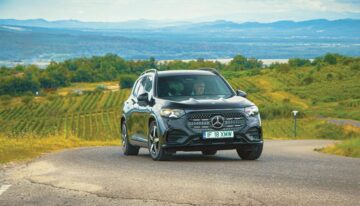
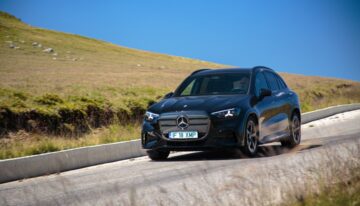
When it comes to elite automotive engineering, few rivalries are as compelling as Mercedes-Benz vs Porsche. Both brands represent the pinnacle of German craftsmanship, innovation, and prestige—but they approach performance from very different angles.
In this guide, we’ll break down how these two giants compare in performance, technology, driving dynamics, and overall ownership experience so you can decide which brand truly delivers more power behind the wheel.
If you’re maintaining or upgrading a high-performance vehicle, expert service matters—especially for specialized brands. For instance, Porsche repair Orange County can help ensure your vehicle continues to perform at its peak.
Brand Philosophy: Performance vs Luxury Balance
At the core of this comparison lies a fundamental difference in philosophy. Porsche has always been a performance-first brand, while Mercedes-Benz blends luxury with power.
Porsche’s roots are deeply embedded in motorsports, with legendary models like the 911 shaping its identity. The brand prioritizes driver engagement, precision handling, and track-ready dynamics. On the other hand, Mercedes-Benz has historically focused on comfort, refinement, and cutting-edge technology, later enhancing performance through divisions like AMG.
This philosophical divide sets the tone for how each brand approaches performance.
Engine Performance and Power Output
Both brands offer powerful engines, but they deliver performance differently. Mercedes-Benz vehicles often feature high horsepower figures, especially in AMG variants. In fact, in many base model comparisons, Mercedes-Benz produces higher horsepower outputs and better fuel efficiency.
However, Porsche takes a more refined approach. Instead of focusing solely on raw numbers, Porsche engineers prioritize balance, responsiveness, and acceleration efficiency. For example, the Porsche 911 Turbo S can achieve 0–60 mph in around 2.6 seconds, rivaling or outperforming many competitors with higher horsepower ratings.
This means that while Mercedes-Benz may win on paper in some cases, Porsche often delivers faster real-world performance.
Driving Dynamics and Handling
When discussing performance, handling and driving feel are just as important as speed—and this is where Porsche truly shines.
Porsche vehicles are designed with precision engineering that emphasizes steering feedback, chassis balance, and cornering ability. Features like rear-axle steering and adaptive suspension systems allow drivers to feel connected to the road at all times.
Mercedes-Benz, even in AMG models, tends to prioritize ride comfort alongside performance. While AMG vehicles are incredibly fast and capable, they often feel less “raw” and connected compared to Porsche sports cars.
In simple terms:
- Porsche = sharp, responsive, driver-focused
- Mercedes-Benz = smooth, powerful, comfort-oriented
For enthusiasts who value control and engagement, Porsche has a clear advantage.
Acceleration and Speed Capabilities
Acceleration is one area where both brands compete closely. High-performance Mercedes-AMG models deliver incredible straight-line speed thanks to turbocharged engines and hybrid systems.
However, Porsche consistently matches or exceeds these numbers through superior engineering and lighter vehicle weight. For example, hybrid performance models from both brands can reach 0–60 mph in just over 3 seconds, with Porsche often edging ahead slightly due to better power-to-weight ratios.
Porsche’s ability to translate power into usable speed—rather than just raw output—gives it an edge in real-world driving scenarios.
Motorsport Heritage and Influence
Porsche’s dominance in motorsports plays a huge role in its performance advantage. The brand has built its reputation on racing success, and that DNA is present in nearly every model it produces.
From endurance racing to track-focused engineering, Porsche continuously refines its vehicles based on real-world racing data. This results in cars that feel purpose-built for performance.
Mercedes-Benz also has a strong racing history, particularly in Formula 1, but its production vehicles lean more toward luxury refinement rather than track-ready aggression.
If performance is defined by racing pedigree, Porsche takes the lead.
Technology and Innovation
Both brands are leaders in automotive technology, but they use innovation differently.
Mercedes-Benz focuses heavily on luxury technology, offering features like advanced infotainment systems, ambient lighting, and driver-assistance tools designed to enhance comfort and convenience.
Porsche, meanwhile, integrates technology specifically to improve performance. Systems like Porsche Active Suspension Management and InnoDrive are designed to optimize handling, responsiveness, and driving precision rather than simply increasing comfort.
This distinction reinforces the idea that Porsche builds technology for drivers, while Mercedes-Benz builds technology for passengers.
Reliability and Long-Term Value
Performance isn’t just about speed—it’s also about consistency and long-term reliability.
Studies show that Porsche often ranks higher in reliability, quality, and value retention compared to Mercedes-Benz. Porsche vehicles also tend to depreciate more slowly, making them a stronger long-term investment.
Mercedes-Benz, while still a premium brand, can experience higher depreciation and maintenance variability depending on the model. However, it offers a wider range of vehicles at different price points, making it more accessible to a broader audience.
So, while Porsche may cost more upfront, it often delivers better long-term performance value.
Model Variety and Accessibility
Mercedes-Benz offers a significantly larger lineup, including sedans, SUVs, coupes, and electric vehicles. This variety allows buyers to find a performance-oriented vehicle at different price levels.
Porsche’s lineup is more focused and exclusive, with fewer models but a stronger emphasis on performance across the board. Every Porsche vehicle, whether it’s an SUV like the Cayenne or a sports car like the 911, is engineered with performance in mind.
If you want variety and flexibility, Mercedes-Benz is the better choice. If you want a focused performance experience, Porsche stands out.
Everyday Usability vs Track Performance
Another key factor in this comparison is how each brand performs in everyday driving conditions.
Mercedes-Benz excels in daily usability. Its vehicles are designed for comfort, quietness, and smooth driving, making them ideal for long commutes and city driving.
Porsche, while still comfortable, prioritizes performance even in everyday models. This means a firmer ride and a more engaged driving experience, which may not appeal to all drivers.
Ultimately:
- Mercedes-Benz is better for daily comfort
- Porsche is better for driving excitement
Electric Performance: The Future of Speed
As the automotive world shifts toward electrification, both brands are adapting quickly.
Porsche’s Taycan has set benchmarks for electric performance, offering rapid acceleration, precise handling, and advanced battery technology. Mercedes-Benz counters with models like the EQS, which focuses more on luxury and efficiency.
Even in the electric era, the same pattern holds:
- Porsche prioritizes performance
- Mercedes-Benz prioritizes comfort and innovation
Which Brand Offers Better Performance?
So, which brand truly offers better performance?
If your definition of performance includes handling, driver engagement, and track capability, Porsche is the clear winner. Its vehicles are engineered to deliver a thrilling, connected driving experience that few brands can match.
However, if you value a balance of power, luxury, and everyday usability, Mercedes-Benz offers a compelling alternative. Its AMG models deliver impressive speed while maintaining the comfort and refinement the brand is known for.
Conclusion
The battle between Mercedes-Benz and Porsche ultimately comes down to what “performance” means to you.
Porsche dominates in pure driving dynamics, precision engineering, and motorsport-inspired performance. It’s the brand for enthusiasts who crave control, responsiveness, and excitement behind the wheel.
Mercedes-Benz, on the other hand, excels in blending performance with luxury. It delivers powerful, technologically advanced vehicles that prioritize comfort without sacrificing speed.
In the end, neither brand is objectively “better”—they simply cater to different types of drivers. If you want adrenaline and connection, Porsche is the superior choice. If you prefer effortless power wrapped in luxury, Mercedes-Benz is hard to beat.