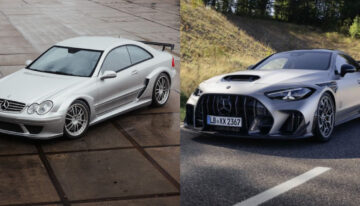
Modern vehicles demand more than just a smooth ride. Drivers expect comfort, control, and the ability to express personal style through their vehicles. Modern suspension design plays a central role in achieving these goals. It has progressed beyond basic shock absorption to systems that manage handling, stability, and aesthetics. Over the years, engineers have developed solutions that meet performance requirements while allowing vehicles to maintain a visually appealing stance. This balance between functionality and style has transformed the way suspension systems are created, tested, and refined.
The Changing Purpose of Suspension Systems
Suspension systems once served a simple role: to keep the vehicle stable and protect occupants from bumps. Early designs focused mainly on shock absorption and basic stability, with little attention to ride quality or handling precision. As vehicles became faster and roads more demanding, the expectations of suspension systems expanded. Modern suspension designs now address multiple factors simultaneously. Performance, comfort, and durability are all considered during the design process. Handling characteristics, cornering control, and braking efficiency are balanced with ride smoothness to meet diverse driving conditions. Even aesthetic considerations, such as vehicle height and stance, influence engineering decisions.
Innovation Through Performance Engineering
Advancements in materials and mechanical engineering have pushed suspension systems beyond their original limits. High-performance springs, adaptive dampers, and precision-engineered linkages allow vehicles to react dynamically to road conditions. Components are now lighter, stronger, and more responsive, which enhances overall vehicle performance. Engineers use extensive testing and simulation to predict how a suspension setup will behave in real-world conditions. This attention to detail ensures that suspension systems can provide improved handling without sacrificing ride comfort. Performance engineering has also led to innovations in tuning, enabling a wider range of setups suitable for different driving styles and road environments.
The Rise of Adjustable Suspension
Adjustable suspension systems have become increasingly popular in modern vehicles. These systems allow drivers to modify ride height, stiffness, and damping characteristics to match their preferences. Coilover assemblies, air suspension kits, and other adjustable setups provide flexibility previously unavailable in standard suspensions. This adjustability has practical benefits beyond personal preference. It allows for optimized performance during spirited driving or track conditions while maintaining comfort for everyday commuting. Adjustable suspension also contributes to vehicle style by allowing changes in stance that complement aesthetic goals. This level of control demonstrates how modern suspension design can simultaneously meet functional and visual objectives.
Design and Aesthetics in Modern Vehicles
Modern suspension design considers more than mechanical function. Vehicle appearance and driver expression are increasingly important factors. Suspension systems influence ride height, wheel alignment, and overall vehicle posture, which affect both style and aerodynamics. Engineers must balance these visual elements with safety and performance requirements. This integration of aesthetics and functionality reflects broader trends in automotive design, where performance enhancements are carefully aligned with visual appeal. The result is a suspension system that does not compromise one goal for the other. Vehicles can maintain aggressive or refined stances without losing control, comfort, or safety.
Material Advances and Durability
Material science has transformed the capabilities of suspension systems. Lightweight alloys and high-strength steel have allowed components to endure greater stress while reducing overall vehicle weight. These materials improve durability and performance while contributing to more precise handling characteristics. Modern coatings and surface treatments also enhance resistance to wear and corrosion, which extends the lifespan of suspension components. By carefully selecting and engineering materials, modern suspension designs can deliver long-term performance without frequent maintenance. This approach reflects the shift toward creating systems that meet the demands of both driving performance and visual presentation.
Integration with Vehicle Technology
Suspension systems now interact with a range of vehicle technologies to enhance performance and safety. Electronic stability systems, traction control, and adaptive damping systems work in conjunction with mechanical components to optimize handling. Sensors monitor vehicle behavior and adjust suspension response in real-time, creating a smoother and more controlled ride. These integrations illustrate how modern suspension design is not just about springs and shocks but also about the coordination of multiple systems to achieve consistent performance. This holistic approach ensures that vehicles can perform optimally in diverse driving scenarios without compromising safety or comfort.
Performance Customization and User Control
Modern suspension designs provide users with more control over their vehicle experience than ever before. Drivers can fine-tune stiffness, damping, and ride height to suit individual preferences or driving conditions. Customization allows for performance optimization while preserving comfort and reliability. Vehicles equipped with adjustable systems cater to a wide range of drivers, from enthusiasts seeking track-ready handling to those prioritizing daily driving comfort. This adaptability highlights the evolution from static suspension designs to dynamic systems that can be tailored for multiple objectives, demonstrating the balance of performance and style in contemporary engineering.
Impact on Vehicle Handling and Safety
Suspension design has a direct effect on vehicle handling and safety. Properly engineered systems improve braking response, cornering stability, and overall road contact. These benefits are not limited to high-performance vehicles. Everyday cars and trucks also rely on modern suspension systems to maintain control in emergency maneuvers or challenging road conditions. By integrating advanced components and precise tuning, designers reduce body roll, increase traction, and improve steering response. The result is a vehicle that is both enjoyable to drive and safer for occupants. This dual impact reinforces the importance of suspension design in both performance and everyday usability.
The Future of Suspension Technology
The evolution of suspension systems continues as technology advances. New materials, more intelligent electronic controls, and enhanced adjustable systems are expanding the possibilities for vehicle performance and aesthetics. Future designs may include active suspension systems that adjust automatically to road conditions, driver inputs, and vehicle load. The goal will remain consistent: achieving the ideal combination of comfort, handling, and style. Engineers will continue to push boundaries, finding innovative ways to integrate mechanical design with electronic assistance while keeping vehicles visually appealing. Modern suspension design will evolve alongside vehicle trends, reflecting both technical innovation and changing consumer expectations.
Modern suspension design represents a careful balance of performance, style, and comfort. The result is a more enjoyable, safe, and controlled ride across a range of driving scenarios. As vehicles continue to evolve, suspension systems will remain central to achieving harmony between how a vehicle feels, handles, and looks on the road.