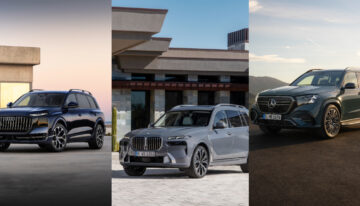
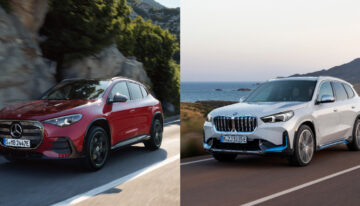
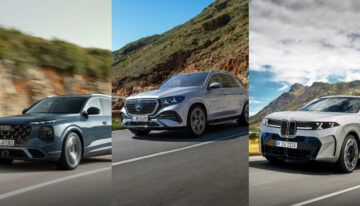
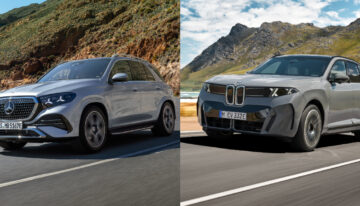
Nearly 90 percent of consumers say quality video influences their trust in a brand, according to Wyzowl. When you are shopping for a car, you are not just reading specs. You are watching walk-throughs, scrolling photos, and imagining yourself behind the wheel.
Car brands know attention spans are short and competition is fierce. Visual content has become their most powerful tool for stopping the scroll and starting real engagement.
Using Short-Form Video to Capture Attention Fast
Short-form video dominates social feeds, and automotive marketers are leaning into it. According to research by Novaon Digital, video content can significantly increase purchase intent and conversions across industries.
For you as a viewer, a 30-second clip might be the reason you click “learn more.” Quick test-drive highlights, feature spotlights, and side-by-side comparisons make it easy to understand value without reading a long description.
Making Features Feel Real in Seconds
When buyers research advanced features, they are often comparing multiple models at once. A spec sheet may list adaptive cruise control, but a short video showing the car adjusting speed in real traffic makes the feature easier to understand.
Watching it respond in real time builds clarity and confidence much faster than text alone. Movement, sound, and real-world context help you picture daily use, which increases the chance you will engage with the brand’s page.
Creating Scroll-Stopping Photography for Social Media
High-quality photos remain a core part of automotive marketing. Sharp lighting, bold colors, and dramatic angles turn a simple vehicle shot into a share-worthy image.
Visual content consistently outperforms text-only posts in engagement and conversion rates. When your feed is packed with updates, a striking image is more likely to make you pause.
Designing for a Mobile-First Audience
Most social browsing happens on phones. Vertical framing, tight crops, and close-up detail shots are now standard.
Car brands design visuals specifically for small screens. Clean backgrounds and clear focal points help you absorb the message in seconds, even while multitasking.
Encouraging User-Generated Visual Content
People trust people. That idea drives many automotive social campaigns built around customer photos and videos.
User-generated content increases authenticity and often boosts interaction. Seeing real drivers share road trips, customizations, and daily commutes makes the experience relatable instead of staged.
Car brands often encourage participation through simple prompts like:
- Share your weekend drive with our hashtag
- Post your custom interior setup
- Tag us in your scenic road trip photo
Those small actions create a steady stream of visual proof that real people enjoy the product. Engagement rises because audiences feel included, not marketed to.
Turning Complex Data Into Simple Visual Stories
Cars come with layers of technical information. Engines, safety systems, and performance metrics can overwhelm even interested buyers.
Smart brands transform complicated data into easy-to-read visuals. Infographics, animated explainers, and interactive sliders break down features into digestible pieces.
Digital-first automotive strategies rely heavily on storytelling and interactive content to hold consumer attention. Clear visual storytelling keeps you engaged longer and reduces confusion during the research phase.
Repurposing Visual Assets Across Platforms
One photo shoot can fuel weeks of content. A single high-resolution image might appear on a website banner, in an email campaign, and across multiple social posts.
For example, a short animated clip created for social media might need to be repurposed as a static image for a website header or digital ad.
However, repurposing visual assets isn’t always seamless. Animated files like GIFs don’t perform well in every placement—especially in website headers, email campaigns, or ad creatives where static formats are required. This creates friction when teams need consistent visuals across multiple channels. In such cases, using a gif to png converter tool to convert animated files into static images using Canva helps maintain clarity while making assets more versatile and platform-ready.
Planning for shifts early on makes it easier to reuse creative assets without starting from scratch. And flexible formats allow brands to stay consistent while tailoring visuals to each channel.
Building Immersive Experiences With Interactive Media
Static images and short videos are just the start. Many automotive marketers now experiment with immersive content to deepen engagement.
Interactive elements like virtual tours and augmented features can significantly increase time spent on automotive websites. Longer sessions often mean stronger interest and a higher chance of taking the next step.
Virtual Walk-Throughs and 360 Views
A 360-degree interior tour lets you explore the dashboard and seating layout without stepping into a showroom. Rotating views and clickable hotspots make the experience feel hands-on.
Interactive visuals answer questions before you even think to ask them. When you can explore at your own pace, you feel more confident and more connected to the brand.
Driving Stronger Results With Visual Content
Car shopping is emotional as much as it is practical. Visual content bridges the gap between research and imagination.
Short-form videos spark curiosity. High-quality photography builds desire. User-generated posts create trust. Interactive visuals increase confidence.
When those elements work together, engagement stops being a vanity metric. It becomes a meaningful interaction that moves you closer to booking a test drive or requesting more details.
If you are refining how your brand uses visual content, explore practical creative tools and adaptable formats that simplify production. And if this article has been helpful, explore our other related content.