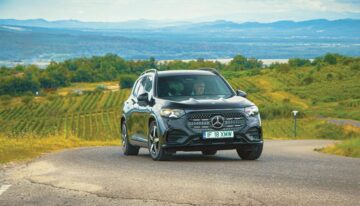
Remaining a pivotal entry point for many aspirational buyers, the Mercedes-Benz A-Class leads into the luxury automotive segment. This premium hatchback blends sophisticated aesthetics with a compact footprint, catering to urban professionals who prioritize brand prestige.
Exercising diligence by carefully reviewing and checking various options is as vital when choosing a car as it is in other spheres of life. For instance, gamers seeking to acquire Dota 2 skins often evaluate different trading platforms to secure the best bargains. This meticulous approach ensures that consumers maximize the value of their investments, whether they are purchasing a physical vehicle or a digital asset.
Performance and Engine Options
The A-Class offers a variety of turbocharged powerplants designed to balance fuel efficiency with responsive acceleration. Mercedes-Benz engineers have tuned the suspension to deliver a composed ride that feels stable at highway speeds.
Entry-Level Powertrains
The A180 and A200 models utilize a 1.3-liter four-cylinder engine developed in collaboration with Renault. This unit provides sufficient torque for city driving while maintaining impressive fuel economy figures. Drivers can expect smooth gear changes from the standard seven-speed dual-clutch transmission.
High-Performance AMG Variants
The AMG A35 and A45 S models cater to enthusiasts who demand significant power and all-wheel-drive grip. These versions feature aggressive body styling and a stiffer suspension setup to handle increased cornering forces.
Several key hardware upgrades define the performance of these top-tier sports models:
- Hand-built 2.0-liter turbocharged engines
- Variable 4MATIC+ all-wheel-drive systems
- High-performance braking systems with painted calipers
- Speed-sensitive steering for enhanced feedback
- Performance-oriented exhaust systems with active flaps.
Plug-in Hybrid Efficiency
The A250e combines an electric motor with the gasoline engine to provide a silent electric-only range for commuting. This model appeals to company car drivers due to its low carbon dioxide emissions and favorable tax brackets. Charging the battery to eighty percent takes approximately 25 minutes using a fast-charging station.
Interior Quality and Technology
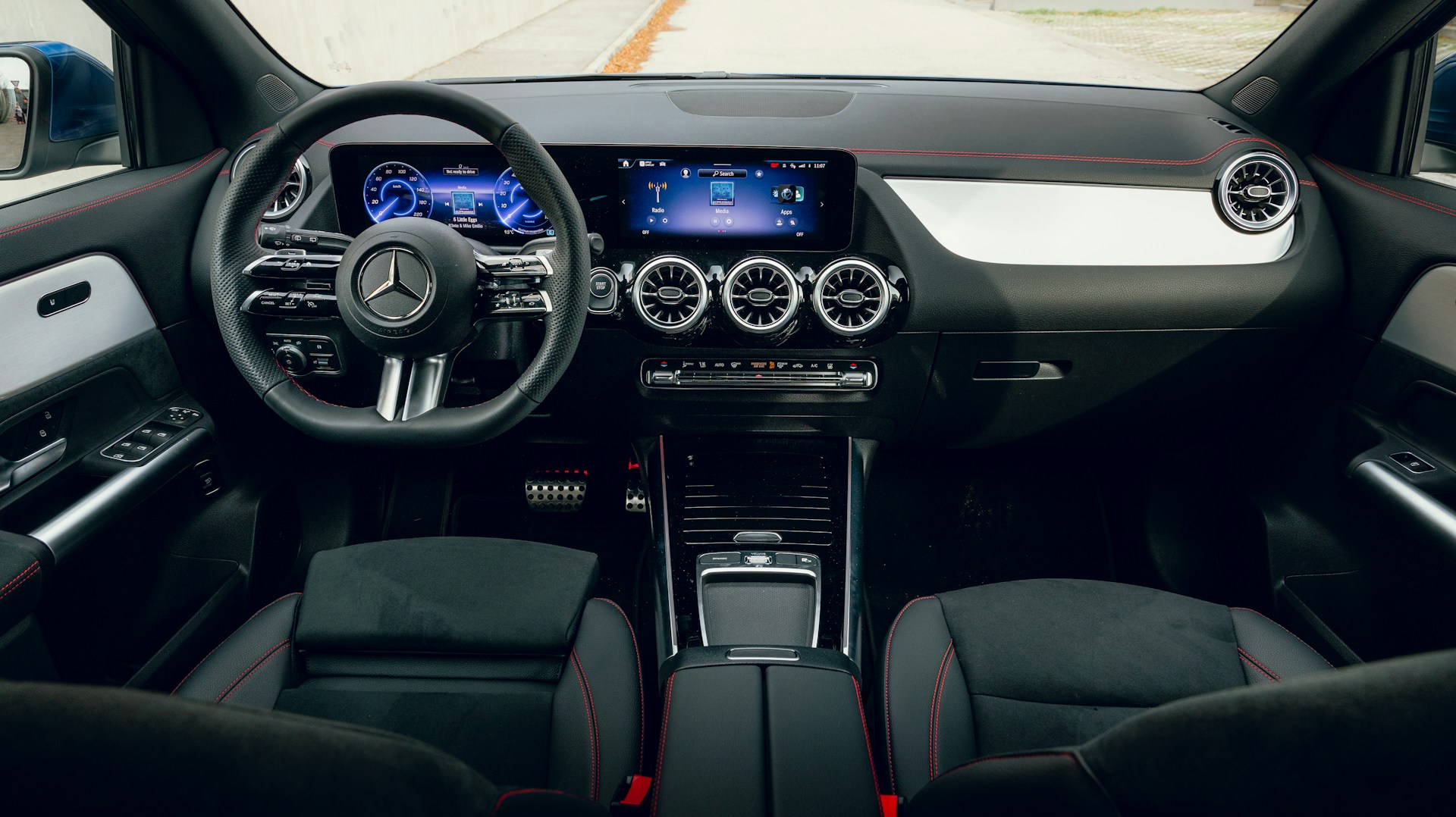
The cabin of the A-Class is often cited as the segment leader for its modern design and material selection. Ambient lighting and large digital displays create a futuristic atmosphere that mimics the more expensive S-Class flagship.
The MBUX Infotainment System
The Mercedes-Benz User Experience system utilizes artificial intelligence to learn the preferences of the driver over time. Natural language voice control allows occupants to adjust climate settings or media playback without taking their eyes off the road. The system responds to the command “Hey Mercedes” with high accuracy.
Cabin Comfort and Space
Front passengers enjoy ample legroom and supportive seating that prevents fatigue during long journeys. However, the sloping roofline and compact dimensions result in less space for those seated in the rear. Storage solutions within the cabin are thoughtfully placed to hold smartphones and drinks.
Safety Technology Features
Mercedes-Benz prioritizes occupant protection through a comprehensive suite of active and passive safety systems. Sensors around the vehicle monitor traffic conditions to intervene if a collision appears imminent.
The following electronic assistants work continuously to mitigate risks on the road:
- Active Brake Assist with pedestrian detection
- Lane Keeping Assist with steering intervention
- Attention Assist to monitor driver fatigue levels
- Speed Limit Assist using traffic sign recognition
- Blind Spot Assist for safer lane changes.
Comparing the Competition
The premium hatchback market is highly competitive, with the BMW 1 Series and Audi A3 serving as the primary rivals. Each manufacturer focuses on a specific driving philosophy to attract different types of motorists.
BMW 1 Series Contrast
The BMW 1 Series emphasizes driver engagement and a more traditional interior layout with physical buttons. The A-Class focuses on screen-based luxury, and the BMW provides a more intuitive ergonomic experience for traditionalists.
The rear-wheel-drive dynamics of older BMW models have been replaced by a front-wheel-drive platform similar to the Mercedes. This engineering change has improved interior space but altered the classic handling characteristics that enthusiasts previously adored.
Audi A3 Comparison
The Audi A3 offers a more understated design language and exceptional build quality that feels incredibly solid. It utilizes a more conventional touchscreen interface that some users find easier to use than the Mercedes trackpad.
Many buyers choose the Audi for its class-leading refinement and muted road noise at high speeds. The integration of the Virtual Cockpit provides a highly customizable instrument cluster that rivals the visual clarity of the Mercedes system.
Future Outlook
The A-Class continues to evolve as Mercedes-Benz shifts its focus toward an increasingly electric future. Current models provide a bridge between internal combustion tradition and the digital innovation required for modern mobility.
Manufacturers are now integrating more sustainable materials into the production process to reduce the environmental footprint of each vehicle. Future iterations will likely feature even more advanced semi-autonomous driving capabilities to improve convenience.
The automotive industry remains a field of rapid technological transformation and constant refinement. This ongoing evolution ensures that the A-Class remains a relevant and highly desirable option for the next generation of luxury car buyers.