Luxury used to mean something you could touch. Leather seats, a hand-stitched steering wheel, the satisfying click of a door closing on a well-built car. But the meaning of luxury has stretched far beyond physical products, and digital entertainment is right at the center of that shift.
If you’re a Mercedes-Benz enthusiast, you’ve probably noticed it already. The brand you love for its engineering precision is now making headlines for cloud gaming partnerships, esports sponsorships, and in-car streaming. And they’re not the only ones. The luxury world is going digital in ways nobody predicted a decade ago.
When High-End Meets High Score
There’s something fascinating about watching a 140-year-old automotive brand show up at a gaming convention. Yet that’s exactly what Mercedes-Benz did when it partnered with Boosteroid to bring over 1,000 PC games directly into its vehicles. Fortnite, Sea of Thieves, all playable on the MBUX infotainment screen while parked. It sounds surreal, but it makes total sense.
People spend a lot of time in and around their cars. Waiting for a meeting, parked at a charging station, killing time before school pickup. Mercedes figured, why not make that downtime feel premium too?
This blurring of boundaries between physical luxury and digital fun is showing up everywhere. Gucci built virtual rooms in Roblox where digital items sold for more than the real ones. Balenciaga designed outfits for Fortnite characters. Louis Vuitton crafted a custom travel case for a League of Legends trophy. These aren’t gimmicks. They’re strategic moves by brands that understand where their audience actually spends time.
The common thread here? Storytelling. Every one of these collaborations wraps the product inside an experience that feels personal and memorable. That same principle is reshaping digital entertainment far beyond fashion, and social gaming is a great example.
The social casino market alone was valued at over $8 billion in 2025, and it’s projected to cross $13 billion by 2031. Those numbers tell a clear story. Players aren’t just looking for a quick spin on a slot machine anymore. They want atmosphere, competition, and a sense of progression. The audience skews younger than you might expect too, with adults aged 25 to 44 making up more than 63% of the active player base.
Beyond fashion and automotive, social gaming has picked up on the same experience-design philosophy. BigPirate Social Casino wraps its library inside a full pirate adventure with island-building, raiding mechanics, and progression systems. Instead of generic slot lobbies, the platform, which runs on virtual currency rather than direct wagering, offers community challenges, tournaments, and a narrative-driven experience that emphasizes participation over transaction. It’s a different model of digital entertainment design, more focused on play than on conspicuous consumption.
Mercedes and the Esports Connection
Here’s a detail that still surprises people. Mercedes-Benz became Riot Games’ global mobility partner and the first automobile manufacturer to invest in an esports team. Not sponsor. Invest. That distinction matters.
Their involvement with League of Legends Esports grew into a multi-year commitment featuring championship rings, trophy ceremonies, and collaborations with SK Gaming. For a brand built on engineering heritage, stepping into competitive gaming was bold. But it connected Mercedes with a younger demographic that might not visit a dealership tomorrow, but will remember the brand when they’re ready.
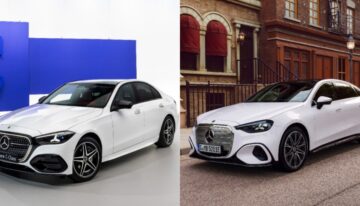
At CES 2026, Mercedes pushed further with IMAX Enhanced content through RIDEVU by Sony Pictures Entertainment, Spatial Audio with Dolby Atmos, and advanced video streaming in the new CLA. The car is becoming a mobile entertainment hub.
Why Luxury Brands Can’t Ignore Digital Anymore
The global games market hit nearly $197 billion in 2025, with mobile gaming alone accounting for over $108 billion. That’s a massive, engaged audience with high expectations for quality.
Luxury consumers, especially younger ones, don’t separate their physical and digital lives the way previous generations did. A person who drives an S-Class might also spend their evening in an online tournament or streaming content on a premium platform. These aren’t contradictory behaviors. They’re different expressions of the same desire for quality and exclusivity.
What Comes Next
The convergence is only accelerating. Smart glasses, AR experiences, AI-driven personalization. Mercedes is already partnering with NVIDIA on its next-generation MB.DRIVE platform. Luxury fashion houses are investing in virtual showrooms.
The question isn’t whether luxury and digital entertainment will keep merging. It’s how creatively brands can pull it off without losing what makes them special. A Mercedes should still feel like a Mercedes, whether you’re behind the wheel on the Autobahn or streaming a movie in the passenger seat. That balance between tradition and innovation is where the magic lives.