Choosing a vehicle is about more than comparing badges and features. Drivers in Lexington, Virginia, may have different priorities depending on whether they need a practical daily commuter, a capable truck, a family SUV, or a more refined luxury vehicle. Ford and Mercedes-Benz offer very different approaches to driving, so understanding those differences can make the decision easier.
If you are researching local options, a Ford Dealership In Lexington VA can provide an opportunity to explore Ford models and compare features in person.
Ford and Mercedes: Different Approaches to Driving
Ford offers a broad lineup designed for a wide range of drivers. Its current lineup includes trucks such as the F-150 and Super Duty, SUVs such as the Explorer and Expedition, compact vehicles such as the Maverick, and electric models including the F-150 Lightning and Mustang Mach-E.
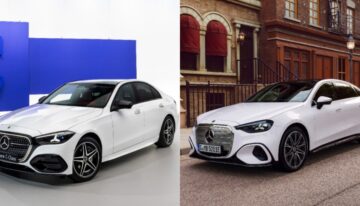
Mercedes-Benz generally focuses more heavily on luxury, refined driving characteristics, advanced technology, and premium interiors. Its lineup includes sedans, SUVs, performance vehicles, and electric models.
The difference means the right choice often depends on what you expect from your vehicle rather than simply which brand has more features.
When a Ford May Make More Sense
Ford can be a practical choice for drivers who want versatility. The brand has a particularly extensive selection of trucks and SUVs, making it possible to choose a vehicle around specific needs.
For example, the F-150 can suit drivers who regularly haul equipment, tow trailers, or need the flexibility of a full-size pickup. The Ranger provides a smaller truck option, while the Maverick offers a compact pickup format for drivers who want truck utility without moving to a full-size model.
SUV shoppers can consider models such as the Bronco, Bronco Sport, Explorer, and Expedition. These vehicles cover different sizes and purposes, from everyday transportation to larger family-oriented SUVs.
Ford also offers electrified choices, including the F-150 Lightning and Mustang Mach-E, as well as hybrid options in parts of its lineup.
When a Mercedes May Make More Sense
Mercedes-Benz may appeal to drivers who place greater emphasis on luxury, interior materials, technology, and a refined driving experience.
Mercedes vehicles often emphasize quiet cabins, premium finishes, sophisticated infotainment systems, and smooth road manners. For someone whose primary goal is a comfortable and upscale daily commute, these characteristics may carry significant weight.
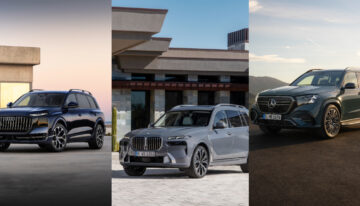
The brand also offers several SUV sizes, allowing buyers to consider different combinations of passenger space, cargo capacity, performance, and luxury.
A Mercedes can therefore be particularly appealing to drivers who prioritize the overall premium experience rather than truck capability or maximum utility.
Comparing Practicality and Utility
Practicality is one of the biggest areas where Ford and Mercedes can differ.
Ford’s truck lineup provides extensive choices for towing, hauling, work use, recreation, and outdoor activities. The current Lexington inventory includes multiple F-150 and Super Duty configurations, along with Ranger and other Ford models.
Mercedes-Benz does offer capable SUVs, but its lineup is generally more focused on combining utility with luxury and comfort.
For drivers who frequently transport tools, tow equipment, or use their vehicle for demanding work, a truck-oriented Ford may fit their needs more naturally. For drivers primarily transporting passengers and luggage, either brand can provide suitable SUV options depending on the specific model.
Comfort, Technology, and Interior Features
Both brands provide modern technology, but their priorities can differ.
Ford vehicles can combine practical cabin layouts with available driver-assistance technology, connectivity, and convenience features. Higher trims can also provide premium materials and additional comfort features.
Mercedes-Benz places particularly strong emphasis on luxury-oriented cabin design and technology. Higher-end models can offer sophisticated displays, premium seating materials, ambient lighting, and additional comfort features.
When comparing the two, it is useful to sit inside the specific vehicles you are considering. A brand-level comparison cannot replace experiencing the seating position, visibility, controls, cargo space, and technology of an individual model.
Considering Long-Term Ownership
Purchase price is only one part of vehicle ownership. Buyers should also consider insurance, fuel or charging costs, scheduled maintenance, tires, depreciation, and potential repair expenses.
Maintenance costs can vary substantially between individual models and model years. Luxury vehicles can include specialized components and technology, while larger trucks can have different service requirements because of their size and powertrains.
Before purchasing, Lexington drivers should review the recommended maintenance schedule and obtain insurance estimates for the specific vehicle they are considering.
Which Should Lexington Drivers Consider?
The choice between Ford and Mercedes-Benz ultimately depends on how the vehicle will be used.
A Ford may fit drivers who prioritize truck capability, broad SUV choices, practicality, towing, hauling, or a wide selection of powertrains. Mercedes-Benz may better match drivers who place greater emphasis on luxury appointments, premium technology, comfort, and a refined driving experience.
There is also no need to make the decision based solely on the brand. Comparing specific models in similar categories can provide a more useful picture. For example, a Ford Explorer and a Mercedes SUV may serve similar family transportation needs while offering different approaches to comfort, technology, space, and performance.
Conclusion
Ford and Mercedes-Benz serve different priorities, and Lexington drivers should consider how those priorities match their daily routines. Ford provides a broad selection of trucks, SUVs, cars, and electrified vehicles, while Mercedes-Benz emphasizes luxury, refinement, and premium features.
The best way to narrow the choice is to identify your most important requirements first—such as passenger space, towing capability, fuel economy, technology, comfort, or ownership costs—and then compare individual models and trims. Taking a test drive and reviewing the long-term costs of the specific vehicles can help you make a decision based on your actual driving needs.