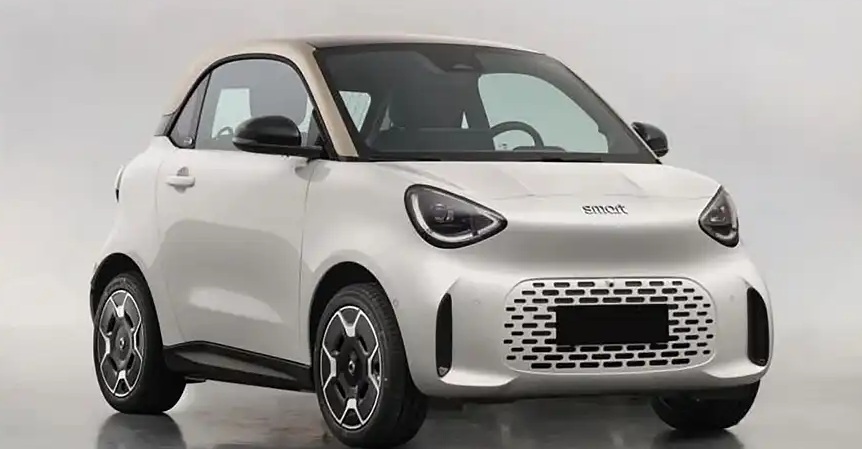
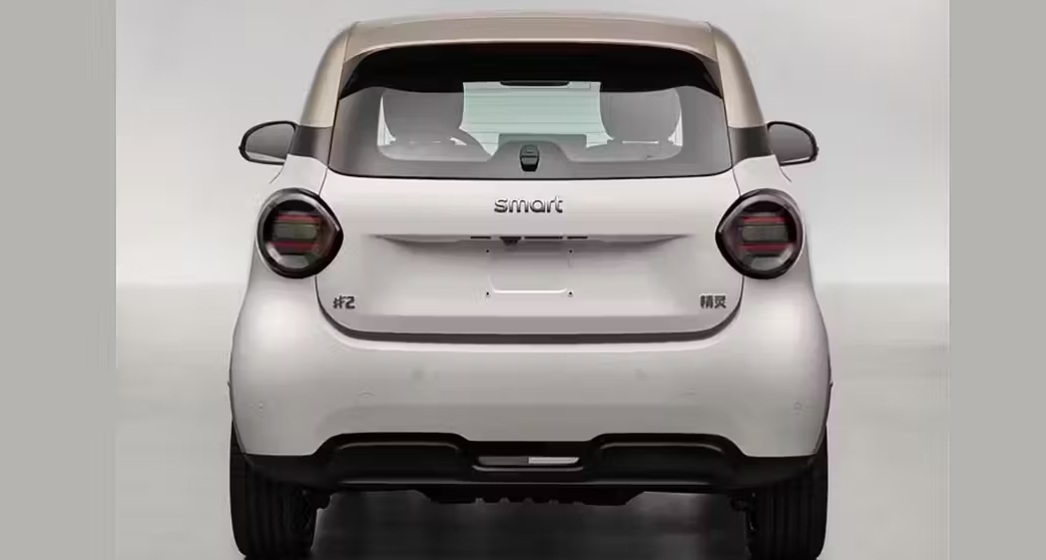
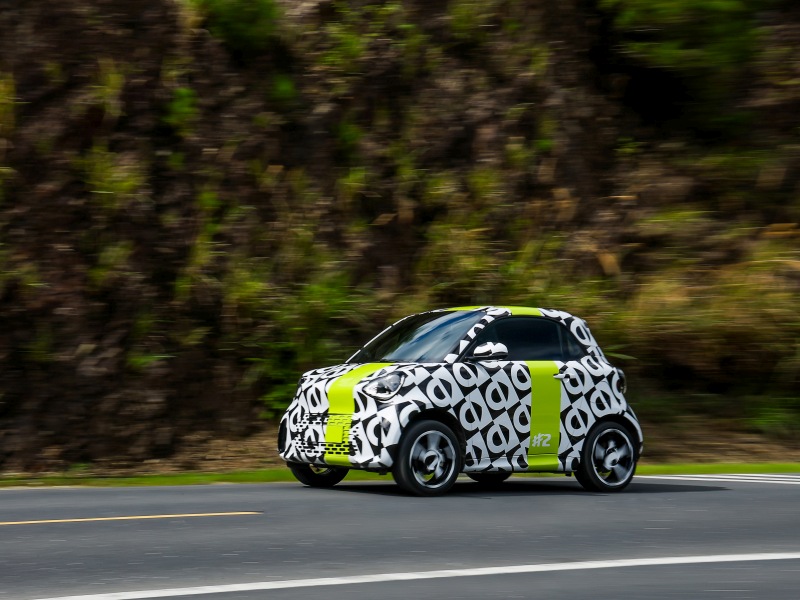
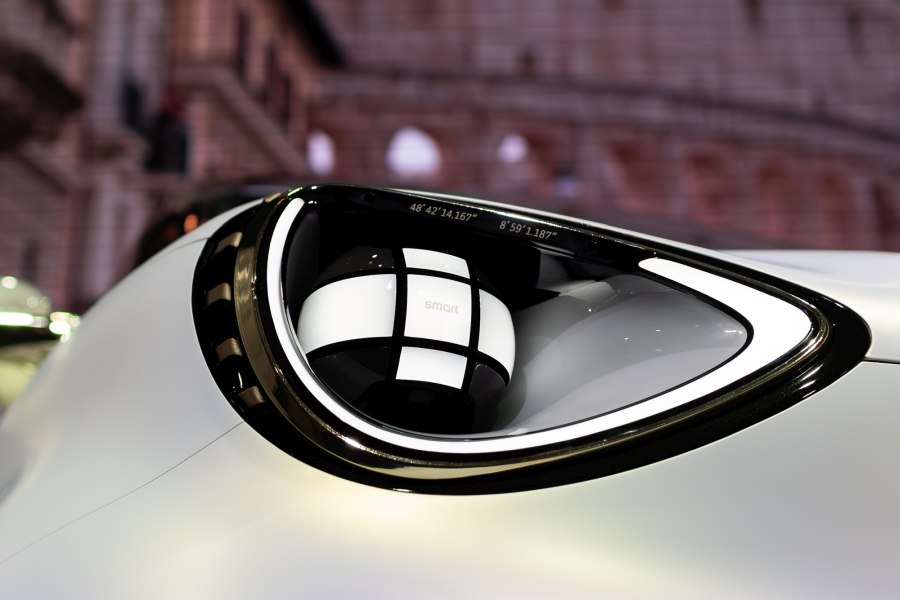
The successor to the Smart Fortwo, which essentially defined the Smart brand, will make its debut at the Paris Motor Show in October 2026 and go on sale in 2027. The first photos of the Smart #2 without camouflage have emerged from the archives of China’s Ministry of Industry and Information Technology (MIIT).
Photo: MIIT, Smart
The Smart #2, successor to the Smart Fortwo, will be unveiled at the Paris Motor Show in October 2026, produced in China and sold in Europe from 2027.
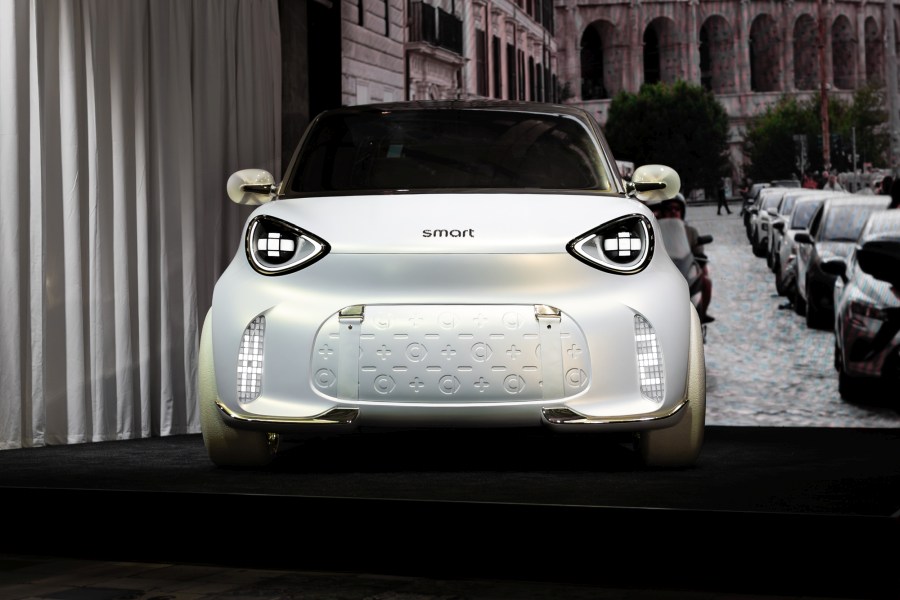
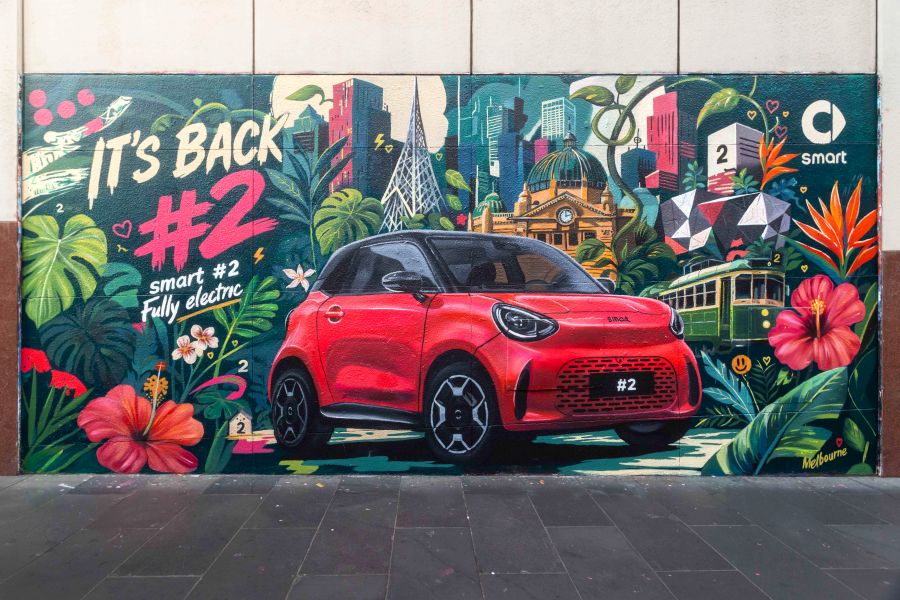
Smart has previously shown the model in several camouflaged photos and murals, but the first uncamouflaged images have now appeared in the archives of China’s Ministry of Industry and Information Technology (MIIT), where every new production model must be registered for homologation purposes.
Although the images and technical data refer to the Chinese-market version, it is unlikely that they will differ significantly from those of the European version.
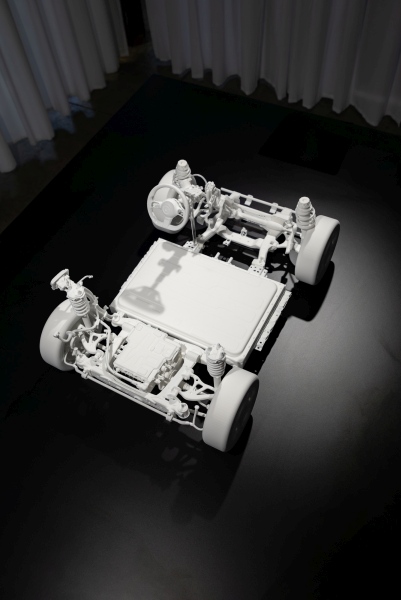
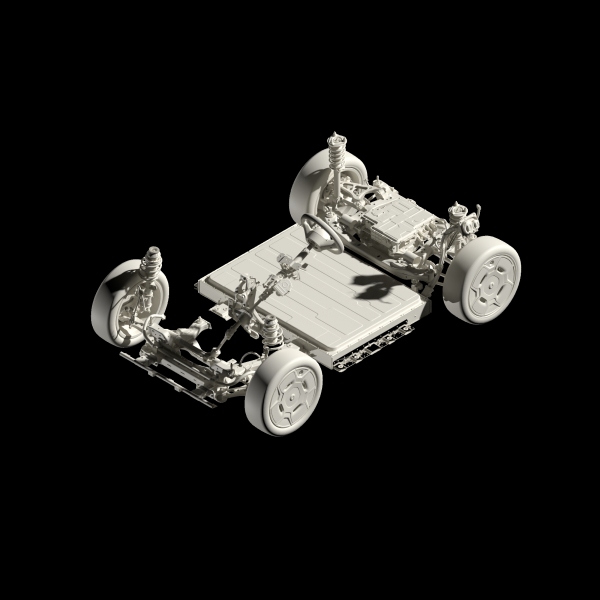
Built on the new ECA (Electric Compact Architecture) platform, the Smart #2 will be 2.76 metres long, 1.67 metres wide and 1.56 metres high, while its 1.875-metre wheelbase is identical to that of the previous generation. We therefore expect a similar amount of interior space, although the car’s weight has increased substantially because a much larger battery is hidden beneath the floor.
The Smart #2 will be equipped with a 35.7 kWh LFP battery supplied by CATL, more than twice the capacity of the previous generation’s 17.6 kWh gross battery (16.7 kWh net). As a result, the new Smart #2 weighs 1,130 kg, compared with 1,095 kg for the previous generation. Unfortunately, the increase in weight has led to a reduction in payload, from 300 kg to just 185 kg.
However, the new 35.7 kWh battery gives the Smart #2 a much greater range of 300 km WLTP, compared with just 132 km WLTP previously. The new-generation Smart #2 therefore offers two and a half times the range of its predecessor.
The Smart #2 is powered by an electric motor mounted on the rear axle, producing the same 60 kW (82 PS) as the previous generation, while top speed remains unchanged at 130 kph.
Smart has not provided details of the charging power, but promises that the battery can be charged from 10 to 80% at DC fast-charging stations in 20 minutes. AC charging at up to 11 kW will also be available. The previous generation could not be charged at DC stations and supported only AC charging at up to 22 kW.
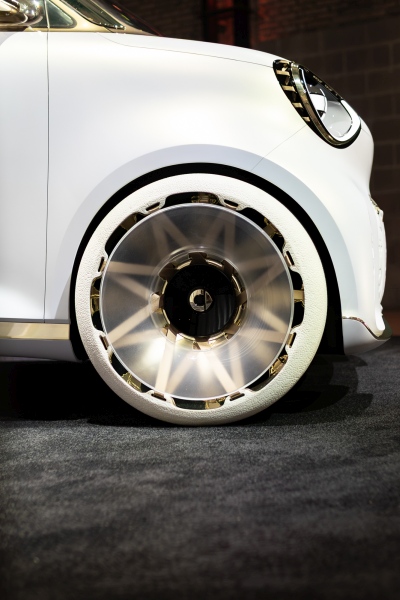
The Smart #2 will be available with 15- or 16-inch wheels fitted with 165/65 R15 and 185/60 R15 tyres, or 185/50 R16 and 205/45 R16 tyres, respectively.
As with the previous generation, there will also be a cabrio version, although it appears that it will no longer feature a fabric roof. Instead, it is expected to have some form of hardtop, although its exact configuration is not yet clear.
The estimated European price is around €22,000, approximately €2,000 more than the Renault Twingo, which has a similar electric motor but a smaller 27.5 kWh battery and a slightly lower range of 263 km WLTP.
The two models, however, no longer have anything in common, unlike the previous generation. The new Renault Twingo will continue to be built at Renault’s plant in Novo Mesto, Slovenia, alongside the new Dacia Spring, which will make its debut in September 2026.