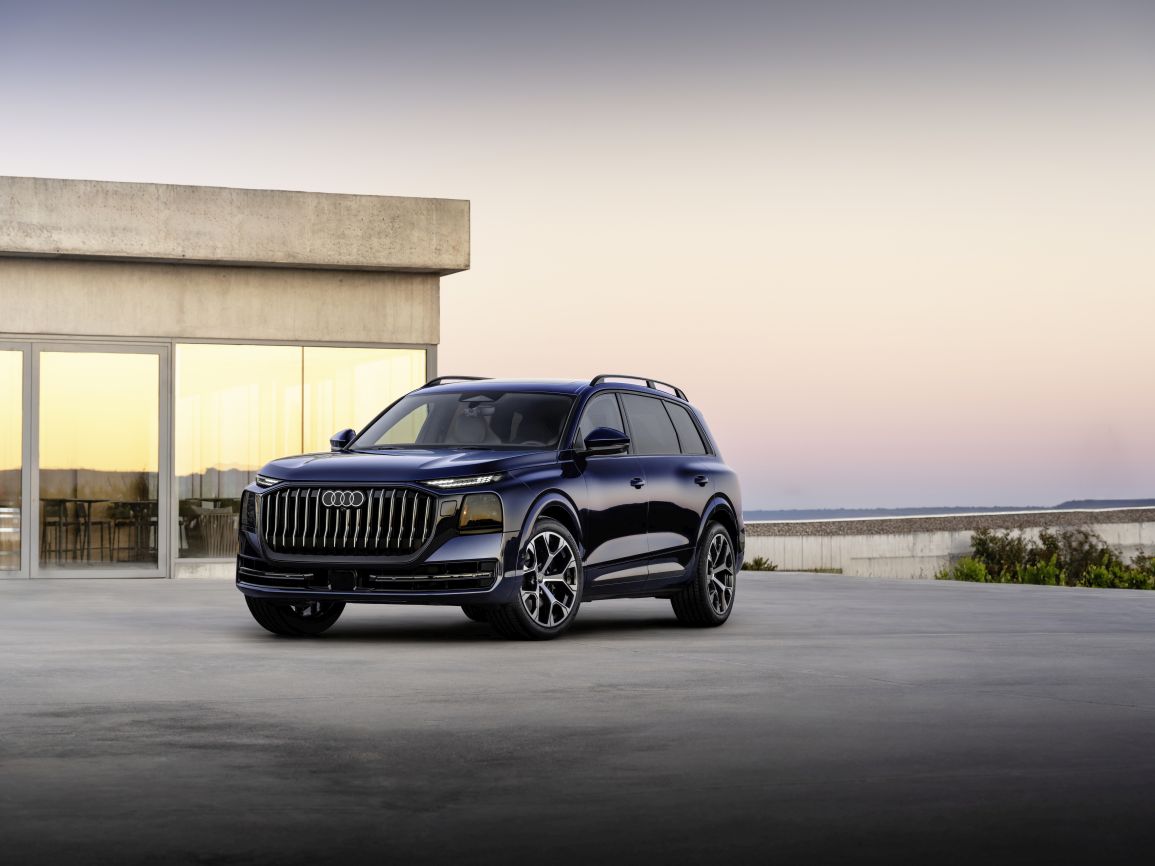
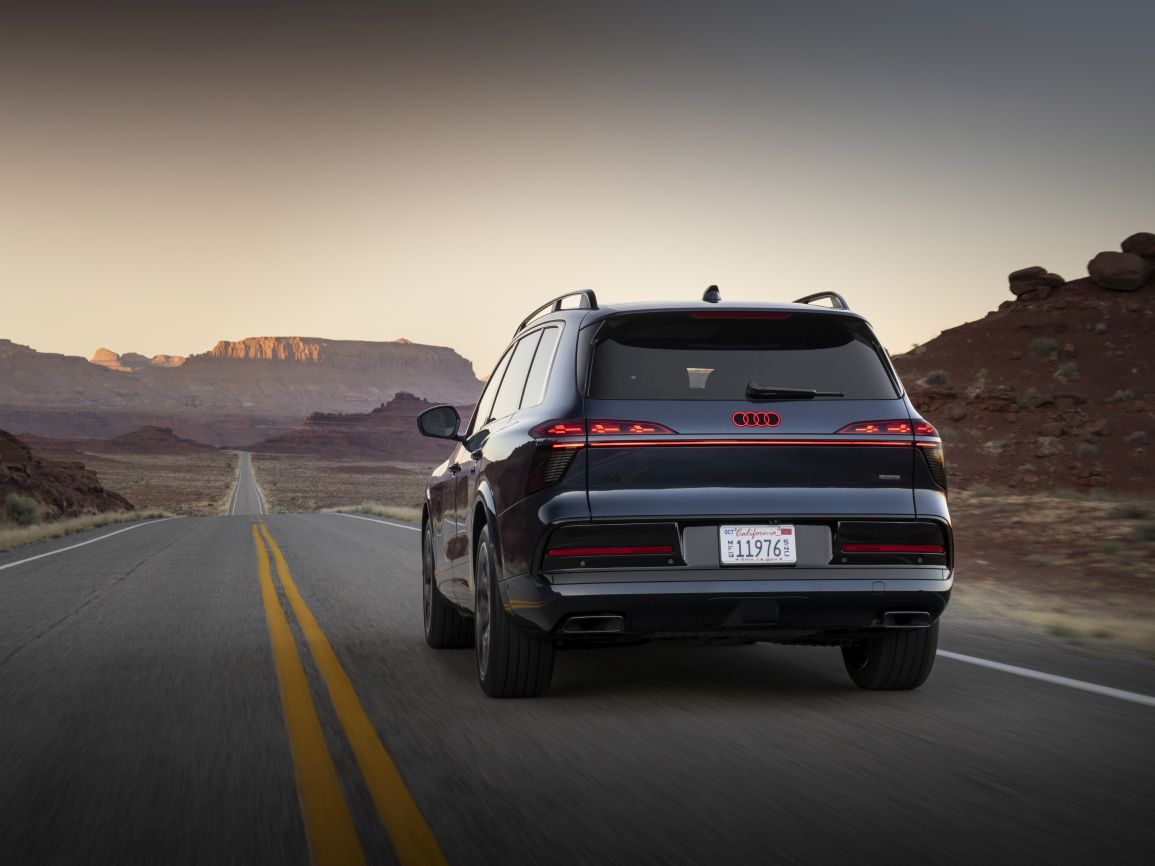
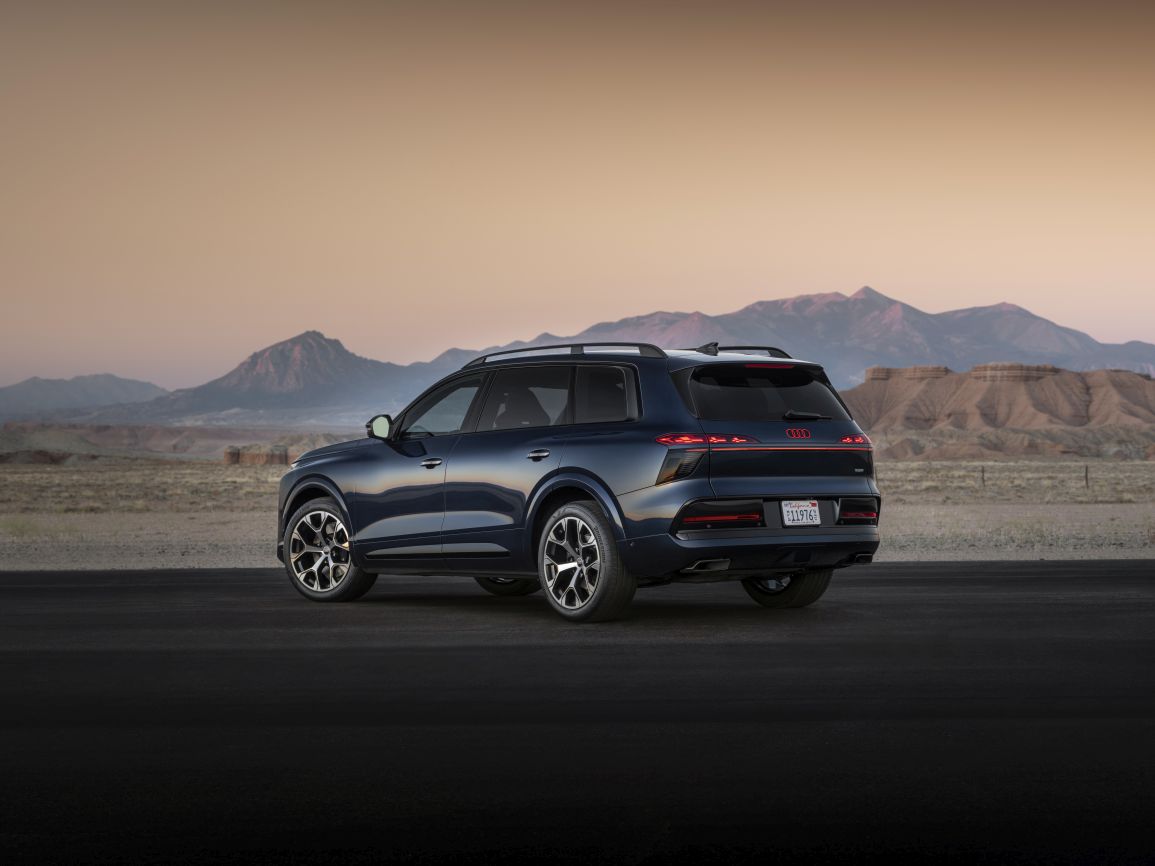
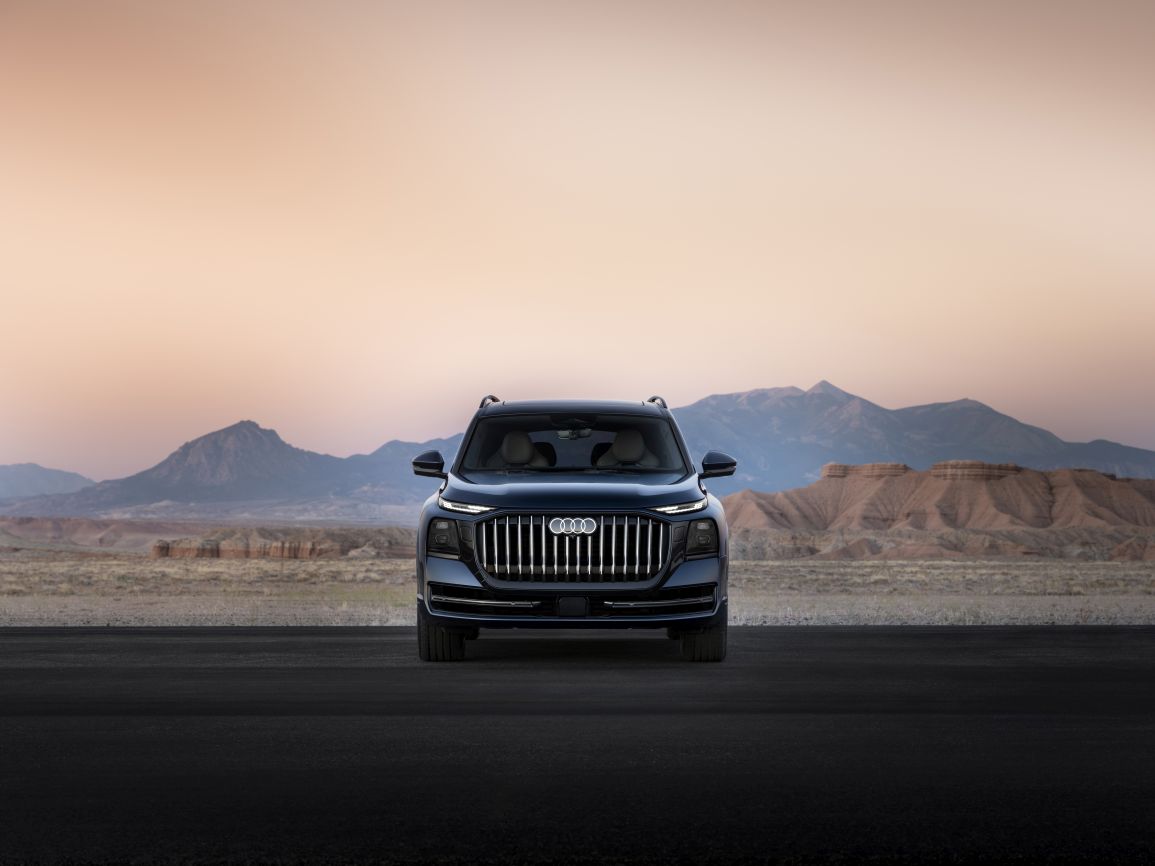
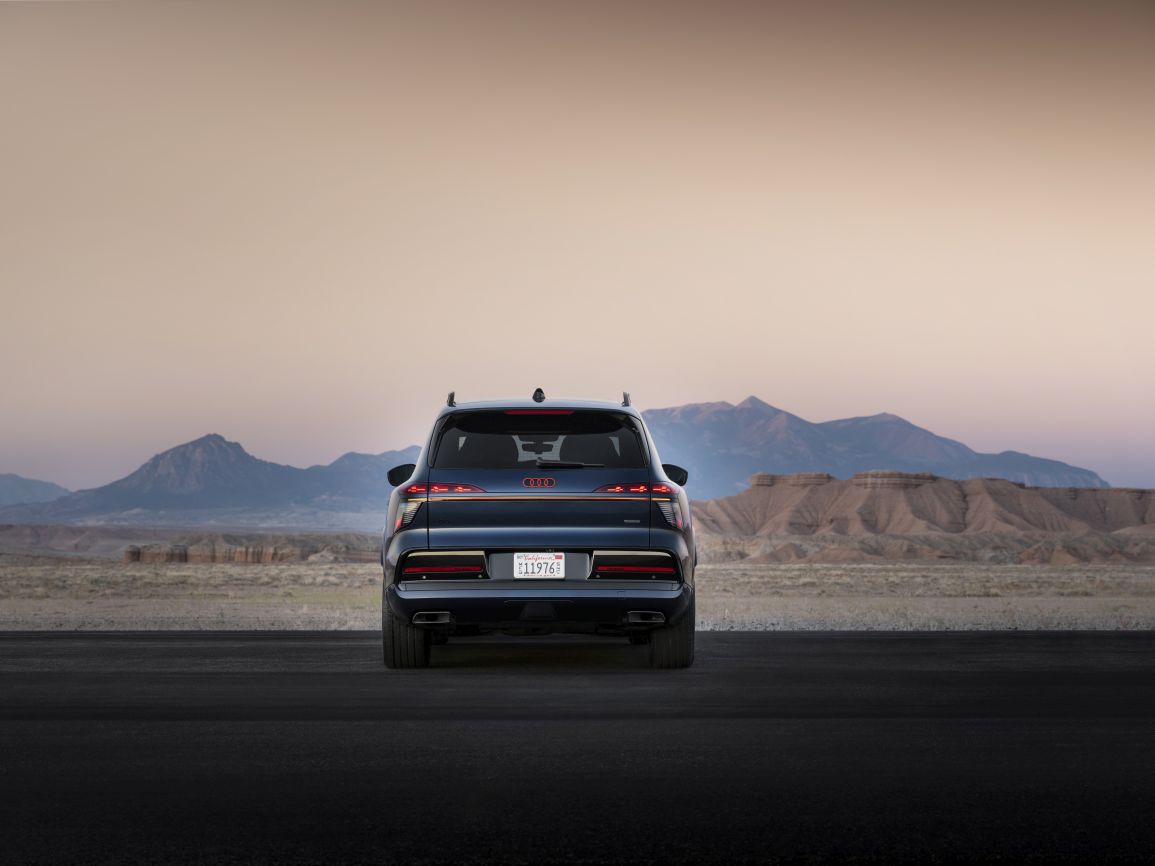
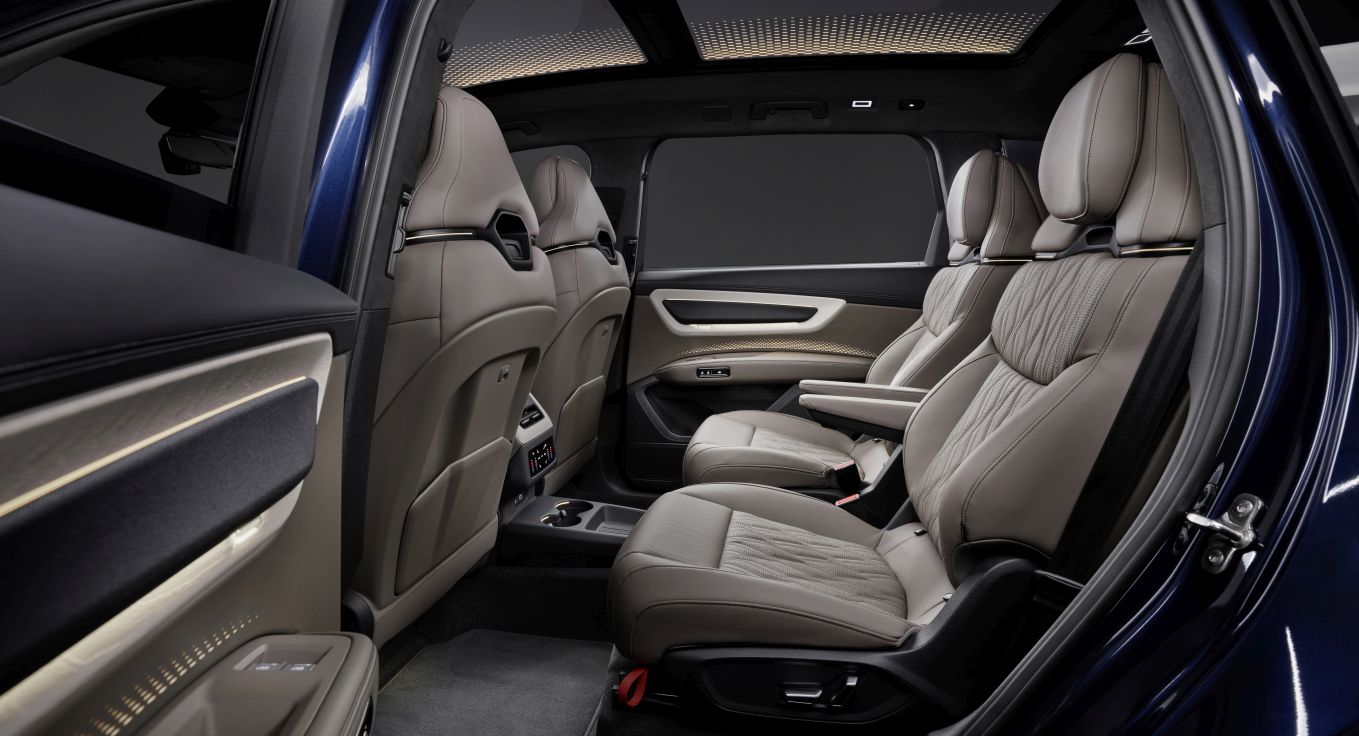
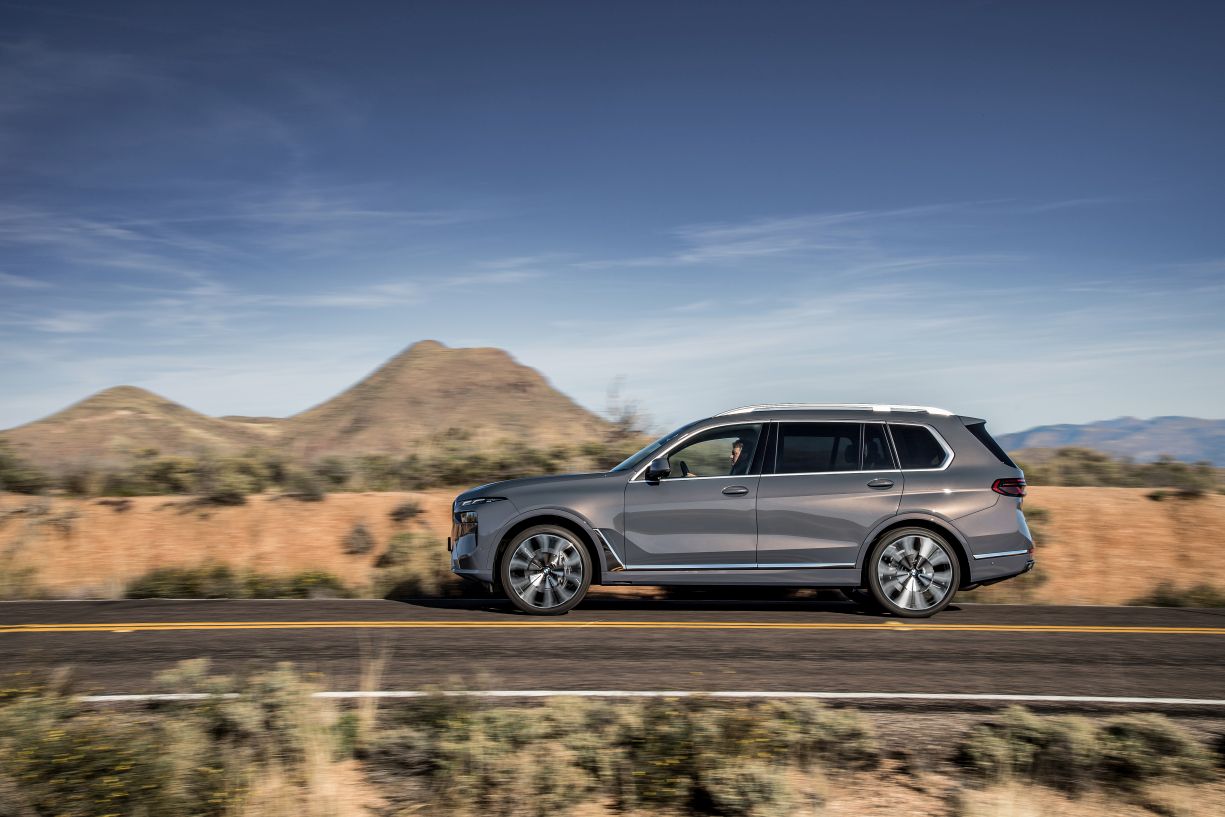
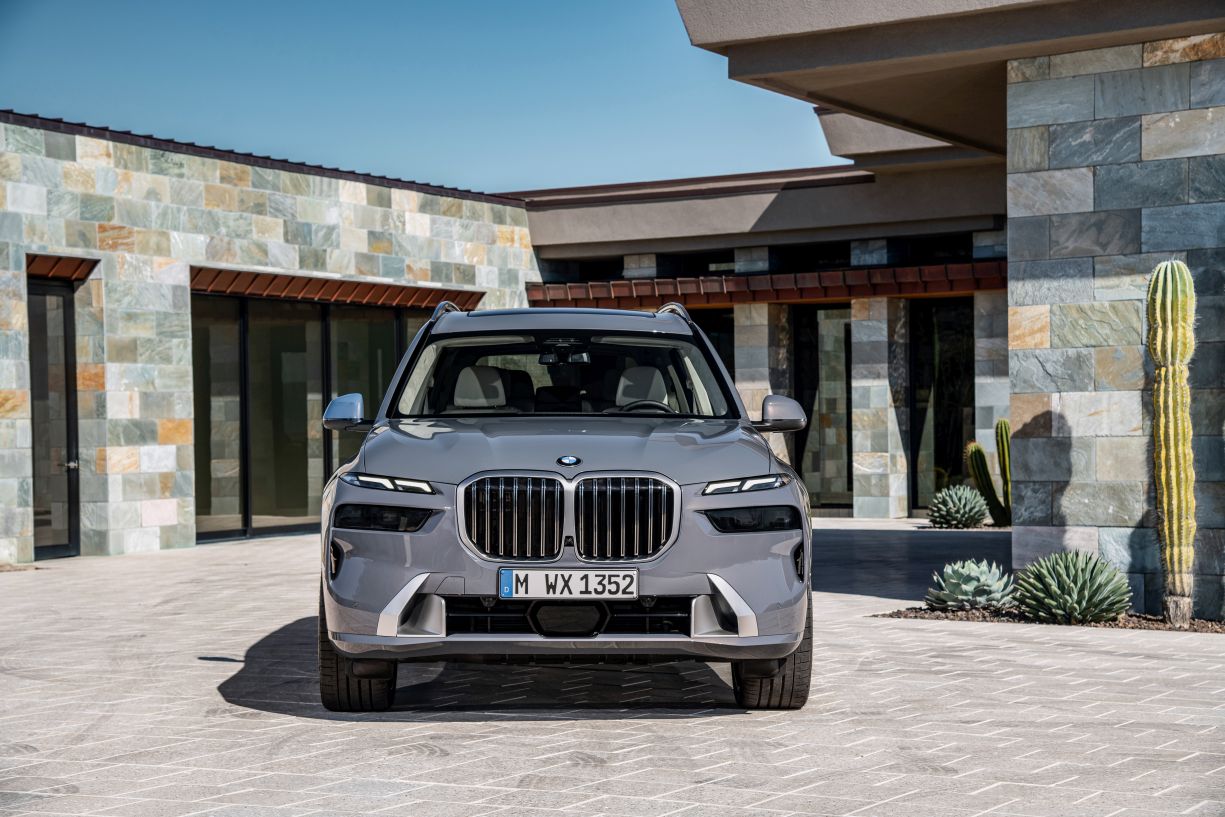
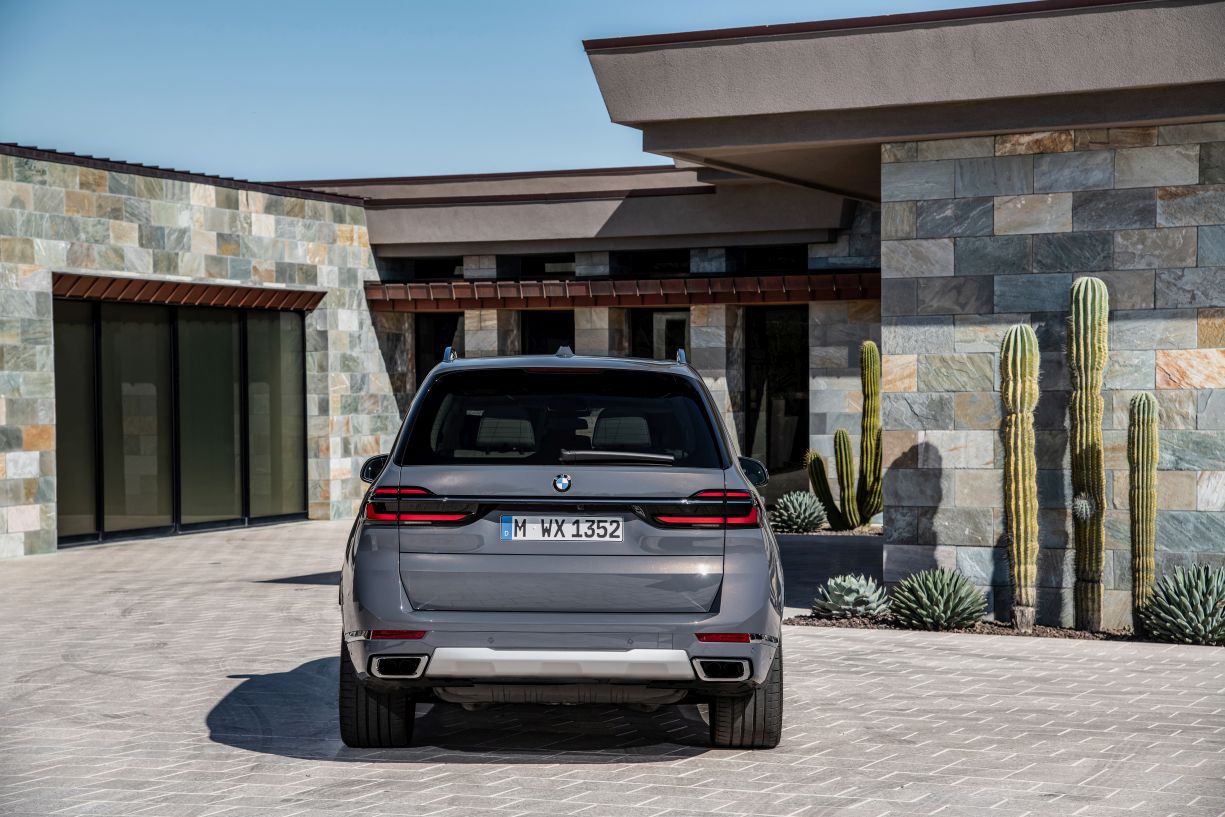
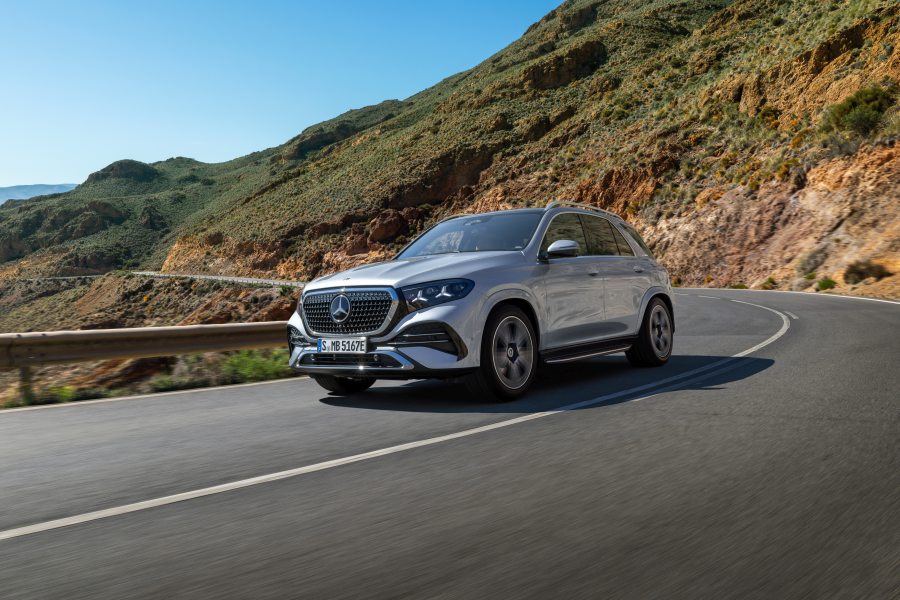
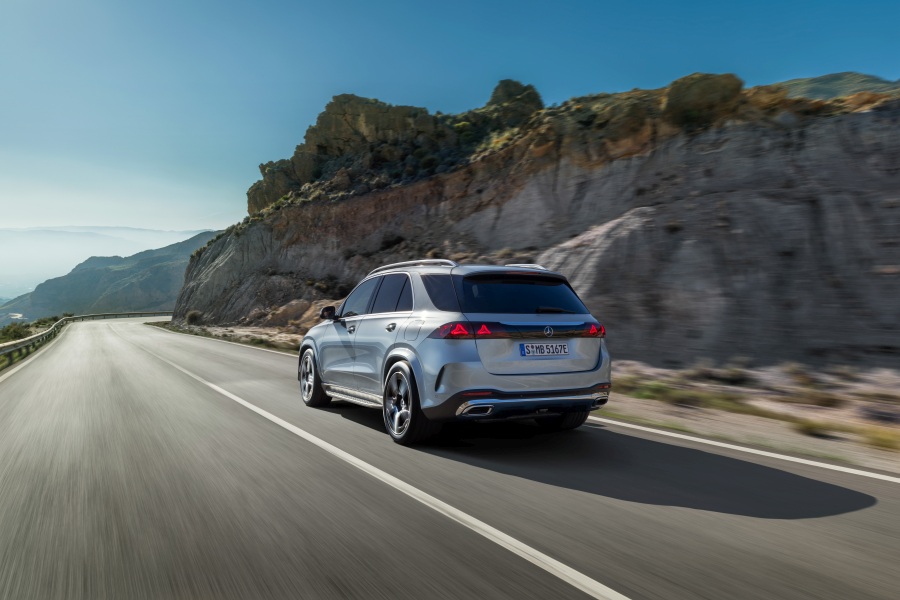
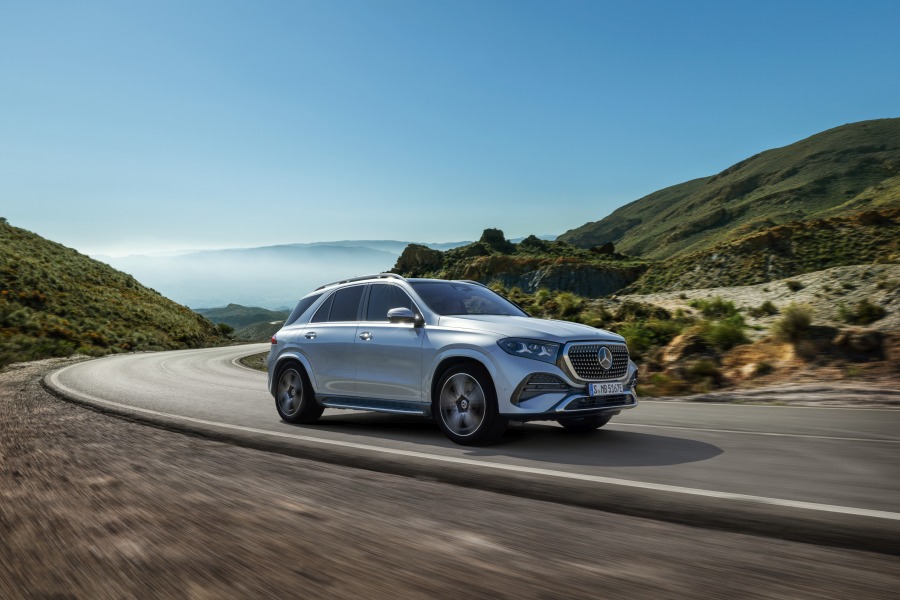
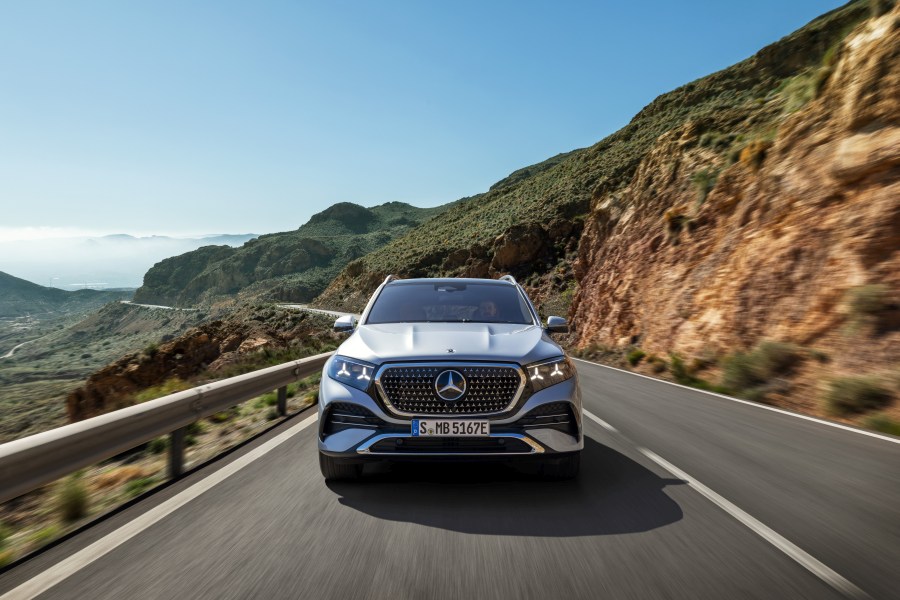
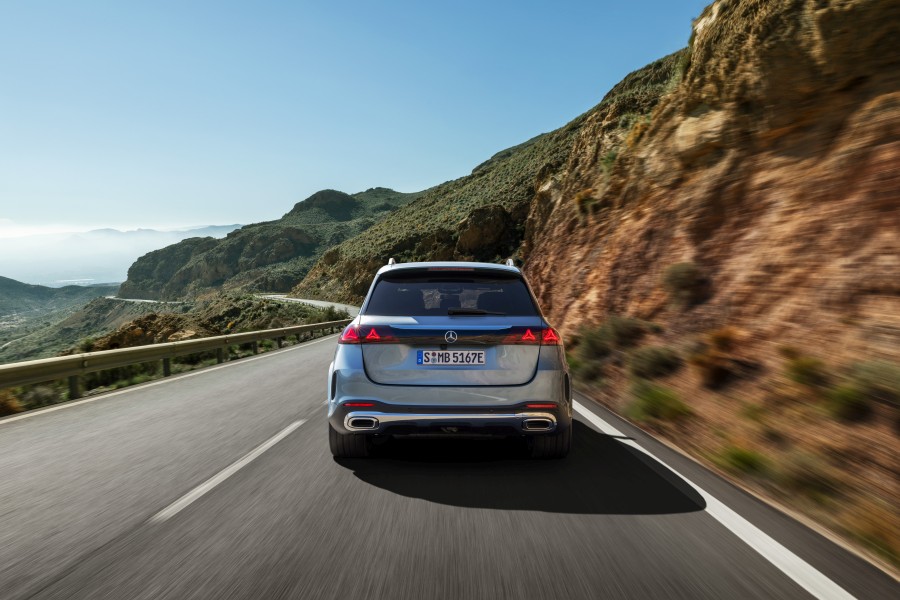
Immediately after the facelift of the Mercedes GLS, Audi unveiled the first ultra-luxury SUV in its history, the Audi Q9. This sets the stage for a new battle among Germany’s three premium SUV flagships: the Audi Q9, BMW X7, and Mercedes GLS. Which one offers the better overall package?
It may come as a surprise, but Audi has initially launched the new Q9 exclusively with a 3.0-liter V6 TDI diesel engine producing 299 hp.
Because it comes with seven seats as standard, the Mercedes GLS is not available as a plug-in hybrid, as there is not enough space beneath the luggage compartment floor to accommodate the battery. As a result, the GLS range consists of the GLS 350 d 4Matic and GLS 450 d 4Matic diesel models, the GLS 450 4Matic and GLS 580 4Matic gasoline versions, as well as the performance-oriented Mercedes-AMG GLS 63 4Matic+ and the ultra-luxurious Mercedes-Maybach GLS 680. The latter is available exclusively as a five-seater and is powered solely by a mild-hybrid V8 engine.
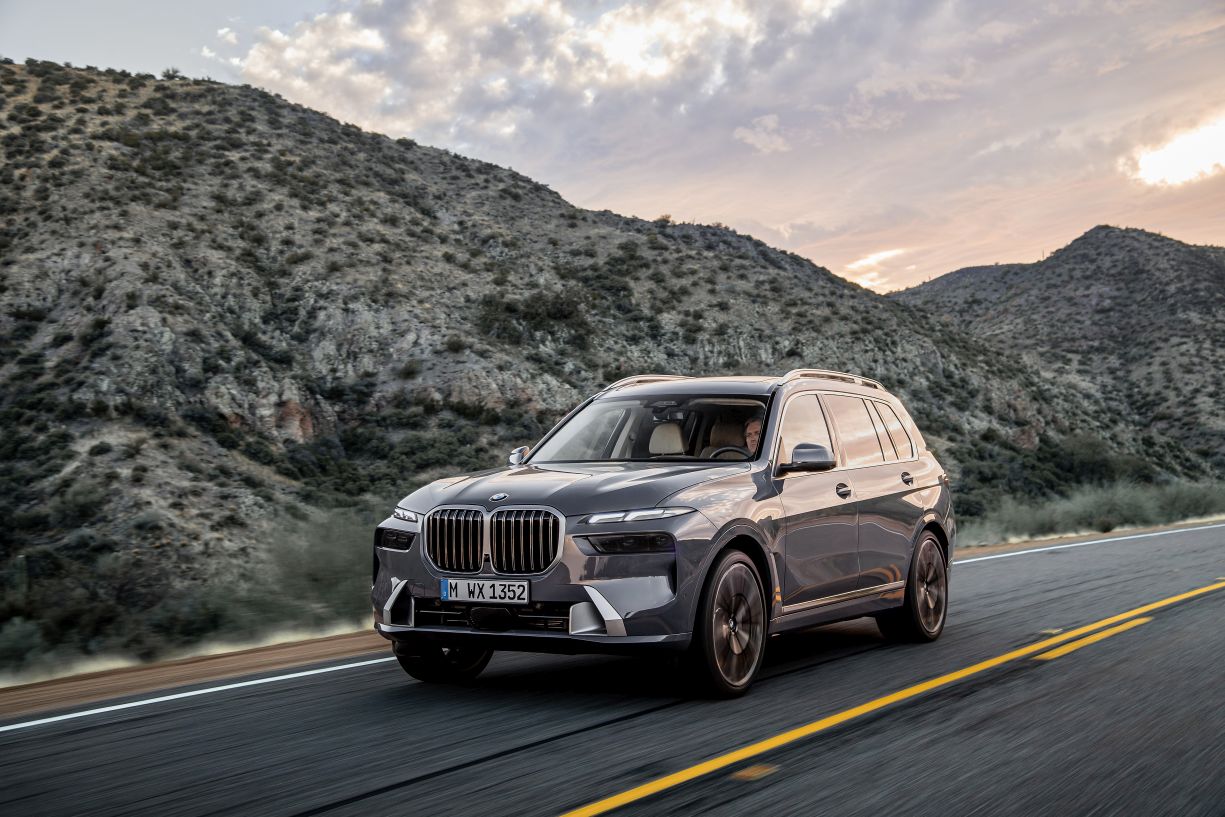
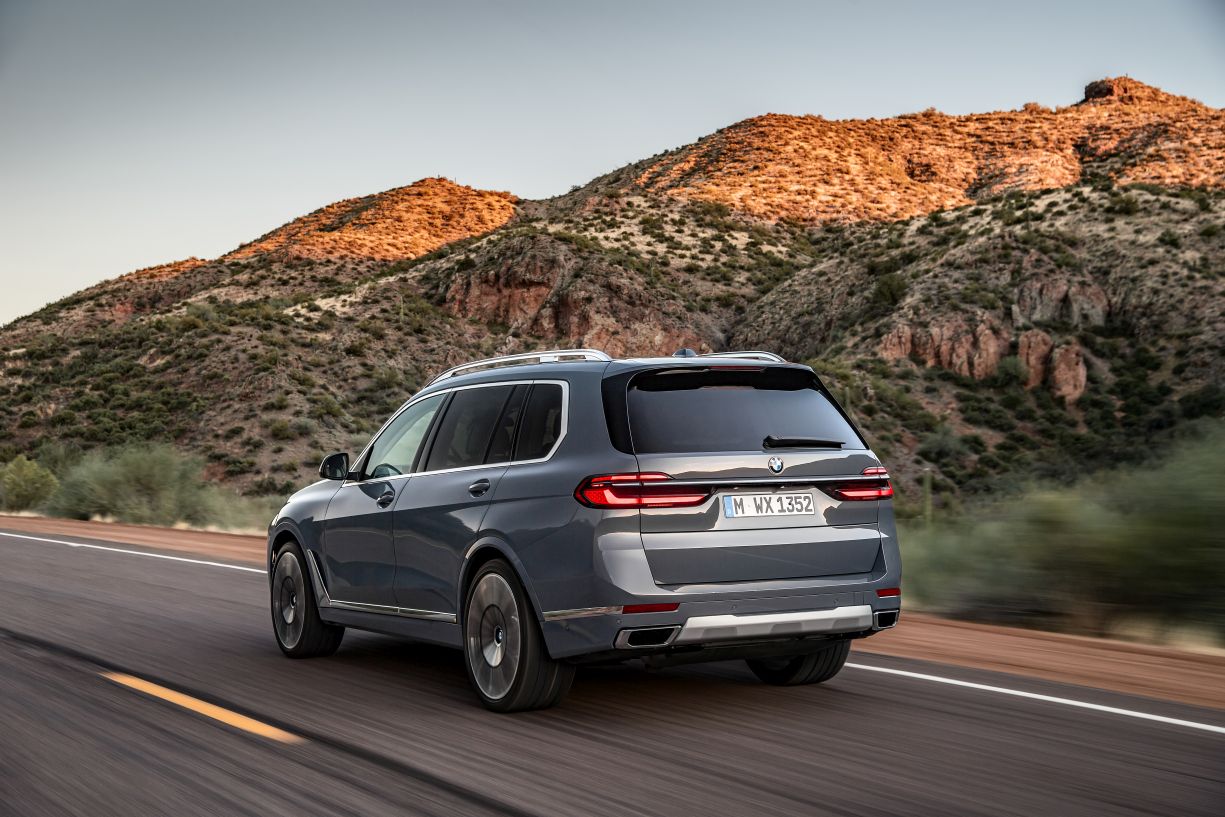
Likewise, the BMW X7 is also unavailable as a plug-in hybrid because it, too, features seven seats as standard. The lineup therefore includes the X7 xDrive40d diesel, the X7 xDrive40i gasoline model, and the X7 M60i xDrive equipped with a 4.4-liter twin-turbocharged V8 engine.
Since the Audi Q9 is currently offered only with a diesel engine, we selected the Mercedes GLS 450 d 4Matic, BMW X7 xDrive40d, and Audi Q9 V6 TDI for this initial comparison.
Dimensions and practicality
At 5,307 mm, the Audi Q9 is the longest of the three. The Mercedes GLS measures 5,209 mm, while the BMW X7 is the shortest at 5,181 mm. However, Audi’s greater overall length is not reflected in its wheelbase. The Q9 has a wheelbase of 3,138 mm, only slightly longer than the Mercedes GLS at 3,135 mm, while the BMW X7 measures 3,105 mm.
The Audi is also the widest, at 2,010 mm, with the BMW close behind at 2,000 mm. The Mercedes GLS is noticeably narrower at 1,956 mm. In terms of height, however, the BMW X7 leads with 1,835 mm, followed by the GLS at 1,823 mm, while the Audi is the lowest of the trio at 1,768 mm.
Although it is the most compact of the three, the Mercedes GLS is the heaviest, tipping the scales at 2,615 kg. The Audi Q9 follows closely at 2,605 kg, while the BMW X7 is the lightest at 2,565 kg and also offers the highest payload capacity, at 835 kg (compared with 760 kg for the GLS and 720 kg for the Q9). All three SUVs have a maximum braked towing capacity of 3,500 kg and an unbraked towing capacity of 750 kg.
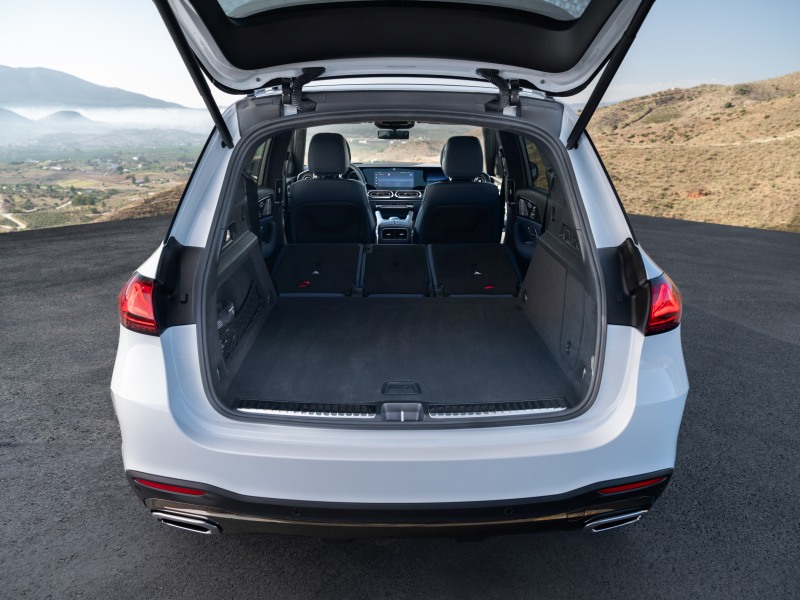
The Audi’s greater length gives it a clear advantage in luggage space. With all seven seats in place, the Audi Q9 offers the largest cargo capacity at 539 liters, compared with 335 liters for the Mercedes GLS and 326 liters for the BMW X7. However, when both the second and third rows are folded flat, the Mercedes GLS takes the lead with a maximum cargo capacity of 2,400 liters, followed by the Audi Q9 with 2,308 liters and the BMW X7 with 2,120 liters.
Interior and Multimedia Systems
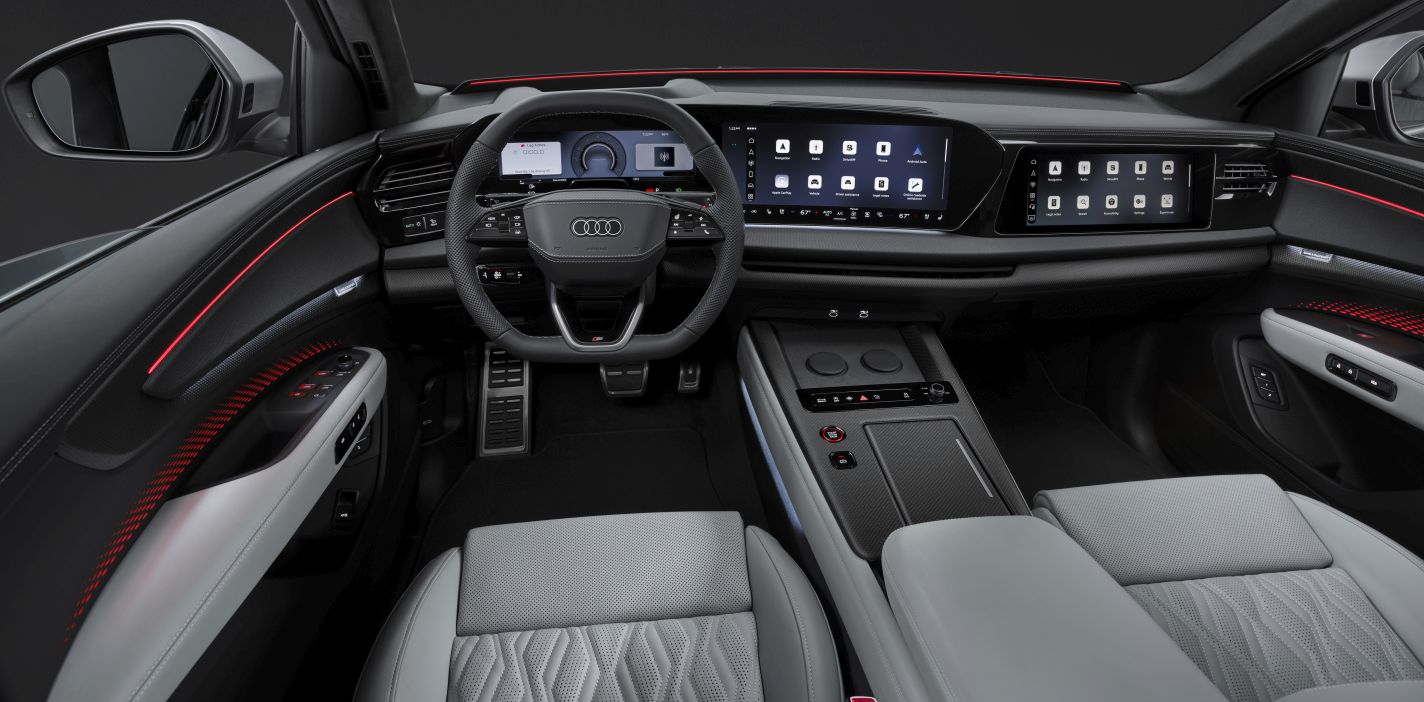
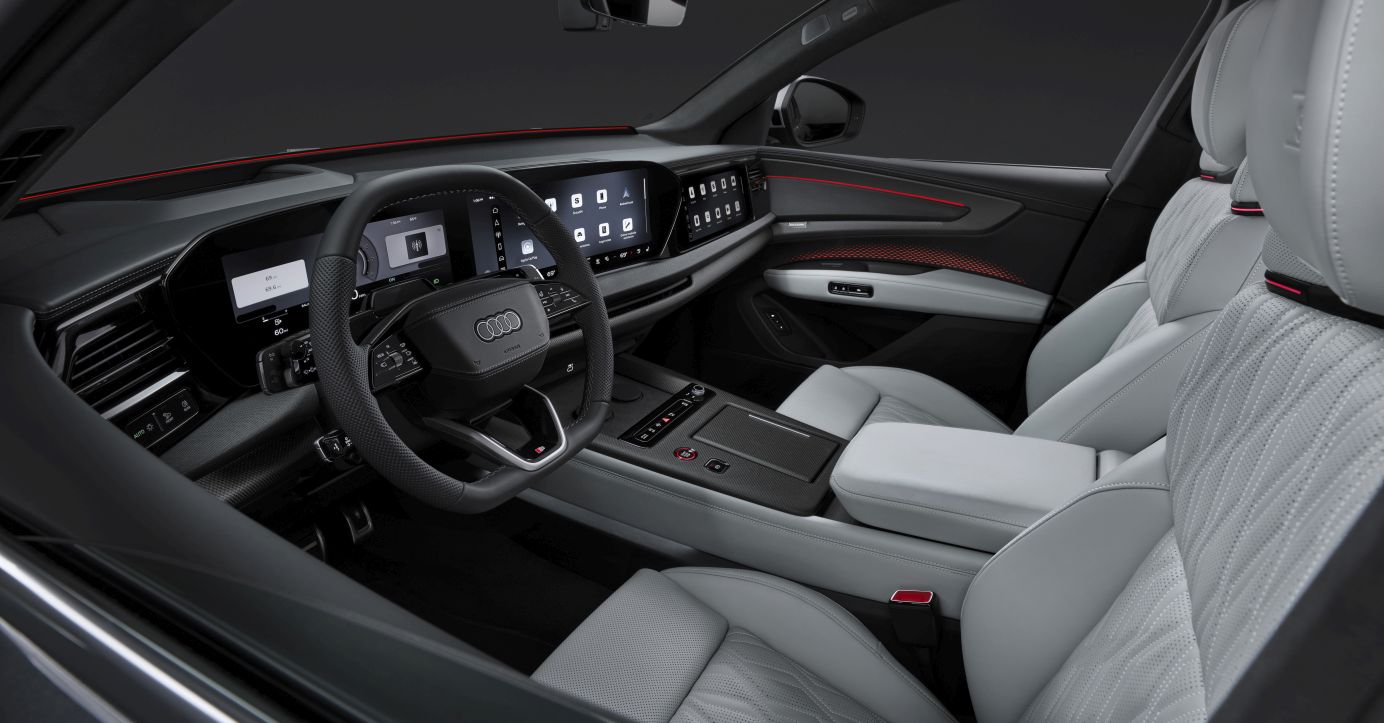
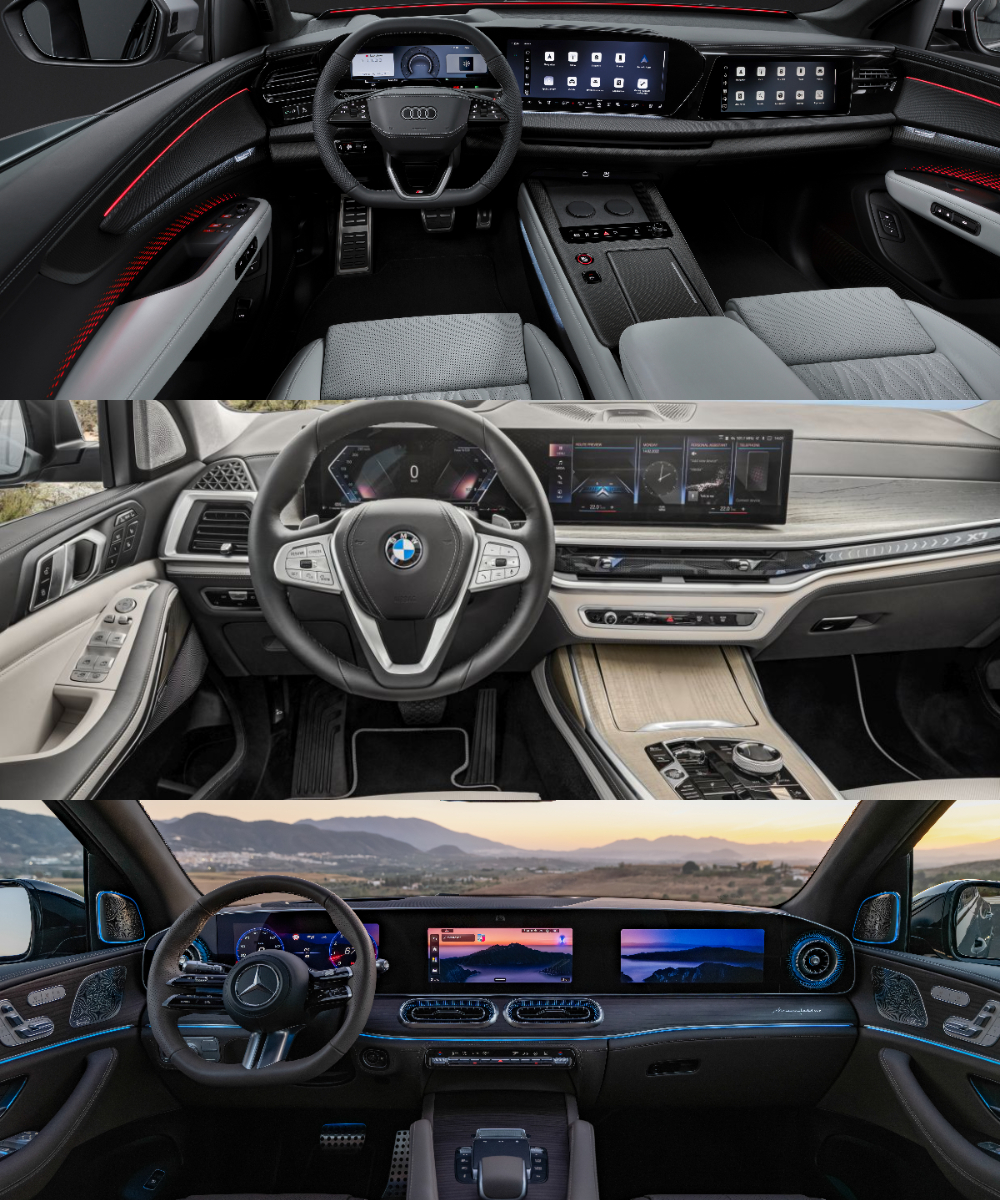
All three models come with multiple displays and advanced digital technology.
The Audi features three displays: an 11.9-inch digital instrument cluster, a 14.5-inch central infotainment touchscreen, and a 12.3-inch passenger display. The head-up display is optional, but it is the only one in this trio to offer true augmented reality, projecting navigation and other information directly onto the windshield.
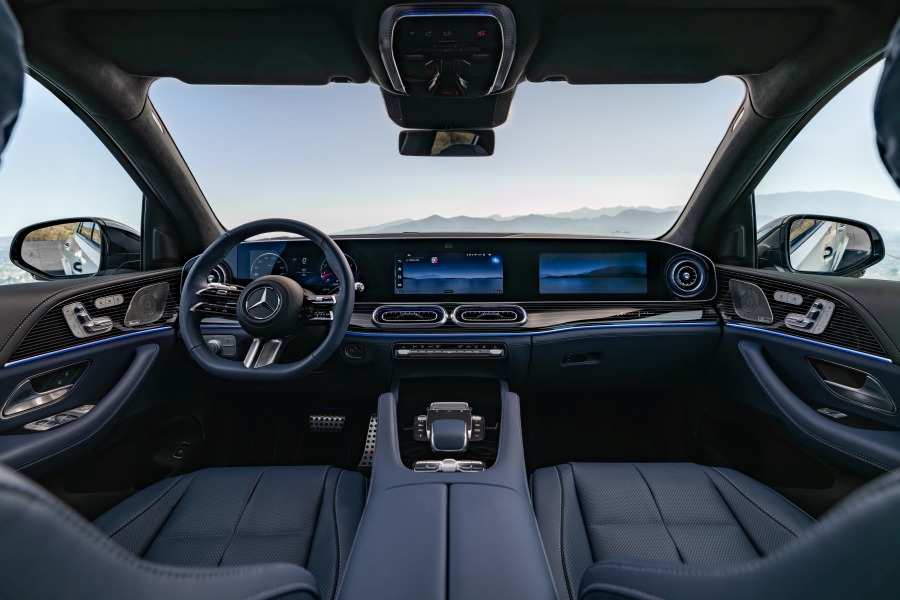
The Mercedes also features three displays, all measuring 12.3 inches and housed beneath a single glass panel. Unfortunately, despite being positioned above the new electric GLC in the lineup, it does not offer the optional full-width Hyperscreen available in the GLC Electric. Mercedes also offers an optional head-up display, but it is not as advanced as the systems found in the S-Class and EQS. Its augmented reality graphics are not projected onto the windshield; instead, they are displayed within the live camera image on the central screen.
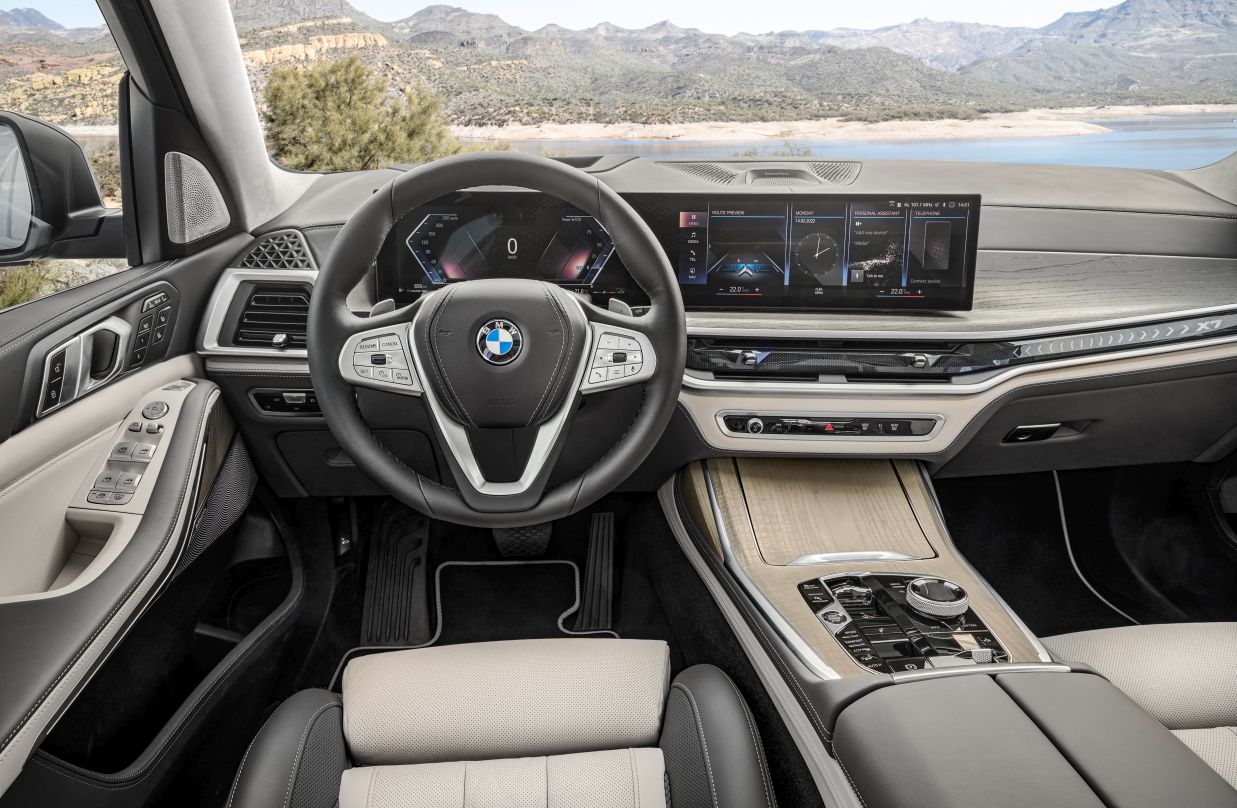
The BMW X7 is the oldest model in this comparison and is the only one without a passenger display. It comes with a 12.3-inch digital instrument cluster and a 14.9-inch central infotainment display, while a head-up display is standard. However, augmented reality navigation arrows are not projected onto the windshield. Instead, they appear as overlays on a live camera image in the instrument cluster (or optionally on the central display).
As we’ve already seen on Audi’s latest models, the Audi Q9’s infotainment system is based on Google Automotive. Apps can be downloaded directly to the vehicle through the Audi Application Store.
BMW uses Operating System 8.5, which supports over-the-air updates and streaming services. However, its app ecosystem is more limited than Audi’s.
The new Mercedes GLS runs the latest MB.OS operating system, which is also based on Google services. It integrates Google Maps, Google Assistant, and artificial intelligence from both Microsoft and Google.
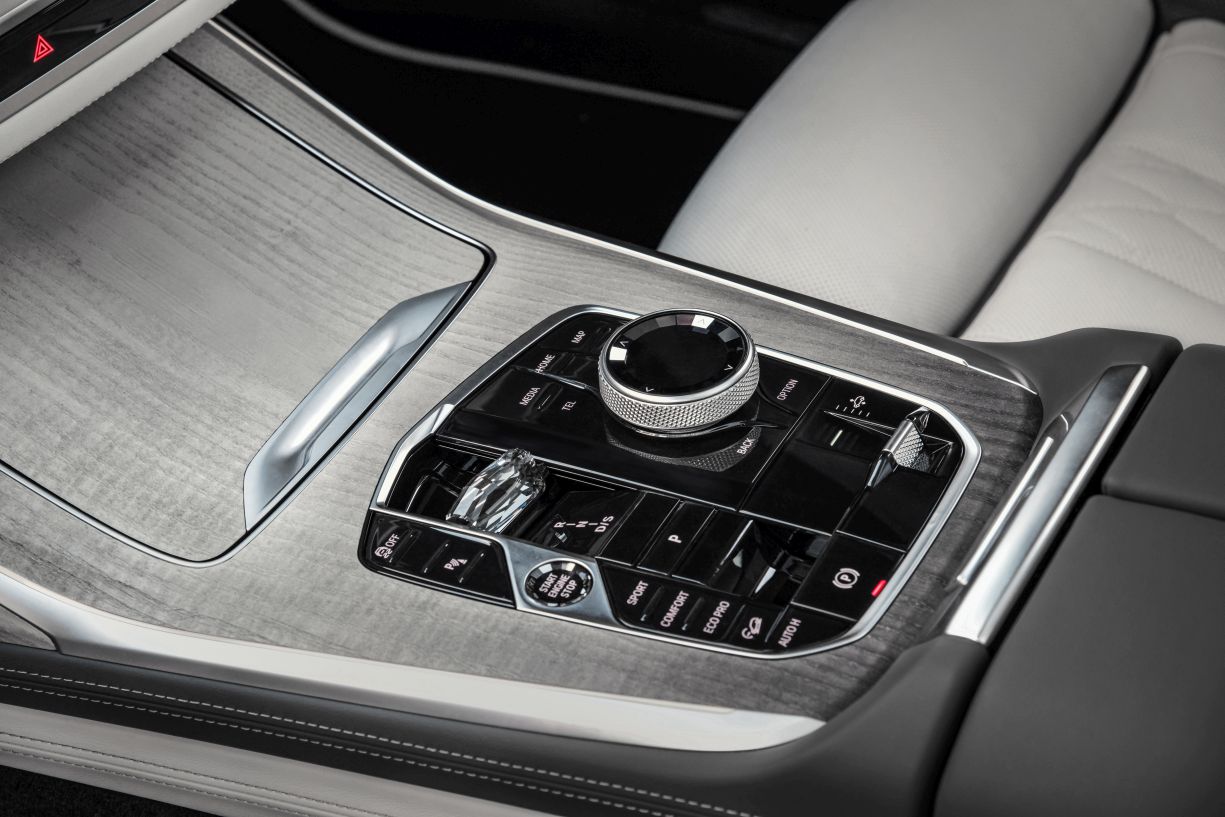
Like fine wine, which often improves with age, the BMW also benefits from being the oldest model in this comparison. It is the only one that still features the renowned iDrive rotary controller. Audi and Mercedes rely much more heavily on touchscreens and voice control. While this approach looks more modern, it is generally less intuitive in everyday use.
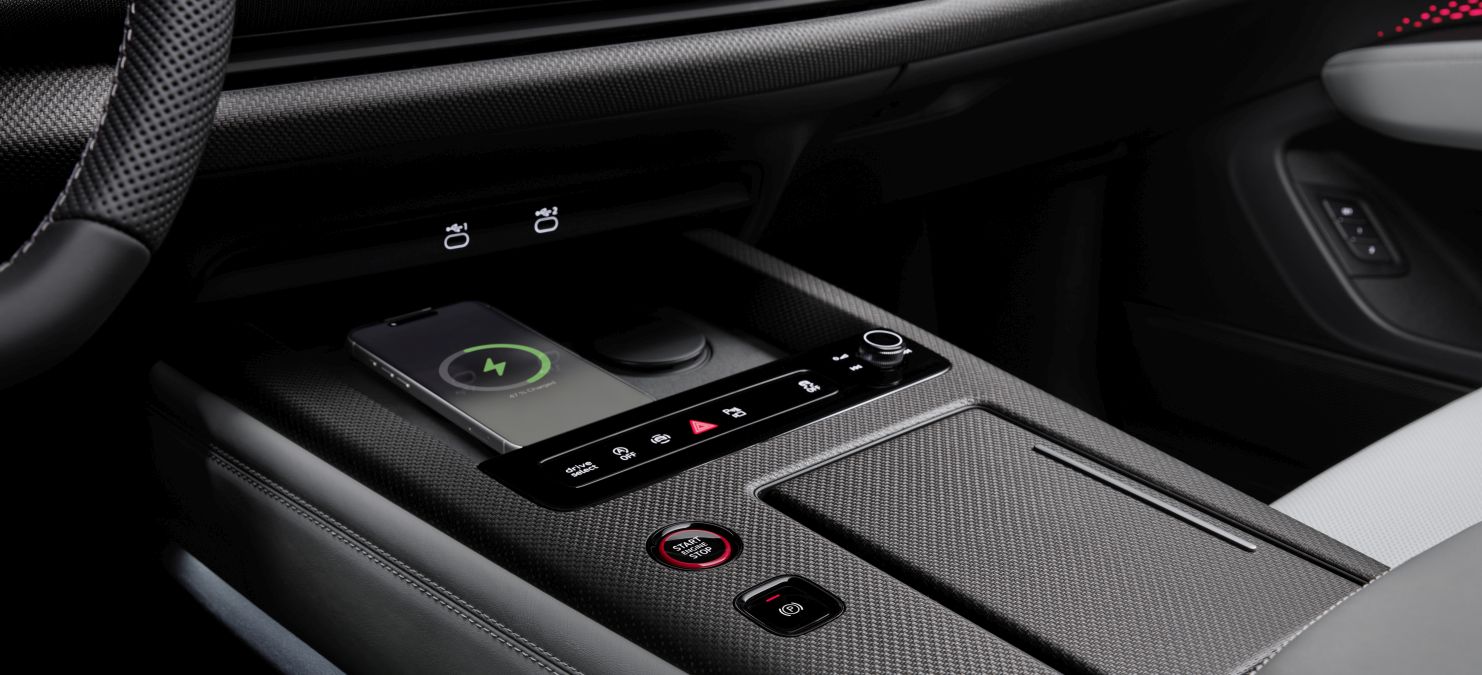
Audi offers up to eight USB-C ports across all three seating rows, each capable of delivering up to 100 watts. It also provides 12V outlets in the front and cargo area, plus a 230V power outlet for the rear passengers.
Depending on the specification, the Mercedes GLS offers up to eleven USB-C ports with charging power of up to 100 watts, 12V outlets in both the front and rear, and, when equipped with the Comfort Package, a 230V/150W power outlet for rear passengers.
BMW offers up to nine USB-C ports, although their maximum charging output is limited to 45 watts. It also includes 12V outlets in the front and rear, while a 230V power outlet is available as an option.
Chassis
All three models come standard with adaptive air suspension, but there are some key differences. The Audi Q9 offers the widest standard suspension adjustment range at 90 mm. It provides the greatest increase in ride height for off-road driving and the lowest ride height in Dynamic mode. By comparison, both the Mercedes GLS and BMW X7 have an adjustment range of 80 mm.
The Mercedes GLS 450 d 4Matic does not offer rear-wheel steering, not even as an option. However, it can be equipped with the optional Off-Road Package (€702), which raises the ground clearance by an additional 30 mm, or with the very expensive E-Active Body Control hydropneumatic suspension (€7,035), which also includes the Curve function that leans the vehicle into corners.
The BMW X7 offers optional rear-wheel steering with a steering angle of up to 3.5 degrees (standard on the range-topping M60i xDrive). The Audi Q9 also offers optional rear-wheel steering, but with an even greater steering angle of up to 5 degrees.
BMW also offers an optional Off-Road Package (€1,900) and, as an option, the Executive Drive Pro package with electromechanical active roll stabilization. By contrast, the Audi Q9 comes with active anti-roll bars as standard.
The Audi Q9 and Mercedes GLS come standard with 20-inch wheels, while the BMW X7 starts with 21-inch wheels. All three models can be optionally equipped with wheels of up to 23 inches.
Engines and Transmission
It is somewhat surprising that, in the electric era, Audi has launched its flagship SUV with a diesel engine. The Audi Q9 is powered by a 3.0-litre V6 turbodiesel producing 299 PS and 630 Nm between 1,750 and 3,000 rpm, paired with a 48-volt mild-hybrid system featuring a 24 PS electric motor delivering 230 Nm. A small electrically driven compressor reduces turbo lag, using a concept similar to the electrically assisted turbocharging found on Mercedes’ inline six-cylinder petrol engines. The Audi engine is paired as standard with an eight-speed automatic transmission supplied by ZF, just like the BMW.
The BMW X7 xDrive40d features a second-generation 48-volt mild-hybrid system with a 12 PS electric motor producing 200 Nm, integrated into the eight-speed automatic transmission. Combined with the 340 PS inline six-cylinder diesel engine, the total system output is 352 PS and 700 Nm, rising to 720 Nm with the boost function.
The Mercedes GLS 450 d 4Matic is also powered by an inline six-cylinder turbodiesel, the OM656M, producing 367 PS and 750 Nm. It is assisted by a 48-volt mild-hybrid system with a 23 PS electric motor delivering 205 Nm, integrated into the nine-speed automatic transmission.
Prices
As expected, the Mercedes GLS 450 d 4Matic is the most expensive of the three, starting at €113,210.65.
The BMW X7 xDrive40d starts at €108,500, but adding the M Sport and M Sport Pro packages raises the price to €113,700 and €115,850, respectively.
The Audi Q9 starts at €108,400, virtually matching the BMW’s base price, although it also offers the lowest power output of the three.
| Model | Audi Q9 V6 TDI | BMW X7 xDrive40d | GLS 450 d 4Matic |
|---|---|---|---|
| Engine/no. Of cylinders | V6, turbodiesel+kompr | L6, turbodiesel | L6, turbodiesel |
| Displacement | 2,967 | 2,993 | 2,989 |
| Max. Power/revs (PS/rpm) | 299/3,500-3,750 | 340/4,400 | 367/4,000 |
| Max. Torque/revs (Nm/rpm) | 630/1,750-3,000 | 700/1,750-2,250 | 750/1,350-2,800 |
| Electric motor | |||
| Max. Power (PS) | 24 | 12 | 23 |
| Max. Torque (Nm) | 230 | 200 | 205 |
| Total power (PS) | 299 | 352 | 367 |
| Total torque (Nm) | 630 | 720 | 750 |
| L x w x h (mm) | 5,307 x 2,010 x 1,768 | 5,181 x 2,000 x 1,835 | 5,209 x 1,956 x 1,823 |
| Whelbase (mm) | 3,138 | 3,105 | 3,135 |
| Kerbweight/ payload (kg) | 2,605/720 | 2,565/835 | 2,615/760 |
| Acceleration 0-100 kph (s) | 6.5 | 5.9 | 5.9 |
| Top speed (kph) | 240 | 245 | 250 |
| Fuel consumption (l/100 km | 7.4 | 8 | 7.8-8.5 |
| CO2 emissions (g/km) | 194 | 210 | 205-223 |
| Price (euro with VAT) | 108,400 | 108,500 | 113,210.65 |