
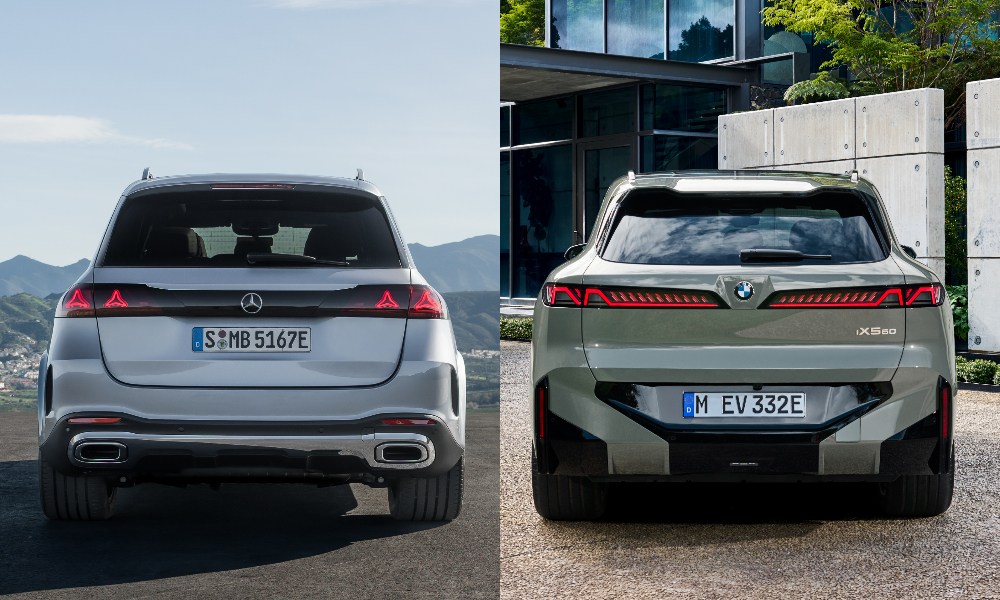
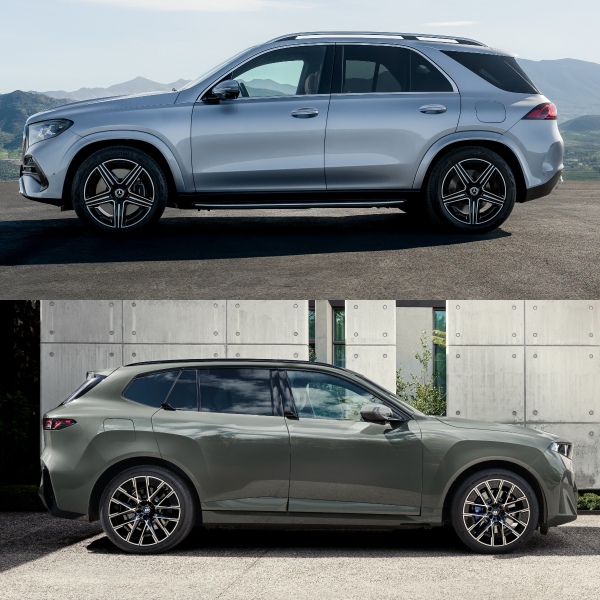
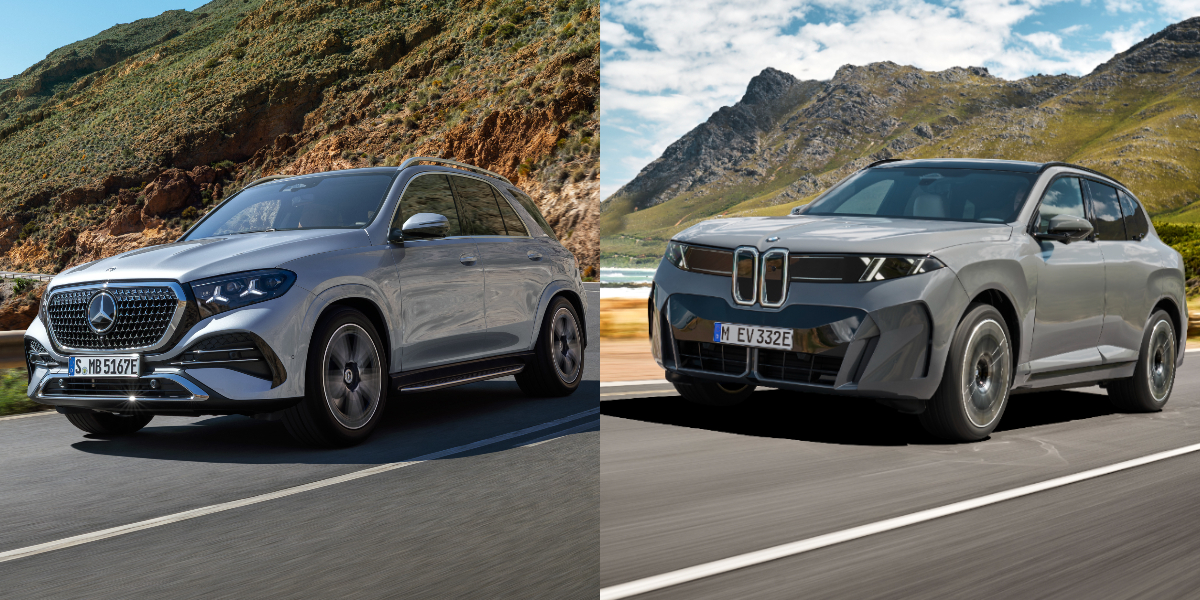
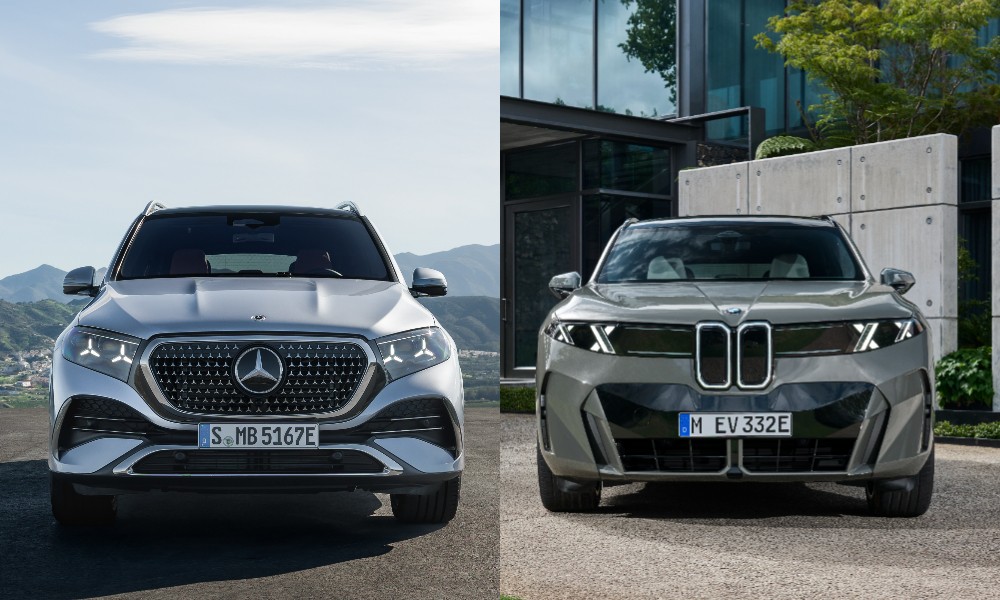
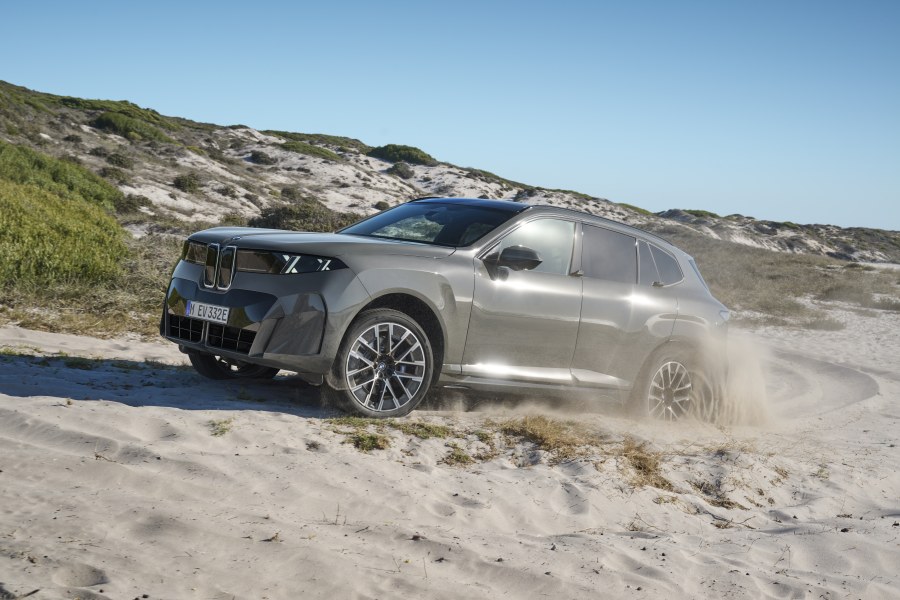
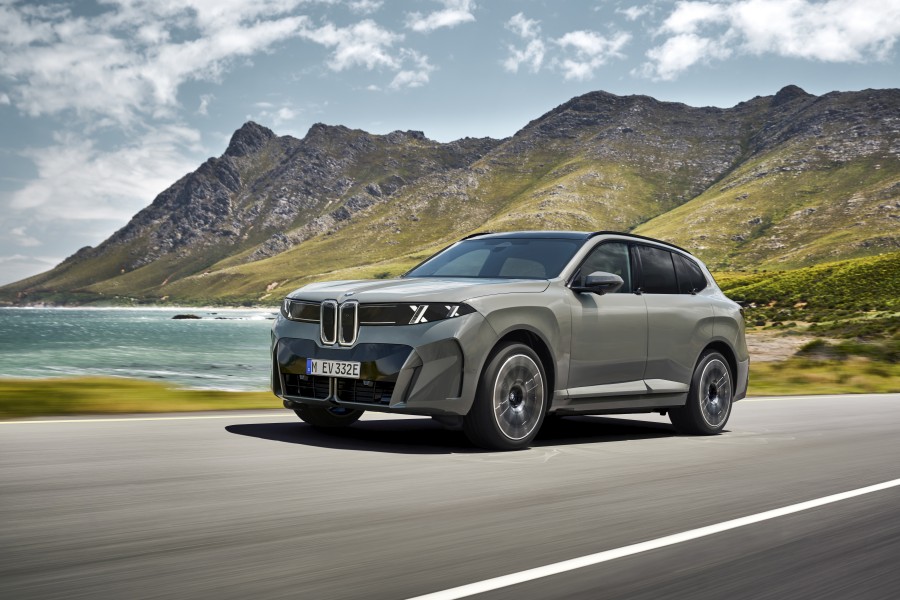
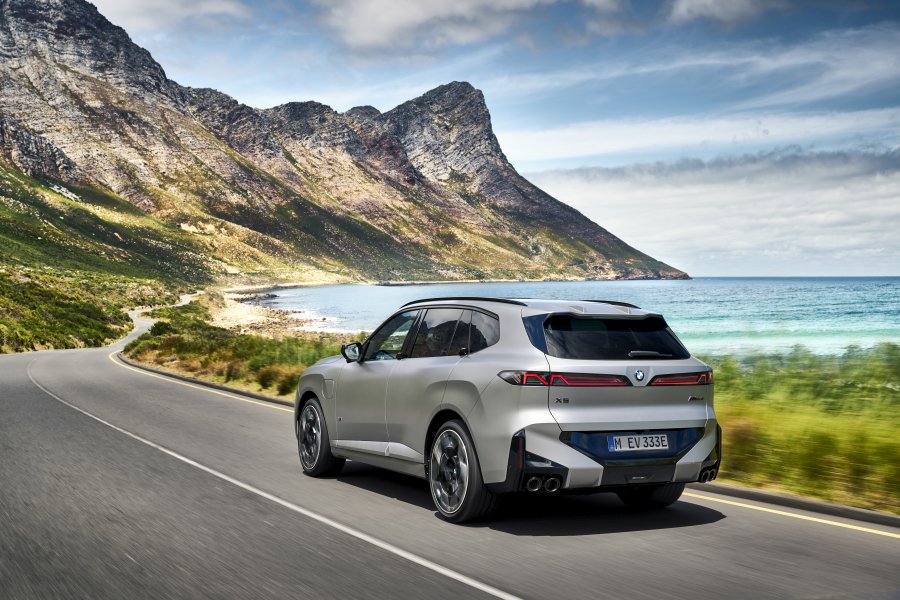
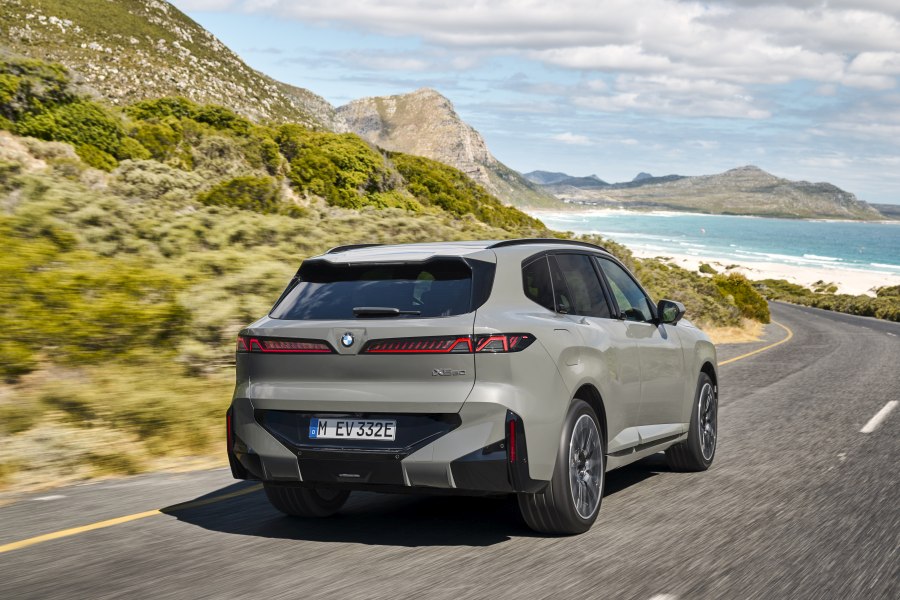
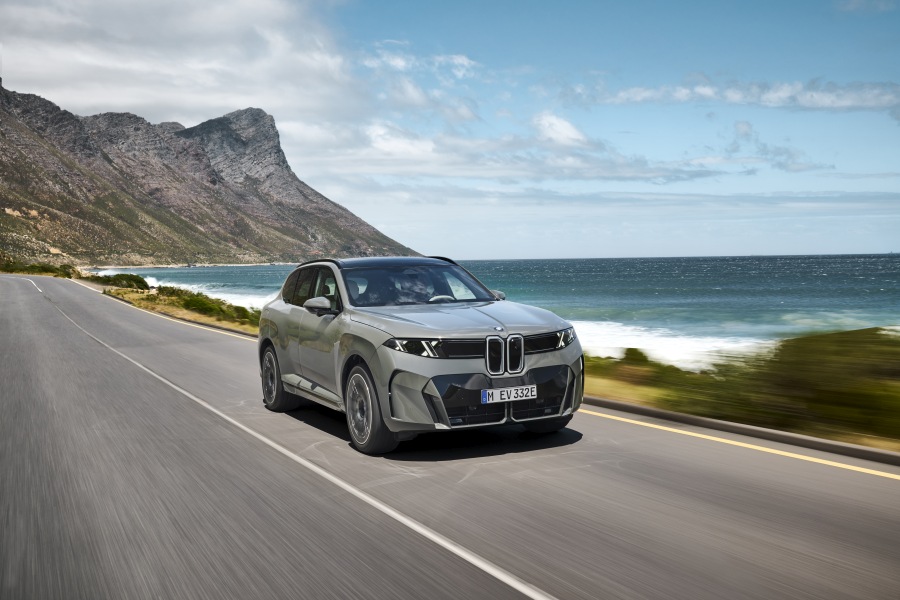
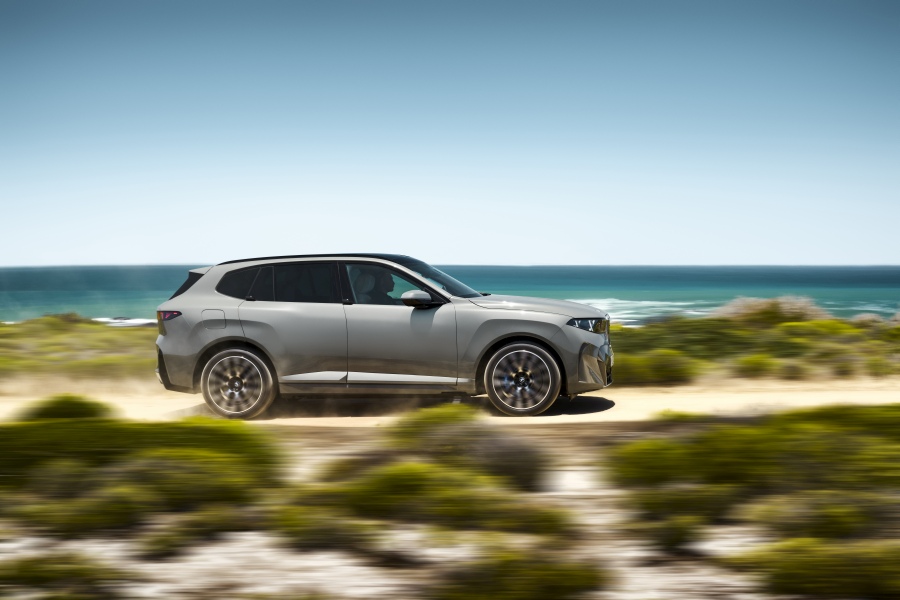
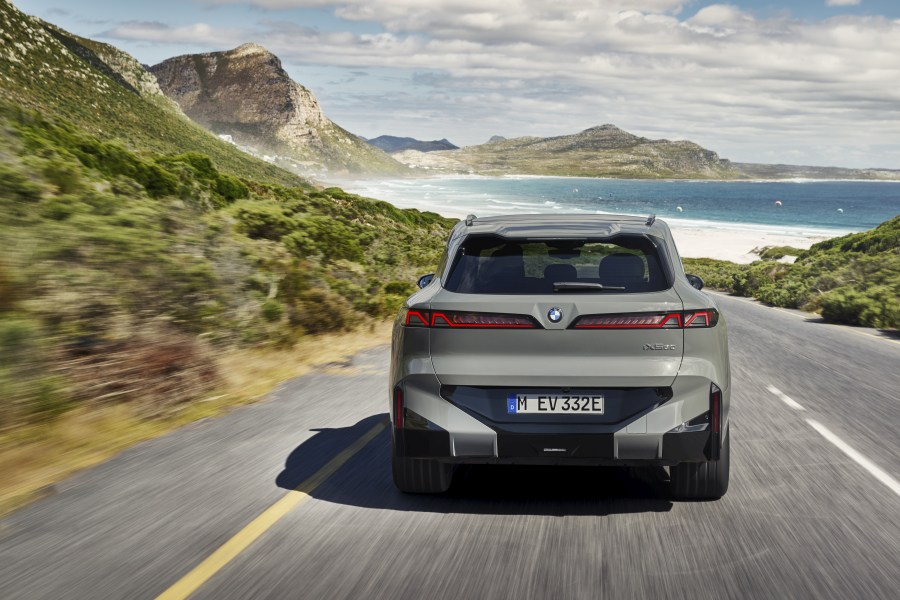
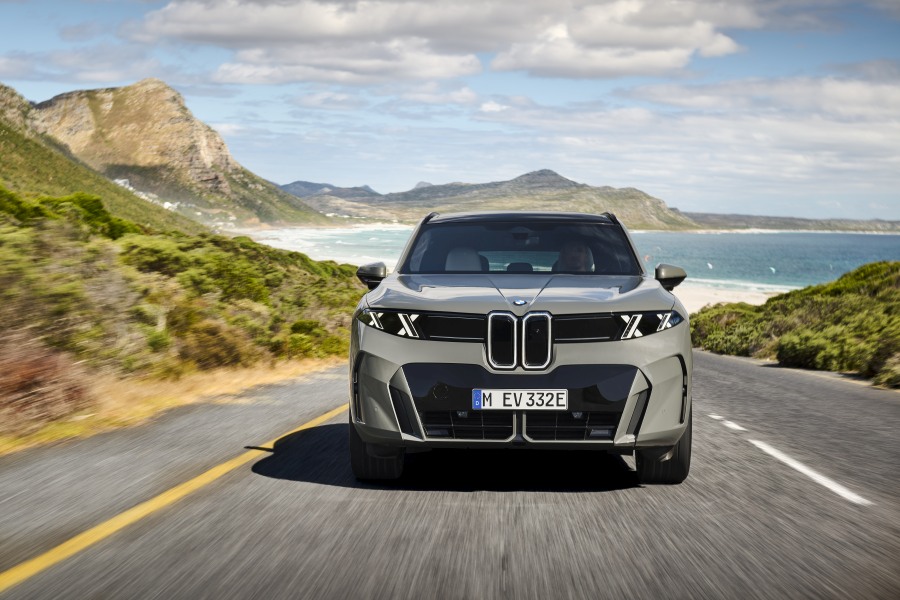
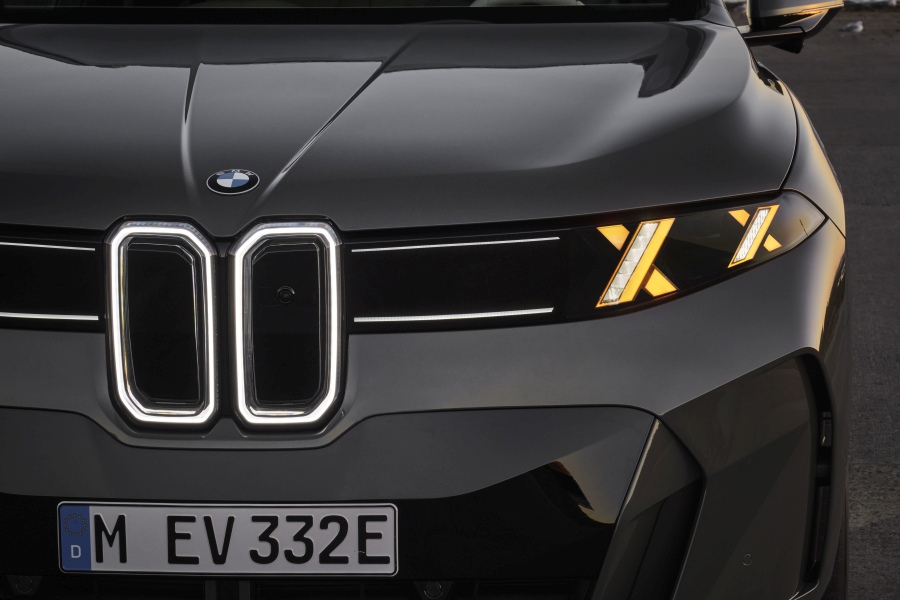
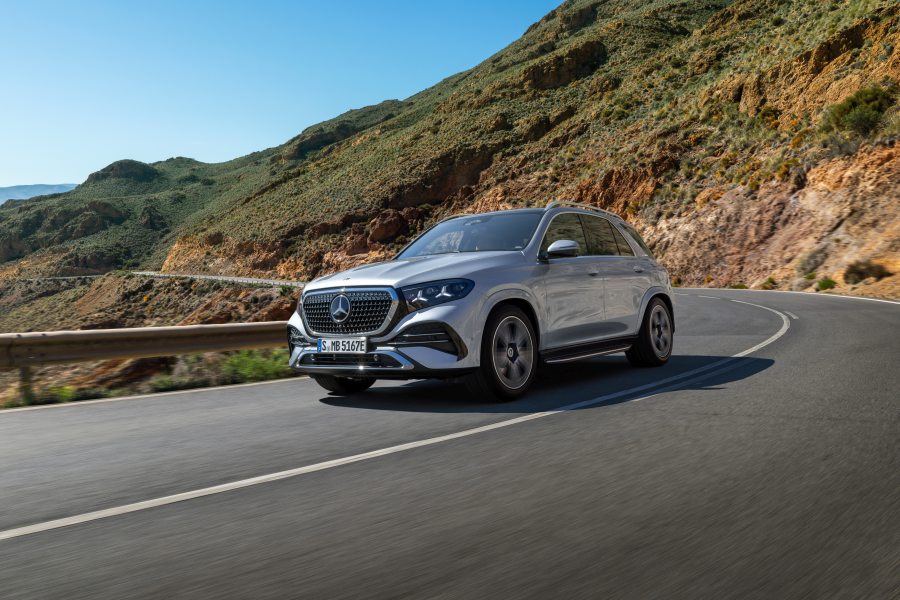
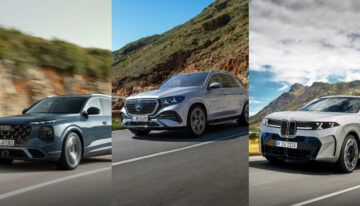
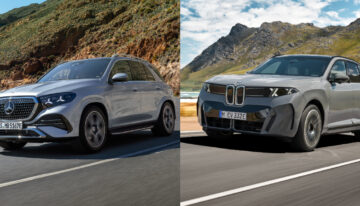
BMW has today unveiled all the official details of the fourth-generation BMW X5, codenamed G65, which goes head-to-head with the Mercedes GLE, itself extensively updated with a major facelift just two months ago. What are the strengths and weaknesses of each model?
The BMW X5 is available with five different powertrain options: mild hybrid diesel, mild hybrid gasoline, plug-in hybrid, battery-electric, and a hydrogen fuel cell version arriving in 2028. As a result, the new BMW X5 competes with both the Mercedes GLE and the Mercedes EQE SUV. In this first comparison, we focus on the BMW X5 versus the Mercedes GLE, while you can also find our comparison between the BMW iX5 and the Mercedes EQE SUV here.
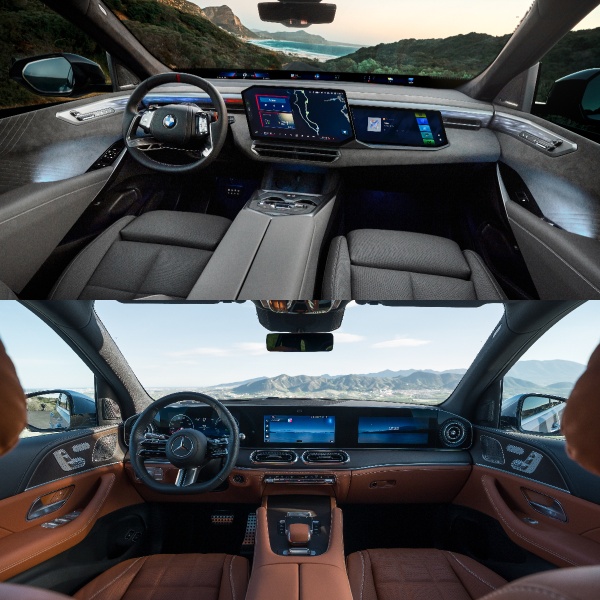
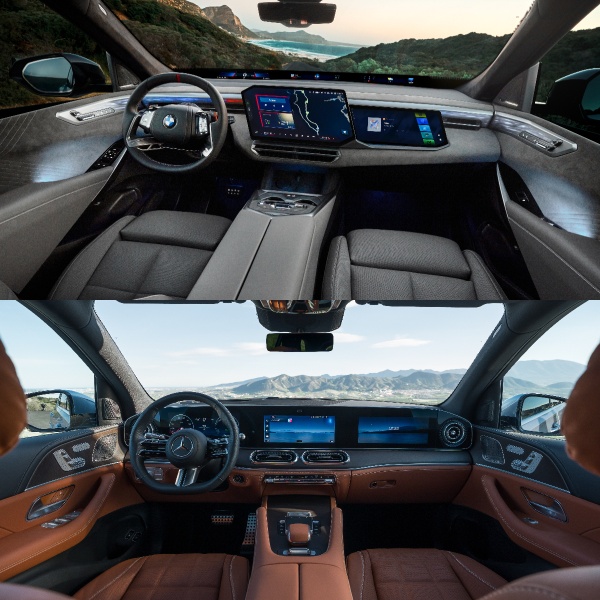
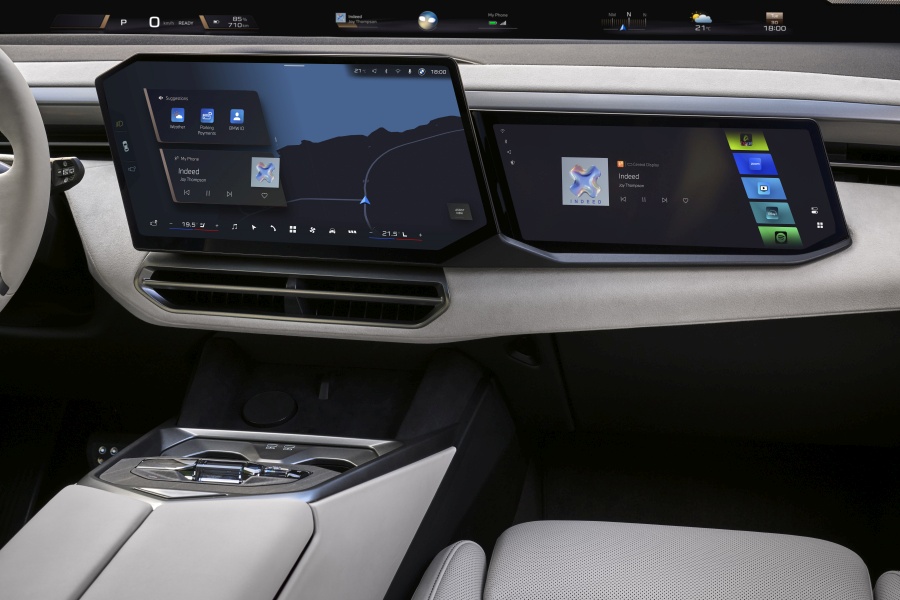
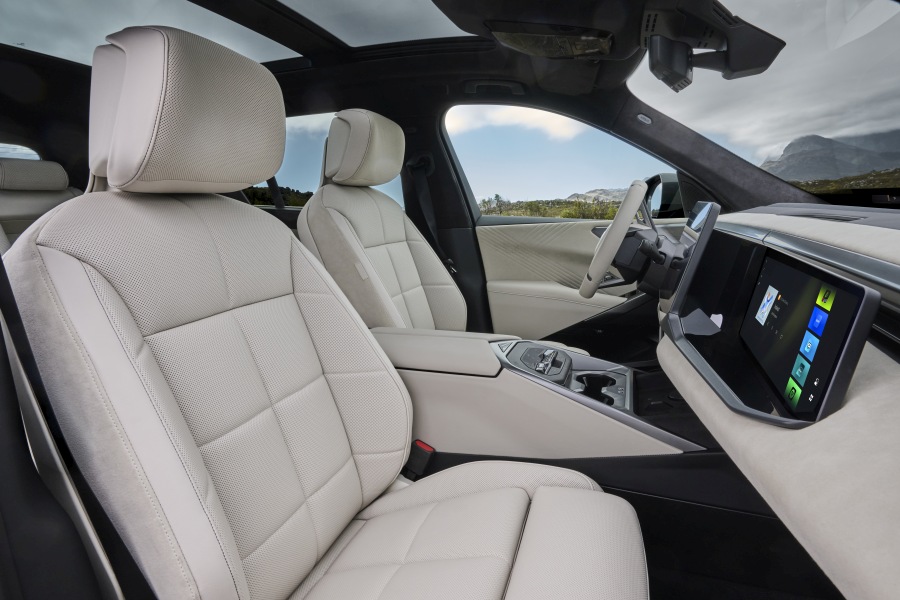
The fifth-generation BMW X5 continues to be based on the CLAR platform but adopts the new Panoramic iDrive operating system from the Neue Klasse architecture, featuring the Panoramic Vision display stretching across the entire width of the dashboard.
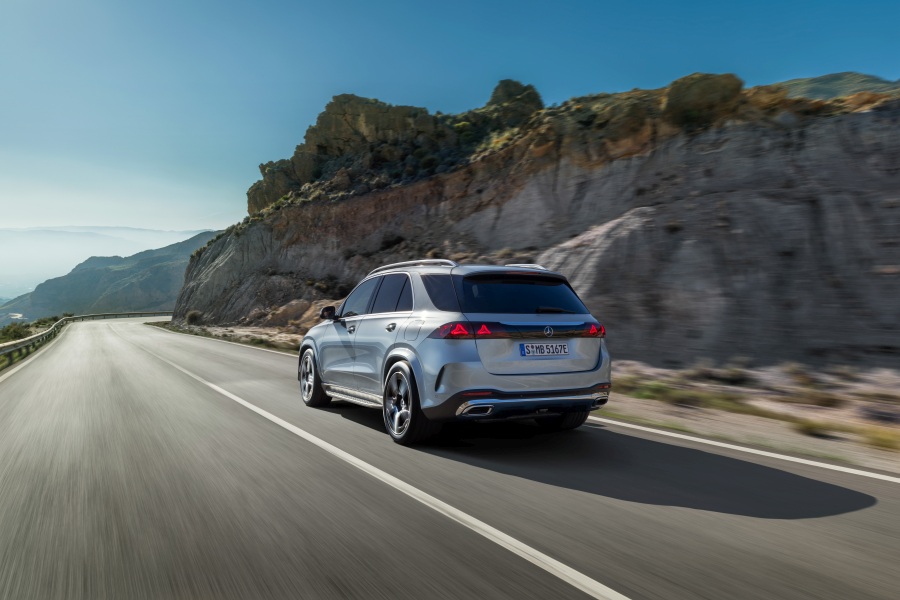
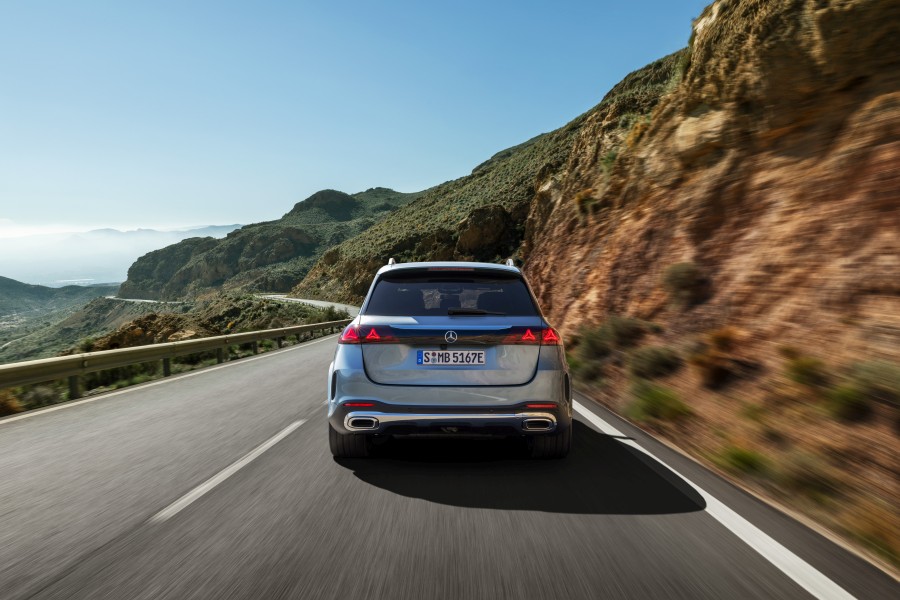
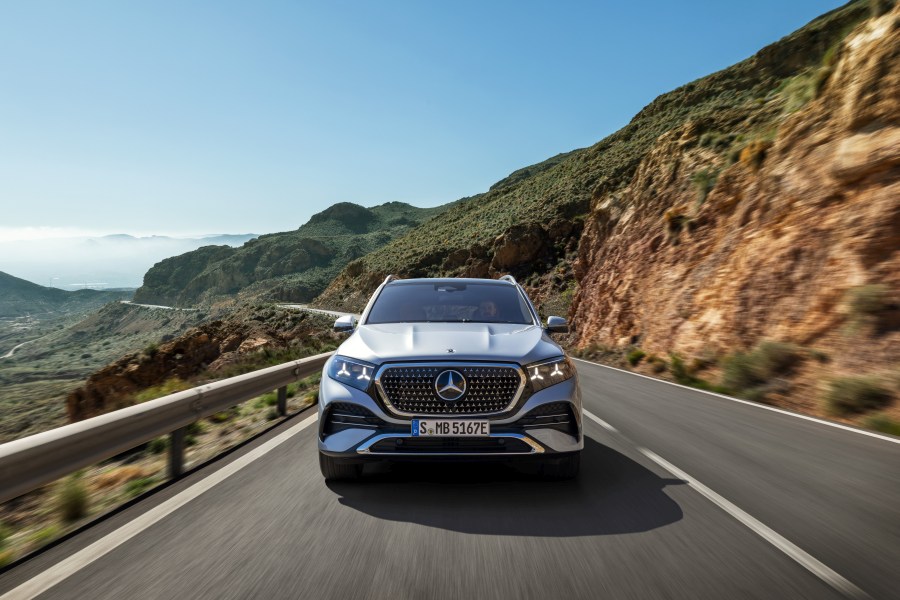
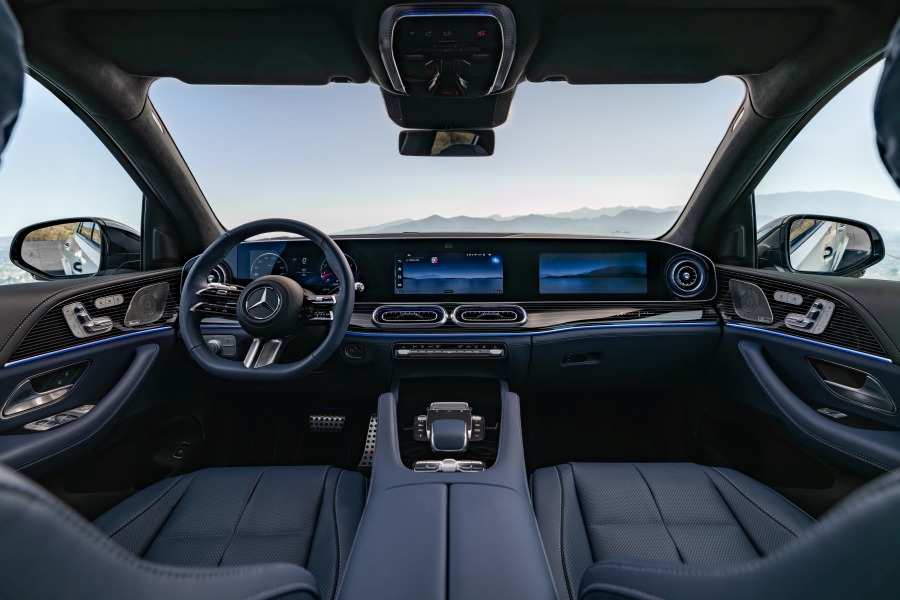
By comparison, the facelifted Mercedes GLE is built on the updated MRA II platform and features a revised engine lineup, including a diesel engine with an electrically heated catalytic converter and a new flat-plane-crank V8.
Engines and Versions
Mercedes has recognized that customers in this segment no longer want four-cylinder engines and has eliminated them entirely with the facelift. As a result, the facelifted Mercedes GLE range now consists exclusively of six- and eight-cylinder models.
Two diesel and two gasoline versions are available, all featuring the second-generation 48-volt mild hybrid system with a 23 PS/205 Nm electric motor integrated into the nine-speed automatic transmission:
- GLE 350 d 4Matic – 3.0-liter inline-six turbodiesel, 286 PS, 650 Nm
- GLE 450 d 4Matic – 3.0-liter inline-six turbodiesel, 367 PS, 750 Nm
- GLE 450 4Matic – 3.0-liter turbocharged inline-six gasoline engine with electric supercharger, 381 PS, 560 Nm
- GLE 580 4Matic – 4.0-liter twin-turbo V8 gasoline engine with flat-plane crankshaft, 537 PS, 750 Nm
A plug-in hybrid version is also available: the GLE 450e 4Matic, which combines the 3.0-liter turbocharged inline-six gasoline engine producing 326 PS and 540 Nm with a 184 PS/480 Nm electric motor, delivering a combined output of 455 PS.
By comparison, the BMW X5 lineup includes one diesel, one gasoline, both equipped with a 48-volt mild hybrid system, plus two plug-in hybrid versions:
- X5 40 xDrive – revised 3.0-liter turbocharged inline-six gasoline engine from the B58 family producing 400 PS and 540 Nm, combined with a mild hybrid system featuring an 18 PS and 200 Nm electric motor integrated into the eight-speed automatic transmission.
- X5 40d xDrive – 3.0-liter inline-six turbodiesel producing 286 PS and 650 Nm, also paired with a 48-volt mild hybrid system featuring an 18 PS and 200 Nm electric motor integrated into the eight-speed automatic transmission.
The two plug-in hybrid versions are:
- X5 50e xDrive – revised 3.0-liter turbocharged inline-six gasoline engine producing 313 PS and 450 Nm, combined with a 197 PS and 280 Nm electric motor for a total system output of 489 PS and 700 Nm. Its 26.5 kWh net battery can only be charged via AC stations at 7.4 or 11 kW and offers a WLTP electric range of between 86 and 102 km.
- X5 M60e xDrive – revised 3.0-liter turbocharged inline-six gasoline engine producing 426 PS and 540 Nm, combined with the same 197 PS and 280 Nm electric motor for a total output of 612 PS and 800 Nm. The 26.5 kWh net battery also supports AC charging only, at either 7.4 or 11 kW, and delivers a WLTP electric range of between 81 and 98 km.
According to unofficial sources, the BMW X5 will also receive a V8-powered version in addition to the range-topping X5 M. It remains unclear whether this V8 engine will be offered exclusively in the United States and Asian markets or will also be available in Europe. BMW has already announced that it will reintroduce the 4.4-liter twin-turbo V8 in the facelifted 7 Series on selected markets starting in 2027.


X5 G65, soooooo ugly