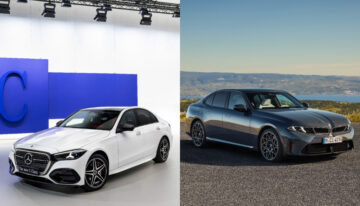
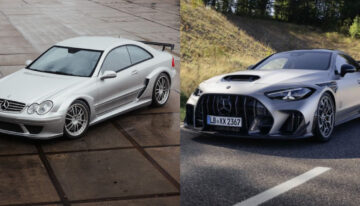
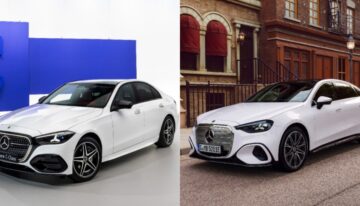
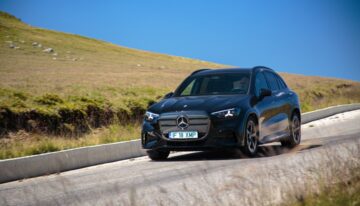
As environmental awareness grows, automakers are increasingly focusing on producing eco-friendly vehicles that minimize emissions while delivering performance and reliability. Among these, Mercedes and Ford have emerged as notable players, each offering a range of hybrid and electric models designed to appeal to different types of drivers.
For consumers interested in exploring these sustainable options, visiting Buick dealers in PA can provide insights into how mainstream and luxury brands are approaching eco-friendly mobility. From electric powertrains to hybrid efficiency, both Mercedes and Ford offer vehicles that reduce environmental impact while maintaining driving enjoyment, highlighting the evolution of the automotive industry toward greener solutions.
Mercedes EQ Series: Luxury Goes Electric
Mercedes-Benz has embraced electric mobility through its EQ series, a lineup of fully electric vehicles designed to combine sustainability with luxury. Models like the EQC and EQS feature zero-emission powertrains, cutting-edge battery technology, and advanced aerodynamics to maximize range and efficiency. The EQS, for example, offers over 350 miles of range on a single charge, making long-distance travel feasible while reducing carbon footprint.
Beyond efficiency, Mercedes focuses on delivering a premium driving experience. The EQ series includes high-end interiors, intelligent infotainment systems, and adaptive driving dynamics that provide both comfort and performance. Regenerative braking, energy-efficient climate control, and optimized battery management systems further enhance the eco-friendly credentials of these vehicles.
Ford Mustang Mach-E: Performance Meets Sustainability
Ford has made significant strides in electric vehicles with the Mustang Mach-E, an all-electric SUV that emphasizes both performance and sustainability. Offering multiple battery options, the Mach-E can achieve ranges exceeding 300 miles per charge, making it competitive with other electric crossovers in the market. Its instant torque and smooth acceleration provide an exhilarating driving experience while eliminating tailpipe emissions.
The Mach-E also incorporates smart technology to enhance efficiency. Regenerative braking, intelligent energy management, and over-the-air software updates allow the vehicle to maintain peak performance and efficiency over time. For environmentally conscious drivers who want a sporty yet sustainable option, the Mach-E presents a compelling alternative to traditional gasoline vehicles.
Mercedes-Benz Hybrid Models: Balanced Efficiency
In addition to fully electric models, Mercedes-Benz offers a selection of plug-in hybrid vehicles (PHEVs) that combine electric and gasoline power to deliver enhanced fuel efficiency. Models like the GLE 350de and C 300e allow drivers to complete daily commutes on electric power while providing the flexibility of a gasoline engine for longer trips.
Mercedes PHEVs are equipped with advanced energy management systems that optimize the balance between electric and fuel-based power. This ensures lower emissions without compromising driving dynamics. With luxurious interiors, high-end safety features, and innovative infotainment systems, these hybrids appeal to drivers seeking both efficiency and premium comfort.
Ford Escape Hybrid: Practical Eco-Friendly SUV
Ford’s commitment to hybrid technology is evident in models like the Escape Hybrid, a compact SUV designed to provide excellent fuel economy and reduced emissions. The Escape Hybrid combines a gasoline engine with an electric motor, automatically optimizing power usage to deliver maximum efficiency.
Beyond its eco-friendly powertrain, the Escape Hybrid offers practical features for daily use, including ample cargo space, advanced safety technology, and modern infotainment options. Regenerative braking helps extend battery life and reduces energy waste, making it an efficient and environmentally conscious choice for families and commuters alike.
Mercedes EQB: Compact Electric Versatility
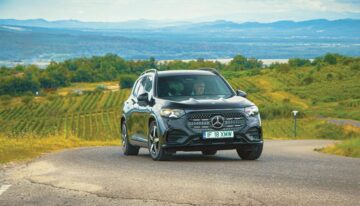
The Mercedes EQB is a compact electric SUV that offers flexibility and eco-friendly performance in a stylish package. With seating for up to seven passengers and a respectable electric range, it appeals to drivers who need both space and sustainability. The EQB’s electric drivetrain produces zero emissions while providing smooth acceleration and handling typical of Mercedes vehicles.
Interior innovations, including high-quality materials, digital displays, and connectivity options, enhance both comfort and convenience. Its compact size and efficient battery management make it suitable for urban driving, reducing environmental impact in congested areas without sacrificing luxury or functionality.
Ford F-150 Lightning: Electric Truck Innovation
For drivers who require the utility of a pickup but want to reduce their carbon footprint, the Ford F-150 Lightning offers an all-electric solution. This vehicle combines the power and capability of Ford’s iconic F-150 with zero-emission electric technology. With substantial towing capacity, advanced driver-assistance systems, and innovative features like vehicle-to-grid power support, the Lightning demonstrates how electric technology can be applied to versatile work vehicles.
The F-150 Lightning also includes energy-efficient systems, regenerative braking, and smart battery management, ensuring that the vehicle maximizes range and minimizes environmental impact. Its combination of utility and sustainability makes it a standout option for eco-conscious truck owners.
Sustainability Comparison: Mercedes vs Ford
When comparing Mercedes and Ford eco-friendly options, several key differences emerge. Mercedes vehicles often emphasize luxury, advanced materials, and high-end technology, creating a premium driving experience even in electric or hybrid models. Ford, by contrast, focuses on accessibility, practicality, and performance-oriented electric vehicles, providing eco-friendly options across different vehicle segments, including SUVs, crossovers, and trucks.
Both automakers incorporate advanced safety systems, regenerative braking, and intelligent energy management to reduce environmental impact. Mercedes leans toward high-end refinement and comfort, while Ford emphasizes versatility, affordability, and real-world usability. The choice ultimately depends on whether the driver prioritizes luxury and sophistication or practicality and performance.
Infrastructure and Charging Considerations
Adopting eco-friendly vehicles requires attention to charging infrastructure and convenience. Mercedes and Ford provide options for home charging, fast-charging networks, and smartphone integration to monitor battery status and range. Ford’s charging network benefits from widespread compatibility with public chargers, while Mercedes invests in premium charging solutions with features like automated route planning to locate charging stations efficiently.
Understanding charging needs and planning trips accordingly is essential for maximizing the benefits of electric or plug-in hybrid vehicles. Both automakers offer resources and customer support to assist drivers in adapting to this new driving paradigm.
Economic and Environmental Benefits
Eco-friendly vehicles from Mercedes and Ford provide notable financial and environmental advantages. Electric vehicles reduce fuel costs, lower maintenance requirements due to fewer moving parts, and may qualify for federal or state incentives. Plug-in hybrids allow drivers to enjoy electric efficiency for short trips while retaining the flexibility of gasoline power for extended journeys.
Environmentally, these vehicles produce fewer greenhouse gas emissions compared to traditional internal combustion engines, contributing to cleaner air and reduced carbon footprint. By choosing electric or hybrid options, drivers actively support sustainable transportation and help drive the automotive industry toward greener innovation.
Consumer Guidance from Buick Dealers in PA
Prospective buyers looking to explore eco-friendly options from different manufacturers can gain valuable insights by consulting experts at Buick dealers in PA. While the dealership primarily focuses on Buick models, knowledgeable staff can provide comparisons, guidance on electric and hybrid vehicle features, and advice on which models align with consumer needs. Test drives, informational resources, and consultation services help consumers make informed choices between Mercedes luxury EVs and Ford’s performance-oriented electric and hybrid vehicles.
Future Outlook for Eco-Friendly Vehicles
Both Mercedes and Ford are committed to expanding their eco-friendly vehicle lineups in response to growing consumer demand and stricter emissions regulations. Mercedes continues to innovate with luxury electric sedans, SUVs, and hybrids, while Ford focuses on electric trucks, crossovers, and hybrid models that offer practical solutions for everyday driving. As battery technology improves, charging networks expand, and manufacturing becomes more sustainable, eco-friendly options are likely to become mainstream, offering more choices and convenience for drivers seeking greener alternatives.
Conclusion: Choosing the Right Eco-Friendly Vehicle
The competition between Mercedes and Ford in the eco-friendly segment showcases diverse approaches to sustainable driving. Mercedes prioritizes luxury, refinement, and advanced technology, providing premium electric and hybrid options for drivers who want sophistication alongside efficiency. Ford emphasizes versatility, affordability, and practical performance, offering options ranging from compact hybrids to full-size electric trucks.
For consumers exploring these alternatives, understand their benefits, and make informed decisions based on personal needs. Whether choosing the luxury and innovation of Mercedes or the practicality and performance of Ford, eco-friendly vehicles represent a significant step toward reducing environmental impact while enjoying modern driving experiences.