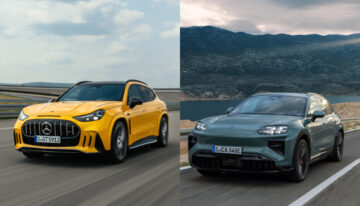
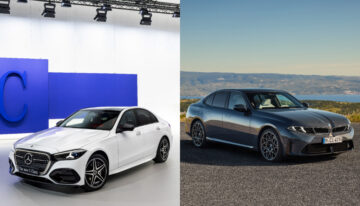
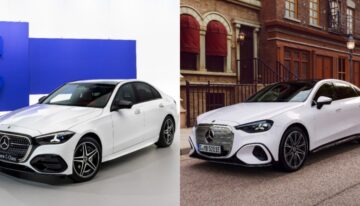
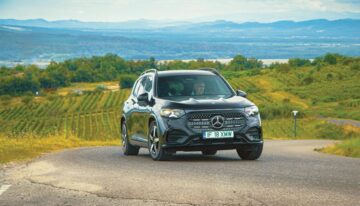
Choosing between GMC and Mercedes-Benz depends on your driving habits, budget, and expectations for comfort and performance. Both brands offer well-equipped vehicles, but they approach the driving experience differently. GMC focuses on capable trucks, versatile SUVs, and practical features for everyday use, while Mercedes-Benz emphasizes luxury, refined handling, and premium interior design.
Drivers comparing these options can explore available models at Lipscomb Bowie and consider which features best match their needs. Understanding the differences in technology, comfort, and long-term expenses can help you make a confident decision.
Features and Technology
GMC vehicles are designed to combine functionality with modern convenience. Depending on the model and trim, drivers may find touchscreen infotainment systems, smartphone integration, digital driver displays, parking assistance, and advanced safety technologies. GMC trucks and SUVs also offer practical features such as flexible cargo areas, useful storage solutions, and available towing technology.
Mercedes-Benz takes a more luxury-oriented approach to technology. Many models feature sophisticated digital displays, premium infotainment systems, customizable settings, and available driver-assistance features. Interior technology is often designed to create a polished and connected driving experience.
Both manufacturers offer useful innovations, but equipment varies by model and trim. GMC may appeal to drivers who prioritize functionality and capability, while Mercedes-Benz can attract those who value an upscale digital environment.
Comfort and Interior Quality
Comfort matters when commuting, running errands, or traveling long distances. GMC offers spacious cabins in many of its SUVs and trucks, with supportive seating, practical controls, and generous passenger or cargo room in selected models. Larger SUVs can accommodate families, while trucks provide a comfortable driving position alongside their work-focused capabilities.
Mercedes-Benz generally places greater emphasis on luxury materials, cabin refinement, and sophisticated styling. Depending on the model, features may include premium upholstery, ambient lighting, quiet interiors, and additional seat adjustments. These details can make daily driving feel more relaxing.
However, comfort is not determined by a brand alone. A well-equipped GMC may provide more useful space for a particular household, while a Mercedes-Benz sedan may offer a more refined experience for highway commuting. Comparing individual vehicles and sitting in them before purchasing can reveal which interior suits you best.
Performance and Driving Capability
GMC and Mercedes-Benz serve different driving priorities across much of their lineups. GMC is particularly known for trucks and SUVs that balance everyday usability with available capability. Depending on configuration, certain models can handle towing, hauling, and travel on challenging surfaces. Drivers who need a vehicle for work, outdoor activities, or family transportation may appreciate this versatility.
Mercedes-Benz focuses on smooth power delivery, responsive handling, and ride refinement. Its sedans and SUVs are often designed to balance performance with comfort, while selected performance models offer more powerful engines and sportier driving characteristics.
Your intended use should guide the decision. If you regularly tow equipment or carry substantial cargo, examine the specific GMC model’s towing capacity and payload ratings. If your priorities include a composed highway ride, responsive steering, and refined acceleration, compare suitable Mercedes-Benz models with similar alternatives from GMC.
Fuel Economy and Daily Driving
Fuel costs can influence the overall expense of vehicle ownership, particularly for drivers who commute long distances. Actual fuel economy depends on the engine, vehicle size, drivetrain, driving conditions, and maintenance.
Smaller vehicles and some crossovers may be more economical for routine commuting than larger trucks and full-size SUVs. GMC buyers who need a truck should compare engine options and official fuel-economy estimates, while Mercedes-Benz shoppers should evaluate the efficiency of their preferred sedan or SUV.
Consider your typical driving pattern. Frequent city trips may produce different fuel consumption from steady highway travel. Test-driving vehicles on familiar roads can also help you assess visibility, maneuverability, braking, and overall comfort.
Ownership Costs and Maintenance
The purchase price is only one part of owning a vehicle. Insurance, scheduled maintenance, repairs, fuel, tires, and depreciation all contribute to the total cost.
GMC offers vehicles across several categories and price points. Its trucks and SUVs can provide substantial capability, but larger vehicles may require more fuel and more expensive tires. Maintenance costs depend on the model, engine, mileage, and service requirements.
Mercedes-Benz is positioned as a premium brand, and certain models may involve higher servicing and repair expenses. Specialized parts, advanced systems, and labor costs can increase bills, especially after warranty coverage ends.
Before deciding, request insurance estimates and review maintenance schedules for the exact vehicles you are considering. For used models, check service records, vehicle history, remaining warranty coverage, and the condition of major components. These steps provide a clearer picture of long-term affordability.
Which Brand Fits Your Lifestyle?
GMC may be the stronger option for drivers who need practical versatility, truck capability, spacious SUVs, or features that support work and recreation. Its lineup offers choices for families, commuters, and people who regularly transport equipment or cargo.
Mercedes-Benz may suit drivers who place greater importance on premium cabin materials, refined road manners, sophisticated technology, and luxury-focused design. Its vehicles can be especially appealing for commuters and travelers who want a comfortable, upscale experience.
To make a fair comparison, choose vehicles of similar size and purpose. Compare standard equipment, safety features, warranty terms, cargo space, fuel economy, and total ownership expenses. A test drive can help determine whether the vehicle feels right for your daily routine.
Conclusion
GMC and Mercedes-Benz offer different strengths, making the best choice dependent on individual priorities. GMC emphasizes versatility, useful capability, and practical features, while Mercedes-Benz focuses on luxury, comfort, and refined performance. Both can be suitable for everyday driving when matched to the right needs. By comparing specific models, evaluating maintenance and fuel costs, and taking test drives, you can choose a vehicle that balances comfort, features, and affordability over the long term.