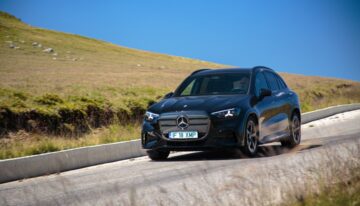
Choosing a vehicle for everyday driving involves more than comparing horsepower or exterior styling. Daily drivers need to handle commuting, errands, family trips, highway travel, parking, and changing road conditions with a practical balance of comfort and capability. Chevrolet and Mercedes-Benz approach these needs from different positions in the automotive market.
Chevrolet offers a broad lineup of cars, SUVs, trucks, and electric vehicles, while Mercedes-Benz emphasizes luxury, technology, refinement, and premium driving experiences. For shoppers exploring options through Prince Automotive, understanding these differences can make it easier to identify the type of vehicle that fits their routine.
Both brands offer vehicles designed for regular road use, but their priorities can differ significantly. Looking at comfort, performance, technology, practicality, efficiency, and ownership considerations provides a clearer picture of what each brings to everyday driving.
Vehicle Choices for Daily Use
Chevrolet has a particularly broad range of vehicles for everyday transportation. Its current U.S. lineup includes compact SUVs such as the Trax and Trailblazer, midsize options such as the Equinox and Blazer, larger SUVs including the Traverse, Tahoe, and Suburban, as well as trucks and electric vehicles.
This variety gives Chevrolet shoppers several ways to approach daily transportation. A small SUV can make city driving and parking easier, while a larger model can provide additional passenger and cargo capacity. Chevrolet also offers electric options such as the Equinox EV and Blazer EV for drivers interested in electric transportation.
Mercedes-Benz also provides a wide selection of vehicles, including sedans, SUVs, electric vehicles, coupes, convertibles, and performance-oriented AMG models. Its current SUV range includes the GLA, GLB, GLC, GLE, and GLS, along with electric alternatives.
Comfort During Daily Commutes
Comfort can have a major effect on how enjoyable a vehicle feels after hours behind the wheel. Mercedes-Benz has traditionally placed considerable emphasis on cabin refinement, seating comfort, materials, quietness, and technology.
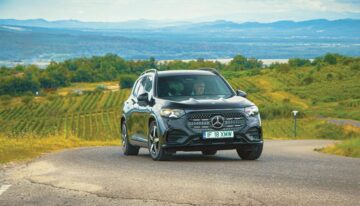
Models such as the GLC, GLE, and GLS provide different levels of interior space while incorporating luxury-oriented features. Mercedes-Benz describes its SUV lineup around comfort, versatility, and capability, giving drivers several choices depending on their passenger and cargo requirements.
Chevrolet approaches comfort with a broader focus on usability. Many of its SUVs provide practical seating arrangements, accessible controls, useful storage areas, and cargo flexibility. Larger models such as the Tahoe and Suburban are particularly focused on passenger and cargo capacity, with the current Suburban offering up to 144.5 cubic feet of maximum cargo volume.
For everyday driving, the difference often comes down to priorities. A driver who places greater emphasis on premium cabin details may focus on Mercedes-Benz, while someone prioritizing space and practical utility may find Chevrolet’s larger vehicles appealing.
Performance and Handling
Performance is another area where the brands take different approaches. Chevrolet offers everything from practical daily SUVs to high-performance vehicles. Its current performance lineup includes models such as the Blazer EV SS, which Chevrolet lists with up to 615 horsepower and 650 lb.-ft. of torque when Wide Open Watts is activated.
Mercedes-Benz similarly provides ordinary commuting vehicles alongside high-performance AMG variants. For example, the current Mercedes-AMG lineup includes performance versions of vehicles such as the GLA, GLB, and GLC. Mercedes-Benz also offers plug-in hybrid AMG models that combine electrification with high output.
For everyday driving, however, maximum performance is not always the most important consideration. Smooth acceleration, predictable steering, comfortable suspension, and easy maneuverability can matter more during a typical commute.
Technology and Connectivity
Modern vehicles increasingly function as mobile technology platforms. Drivers expect convenient smartphone integration, navigation, driver-assistance features, digital displays, and intuitive controls.
Chevrolet incorporates technology throughout its lineup, including infotainment systems, available advanced safety features, and technology designed to make daily driving more convenient. Its electric models also introduce additional systems for managing charging and electric range.
Mercedes-Benz places a strong emphasis on digital technology and connected experiences. Its current lineup includes vehicles with advanced infotainment systems and access to the Mercedes-Benz app, which gives owners additional ways to interact with their vehicles.
The exact equipment varies considerably by model and trim, so shoppers should compare individual vehicles rather than assuming every Chevrolet or Mercedes-Benz includes the same technology.
Fuel Efficiency and Electric Options
Efficiency is becoming increasingly important for everyday drivers. Chevrolet currently offers gasoline-powered vehicles alongside a growing selection of electric models. The Equinox EV, for example, is listed with an EPA-estimated range of up to 319 miles in its front-wheel-drive configuration, while the Blazer EV is listed with up to 312 miles of range.
Mercedes-Benz also offers a substantial electric lineup, including the GLC Electric SUV, EQB, EQE, and EQS models. Its lineup also includes plug-in hybrid vehicles such as the GLC 350e and GLE 450e.
For daily commuting, an EV can reduce dependence on gasoline, while a hybrid or plug-in hybrid can provide another approach for drivers who want electrification without relying entirely on battery power.
Practicality for Families
Family transportation often requires more than a comfortable front seat. Rear-seat space, cargo capacity, easy access, and flexible storage can become important every day.
Chevrolet’s SUV lineup provides several size categories. The Traverse can seat up to eight people, while the Tahoe and Suburban can accommodate up to nine depending on configuration.
Mercedes-Benz also offers family-oriented SUVs, with the GLS providing a larger three-row configuration and models such as the GLC and GLE occupying smaller segments.
For families, the right choice can depend heavily on the number of passengers and how much equipment they regularly carry. A compact SUV may be easier to maneuver around town, while a larger three-row vehicle can provide more flexibility for road trips and family activities.
Driving in the City
Urban driving creates its own set of challenges. Narrow streets, crowded parking lots, frequent stops, and heavy traffic can make vehicle size especially important.
Smaller Chevrolet models such as the Trax and Trailblazer provide relatively compact options within the brand’s SUV lineup. Mercedes-Benz offers similarly positioned vehicles such as the GLA and GLB.
A smaller vehicle can simplify parking and maneuvering, while features such as parking cameras, sensors, and driver-assistance technology can make busy environments easier to navigate.
Highway and Long-Distance Driving
Highway driving places greater emphasis on stability, seating comfort, cabin quietness, cargo room, and driver assistance. Both manufacturers offer vehicles designed for longer journeys.
Mercedes-Benz focuses strongly on premium road-going comfort, while Chevrolet provides a range of vehicles that can combine passenger space with substantial cargo capacity. Larger Chevrolet SUVs can be especially useful for families carrying luggage or recreational equipment.
Electric models from both manufacturers also introduce another consideration: charging planning. For long-distance travel, drivers need to consider range, charging infrastructure, weather, traffic, and driving conditions rather than looking at the advertised range alone.
Cost and Overall Ownership Considerations
Purchase price is only one part of the cost of owning a vehicle. Insurance, fuel or electricity, maintenance, tires, depreciation, financing, and repair expenses can all influence the long-term cost.
Chevrolet’s broad lineup includes relatively accessible entry points, while Mercedes-Benz generally occupies a more premium market position. Current Chevrolet models such as the Trax and Trailblazer start at lower price points than many Mercedes-Benz models such as the GLA and GLB.
However, comparing brands at the general level can be misleading. A better approach is to compare specific models with similar size, drivetrain, equipment, and intended use.
Choosing Between Chevrolet and Mercedes-Benz
The differences between Chevrolet and Mercedes-Benz become clearer when daily priorities are considered. Chevrolet provides a broad selection of practical vehicles, including SUVs, trucks, performance models, and EVs. Mercedes-Benz offers sedans, SUVs, EVs, and AMG performance models with a stronger emphasis on luxury and premium technology.
Instead of focusing only on brand reputation, drivers should consider how a vehicle will actually be used. Daily mileage, passenger needs, cargo requirements, road conditions, parking availability, fuel or charging access, and desired features can all influence the decision.
Conclusion
Chevrolet and Mercedes-Benz offer different approaches to everyday driving, but both provide vehicles capable of serving commuters, families, and drivers with varied transportation needs. Chevrolet’s lineup emphasizes breadth, practicality, utility, performance choices, and increasingly extensive electric options. Mercedes-Benz focuses more heavily on luxury, refinement, advanced technology, and premium performance while also expanding its electric range.
The most useful comparison is therefore not simply Chevrolet versus Mercedes-Benz as brands. Instead, drivers should compare individual models according to their daily routines. A compact SUV may be ideal for city commuting, a three-row SUV may make more sense for a large family, and an EV or hybrid may suit someone looking to change how they fuel their vehicle.
By considering comfort, practicality, performance, technology, efficiency, and total ownership needs together, shoppers can better understand which type of vehicle fits their everyday driving requirements.