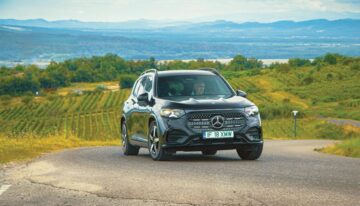
Buying a used car can be a smart way to get the features and performance you want without paying the price of a brand-new vehicle. However, choosing between a used Mercedes-Benz and a used Honda involves more than comparing purchase prices. Mercedes-Benz is known for luxury, refined performance, and premium interiors, while Honda has a reputation for practicality, fuel efficiency, and dependable everyday transportation.
Drivers exploring used cars in Grants Pass can benefit from comparing both brands carefully. The best choice depends on your budget, driving habits, maintenance expectations, and desired ownership experience.
Purchase Price and Overall Value
One of the biggest differences between used Mercedes-Benz and Honda vehicles is their purchase price. Mercedes-Benz models often depreciate significantly from their original prices, which can make a previously expensive luxury car more accessible to used-car buyers.
However, a lower resale price does not necessarily mean a lower overall cost. Luxury vehicles may have more complex systems and specialized components that can make repairs expensive. Buyers should consider the vehicle’s age, mileage, service history, and current condition before deciding whether the asking price represents good value.
Used Honda vehicles are often attractive to budget-conscious shoppers because many models offer practical features, efficient engines, and broad everyday usability. Popular options such as the Civic, Accord, and CR-V serve different needs, from commuting to family transportation.
If your priority is affordable transportation with predictable expenses, Honda may be the more practical option. If you want luxury features at a reduced purchase price and can manage potentially higher maintenance costs, a used Mercedes-Benz may be worth considering.
Reliability and Maintenance
Reliability is an important factor when buying any used vehicle. Both Mercedes-Benz and Honda produce vehicles that can provide years of service, but condition, maintenance history, model year, and previous driving habits all influence reliability.
Honda vehicles are widely associated with straightforward ownership and practical engineering. Routine maintenance is still essential, but many models are relatively easy to service, and replacement parts are generally accessible.
Mercedes-Benz vehicles often incorporate sophisticated engineering, advanced electronics, and premium equipment. These features can improve comfort and performance, but repairs may require specialized diagnostic tools or experienced technicians. Aging electronic systems, suspension components, and other complex parts can increase ownership expenses on some models.
Before purchasing either brand, request service records and arrange an independent pre-purchase inspection. A qualified mechanic can identify potential problems and help you estimate upcoming maintenance needs.
Comfort and Interior Features
Mercedes-Benz has a clear advantage for buyers who prioritize a luxury-focused driving experience. Depending on the model and trim, used examples may include premium upholstery, supportive seats, refined suspension systems, ambient lighting, and advanced infotainment features. These details can make commuting and long-distance driving more comfortable.
Honda takes a more practical approach to interior design. Many models offer comfortable seating, straightforward controls, useful storage, and spacious cabins. Higher trims may include leather-trimmed seats, heated front seats, upgraded audio systems, and advanced connectivity.
A used Mercedes-Benz may provide a more luxurious interior for a similar purchase price, depending on age and condition. However, older technology can feel dated, and premium features may require costly repairs. Honda’s simpler, functional design may appeal to buyers who value convenience over luxury.
Fuel Economy and Daily Driving
Fuel economy can significantly affect the cost of owning a used vehicle, especially if you commute regularly or travel long distances.
Honda offers several models designed with efficiency in mind. The Civic and Accord can be suitable for daily commuting, while certain CR-V versions balance passenger space with reasonable fuel consumption. Hybrid variants may provide additional savings, depending on the model year and condition.
Mercedes-Benz fuel economy varies widely across its lineup. Some compact models and efficient powertrains can deliver competitive mileage, while larger luxury sedans and SUVs may consume more fuel. Performance-oriented engines can also increase fuel expenses.
Compare official fuel-economy estimates for the exact model years you are considering, and remember that actual results depend on traffic, maintenance, driving style, and road conditions.
Safety and Technology
Both brands offer important safety and convenience features, but equipment differs by model year and trim.
Used Mercedes-Benz vehicles may include advanced driver-assistance systems, premium lighting, parking sensors, navigation, and sophisticated infotainment technology. Some of these features were optional, so verify that the specific vehicle has the equipment you want.
Honda models may offer features such as a rearview camera, automatic emergency braking, adaptive cruise control, and lane-keeping assistance, depending on the year and trim. Newer examples may provide a strong combination of safety technology and ease of use.
Check the vehicle identification number for relevant recall information and confirm that any required recall repairs have been completed. Do not assume a vehicle has every advertised feature simply because it belongs to a particular brand.
Resale Value and Long-Term Ownership
Resale value can affect how much a car ultimately costs you. Honda models often attract buyers looking for dependable, practical transportation, which can support demand in the used market. Strong demand may help certain models retain value, although mileage, condition, and market trends still matter.
Mercedes-Benz vehicles can offer substantial value on the used market because luxury-car depreciation may reduce their purchase prices. However, future resale value depends on the model, maintenance history, mileage, and condition. Expensive repairs can also affect the financial benefits of buying at a discount.
If you plan to keep your car for many years, prioritize maintenance records, mechanical condition, and affordability over the brand badge alone.
How to Make the Right Choice
A used Mercedes-Benz may be worth it if you value premium comfort, refined driving, and luxury features—and have enough room in your budget for potentially higher maintenance and repair costs.
A used Honda may be the better choice if you want practical transportation, efficient performance, and a potentially simpler ownership experience.
Before deciding, compare vehicles with similar mileage and condition. Review insurance quotes, estimate maintenance expenses, take a test drive, and obtain an independent inspection. These steps can help you avoid unexpected costs and choose a vehicle that suits your needs.
Conclusion
A used Mercedes-Benz can deliver an impressive luxury experience at a more accessible price, but its maintenance and repair expenses may be higher than those of a comparable Honda. Honda generally appeals to buyers who prioritize practicality, fuel efficiency, and manageable ownership costs. Neither option is automatically better for every shopper. By evaluating the specific vehicle’s history, condition, features, and long-term expenses, you can decide whether luxury or everyday practicality offers the best value for your budget.