
The automotive retail landscape has changed significantly in recent years. Traditionally, dealerships depended on local customers visiting showrooms to purchase vehicles. Now, many are expanding beyond local markets and selling to buyers nationwide.
This nationwide approach now extends beyond luxury or specialty dealerships. Independent dealers, franchise dealerships, online retailers, and wholesalers increasingly serve customers located hundreds or thousands of miles away. Advances in digital retailing, online financing, vehicle transportation, and evolving customer expectations have made nationwide car sales practical and profitable.
This shift has led to a significant increase in interstate vehicle shipping for the U.S. auto transport industry. Dealers now rely on dependable transportation networks to move inventory efficiently between states, ensuring buyers receive vehicles quickly and safely.
This article examines why more dealers are selling cars nationwide, the factors driving this trend, and the critical role of professional auto transport in today’s automotive marketplace.
The Traditional Local Dealership Model
Dealerships catered mostly to customers who could drive there for many years. On the same day, customers drove their cars home after visiting the lot, comparing inventory, and haggling over prices. This local-first strategy made sense due to:
- Inventory visibility was limited.
- Buyers preferred in-person inspections.
- Financing was usually handled at the dealership.
- Interstate vehicle purchasing involved complicated paperwork.
- Shipping vehicles was considered expensive and uncommon.
Consequently, dealers mostly faced off against local rivals. These geographical restrictions have mostly vanished in modern times.
The Rise of Digital Car Shopping
The increasing growth of online car shopping is one of the main reasons dealerships are now selling nationally. Nowadays, almost all car purchases start online. They use digital channels to interact with dealerships, study models, view video walkarounds, read vehicle history reports, and compare costs.
Rather than looking for “the best car nearby,” consumers now look for:
- Lowest nationwide price
- Rare vehicle configurations
- Certified pre-owned inventory
- Specialty trucks or SUVs
- Low-mileage used vehicles
- Limited edition models
Many consumers feel at ease making remote purchases when the perfect car is located in another state. Dealerships can now market their inventory to millions of potential buyers, rather than just those in their local area or city, thanks to this change.
Dealers Are No Longer Limited by Geography
The internet has eliminated many geographic barriers. For example, a dealership in Texas can now sell a pickup truck to a customer in Michigan, while a Florida dealership may attract New York buyers seeking rust-free vehicles.
California dealers often sell electric vehicles to buyers in neighboring states. Rather than relying only on local demand, dealerships now match inventory with buyers nationwide. This expanded customer base leads to:
- Faster inventory turnover
- Higher sales volume
- Reduced aging inventory
- Better pricing opportunities
- Improved profitability
Selling nationwide allows dealers to reach markets where certain vehicle types are more in demand.
Inventory Shortages Changed Dealer Strategies
Recent supply chain disruptions have required dealerships to adjust inventory management. With limited new vehicle production and reduced stock, dealers began sourcing vehicles from:
- Out-of-state auctions
- Trade-ins across multiple states
- Fleet liquidations
- Rental companies
- Dealer-to-dealer exchanges
After adapting to nationwide vehicle sourcing, dealerships naturally expanded to nationwide sales. Dealers realized they could reach customers wherever demand existed, rather than limiting inventory to local buyers.
Consumers Have Become Comfortable Buying Vehicles Sight Unseen
It used to be risky to buy a car without going to the dealership. Nowadays, consumers can access:
- High-resolution photos
- 360-degree virtual tours
- Video inspections
- Third-party vehicle history reports
- Digital purchase agreements
- Electronic signatures
Many dealerships now offer detailed condition reports and live video calls with sales representatives. As consumer confidence in online purchasing has increased, interstate vehicle sales have become more common. Professional auto transport services deliver vehicles directly to buyers’ homes.
Better Pricing Drives Nationwide Sales
Vehicle prices often differ significantly by region. For example:
- Trucks may be more affordable in southern states.
- Convertibles may be plentiful in warm climates.
- All-wheel-drive SUVs may command higher prices in snowy regions.
- Electric vehicles may be more readily available in certain metropolitan markets.
Buyers often save thousands by purchasing from out-of-state dealerships. Even with transportation costs, the total price can be lower than buying locally. Dealers leverage this advantage by marketing inventory to nationwide audiences.
Dealers Can Reach Specialized Buyers
Some vehicles attract niche buyers who may not be present locally. Examples include:
- High-performance sports cars
- Classic vehicles
- Heavy-duty diesel trucks
- Luxury SUVs
- Electric vehicles
- Commercial fleet vehicles
- Lifted off-road trucks
- Collector editions
Instead of waiting for a local buyer, dealerships can market these vehicles nationwide. A larger buyer pool increases the chances of securing market value.
Online Marketplaces Have Expanded Dealer Reach
The way dealerships draw customers has changed as a result of large online car markets. Dealers increasingly post inventory on national platforms where consumers can compare thousands of automobiles, rather than relying solely on regional websites, local television, or newspaper ads. Buyers can find cars using search filters based on:
- Price
- Mileage
- Color
- Trim level
- Features
- Vehicle history
- Distance
Many buyers expand their search to include the entire United States. For dealerships, this significantly increases inventory exposure without the need for more physical locations.
Interstate Auto Transport Makes Nationwide Sales Practical
Nationwide sales depend on reliable vehicle transportation. Professional auto transport companies connect dealerships with customers across the country through organized logistics networks. Vehicles can be shipped using:
- Open auto carriers
- Enclosed transport for specialty vehicles
- Multi-car dealership shipments
- Expedited transport services
- Door-to-door delivery
Reliable shipping enables dealerships to complete sales with buyers who never visit the showroom. For customers, transportation streamlines the process by eliminating long-distance travel and reducing mileage on new vehicles.
Dealer-to-Dealer Transfers Are Increasing
Nationwide sales are supported by dealer inventory exchanges. When a desired vehicle is unavailable locally, dealerships source inventory from out-of-state dealers. These transfers offer several benefits:
- Customers receive the exact vehicle they want.
- Dealers complete more sales.
- Inventory moves more efficiently.
- Manufacturers improve allocation performance.
Professional vehicle transport providers ensure safe and timely coordination of these transfers.
Faster Inventory Turnover Improves Profitability
Each vehicle on a dealership lot incurs carrying costs, including:
- Floorplan financing
- Insurance
- Storage
- Maintenance
- Depreciation
The longer inventory remains unsold, the higher the costs for the dealership. Nationwide sales increase exposure and accelerate sales. Faster turnover allows dealers to:
- Purchase fresh inventory
- Reduce financing expenses
- Improve cash flow
- Increase annual sales volume
From a company’s standpoint, expanding beyond local markets is often a wise financial move.
Auto Auctions Support Nationwide Commerce
Wholesale auto auctions are now highly interconnected nationwide. Dealers frequently purchase inventory from distant auctions, then transport vehicles to:
- Retail dealerships
- Reconditioning centers
- Distribution facilities
- Direct retail customers
Efficient transportation networks enable these nationwide transactions and keep inventory moving through the automotive supply chain.
Financing Has Become Simpler Across State Lines
Digital financing has removed a major barrier to interstate vehicle purchases. Today, buyers can often:
- Complete credit applications online
- Receive financing approval remotely
- Upload identification securely
- Sign contracts electronically
- Arrange insurance before delivery
The buying experience now closely resembles a local purchase, with transportation as the final step. This convenience encourages more consumers to shop nationally rather than limit themselves to local dealerships.
Customer Expectations Continue to Change
Modern buyers value convenience and expect access to their preferred vehicle, not just what is locally available. Many now prefer:
- Transparent online pricing
- Home delivery
- Remote paperwork
- Digital communication
- Flexible transportation options
Dealerships serving nationwide customers are better positioned to meet these changing expectations and expand their market reach.
Auto Transport Has Become More Efficient
The growth of nationwide vehicle sales is driven by advances in transportation logistics. The vehicle shipping industry now benefits from:
- Larger carrier networks
- Better route optimization
- GPS shipment tracking
- Electronic inspections
- Digital scheduling systems
- Improved communication throughout transit
These advancements reduce delays and improve reliability for both dealerships and customers. As transportation efficiency increases, interstate vehicle purchases become more appealing.
Benefits for Vehicle Buyers
Nationwide dealership sales offer several advantages for consumers.
· Greater Vehicle Selection
Buyers can access inventory from thousands of dealerships instead of only those nearby.
· Better Prices
Shopping across multiple markets increases opportunities to secure competitive pricing.
· Rare Vehicle Availability
It is easier to find special trims, colors, and configurations.
· Reduced Travel
Professional shipping removes the need for costly cross-country travel.
· Increased Convenience
Digital purchasing and home delivery create a streamlined buying experience.
Challenges Dealers Must Manage
Nationwide selling has numerous advantages, but it also comes with new obligations. Dealerships need to properly plan:
- Vehicle inspections
- State-specific paperwork
- Title processing
- Transportation scheduling
- Delivery timelines
- Customer communication
Successful nationwide sales require accurate logistics planning and reliable transportation partners. Experienced auto transport providers simplify this process by coordinating pickup, transit, and delivery.
The Future of Nationwide Vehicle Sales
Industry trends indicate that nationwide dealership sales will continue to grow, supported by several key factors:
- Continued expansion of digital retailing
- Increased consumer confidence in online purchases
- Improved interstate transportation networks
- Growing inventory transparency
- Enhanced vehicle condition reporting
- Faster financing technology
Geographical restrictions will continue to erode as consumers become more comfortable buying cars from a distance. Dealerships that can serve clients across several states will likely remain better positioned to compete in an increasingly interconnected automotive marketplace.
For the transportation sector, this means there will always be a need for reliable interstate vehicle-shipping solutions that connect dealers, auctions, companies, and customers across the United States.
Conclusion
The conventional neighbourhood dealership model has been greatly surpassed by the car industry. Instead of relying solely on local buyers, dealers can now confidently sell cars to customers across the country thanks to digital retailing, improved financing, online marketplaces, and reliable auto transport services.
Everyone involved gains from this national strategy. Buyers benefit from more inventory options and competitive pricing, dealerships expand their market reach, and the car transport sector is essential in bridging the gap between supply and demand across state boundaries.
Nationwide car sales are predicted to play an even bigger role in the U.S. automotive sector as consumers adopt remote purchasing and technology advances. To confidently navigate the future of interstate vehicle commerce, dealerships, logistics experts, and car owners alike must comprehend this trend.







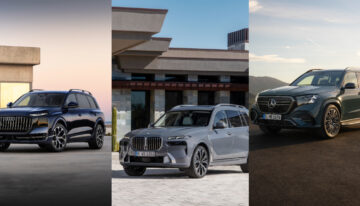
It’s interesting to see how much the buying process has shifted, especially with online options now being so widespread.