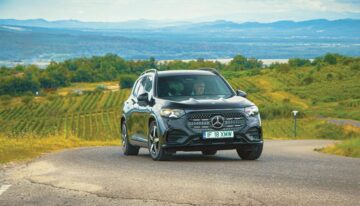
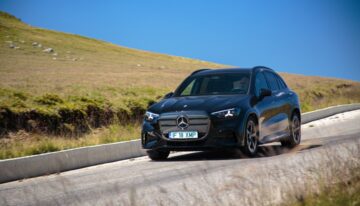
Modern luxury vehicles are equipped with increasingly sophisticated driver-assist technologies designed to enhance safety on busy roads. From adaptive cruise control to blind spot monitoring, these systems promise to reduce accidents by detecting potential hazards before human drivers might notice them. But one of the most challenging detection scenarios involves motorcycles—vehicles that are smaller, faster, and more maneuverable than traditional cars and trucks.
For luxury car enthusiasts and motorcycle riders sharing California’s crowded highways, understanding how these advanced systems work—and their limitations—can be a matter of life and death. In 2023 alone, 583 motorcyclists were killed in crashes on California roads, highlighting the ongoing safety challenges despite technological advances.
The Technology Behind Motorcycle Detection
Luxury vehicles today rely on a combination of radar, cameras, and ultrasonic sensors to detect objects around the vehicle. These Advanced Driver Assistance Systems (ADAS) process data from multiple sources to identify vehicles, pedestrians, and other obstacles. However, motorcycles present unique detection challenges due to their smaller radar cross-section and narrower profile.
High-end systems use sophisticated algorithms to differentiate between various road users. The National Highway Traffic Safety Administration recognizes several key technologies, including blind spot warning systems, lane change assist, and automatic emergency braking. These systems must account for a motorcycle’s ability to occupy different positions within a lane and change lanes more quickly than larger vehicles.
Why Motorcycles Are Harder to Detect
Despite advanced technology, motorcycles remain among the most difficult road users for automated systems to identify consistently. Their narrow profile can be obscured by larger vehicles, and their ability to travel between lanes or occupy unconventional lane positions challenges standard detection algorithms designed primarily for four-wheeled vehicles.
Weather conditions further complicate detection. Rain, fog, and glare can interfere with camera-based systems, while the motorcycle’s smaller size means it reflects less radar energy back to the sensors. Research from the National Highway Traffic Safety Administration indicates that, per vehicle miles traveled, the fatality rate for motorcyclists is almost 28 times higher than for passenger car occupants, partly due to visibility and detection challenges.
Lane Change Assist and Blind Spot Monitoring for Motorcycle Safety
Lane change assist systems represent one of the most critical technologies for preventing accidents involving motorcycles. These systems monitor adjacent lanes and alert drivers when a vehicle is detected in their blind spot. Advanced versions can provide both visual and haptic warnings, such as vibrating the steering wheel when the driver signals a lane change with a motorcycle present.
However, even the most sophisticated systems have limitations. A motorcycle accelerating from behind can enter a vehicle’s blind spot faster than the system expects based on typical car speeds. Similarly, motorcycles filtering through slow-moving traffic may not trigger alerts designed for conventional highway lane positions. Understanding these limitations becomes important when accidents occur, as determining liability often requires examining both driver behavior and technology performance.
The Gap Between Technology and Real-World Safety
While luxury vehicle manufacturers continue investing heavily in safety technology, a significant gap remains between system capabilities and real-world accident prevention. California’s diverse driving conditions—from dense urban traffic in Los Angeles to high-speed freeway corridors—present scenarios that challenge even the most advanced driver-assist systems.
When motorcycle accidents do occur, the legal implications can be complex. Questions arise about whether a driver-assist system failed to detect a motorcycle, whether the driver over-relied on the technology, or whether the motorcycle operator’s actions made detection impossible. Costa Mesa motorcycle accident attorneys often examine these technical factors when determining fault and pursuing compensation for injured riders.
What This Means for Both Drivers and Riders
For luxury vehicle owners, understanding your car’s driver-assist features is essential, but so is recognizing their limitations. These systems are designed to assist, not replace, attentive driving. When sharing the road with motorcycles, drivers should actively check blind spots, use signals well in advance, and be aware that motorcycles can be positioned anywhere within a lane.
Motorcyclists, meanwhile, benefit from understanding how they appear to these detection systems. Staying out of blind spots, using lights even during the day, and avoiding rapid lane changes can help ensure these systems detect their presence. Despite these precautions, accidents continue to occur at alarming rates across California.
As technology continues to evolve, both drivers of luxury vehicles and motorcycle riders must adapt their behavior to account for both the capabilities and limitations of modern safety systems. The most effective approach combines technological assistance with traditional defensive driving practices, always remembering that no system can replace vigilance when sharing California’s busy roads.