Elite teams like Klopp’s Liverpool and Alonso’s Leverkusen apply pressure using a combination of at least 2 players (but usually 3-7) working in concert. They act as links in the pressure chain. Elite teams understand that continuously pressuring an opponent is not merely an exhausting task. It is a form of control. Applying pressure over time can lead to mistakes by your opponent while maintaining the structural integrity of your team. Teams that are successful apply pressure thoughtfully – they don’t apply pressure foolishly.
Rest Defense Starts High
Once the defense initiates a back pass to the back third, all the defensive players move towards the attacking side. The idea isn’t for each defender to spread out, but rather to close down the opponent. The lone striker will take the role of the goalkeeper, while the two wingers will block opposing fullbacks from making long diagonal passes into open areas by cutting off their passing lanes. As with individual player movements and the team’s overall strategy, it is easy to see how an individual player’s movement defines their role in the game and the overall strategic plan. Also, the timing of the players’ movements is easily analyzed through downloading and studying the plays through the MelBet apk download. The midfield unit will advance together as one and block any possible passing options that the opponent may have, rather than solely trying to apply pressure.
Pressing by itself does not equal immediate recovery of possession. Teams such as Manchester City, or Leipzig, do not attempt to win the ball back when they initiate a press. Rather, they use the press to trap. When the initial line of pressure is broken, the second line of pressure, which has been tightened in anticipation of a breakthrough, is poised to attack. The second line of pressure provides a safety net behind the aggressive nature of the team.
Compactness Before the Trigger
Good pressing begins with control. Teams stay tight vertically and horizontally. That compactness limits choices and builds tension before anyone jumps. Then, the trigger comes.
Common pressing cues:
- Backward pass under pressure
- Poor central touch
- A slow diagonal switch
Once triggered, the block reacts. Players move in sequence. It’s not chaos — it’s a rehearsed response. And if the ball escapes, the shape holds and resets.
Two Pillars of Sustainable Pressure
Pressing is essentially an energy-based approach to managing a game. To effectively implement this approach (to prevent your players from collapsing), you need to master two elements: when to jump and how to recover from it. The ability to jump in terms of pressing relates to coordination rather than speed. The recovery process involves understanding angles, depth, and the opposing player’s intent with the ball.
The relationship between these two is symbiotic as both relate directly to each other.
Coordinated Jumping and Triggers
The other team has one dangerous player. If they have three players who press at once, that’s an opportunity for them to create an advantage over your team. When a team recognizes a trigger — a misplayed pass, a bouncing ball, a weak back pass — all players will respond to it and work as a unit to apply pressure to their opponent. The nearest player will be the first to press their opponent. The supporting players will then adjust their positioning to support the attacking player. As with timing your moves in the Gates of Olympus slot machine, there’s a rhythm and anticipation to working together to apply pressure to the opponent and ultimately take away their options—not through excessive or reckless speed.
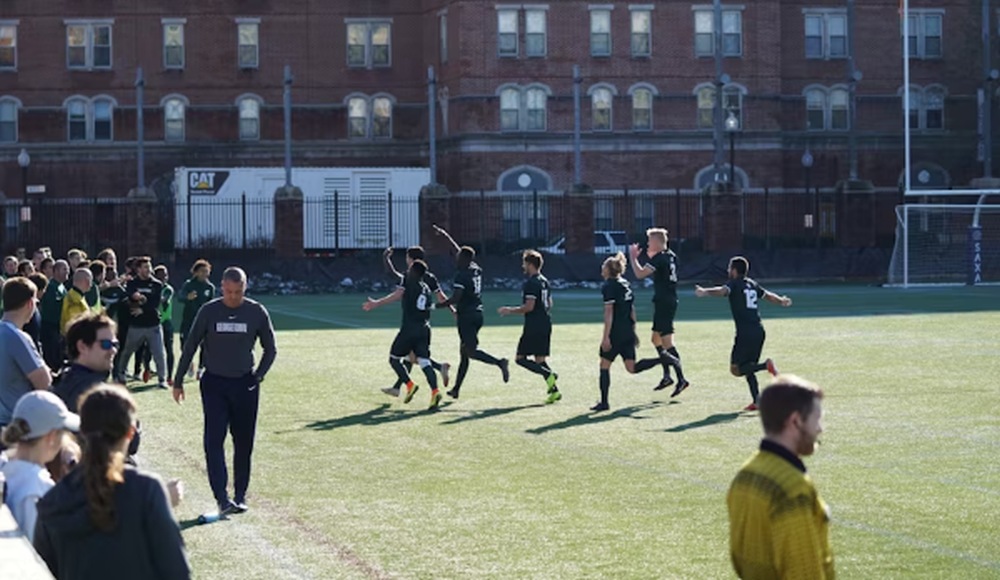
Cover Shadows and Second Line Recovery
Midfielders provide the stability when the team pushes the front line. They will also move up to block passing options (create a “shadow” of the opponent) to limit the visibility of the opponent’s pass and their ability to play forward.
Once an opponent passes around the initial pressure from the front line, the midfielders react quickly. However, they do not fall back. The midfielders are proactive in closing the next pass. This was one of the most effective parts of Spalletti’s Napoli. Zieliński and Anguissa were not chasing the opponent; they were anticipating where the next pass would go. They would then move to intercept that pass as opposed to simply moving into the vacant space.
Managing Risk During Transitions
High-pressure teams produce space for their opponents. Teams with high-quality talent are excellent at managing those risks that occur when their own pressure collapses.
When the opponent beats the high-pressure team’s defense, they do not retreat; instead, they delay until their teammates can get back into place again to create another defensive barrier to stop the opponent from creating additional offensive opportunities.
Why It Works at the Elite Level
Top teams don’t rely on intensity. They rely on connection. Every pressing move is layered and linked. Their system adjusts on the fly based on opponent actions. That’s why teams like Bayern, City, and Napoli hold high lines without panicking. Their defensive reactions are deliberate. The risk is calculated. The shape is built to absorb it.