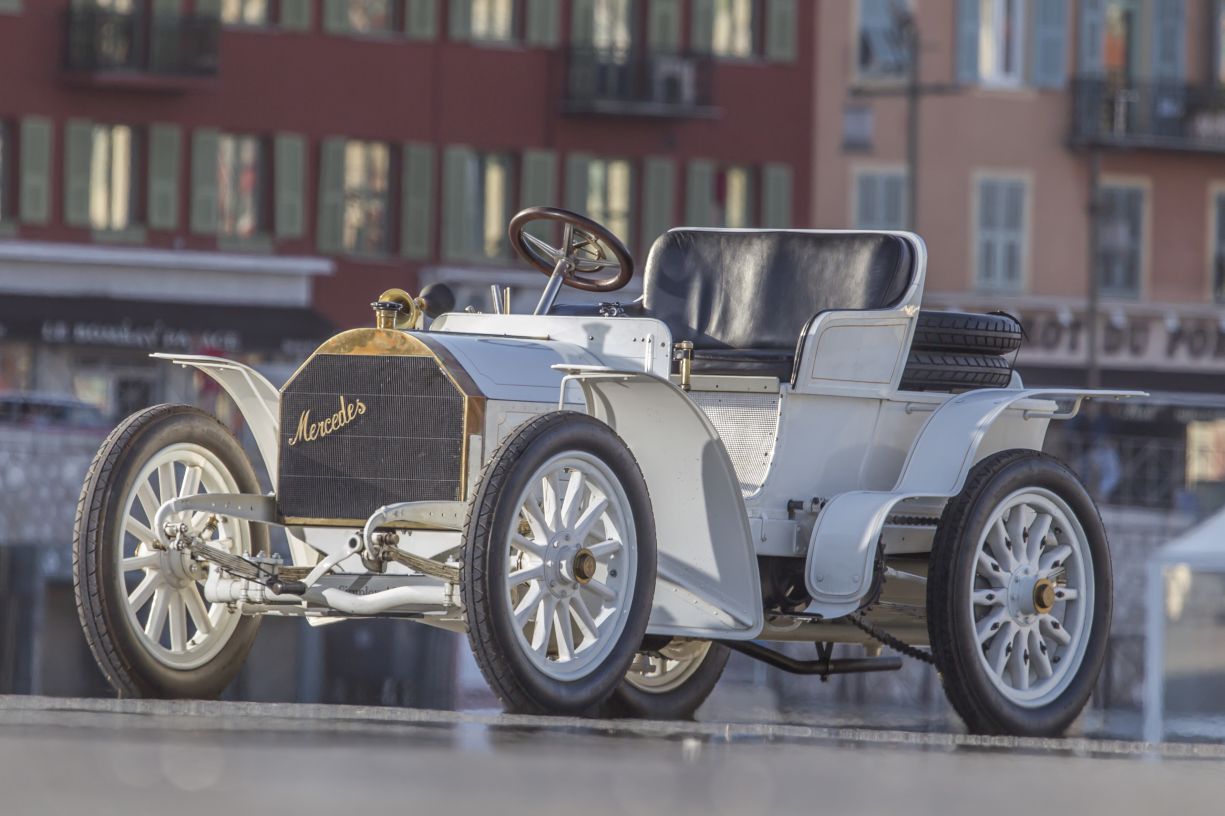
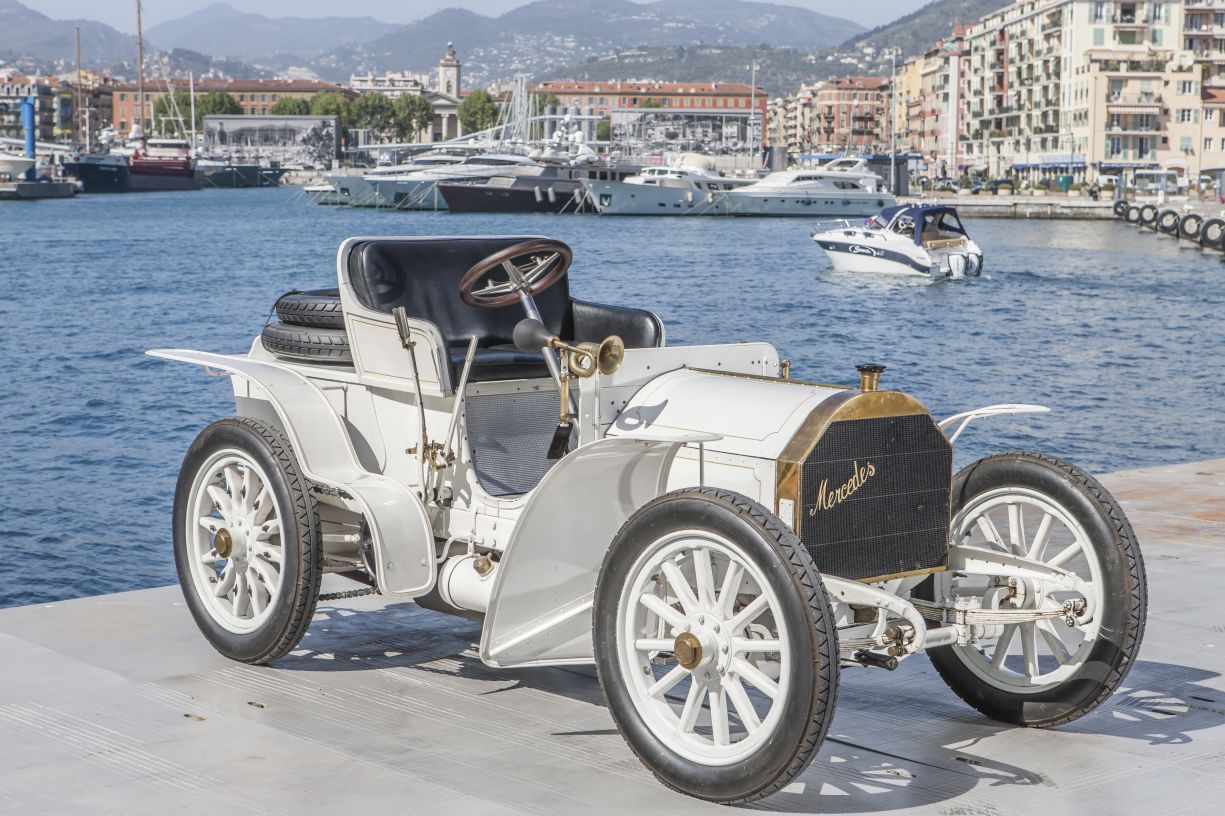
On November 22, 2025, it will be 125 years since the launch of the first Mercedes model, the Mercedes 35 hp.
The Mercedes 35 hp is the first automobile to bear the Mercedes name, having been completed on November 22, 1900, by Daimler-Motoren-Gesellschaft (DMG) in Cannstatt. It appeared 14 years after Gottlieb Daimler and Carl Benz presented, in 1886, a motorized carriage considered to be the world’s first automobile (patent number 37435).
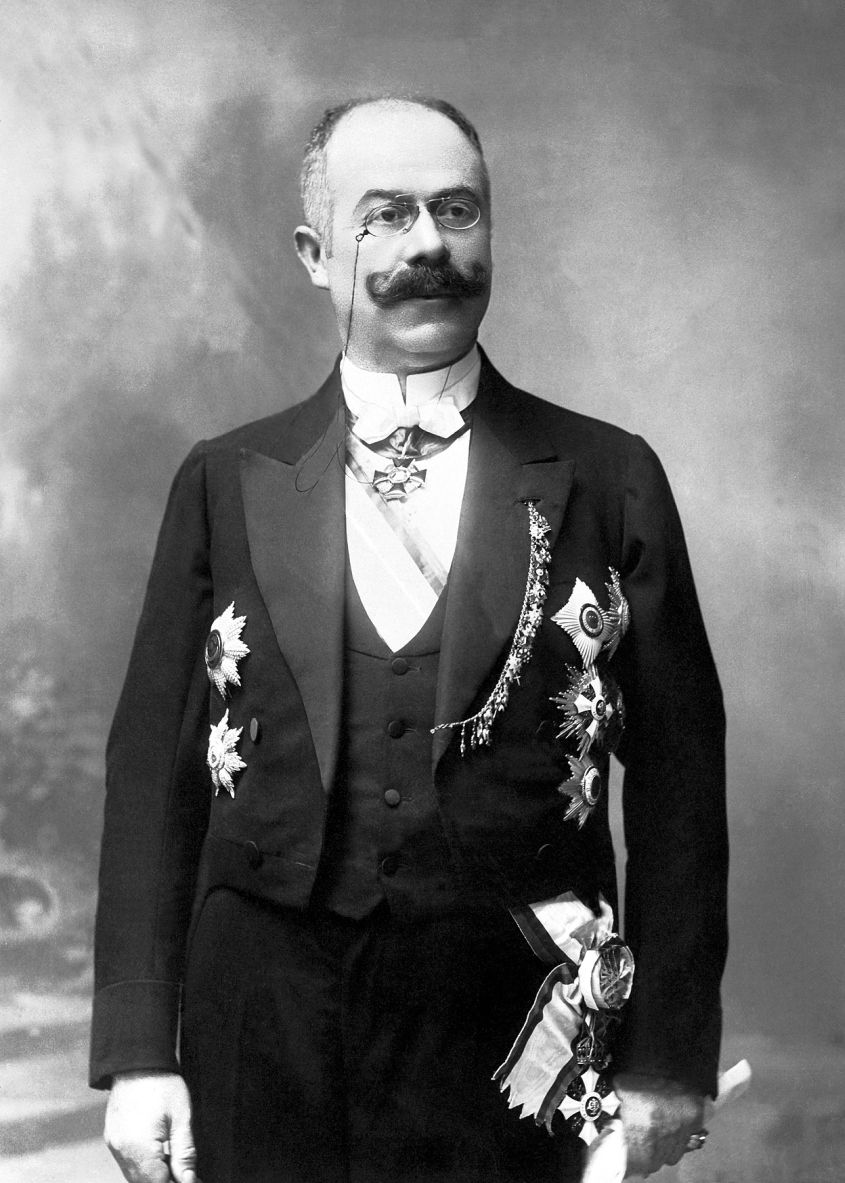
The Mercedes 35 hp was created at the request of Emil Jellinek, a business partner of DMG who was also an enthusiastic motorist. Jellinek was DMG’s most important customer at the time, ordering 72 new cars that he then sold to wealthy clients across Europe. The Mercedes 35 hp was a versatile vehicle available in several versions: a sports model that also competed in races, and a limousine equipped with a prestigious body, making it suitable for everyday use.
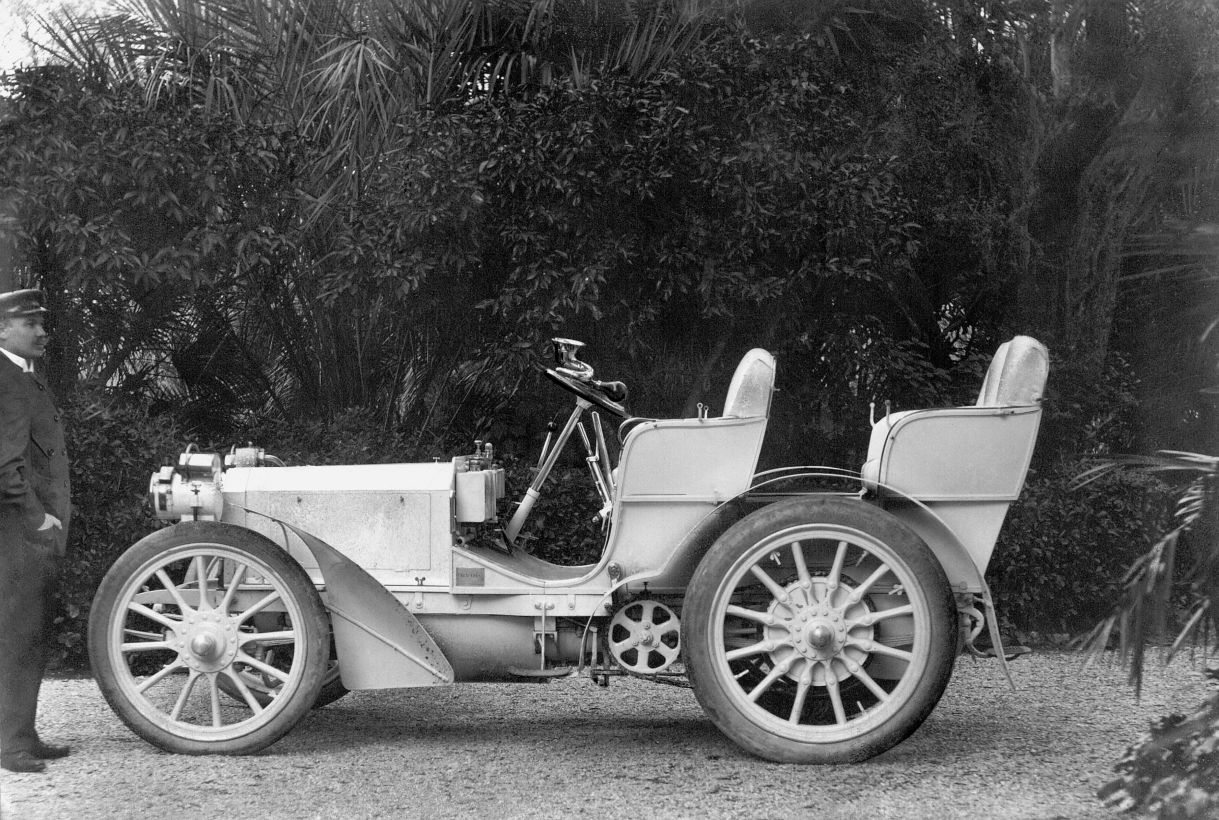
Returning to the genesis of the Mercedes 35 hp, Emil Jellinek asked DMG’s chief engineer, Wilhelm Maybach, for a modern, powerful, and safe automobile— the first model to move away from the idea of a motorized carriage. Its low center of gravity, long wheelbase, and wide track provided a previously unseen level of driving safety and stability. In addition, the car featured an angled steering column and a gearbox with a foot-operated clutch—key improvements in ergonomics and features that remain fundamental in automotive engineering to this day.
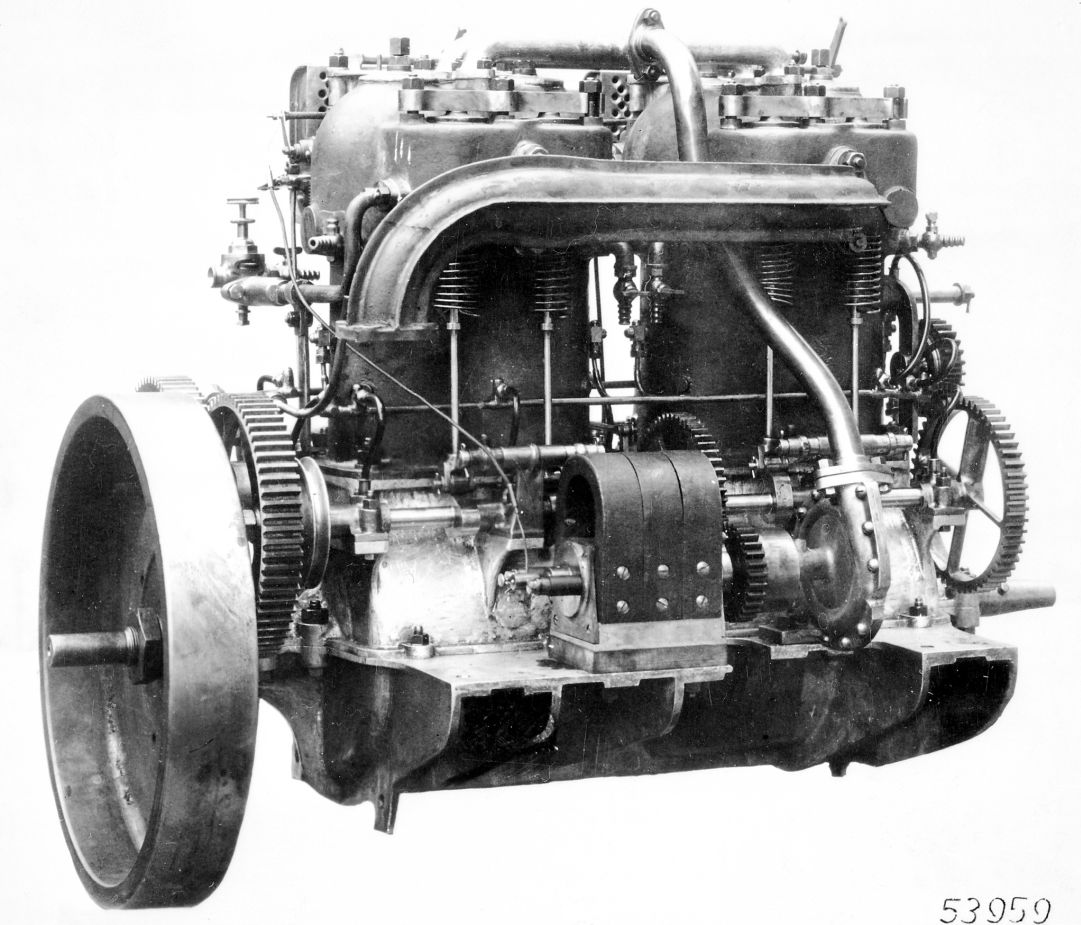
The innovative design made it possible to use a high-performance 5.9-liter, 4-cylinder engine that produced 25.7 kW (35 PS) at 950 rpm. The new design also marked the introduction of the first radiator grille. Maybach’s invention of the honeycomb radiator enabled efficient cooling, a prerequisite for achieving high performance.
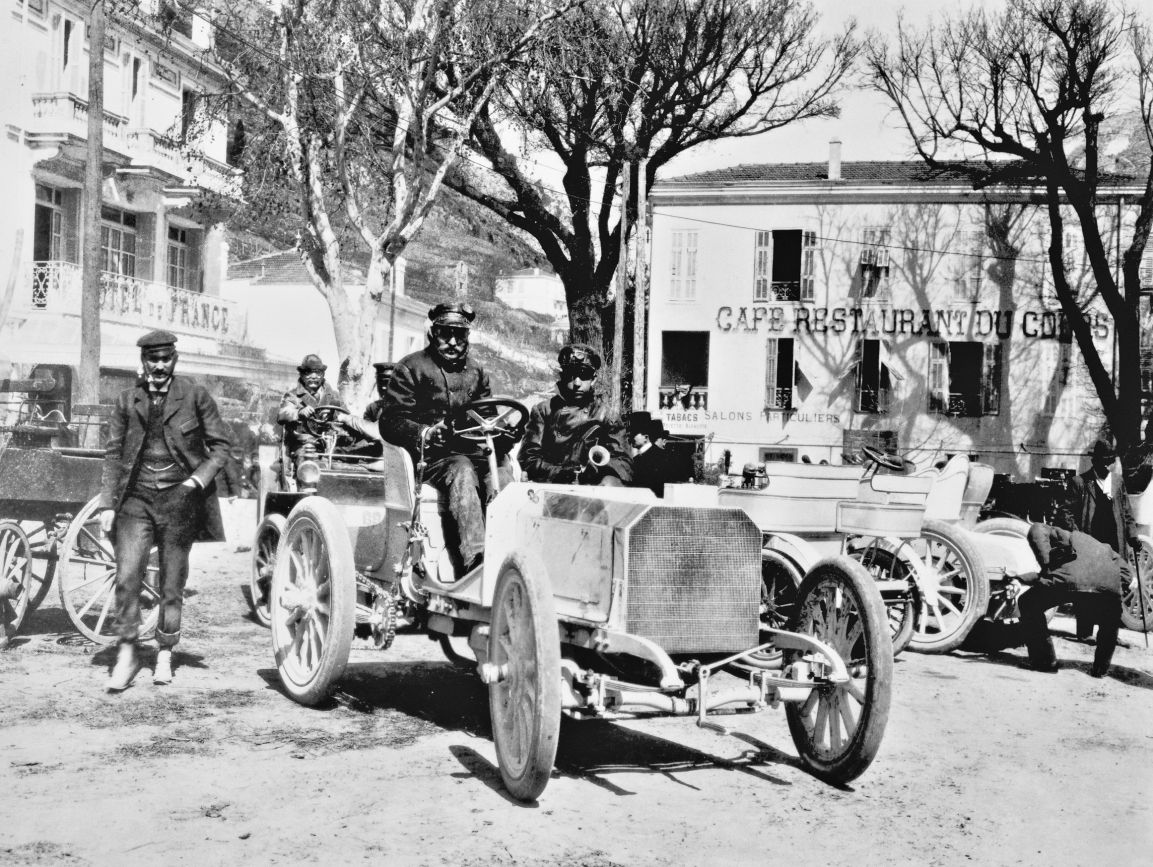
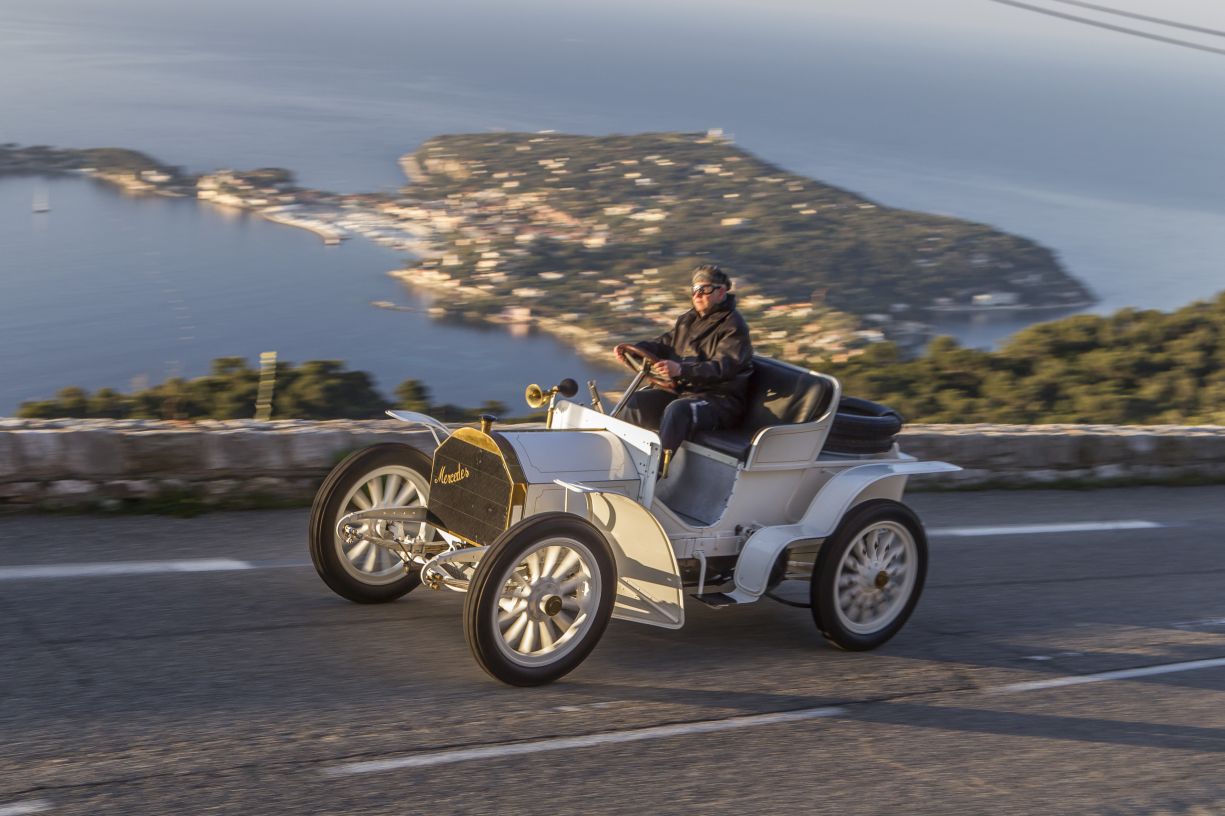
The first Mercedes model in history was delivered to Emil Jellinek on December 22, 1900, and Jellinek competed with it in Race Week in Nice, held from March 25 to 29, 1901. The Mercedes 35 hp dominated the competitions, winning the 392 km Nice–Salon–Nice race and the Nice–La Turbie hill climb.
After the Mercedes 35 hp, two derivative models followed in 1901: the Mercedes 12/16 hp and the Mercedes 8/11 hp. In 1902, Mercedes launched a new series of automobiles called Mercedes-Simplex. The name Simplex signified that the vehicle was easier to operate.
Also in 1900, DMG purchased a 185,000 m² plot of land in Untertürkheim, where the Mercedes plant is still located today. Unfortunately, Gottlieb Daimler did not live to see this moment, as he passed away on March 6, 1900, at the age of 65.