Third-row seating has become an essential feature for families, road-trip travelers, and drivers who need flexible passenger space without moving into full-size vans. Modern SUVs now offer a wide range of third-row configurations, but comfort, accessibility, and practicality can vary significantly between brands. Two commonly compared lineups in this category are Mercedes-Benz luxury SUVs and Chevrolet family-oriented SUVs, each offering different approaches to space, design, and usability.
When researching vehicle options and seating layouts, many buyers also explore resources such as Chevrolet dealers in Florida to better understand available SUV models and configurations. Comparing Mercedes and Chevrolet third-row seating options helps highlight how luxury design and practical utility differ across segments, especially for growing families or drivers needing additional passenger capacity.
Third-row seating is not just about adding extra seats; it is about accessibility, comfort, cargo balance, and long-term usability.
Overview of Third-Row Seating in Modern SUVs
Third-row seating refers to an additional seating row behind the second row, increasing passenger capacity beyond five occupants.
Depending on the vehicle, third-row seating can accommodate:
- Two passengers in compact third rows
- Three passengers in larger SUV layouts
- Flexible folding configurations for cargo space
- Adjustable seating positions for comfort
- Split-folding seat designs for versatility
Modern SUVs vary significantly in how they implement this feature.
Some prioritize luxury comfort with limited space, while others focus on maximizing passenger capacity and everyday usability.
Mercedes-Benz typically designs third-row seating for premium comfort and occasional use, while Chevrolet often emphasizes practicality, accessibility, and family-friendly functionality.
Understanding these differences helps buyers choose the right SUV based on lifestyle needs.
Mercedes-Benz Third-Row Seating: Luxury-Focused Design Approach
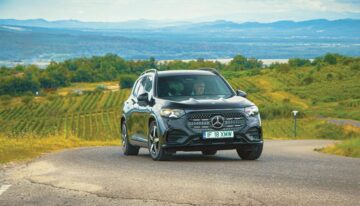
Mercedes-Benz SUVs with third-row seating are generally positioned within the luxury segment, where comfort and refinement take priority over maximum passenger capacity.
Common Mercedes SUV models with third-row seating include larger vehicles in the brand’s lineup designed to offer premium cabin experiences.
Key characteristics of Mercedes third-row seating include:
- High-quality interior materials
- Advanced seat cushioning and support
- Premium climate control integration
- Power-folding seat functionality in some models
- Quiet cabin insulation
- Refined ride comfort
In many Mercedes SUVs, the third row is designed primarily for children or occasional adult use rather than full-time passenger transport.
The focus is often on:
- Luxury finishes
- Smooth ride quality
- Sophisticated interior technology
- Comfort-oriented seating geometry
Because of this design philosophy, third-row space in Mercedes SUVs can feel more compact compared to mainstream family-focused vehicles.
Access to the third row is usually supported by sliding or folding second-row seats, though ease of entry can vary depending on model size.
Mercedes prioritizes a premium driving experience, so third-row seating is often integrated as an additional capability rather than the central design focus.
Chevrolet Third-Row Seating: Family and Utility-Focused Design
Chevrolet SUVs are widely recognized for prioritizing practicality, space efficiency, and family-friendly usability.
Third-row seating in Chevrolet models is often designed for regular use rather than occasional convenience.
Key Chevrolet third-row characteristics include:
- Larger interior cabin dimensions
- Easier third-row access systems
- Flexible seating configurations
- Higher passenger capacity in full-size models
- Flat-folding seat designs for cargo expansion
- Practical seat materials designed for durability
Many Chevrolet SUVs are built specifically to accommodate families or groups requiring consistent seating for six to eight passengers.
Access to the third row is typically supported by:
- Sliding second-row seats
- Wide door openings
- Fold-and-tumble seat mechanisms
- Clear entry pathways
Chevrolet places strong emphasis on balancing passenger space with cargo utility.
In many models, the third row is designed to comfortably fit adults for shorter or moderate trips, depending on vehicle size.
This makes Chevrolet SUVs particularly appealing for families who need consistent seating flexibility.
Space and Comfort Differences Between Mercedes and Chevrolet
One of the most important differences between Mercedes and Chevrolet third-row seating lies in interior space and passenger comfort priorities.
Mercedes focuses on luxury comfort, while Chevrolet focuses on maximizing usable seating capacity.
In Mercedes SUVs:
- Third-row space is often tighter
- Seating is more suitable for short trips
- Comfort materials are premium but compact
- Priority is placed on second-row comfort
- Cabin refinement is a key design goal
In Chevrolet SUVs:
- Third-row seating is often more spacious
- Better suited for regular passenger use
- Easier headroom and legroom in larger models
- Designed for family and group travel
- More practical for daily transportation needs
This difference reflects each brand’s overall philosophy.
Mercedes prioritizes exclusivity and refinement, while Chevrolet emphasizes everyday usability and functional space efficiency.
Accessibility and Ease of Entry Comparison
Ease of access is another important factor when comparing third-row SUV seating.
In Mercedes SUVs, entry to the third row often involves:
- Power-assisted seat folding (in some models)
- Sliding second-row seats
- Narrower entry pathways in compact configurations
While convenient in luxury setups, space constraints can sometimes limit ease of movement into the third row.
In Chevrolet SUVs, accessibility is typically more straightforward:
- Larger door openings
- Wide walk-through spaces in some configurations
- Simple fold-and-slide seat systems
- Designed for frequent third-row use
Chevrolet’s design approach prioritizes quick entry and exit, especially important for families with children or passengers entering and exiting frequently.
This makes Chevrolet SUVs more practical for daily use involving multiple passengers.
Cargo Space Versatility With Third-Row Seating
Another major comparison point is how third-row seating affects cargo space.
Both Mercedes and Chevrolet SUVs offer foldable third-row seats, but their priorities differ.
In Mercedes SUVs:
- Cargo space is secondary to luxury seating
- Folding seats increase storage capacity
- Focus is on flexible premium usability
- Limited third-row usage maximizes cargo comfort
In Chevrolet SUVs:
- Strong emphasis on cargo and passenger balance
- Flat-folding seats create large cargo areas
- Designed for sports equipment, luggage, and family gear
- More adaptable for long-distance travel needs
Chevrolet models often provide more practical cargo solutions due to their larger interior layouts and family-focused design philosophy.
Mercedes prioritizes refined cabin experience even when cargo space is adjusted.
Technology and Comfort Features in Third-Row Areas
Modern SUVs increasingly include technology features that extend to third-row passengers.
Mercedes-Benz often integrates:
- Rear climate control zones
- Premium upholstery materials
- Ambient lighting systems
- Advanced infotainment connectivity
- USB charging access
These features enhance comfort and luxury experience even in rear seating areas.
Chevrolet SUVs typically focus on:
- Rear air conditioning vents
- Charging ports for devices
- Simple infotainment access systems
- Family-friendly convenience features
- Durable interior materials
While Mercedes emphasizes luxury refinement, Chevrolet focuses on practical comfort and usability for everyday passengers.
Both brands recognize the importance of keeping rear passengers comfortable during travel.
Safety Considerations in Third-Row Seating
Safety is a key factor in third-row SUV design, regardless of brand.
Both Mercedes and Chevrolet integrate modern safety systems such as:
- Airbag protection systems
- Seatbelt reminder systems
- Stability control features
- Rear occupant alert systems
- Structural reinforcement designs
Mercedes often includes advanced driver assistance technologies integrated throughout the cabin.
Chevrolet focuses on widely accessible safety systems designed for family use and long-term reliability.
Third-row passengers benefit from modern safety engineering in both lineups, though implementation may vary based on vehicle segment and pricing tier.
Which Brand Offers Better Third-Row Seating Value
Choosing between Mercedes and Chevrolet third-row seating depends largely on driver priorities.
Mercedes may be better suited for drivers who prioritize:
- Luxury interiors
- Premium materials
- Smooth ride comfort
- Advanced technology integration
- Occasional third-row use
Chevrolet may be better suited for drivers who prioritize:
- Maximum passenger capacity
- Everyday third-row usability
- Family transportation needs
- Cargo flexibility
- Practical affordability
Both approaches serve different lifestyle needs rather than competing directly on identical features.
Understanding these differences helps buyers match vehicle design with real-world usage requirements.
Conclusion
Third-row seating in SUVs has become a valuable feature for modern drivers who need flexibility in passenger and cargo arrangements. Mercedes-Benz and Chevrolet approach this feature in distinct ways, reflecting their broader brand philosophies.
Mercedes focuses on luxury, refinement, and premium comfort, offering third-row seating as an occasional-use feature within high-end interior environments. Chevrolet emphasizes practicality, accessibility, and everyday usability, making third-row seating a core component of family-oriented SUV design.