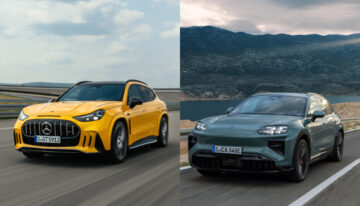
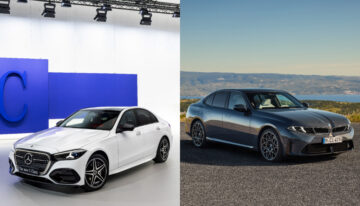
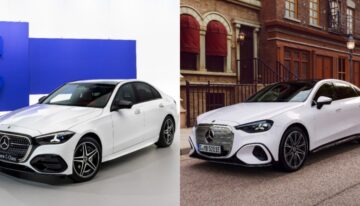
Comfort can make a significant difference in your everyday driving experience, whether you commute to work, run errands, or take long road trips. Mercedes-Benz and Chevrolet offer vehicles with different approaches to cabin design, seating, technology, and ride quality. Mercedes-Benz emphasizes luxury and refinement, while Chevrolet focuses on practical comfort, versatility, and value across a wide range of vehicles.
Drivers comparing their options can explore pre-owned vehicles in Grants Pass, OR to find models that suit their preferences and budgets. Understanding what each brand offers can help you choose a vehicle that feels comfortable for your daily routine.
Interior Design and Cabin Quality
Mercedes-Benz is widely recognized for its upscale interiors. Depending on the model and trim, drivers may find premium upholstery, carefully designed dashboards, ambient lighting, and high-quality materials. The cabin layout often emphasizes a sophisticated appearance, creating a refined environment for both drivers and passengers.
Chevrolet takes a practical approach to interior design. Many models feature intuitive controls, useful storage compartments, durable materials, and layouts designed for everyday convenience. Higher trims may include leather-appointed seating, upgraded finishes, and additional comfort features.
If you prefer a luxury atmosphere with attention to interior details, Mercedes-Benz may be more appealing. Chevrolet can be a strong option if you value functional design and comfortable surroundings without necessarily paying for premium-brand features.
Seating Comfort and Passenger Space
Seat design and available space are essential when choosing a comfortable vehicle. Mercedes-Benz models often offer supportive seats, multiple adjustment options, and available heating or ventilation features. Depending on the vehicle, these amenities can help reduce discomfort during longer journeys.
Chevrolet also offers comfortable seating across its lineup. Sedans and compact SUVs can work well for daily commuting, while larger SUVs provide more passenger room for families. Certain models offer adjustable seating, heated front seats, and other convenience features in higher trims.
However, comfort varies by individual model. A Mercedes-Benz sedan may provide a more refined seating experience, while a Chevrolet SUV may offer more practical space for passengers and luggage. Compare legroom, headroom, rear-seat access, and cargo capacity before making a decision.
Ride Quality and Road Noise
A comfortable ride depends on how well a vehicle absorbs bumps, manages road noise, and remains stable at highway speeds.
Mercedes-Benz generally places considerable emphasis on ride refinement. Many models feature suspension systems tuned to balance smoothness and handling. Cabin insulation can also help reduce outside noise, making highway travel more relaxing. Some models offer adjustable suspension settings, although availability depends on the vehicle.
Chevrolet offers different ride characteristics across its cars, SUVs, and trucks. Many models provide a comfortable experience for daily travel, while larger vehicles may prioritize utility or towing capability. Road noise and suspension firmness can vary depending on tire size, trim, and vehicle configuration.
If you regularly drive on uneven roads or spend hours on the highway, take a test drive on familiar routes. Pay attention to how each vehicle handles bumps, road joints, wind noise, and engine sound.
Climate Control and Convenience Features
A pleasant cabin environment depends on more than seats and suspension. Climate control, easy-to-use technology, and convenient storage can make everyday trips more enjoyable.
Mercedes-Benz vehicles may offer dual-zone or multi-zone climate control, heated and ventilated seats, heated steering wheels, and advanced cabin settings. These features can be particularly useful when drivers and passengers prefer different temperatures.
Chevrolet models also provide a variety of comfort amenities. Depending on the trim, available features may include automatic climate control, heated seats, remote start, and convenient infotainment controls.
When comparing vehicles, check which features are included in the specific trim. Some amenities may be optional or available only in higher-level configurations, especially in older used models.
Technology and Driver Convenience
Technology can contribute to comfort by making common tasks easier. Mercedes-Benz often emphasizes digital displays, sophisticated infotainment interfaces, navigation, and customizable vehicle settings. These features can create a modern driving environment, although some drivers may need time to become familiar with the controls.
Chevrolet offers practical technology designed for everyday use. Depending on the model, drivers may find touchscreen infotainment systems, smartphone integration, voice commands, parking assistance, and driver-assistance features.
Features such as adaptive cruise control, blind-spot monitoring, and parking sensors can reduce the effort involved in certain driving situations. Availability varies, so compare the equipment on each vehicle rather than assuming all models include the same technology.
Purchase Price and Ownership Costs
Comfort should fit your budget as well as your preferences. Mercedes-Benz generally occupies the luxury market, and its vehicles may have higher purchase prices, insurance premiums, and maintenance expenses. Specialized parts and advanced systems can also increase repair costs on some models.
Chevrolet offers vehicles across a broad range of prices, making it easier for many shoppers to find an option that balances comfort and affordability. However, ownership costs still depend on the model, age, mileage, condition, and maintenance history.
For used vehicles, review service records, inspect the interior and mechanical condition, and request an independent inspection. A comfortable vehicle is less satisfying if unexpected repair expenses make it difficult to maintain.
Which Brand Best Matches Your Comfort Needs?
Mercedes-Benz may be the better choice if you prioritize premium materials, refined ride quality, a quiet cabin, and upscale technology. It can be particularly appealing for drivers who spend considerable time commuting or traveling.
Chevrolet may suit drivers who want comfortable seating, practical interiors, useful features, and a wider range of price points. Its selection of cars and SUVs also allows shoppers to compare different sizes and levels of equipment.
The best approach is to test-drive vehicles that match your needs and budget. Evaluate seating, visibility, cabin noise, climate controls, and ease of entry and exit to determine which feels most comfortable.
Conclusion
Mercedes-Benz and Chevrolet both offer vehicles capable of providing a comfortable driving experience, but their priorities differ. Mercedes-Benz focuses on luxury and refinement, while Chevrolet emphasizes practical comfort and everyday value. The right choice depends on your preferred features, passenger needs, driving habits, and ownership budget. By comparing specific models and taking thoughtful test drives, you can find a vehicle that keeps you comfortable without compromising your other priorities.