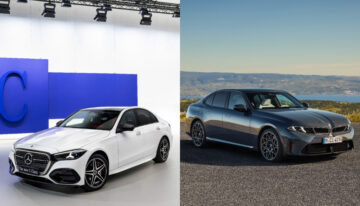
The automotive industry continues to evolve rapidly, and 2025 brings a host of technological advancements that are transforming the driving experience. From enhanced safety features to innovative infotainment systems, the latest cars offer more than just transportation—they provide convenience, connectivity, and peace of mind. For those searching for the best car dealership in OR, understanding the newest technology available in modern vehicles helps buyers make informed decisions and select a car that meets both current and future needs. Exploring these advancements reveals how 2025 models are redefining safety, comfort, and efficiency on the road.
Advanced Driver Assistance Systems
Safety remains a top priority in new vehicles, and advanced driver assistance systems (ADAS) have become increasingly sophisticated. In 2025, features such as adaptive cruise control, lane-keeping assist, automatic emergency braking, and blind-spot detection are standard in many models. Some vehicles now offer semi-autonomous driving capabilities for highway conditions, helping reduce driver fatigue during long trips. These technologies work together to create a safer driving environment, allowing drivers to focus more on decision-making while the car handles routine monitoring and minor corrections.
Enhanced Infotainment and Connectivity
Modern cars are equipped with infotainment systems that seamlessly integrate with smartphones and other devices. Apple CarPlay, Android Auto, and wireless connectivity allow drivers to access navigation, music, and messaging without distraction. Touchscreen displays are larger, more intuitive, and often support multiple user profiles. Some 2025 vehicles include voice-activated controls, gesture recognition, and even augmented reality heads-up displays that provide turn-by-turn directions and safety alerts directly in the driver’s line of sight.
Electric and Hybrid Powertrains
Sustainability is a key trend in 2025, with more manufacturers offering electric vehicles (EVs) and hybrid options. These powertrains provide not only reduced emissions but also lower operating costs over time. Advanced battery technology allows for longer ranges and faster charging, making EVs more practical for daily use and long-distance travel. Many hybrid models now feature regenerative braking systems that capture energy during deceleration, improving overall efficiency while maintaining smooth performance.
Intelligent Safety Features for Families
Family-oriented vehicles are integrating more intelligent safety features than ever before. Advanced collision avoidance systems, rear cross-traffic alerts, and pedestrian detection enhance protection in busy urban environments. Some models include child seat detection and alert systems to ensure that young passengers are safely secured. These technologies demonstrate a growing emphasis on proactive safety measures, giving families added confidence on every journey.
Driver Monitoring Systems
Driver monitoring systems have become a standard feature in many 2025 models. Cameras and sensors track driver attention, alerting them to signs of drowsiness or distraction. Some systems can even detect the driver’s facial expressions and head position to determine alertness levels. By providing real-time feedback, these technologies help prevent accidents caused by inattention, particularly during long commutes or late-night drives.
Advanced Navigation and Traffic Management
Navigation technology in 2025 has grown smarter and more responsive. Real-time traffic updates, predictive route planning, and integration with connected infrastructure allow drivers to avoid congestion and reduce travel time. Some vehicles now use AI algorithms to analyze historical traffic patterns and adjust routes proactively. Additionally, navigation systems often incorporate safety warnings, such as alerting drivers to school zones, sharp curves, or roadwork, enhancing both convenience and security.
Connected Vehicle Ecosystem
Many 2025 vehicles are part of a larger connected ecosystem, allowing remote monitoring and control through smartphone apps. Drivers can check fuel or battery levels, lock or unlock doors, locate the vehicle, and even start the engine remotely. Some manufacturers offer over-the-air software updates that improve performance, add features, or enhance safety without requiring a visit to the dealership. This connectivity ensures that vehicles remain up-to-date and responsive to the latest technological improvements.
Augmented Reality and Heads-Up Displays
Augmented reality (AR) and heads-up displays (HUDs) are becoming more common in new cars. These technologies project important information, such as speed, navigation directions, and hazard alerts, directly onto the windshield. AR-enhanced HUDs can highlight lane markings, upcoming turns, or even potential collision risks, helping drivers make faster and safer decisions. By reducing the need to look away from the road, these systems improve situational awareness and overall driving safety.
Advanced Climate and Comfort Controls
Modern cars offer highly personalized comfort options. In 2025, climate control systems can automatically adjust temperature zones for different passengers, detect body temperature, and even manage humidity levels. Seats with heating, cooling, and massage functions are becoming more common, enhancing comfort during long journeys. Noise-canceling technologies and improved cabin insulation create a quieter, more relaxing environment, turning the vehicle into a sanctuary from the stresses of daily life.
Autonomous Parking and Maneuvering
Autonomous parking and maneuvering systems simplify what used to be stressful tasks. Many new vehicles can automatically park in tight spaces, parallel park, or even navigate through congested parking lots with minimal input from the driver. These systems often use sensors, cameras, and AI algorithms to analyze surroundings, ensuring precision and safety. For urban drivers or those with limited parking experience, these features save time and reduce the risk of minor accidents.
Cybersecurity and Vehicle Protection
As cars become more connected, cybersecurity has become a crucial consideration. 2025 models include enhanced security protocols to protect against hacking, unauthorized access, and data breaches. Manufacturers are increasingly designing vehicles with secure networks, encrypted communication, and continuous software monitoring to ensure driver safety and data privacy. These measures allow drivers to enjoy connected features without compromising security.
Personalized Driving Experiences
Customization and personalization are key trends in new car technology. Vehicles now allow drivers to save seat positions, mirror settings, infotainment preferences, and climate control profiles. AI-driven systems can learn driving habits, adjusting engine response, suspension settings, and even steering preferences to suit individual drivers. Personalized experiences enhance comfort, convenience, and safety, making each journey more enjoyable.
Conclusion
The latest technology in new cars for 2025 is transforming the way we drive, making vehicles safer, smarter, and more comfortable than ever. From advanced driver assistance systems and connected vehicle features to electric powertrains, augmented reality displays, and personalized comfort options, the innovations are designed to enhance every aspect of the driving experience.