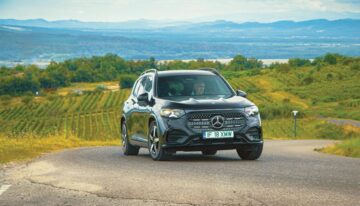
Owning a car offers convenience, comfort, and flexibility, especially for longer journeys, family travel, and unpredictable weather. However, not every trip requires the same level of transportation.
Driving several miles to pick up coffee, visit a nearby store, or meet a friend can sometimes involve more time looking for parking than actually traveling. For these shorter journeys, an electric bicycle offers another practical option.
Rather than replacing cars entirely, electric bikes can complement them, giving drivers greater flexibility when deciding how to travel.
When Driving Makes Sense—and When It Doesn’t
Cars remain difficult to replace for many everyday activities. Carrying several passengers, transporting heavy groceries, and traveling long distances are situations where a car offers clear advantages.
Weather protection is another important consideration. Air conditioning, heating, and enclosed seating make driving more comfortable during extreme temperatures or heavy rain.
However, short urban trips present different challenges.
In busy neighborhoods, drivers may spend additional time navigating traffic, searching for parking, or walking from a parking garage to their destination.
For a trip of just a few miles, these extra steps can make driving less convenient than expected.
An e-bike can be a useful alternative when safe cycling routes are available. Pedal assistance makes moderate hills and longer stretches easier to manage, while the bicycle’s smaller size allows for more flexible parking.
The most practical choice depends on the journey rather than the vehicle alone.
Understanding the Real Cost of Short Trips
Fuel or electricity consumption is only one part of vehicle ownership.
Drivers also consider insurance, maintenance, parking fees, and depreciation. While these expenses don’t disappear simply because someone occasionally rides a bicycle, using an alternative for suitable journeys may reduce some variable costs.
Electric bikes have their own ownership expenses, including battery charging, replacement tires, brake maintenance, and occasional component repairs.
They also require suitable storage and security precautions.
For drivers who already own a car, the financial question is whether adding an electric bicycle would provide enough practical value to justify another purchase.
Someone who regularly makes short solo trips may find more opportunities to use one than a driver whose daily routine involves carrying passengers or transporting substantial cargo.
The calculation is personal, and it should reflect how frequently each vehicle would actually be used.
Choosing an Electric Bike That Complements Your Car
Car owners often approach bicycle shopping with familiar automotive priorities: comfort, performance, reliability, and ease of maintenance.
However, bicycle specifications require a slightly different perspective.
A powerful motor isn’t necessarily the most important feature for short urban rides. Comfortable geometry, predictable braking, manageable weight, and responsive pedal assistance may matter more.
For example, step-through frames can make frequent stops easier, while upright riding positions may appeal to people who prefer relaxed neighborhood travel.
Battery capacity should also match expected riding distances. A larger battery may provide additional flexibility, but it can increase overall bicycle weight.
When comparing ebikes for sale, buyers should consider where the bicycle will be stored, whether stairs are involved, and how easily it can be maintained.
A model designed for demanding off-road trails may not be the most convenient choice for someone primarily visiting local shops and restaurants.
Just as drivers select cars according to their needs, electric bicycle buyers benefit from choosing equipment suited to their everyday journeys.
Considering the Purchase Price and Long-Term Value
For car owners thinking about adding an electric bicycle, the purchase price is naturally an important consideration.
The bike represents an additional transportation expense, so buyers should consider how much they expect to use it throughout the year.
Seasonal promotions can offer opportunities to compare models within a planned budget. Exploring black friday electric bike deals may help shoppers identify potential savings, particularly when they’ve already decided which features they need.
However, a discounted price shouldn’t outweigh practical considerations.
Battery capacity, warranty coverage, replacement parts, return policies, and ongoing maintenance all contribute to the overall ownership experience.
It is also worth budgeting for a secure lock, helmet, lights, and any accessories required for commuting.
A well-chosen electric bicycle should remain useful long after the initial promotion has ended.
Road Conditions and Safety Still Matter
Before replacing a short car journey with a bicycle ride, drivers need to evaluate local conditions.
Dedicated bicycle lanes and connected cycling routes can make certain journeys more practical. Roads with heavy traffic, high vehicle speeds, or limited cycling infrastructure may present greater challenges.
Electric bicycle classifications and access rules also differ by jurisdiction. Buyers should check local requirements and confirm that their chosen model is permitted on intended roads and paths.
Visibility, defensive riding, and appropriate safety equipment remain essential.
Planning routes in advance can help riders avoid unsuitable roads and make their journeys more predictable.
For drivers accustomed to enclosed vehicles, adjusting to the exposure and handling characteristics of a bicycle is an important part of the transition.
Two Vehicles, Different Purposes
The choice between a car and an electric bicycle doesn’t need to be an either-or decision.
A car may remain the preferred option for longer trips, family outings, and challenging weather. An electric bike can provide additional flexibility for shorter solo journeys, neighborhood errands, and recreational rides.
Each serves a different purpose, and their usefulness depends on the rider’s location, routine, and transportation needs.
For drivers willing to rethink some of their shorter journeys, an electric bicycle can become a practical addition to everyday mobility.
The goal isn’t to give up driving. It’s to have more options for deciding when driving is truly necessary.