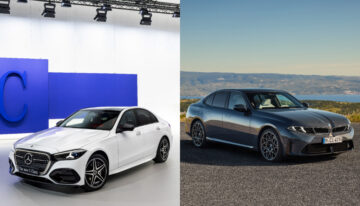
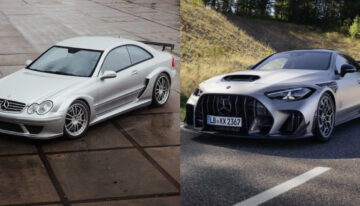
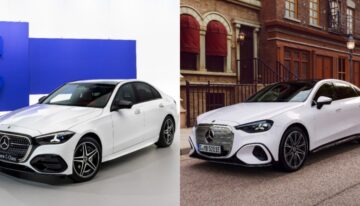
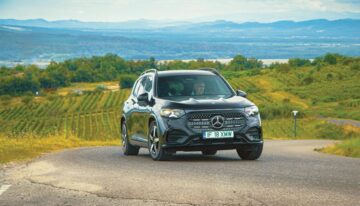
Buying a used car involves more than comparing prices and features. Long-term maintenance, repair expenses, fuel economy, and reliability can significantly affect the total cost of ownership. Nissan and Mercedes-Benz offer different advantages for used-car shoppers. Nissan focuses on practical transportation, everyday comfort, and a broad selection of affordable vehicles, while Mercedes-Benz emphasizes luxury, refined performance, and advanced technology.
Drivers exploring used cars in Grants Pass can benefit from understanding how these brands compare in terms of ownership expenses. The right choice depends on your budget, driving habits, and expectations for comfort and reliability.
Purchase Price and Overall Value
Nissan vehicles are generally positioned in the mainstream market, making many used models accessible to shoppers who want dependable everyday transportation. Options such as the Sentra, Altima, Rogue, and Frontier serve different needs, from commuting and family travel to light-duty work.
Mercedes-Benz vehicles often have higher original purchase prices because of their luxury positioning, premium materials, and sophisticated features. Depreciation can make older models more affordable on the used market, but a lower purchase price does not necessarily mean lower ownership costs.
When comparing the two brands, consider the vehicle’s age, mileage, condition, service history, and equipment. A well-maintained Nissan may offer excellent practical value, while a used Mercedes-Benz may appeal to buyers who want luxury features at a reduced price.
Maintenance and Repair Costs
Maintenance expenses are one of the most important differences between these brands. Nissan vehicles generally cost less to maintain and repair than Mercedes-Benz models, although expenses vary by vehicle and model year.
RepairPal estimates average annual repair and maintenance costs of around $500 for Nissan vehicles, compared with approximately $908 for Mercedes-Benz vehicles. These are brand-wide estimates rather than guaranteed yearly bills for an individual car. Actual expenses depend on mileage, condition, local labor rates, and the repairs required.
Nissan’s more mainstream design can make routine servicing and replacement parts more affordable in many cases. Mercedes-Benz vehicles may require specialized diagnostic equipment, premium components, or technicians experienced with their systems.
Before buying either vehicle, review its maintenance records and ask a mechanic to identify upcoming service needs. This can help you avoid unexpected expenses after purchase.
Reliability and Long-Term Ownership
Reliability depends on more than the manufacturer’s reputation. The specific model, engine, transmission, maintenance history, and previous driving conditions all influence how well a used vehicle performs over time.
Nissan offers many practical models designed for everyday driving. However, buyers should research the exact model year and powertrain, as reliability can differ significantly across the lineup. Pay attention to transmission behavior, engine performance, warning lights, and available service records.
Mercedes-Benz vehicles can provide a refined and enjoyable driving experience for many years when properly maintained. However, aging luxury vehicles may develop problems involving electronics, suspension components, cooling systems, or other complex equipment. Repairs can become expensive as mileage increases and warranty coverage expires.
For either brand, arrange an independent pre-purchase inspection. A qualified mechanic can identify existing problems and help determine whether the vehicle’s condition justifies its price.
Fuel Economy and Everyday Driving
Fuel costs can add up quickly, particularly for commuters who drive long distances each week. Nissan offers several models designed for efficient everyday transportation. Depending on the year and configuration, the Sentra and Altima may be suitable for commuting, while the Rogue offers additional passenger and cargo space.
Mercedes-Benz fuel economy varies widely across its lineup. Some smaller sedans and efficient powertrains can deliver competitive mileage, while larger SUVs and performance models may consume more fuel.
Compare fuel-economy estimates for the exact model years you are considering. Your actual results will depend on traffic, road conditions, driving style, tire condition, and maintenance.
The best choice is not necessarily the vehicle with the lowest published fuel consumption. Consider how much you drive, how many passengers you carry, and whether you need additional space or performance.
Comfort, Features, and Technology
Mercedes-Benz generally has an advantage for shoppers who prioritize luxury. Depending on the model and trim, used vehicles may include premium upholstery, refined suspension systems, advanced infotainment displays, navigation, and sophisticated climate controls.
Nissan focuses on practical comfort and convenience. Many models offer comfortable seating, straightforward controls, smartphone connectivity, and useful storage. Higher trims may include heated seats, upgraded audio systems, and advanced driver-assistance features.
Technology can affect maintenance costs, too. Features such as powered seats, complex infotainment systems, and electronic suspension components may be expensive to repair if they fail. When inspecting a used vehicle, test all major functions rather than assuming the equipment works correctly.
Insurance, Depreciation, and Other Expenses
Maintenance and fuel are only part of the ownership equation. Insurance premiums, registration, tires, brakes, and depreciation also influence the total cost.
Mercedes-Benz vehicles may cost more to insure or repair because of their value, specialized parts, and replacement costs. Nissan models may be more affordable in these areas, but insurance rates still depend on the vehicle, driver, location, and coverage selected.
Depreciation also matters. A used luxury car may offer attractive features for its price, but future resale value depends on demand, mileage, condition, and maintenance history. A Nissan may appeal to buyers seeking practical transportation, potentially supporting demand for certain models.
Request insurance quotes and compare expected servicing expenses before making your final decision.
Which Brand Should You Choose?
Nissan may be the better fit if you want practical transportation, generally lower repair costs, and an ownership budget that leaves room for other expenses.
Mercedes-Benz may be worth considering if you value premium comfort, refined performance, and luxury technology and can comfortably afford potentially higher maintenance and repair bills.
Whichever brand you choose, compare specific models with similar mileage and condition. Review service records, check recall information, take a test drive, and have the vehicle inspected independently.
Conclusion
Used Nissan and Mercedes-Benz vehicles appeal to different priorities. Nissan generally offers a more budget-conscious ownership experience, while Mercedes-Benz provides luxury features and refined driving characteristics that may come with higher maintenance costs. Neither brand is automatically the best choice for every buyer. By comparing the exact vehicles, evaluating their condition, and estimating long-term expenses, you can select a used car that fits your needs and budget.