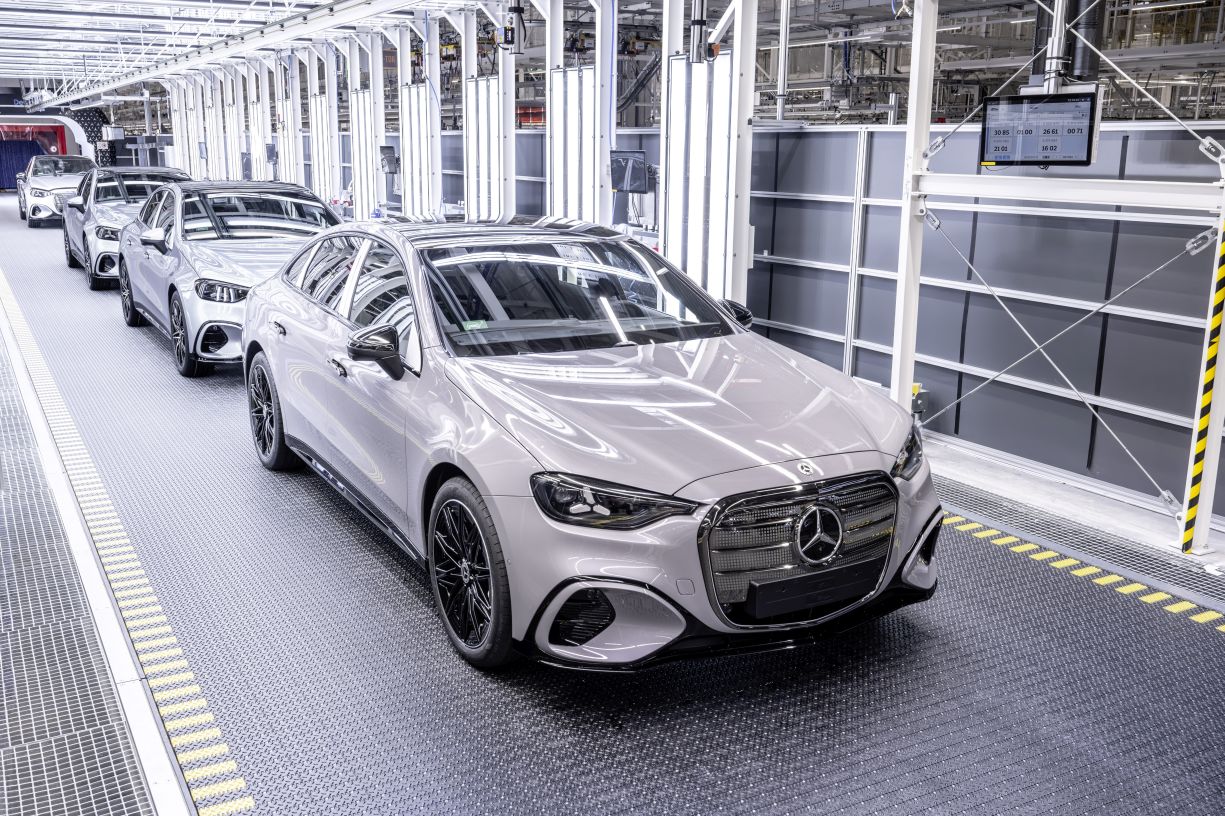
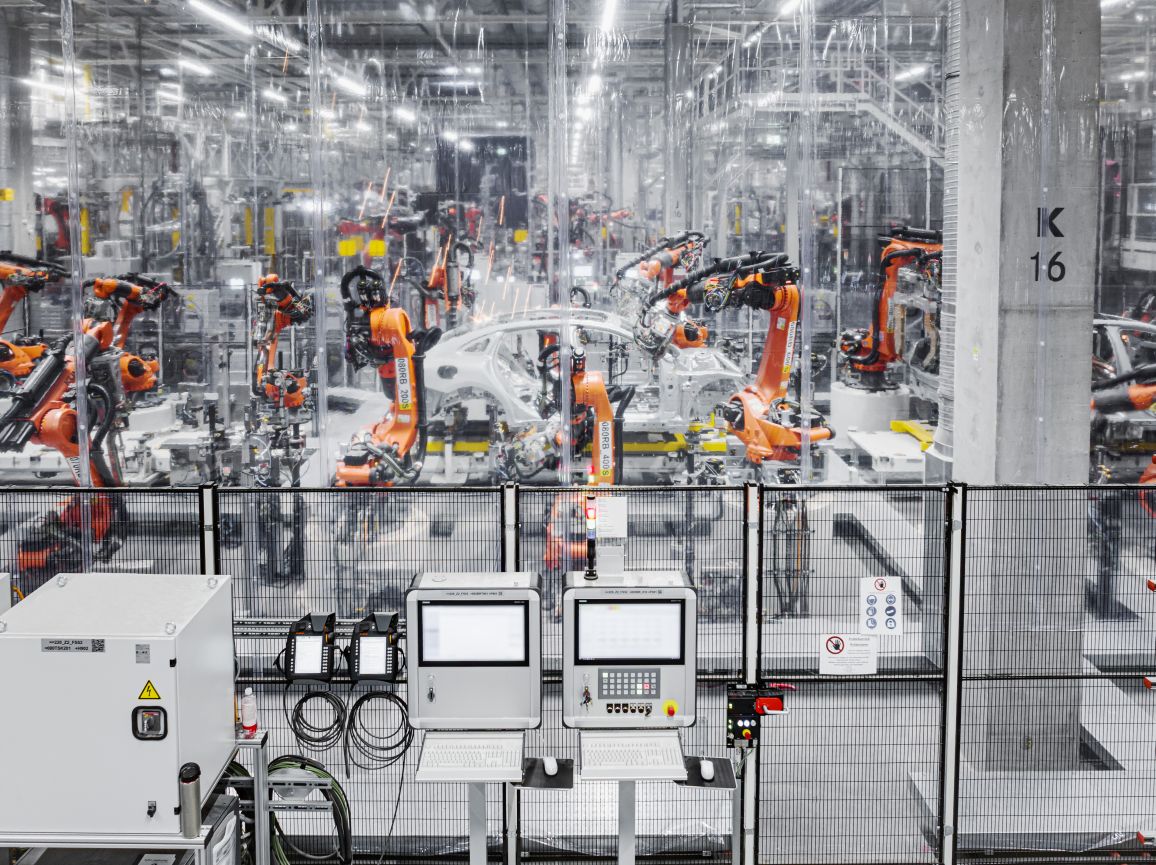
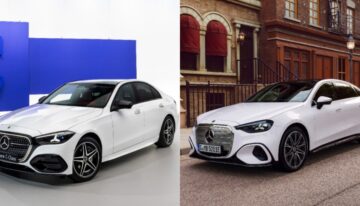
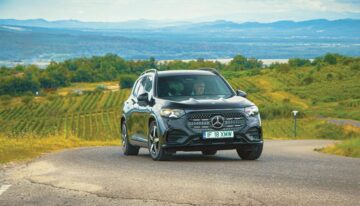
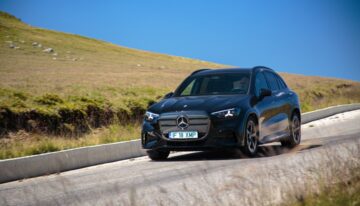
Mercedes has officially announced that it will produce the new electric Mercedes C-Class and the future Mercedes G-Class baby at its plant in Kecskemét, Hungary. To support this expansion, the company doubled the size of the facility and invested €1 billion between 2022 and 2026.
This marks an important milestone for Mercedes, as it will produce a model in Hungary for the first time that is not based on the MMA platform. The new electric Mercedes C-Class, built on the dedicated MB.EA electric platform, will be manufactured in Kecskemét, while the long-wheelbase version will be produced in Beijing, China.
The Kecskemét plant will also become the exclusive production site for the future Mercedes G-Class baby known as the “Little G”. According to the latest information, the compact off-roader will be based on the MMA multi-propulsion platform already used by the CLA and GLB, rather than sharing the body-on-frame architecture of its larger G-Class sibling.
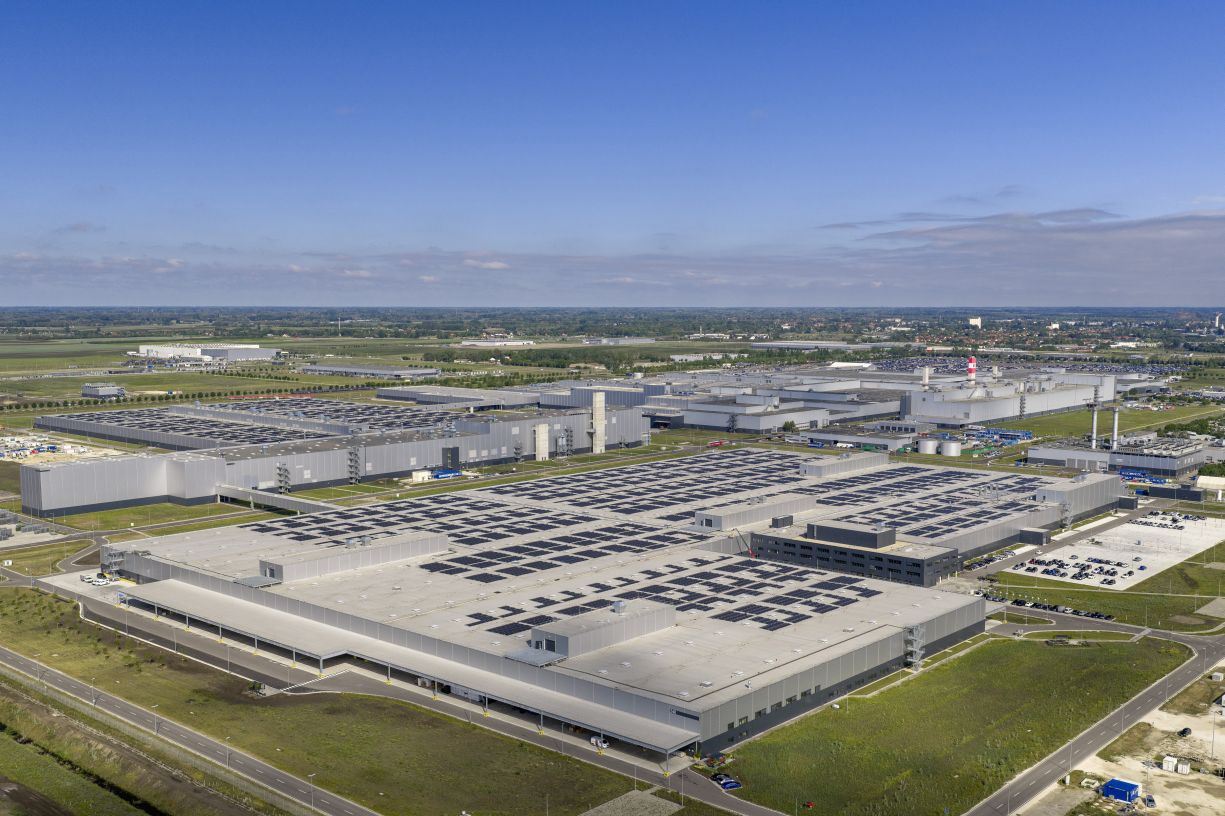
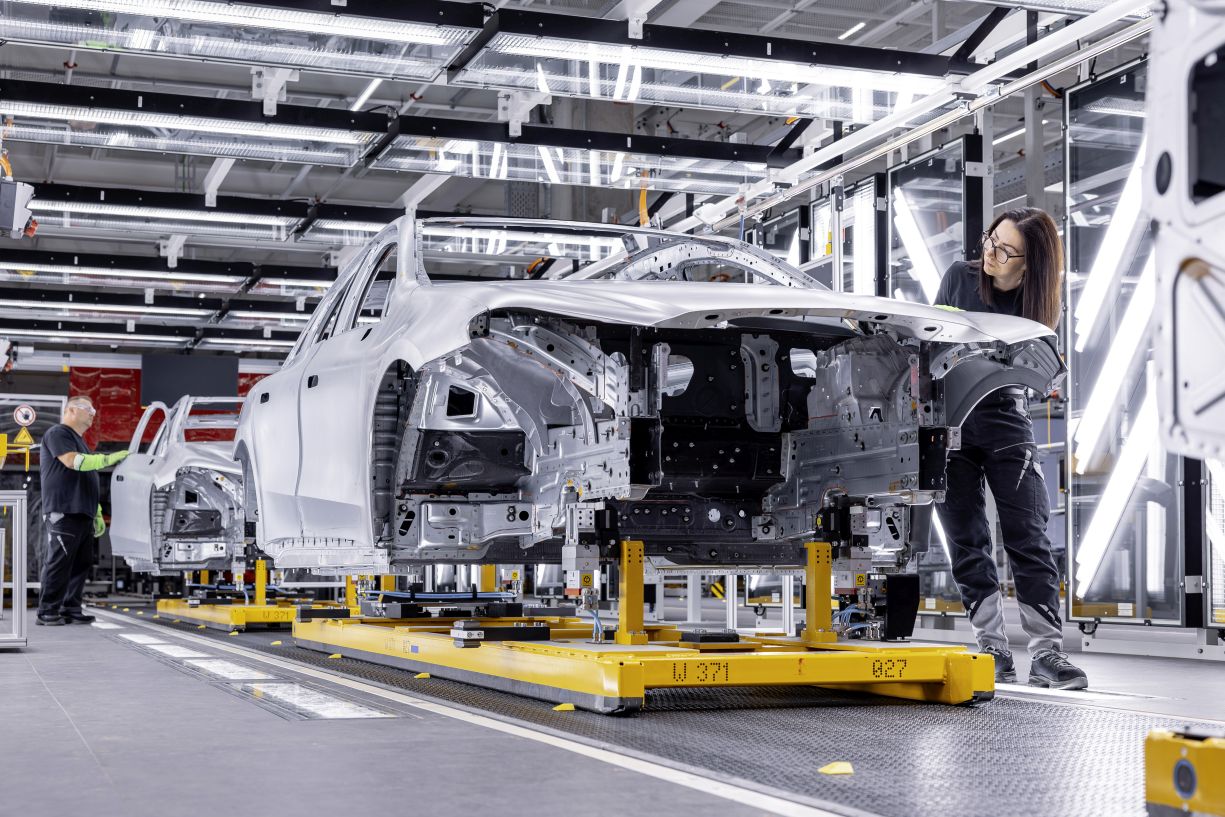
To prepare for these new models, Mercedes expanded the Kecskemét plant from 200 to 440 hectares, investing more than €1 billion in its modernization and expansion between 2022 and 2026.
As part of its sustainability strategy, Mercedes installed a photovoltaic park covering 240,000 square meters on the western side of the plant, with a capacity of 27.4 MWp. Together with the solar panels installed on the new battery assembly hall, as well as the body-in-white and final assembly halls, the total installed solar capacity reaches 42.3 MWp.
This renewable energy system supplies approximately 25% of the plant’s annual electricity demand.
In the new paint shop, optimized processes reduce energy consumption by around 20% compared with the existing facility and cut CO₂ emissions by approximately 80%.
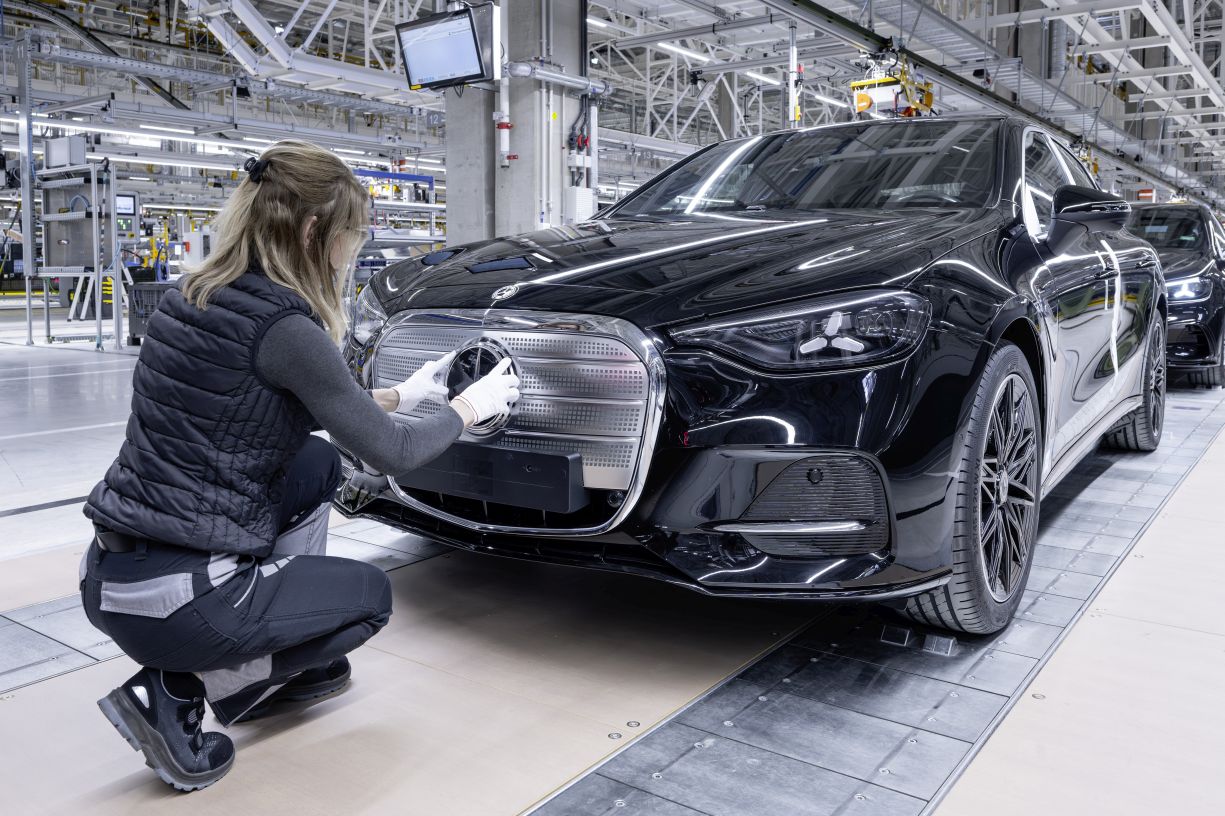
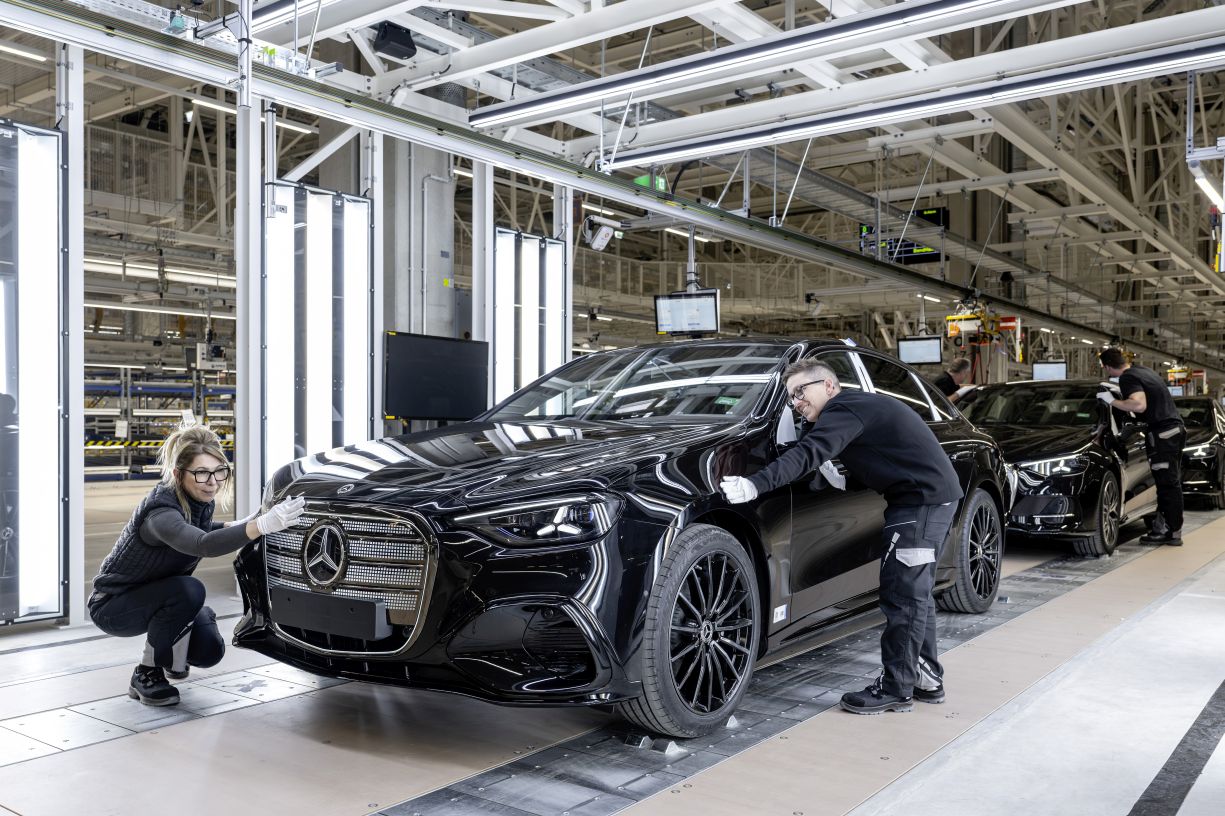
More than 5,000 people work at the Kecskemét plant, making Mercedes the largest employer in the region. The company has also invested heavily in employee training through the Mercedes-Benz Academy Kecskemét and the Mercedes-Benz School, established in cooperation with Neumann János University.
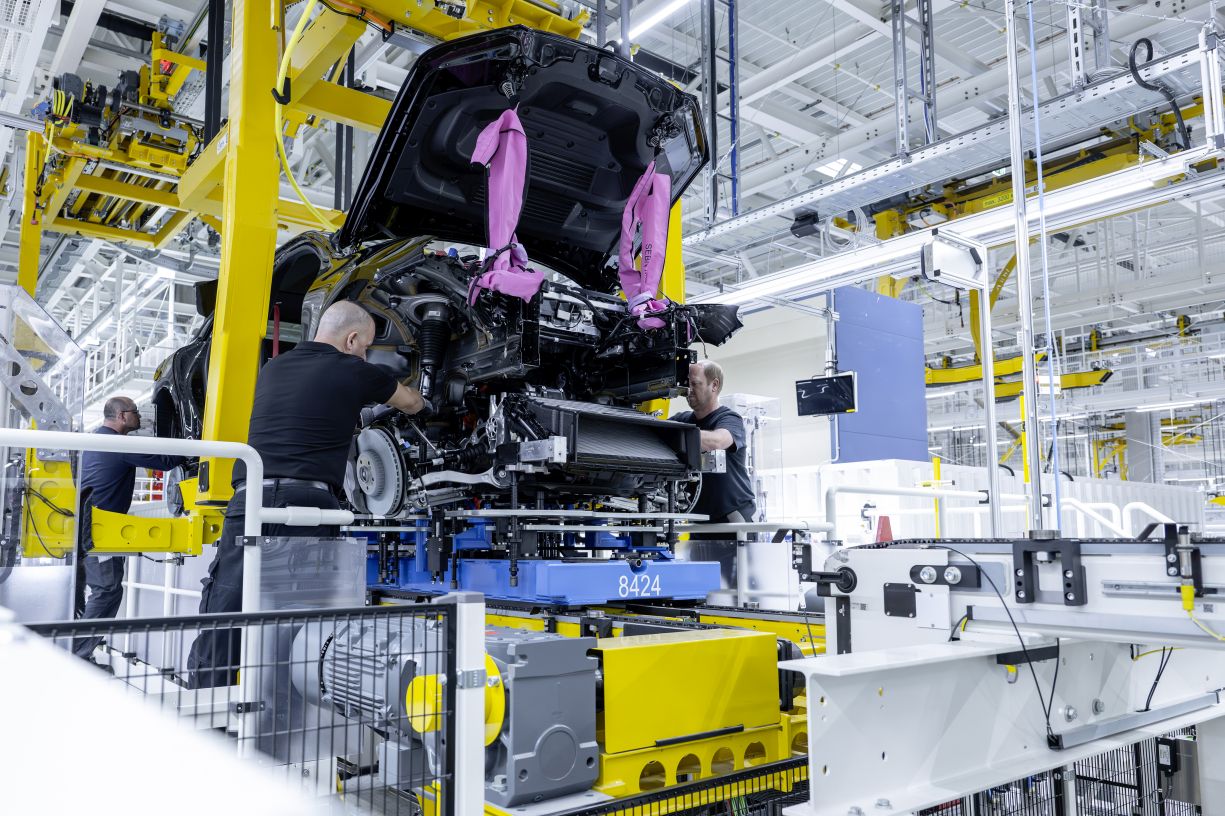
The plant also houses a battery production facility for the electric GLB and electric GLC.
At present, Kecskemét manufactures the new compact CLA and GLB models, as well as the A-Class, the last Mercedes model based on the previous MFA II platform. Production of the A-Class was relocated from Rastatt to Kecskemét at the beginning of 2026 as part of Mercedes’ cost-cutting strategy, while a new-generation A-Class based on the MMA platform is scheduled to arrive in 2028.
The Kecskemét plant operates in close cooperation with the Rastatt factory, where the CLA and the outgoing generation of the GLA/EQA are currently produced. The GLA/EQA based on the old MFA II platform will soon be replaced by the all-new GLA generation.
On the existing production line in Kecskemét, Mercedes builds both the all-electric and gasoline mild-hybrid versions of the CLA and GLB. The newly inaugurated production line, however, is dedicated exclusively to the electric versions of these models.
Mercedes will also implement its flexible production system between the Kecskemét and Bremen plants. This means that, depending on market demand, the new electric Mercedes GLC—currently produced in Bremen—could also be manufactured in Kecskemét in the future.
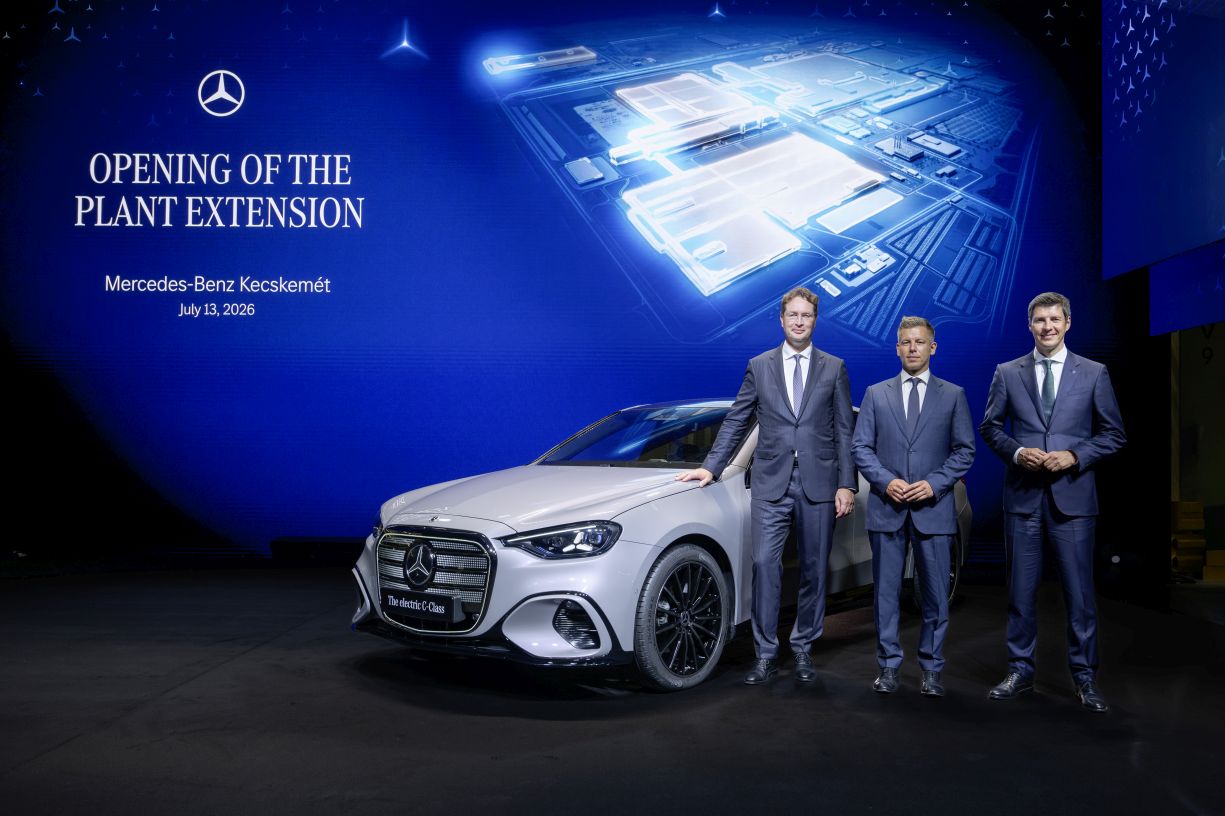
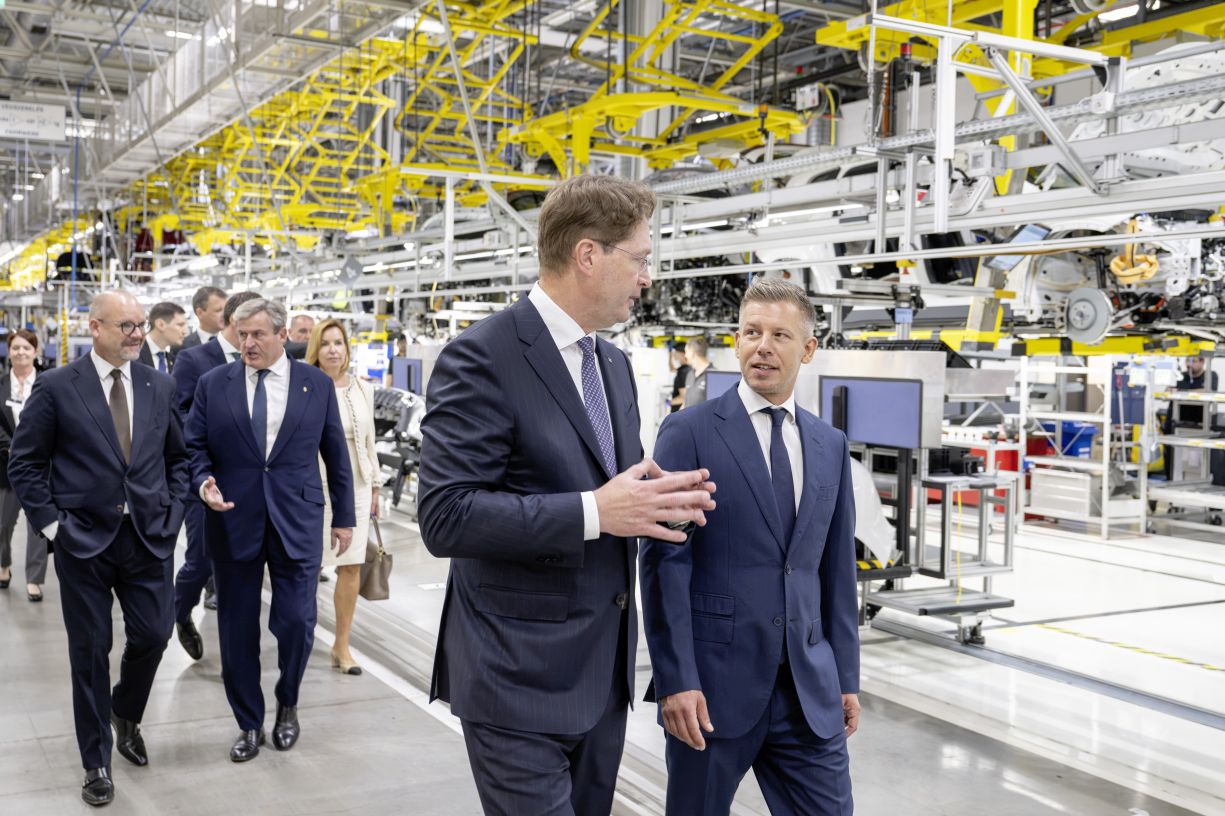
The plant expansion ceremony was attended by Péter Magyar, Prime Minister of Hungary, István Kapitány, Hungary’s Minister for Economy and Energy, and Ola Källenius, CEO of Mercedes-Benz.
Hungary is also home to two major plants operated by Mercedes’ premium rivals, BMW and Audi.
At its Győr plant, Audi manufactures the Audi Q3, Q3 Sportback, and Cupra Terramar, as well as electric motors for the PPE platform (used in the Audi Q6 e-tron and Porsche Macan Electric) and four-, five-, six-, and eight-cylinder combustion engines, including those powering Audi RS models.
At its new Debrecen plant, inaugurated in the autumn of 2025, BMW produces the new BMW iX3, based on the Neue Klasse architecture, which has been enjoying strong commercial success.