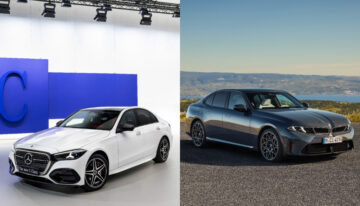
Modern luxury vehicles feature sophisticated safety systems designed to protect occupants during a collision. These systems operate in milliseconds, deploying a coordinated response from sensors, computers, and mechanical components. Understanding how these technologies work reveals both their impressive capabilities and their inherent limitations.
The Critical First Milliseconds: Sensor Activation
When a collision occurs, the first components to react are the vehicle’s crash sensors. These accelerometers and gyroscopes, strategically positioned throughout the vehicle’s structure, detect sudden changes in velocity and direction. Within the first 10 to 15 milliseconds of impact, these sensors transmit data to the central safety control module.
The control module analyzes the severity and type of collision, determining which safety features to activate. This split-second decision-making process considers factors like impact speed, angle of collision, and whether occupants are wearing seatbelts. The system distinguishes between a minor fender bender and a severe crash, deploying appropriate responses for each scenario.
Advanced driver assistance systems continually monitor the vehicle’s surroundings, but once a collision begins, the focus shifts entirely to occupant protection. The technology that helps prevent accidents transitions to damage mitigation mode.
Airbag Deployment and Restraint Systems
Between 20 and 30 milliseconds after impact, the airbag system activates if the collision severity warrants deployment. Modern luxury vehicles contain multiple airbags positioned throughout the cabin, including front airbags, side curtain airbags, knee airbags, and rear passenger airbags.
The inflation process happens remarkably fast. Airbags fully inflate within 40 to 60 milliseconds, creating a cushion between occupants and hard interior surfaces. The bags then immediately begin deflating in a controlled manner, allowing occupants to move and exit the vehicle after the collision stops.
Simultaneously, seatbelt pretensioners activate, removing any slack from the seatbelt webbing and securing occupants firmly in their seats. Some advanced systems also include load limiters that carefully manage the force applied to the chest and shoulders, reducing the risk of restraint-related injuries.
Structural Response and Energy Management
While electronic systems activate, the vehicle’s physical structure plays an equally critical role in collision protection. Luxury vehicles incorporate crumple zones, specially engineered areas designed to deform in a controlled manner during impact. These zones absorb collision energy, preventing it from reaching the passenger compartment.
The passenger cabin itself features a rigid safety cell constructed from high-strength steel or aluminum alloys. This structure maintains its integrity even during severe impacts, creating a protective space for occupants. Engineers spend thousands of hours designing and testing these structural elements to optimize crash performance.
Battery disconnect systems in hybrid and electric vehicles add another layer of safety. During a collision, these systems automatically isolate the high-voltage battery from the vehicle’s electrical system, reducing fire risk and protecting first responders who may need to extract occupants.
Post-Collision Safety Features
After the initial impact, luxury vehicle safety systems continue working to protect occupants. Automatic emergency calls activate, transmitting the vehicle’s location and crash severity to emergency services. Some systems can even provide information about the number of occupants and whether airbags were deployed.
Door unlock systems automatically release all door locks, preventing occupants from being trapped inside. Hazard lights activate automatically, alerting other drivers to the disabled vehicle. Interior lighting turns on, helping occupants assess their condition and navigate safely from the vehicle.
Fuel pump shutoff systems cut power to the fuel delivery system, minimizing fire risk. These systems remain deactivated until manually reset, ensuring the vehicle cannot accidentally restart with damaged fuel lines.
Why Collisions Still Occur Despite Advanced Technology
Despite impressive safety innovations, motor vehicle crashes remain a significant concern. The National Highway Traffic Safety Administration reports that an estimated 39,345 people died in traffic crashes in 2024, even as advanced safety systems became more common.
Safety systems have physical and technical limitations. Sensors can be affected by weather conditions, and even the most sophisticated collision avoidance technology cannot overcome certain scenarios involving driver impairment, excessive speed, or sudden unexpected obstacles. The technology assists drivers but cannot replace attentive, defensive driving practices.
When collisions result in injuries, understanding what happened and why becomes important for those affected. Experienced auto accident attorneys can help determine whether equipment failure, another driver’s negligence, or other factors contributed to the crash and resulting harm.
Understanding the Technology’s Role in Your Safety
Luxury vehicle safety systems represent remarkable engineering achievements, transforming dangerous situations into survivable events. However, they work best as part of a comprehensive approach to road safety that includes proper vehicle maintenance, attentive driving, and appropriate responses to road conditions.
The evolution of these systems continues, with manufacturers constantly refining sensor accuracy, response times, and coordination between safety components. Recent innovations in vehicle-to-vehicle communication and advanced materials science promise even greater protection in future models.
For current drivers, the most important step remains understanding how these systems work and recognizing that they supplement, rather than replace, safe driving practices. Whether you drive a vehicle equipped with the latest safety technology or something more modest, awareness and caution remain your most valuable protections on the road.