For drivers in Wareham and throughout southeastern Massachusetts, choosing the right vehicle—especially when comparing tough trucks and versatile SUVs—can make a huge difference for everyday use, weekend adventures, or long-haul travel. Two brands that often come up in these discussions are Ford and Mercedes-Benz.
While both offer impressive performance and modern features, they cater to different priorities and driving styles. Whether you value rugged capability and value-focused engineering or luxury refinement and advanced technology, understanding the strengths and trade-offs of each brand helps you make a confident decision. If you’re in the market for a dependable vehicle, a visit to a Ford dealership in Wareham, MA allows you to explore Ford’s lineup in person and compare it directly with Mercedes-Benz models. In this guide, we’ll compare Ford and Mercedes trucks and SUVs across key attributes, from performance and comfort to technology, cost, and overall value.
Brand Overview: Ford and Mercedes-Benz
Understanding what each brand prioritizes sets the foundation for comparison.
Ford: Known for its tough, hardworking trucks and versatile SUVs, Ford Motor Company builds vehicles that appeal to a broad range of drivers. Whether for work, family travel, or off-road adventure, Ford balances capability, technology, and value in its lineup.
Mercedes-Benz: With a reputation for luxury, refinement, and advanced engineering, Mercedes‑Benz focuses on delivering premium experiences. Mercedes trucks and SUVs emphasize comfort, cutting-edge technology, and high-end interior appointments.
Both brands have loyal followings, but their origins and priorities differ—Ford aiming for broad appeal and durability, Mercedes aiming for premium refinement and status.
Performance and Capability
When comparing performance between Ford and Mercedes trucks and SUVs, it’s important to consider both everyday driving and specialized uses like towing or off-road capability.
Ford Trucks and SUVs:
Ford builds a range of vehicles designed for capability and versatility. The Ford F-150 and Super Duty lineup are industry benchmarks for towing and payload capacity, with multiple engine options including EcoBoost, V8s, and available hybrid powertrains. Ford SUVs—like the Explorer, Bronco, and Expedition—combine strong performance with options for four-wheel drive and off-road enhancements. The Bronco, in particular, has earned praise for its terrain-conquering capability and rugged design.
Ford’s focus on capability makes its trucks strong contenders for Wareham drivers who tow boats, haul equipment, or take on outdoor adventures.
Mercedes-Benz Trucks and SUVs:
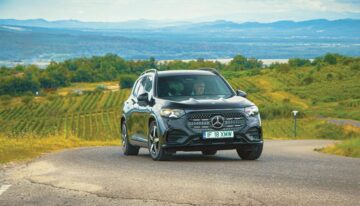
Mercedes-Benz doesn’t offer traditional pickup trucks in the same way Ford does, but it excels in the luxury SUV segment. SUV models like the GLE and GLS offer powerful engine options, refined ride quality, and smooth handling. High-performance AMG variants deliver impressive acceleration and driving dynamics.
While Mercedes SUVs provide capable performance, especially in AWD trims, their focus leans more toward refined power and luxury feel rather than heavy-duty towing or rugged off-road use.
Comfort and Interior Refinement
For many drivers, especially those who spend a lot of time in their vehicle, interior comfort and features are major decision factors.
Ford Interiors:
Modern Ford trucks and SUVs offer practical and comfortable cabins with user-friendly infotainment systems and durable materials. Higher trim levels include leather seats, premium audio systems, and upgraded tech features. The Ford F-150 and Expedition, for example, can be equipped with roomy, comfortable interiors suitable for families and long trips.
Ford’s interior designs emphasize durability and layout efficiency, making them ideal for active lifestyles and work-oriented use.
Mercedes-Benz Interiors:
Where Mercedes truly shines is interior refinement. Mercedes SUVs often feature luxurious materials, ambient lighting, cutting-edge digital displays, and advanced comfort features such as massaging seats and elegant trim details. The Mercedes-Benz interior experience rivals full-luxury sedans, with meticulous attention to detail and upscale finishes that elevate daily driving.
If lavish cabins and premium comfort are priorities, Mercedes SUVs set a high standard that appeals to drivers who want luxury in every mile.
Technology and Infotainment
Both brands have embraced modern technology, but each approaches it differently.
Ford Technology:
Ford’s SYNC infotainment system has evolved to include large touchscreens, intuitive menus, smartphone integration (Apple CarPlay and Android Auto), navigation, and connected services. Driver assistance features like adaptive cruise control, lane-keeping assist, and blind-spot monitoring are common across many trim levels.
Ford also focuses on practical tech, like Pro Trailer Backup Assist on trucks, which simplifies towing maneuvers that many Wareham drivers may appreciate.
Mercedes-Benz Technology:
Mercedes incorporates some of the most advanced technology in the industry. The MBUX infotainment system features high-resolution screens, voice-activated commands, augmented reality navigation, and customizable digital displays. Mercedes also integrates a suite of driver assistance and safety technologies such as adaptive cruise control with steering assist, traffic jam assist, and advanced parking systems.
While both brands offer robust infotainment systems and driver aids, Mercedes pushes the envelope in terms of innovation and futuristic user experience.
Safety and Driver Assistance
Safety is a priority for both brands, but their approaches can differ based on focus and price point.
Ford Safety Features:
Ford equips its vehicles with comprehensive safety technology, including automatic emergency braking, blind-spot information systems, rear cross-traffic alert, and advanced airbag systems. Higher trims often include adaptive cruise control, evasive steering assist, and intersection assist. The Ford Co-Pilot360 suite provides many standard safety features across model lines.
Mercedes-Benz Safety Features:
Mercedes includes an extensive range of safety and driver-assist technologies in many of its SUVs. Active Brake Assist, Attention Assist, blind-spot assist, and active lane-keeping assist are common, with more advanced systems like adaptive highbeam assist and active parking assist available on higher trims. Mercedes also incorporates additional radar and sensor tech in many systems to enhance precision.
Both brands deliver strong safety features, but Mercedes often positions more advanced systems as part of the luxury experience, while Ford focuses on broad availability and practical safety across price ranges.
Cost of Ownership and Affordability
Price and overall cost of ownership are important considerations for Wareham drivers comparing brands.
Ford Affordability:
Ford generally offers a broader range of entry-level pricing, especially in trucks and mainstream SUVs. Maintenance, parts availability, and resale value make Ford a practical choice for drivers focused on affordability over the long term.
Mercedes-Benz Premium Cost:
Mercedes vehicles usually carry higher purchase prices, partially due to luxury branding and advanced features. Maintenance and repairs can also cost more, especially outside of warranty coverage. While some drivers value the prestige and comfort, buyers must weigh these benefits against higher ownership costs.
For drivers who want a more budget-friendly choice with strong capability and value, Ford often presents a compelling option.
Versatility and Everyday Use
For daily driving and regular use, vehicles need to balance capability with convenience.
Ford Versatility:
Ford’s lineup spans compact SUVs, full-size SUVs, rugged off-road models, and heavy-duty trucks. This versatility suits a wide array of lifestyles—whether hauling gear, driving in winter weather, or navigating family life. Models like the EcoSport, Escape, and Explorer appeal to everyday users, while trucks and larger SUVs offer additional functionality.
Mercedes-Benz Everyday Luxury:
Mercedes SUVs also deliver comfortable everyday use, with smooth ride quality, premium cabins, and elegant design. They excel in urban and highway driving, and their premium features enhance daily comfort. However, their higher pricing and cost of specialized servicing can influence practicality for some buyers.
Conclusion
Comparing Ford vs Mercedes trucks and SUVs reveals that each brand addresses different priorities for Wareham drivers. Ford stands out for rugged capability, broad model variety, practical technology, and affordability—making it a strong choice for drivers who need dependable performance, especially in trucks and versatile SUVs. Mercedes-Benz, on the other hand, places a premium on luxurious comfort, cutting-edge technology, and refined driving experience, appealing to shoppers who prioritize upscale interiors and advanced features.
Ultimately, the right choice depends on your lifestyle, budget, and driving needs. If you want strength, value, and versatility, Ford offers a comprehensive lineup that suits everyday use and work-oriented tasks. If luxury, sophistication, and cutting-edge tech are your goals, a Mercedes SUV delivers a premium experience that’s hard to beat.