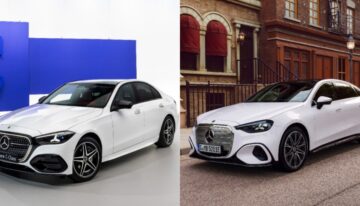
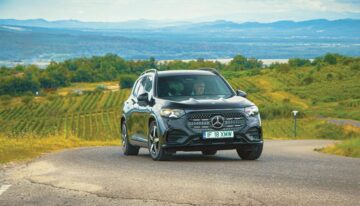
Mercedes vehicles have a strong visual identity from the factory. The proportions, body lines, lighting signatures, and grille treatments are designed to work as one composition. Customization can make that composition feel more personal, but only when each change supports the others.
A successful build rarely depends on the loudest color, largest wheels, or lowest suspension setting. It comes from coordination. The wrap color should complement the body shape. The wheels need to suit both the color and the character of the model. The stance should improve the profile without making the car awkward to drive. Lighting should finish the look instead of competing for attention.
For owners planning a visual update, the following eight considerations provide a practical framework for creating a Mercedes that feels distinctive, balanced, and thoughtfully finished.
1. Begin With One Clear Direction
The first step is deciding what the completed car should communicate. Some owners want a factory inspired appearance with subtle changes. Others prefer a darker, more aggressive AMG influenced style. A luxury focused S Class build calls for different decisions than a sporty C Class coupe or a rugged GLE.
An experienced installer of car wraps in Dayton Ohio can help an owner compare wrap finishes, wheel styles, suspension changes, and lighting options as parts of one project. Planning these elements together prevents the car from becoming a collection of unrelated modifications. A useful design direction can often be described in a few words:
- Understated and executive
- Sporty with factory inspired details
- Modern and monochromatic
- Classic with a contemporary finish
- Aggressive without appearing excessive
This description becomes a filter for every later decision. If a proposed wheel, light, or accent does not fit the chosen direction, it probably does not belong on the car.
2. Choose a Wrap Color That Respects the Body Lines
Mercedes designers use creases, curves, and changes in surface depth to control how light travels across the body. A wrap affects how clearly those details remain visible.
Gloss finishes reflect light much like traditional automotive paint. They suit owners who want a polished appearance and rich color depth. Satin finishes soften reflections while preserving the shape of the body. Matte film creates a flatter look, although it needs careful color selection because some shades hide subtle design details.
Metallic and color shifting films attract more attention. They tend to work best when the wheels, trim, and lighting remain restrained. Otherwise, too many visual effects compete at once.
The model also matters. Deep green, navy, charcoal, silver, and warm gray can reinforce the stately character of an E Class or S Class. Brighter blues, reds, and bronzes often feel natural on AMG models and compact coupes. SUVs carry earthy greens, sand tones, and dark metallic colors particularly well.
When comparing car wraps Dayton Ohio owners should view large film samples outdoors. A color that looks muted under showroom lighting can appear much brighter in direct sunlight. It should also be checked beside the vehicle’s trim, glass, brake calipers, and interior color.
3. Decide Which Factory Details Should Remain Visible
Not every original detail needs to be covered. Chrome trim, gloss black panels, brushed metal accents, carbon fiber pieces, and factory badges all influence the final appearance.
Keeping chrome around the windows can add definition to a dark blue, black, or green wrap. Blacking out the same trim creates a cleaner and sportier profile. On a silver or gray Mercedes, black trim provides contrast without introducing another color.
Badging requires similar restraint. Removing every emblem can leave the rear looking unfinished, while adding several new badges often creates clutter. Original Mercedes and AMG markings generally provide enough detail. Owners can retain them in the factory finish or change them to black or dark chrome when that treatment suits the rest of the car. Several small decisions deserve attention before installation:
- Whether the grille remains chrome, silver, or gloss black
- Whether the door handles match the body or provide contrast
- Whether the roof stays body colored or receives a black finish
- Whether exhaust trim coordinates with the wheels
- Whether badges remain original or receive a darker finish
Resolving these details early gives the installer a complete visual plan.
4. Match the Wheels to the Character of the Mercedes
Wheels have as much influence on the final appearance as the wrap itself. Their diameter, spoke pattern, depth, and finish affect how large, low, elegant, or aggressive the car appears.
Multispoke wheels often suit luxury sedans because they echo the detailed appearance of traditional Mercedes designs. Five spoke and split spoke wheels create a stronger performance impression. Simple designs also allow larger brakes and colored calipers to remain visible.
Wheel color should be selected after the wrap color. Gloss black creates strong contrast but can hide the shape of the wheel in low light. Satin bronze adds warmth to green, black, navy, or gray film. Silver and brushed finishes keep the car close to its factory character. Dark graphite offers a middle ground when black feels too severe.
People researching car wraps Dayton Ohio often focus on film first and treat wheels as a separate purchase. Viewing wrap and wheel samples together produces a more unified result. A bronze wheel that looks appealing on its own, for example, can feel out of place beside a cool silver wrap.
Tire fitment matters as well. A wheel should fill the arch cleanly without requiring a tire that appears overly stretched or leaves the rim exposed to everyday damage.
5. Set the Stance Without Sacrificing the Drive
Stance describes how the car sits over its wheels. Even a modest adjustment can make the body appear longer, wider, and more settled.
Lowering springs generally provide a fixed reduction in ride height. Coilovers allow more adjustment, while compatible air suspension systems offer flexibility between a low parked position and a practical driving height. The correct approach depends on the model, factory suspension, road conditions, wheel dimensions, and the way the car is used.
A daily driven Mercedes needs enough clearance for parking entrances, uneven pavement, and seasonal road repairs. Excessive lowering can also affect alignment, tire wear, steering response, and ride comfort. These concerns are especially important on models originally designed to combine performance with long distance comfort. A balanced setup usually follows three principles:
- The wheel gap looks consistent from front to rear
- The tire sits naturally within the fender
- The car retains enough clearance for normal driving
The goal is to make the stance look intentional while preserving the qualities that make the Mercedes enjoyable to own.
6. Use Lighting as a Finishing Detail
Mercedes lighting already carries a recognizable design language. Headlamp shapes, daytime running lights, and taillamp patterns often identify the model before the badge becomes visible. Aftermarket lighting should support that identity.
Useful changes include restoring cloudy lenses, replacing damaged lamps, improving interior ambient lighting, or adding carefully positioned accent lighting for off road display and private events. Light temperature should remain consistent. Mixing cool white headlamps with warm bulbs elsewhere gives the front of the car an uneven appearance.
Colored exterior lighting demands restraint and an understanding of local vehicle laws. Certain colors, flashing patterns, and light placements are reserved for emergency vehicles or prohibited on public roads. A professional installer can separate road appropriate lighting from display only features.
When coordinating lighting with car wraps Dayton Ohio drivers should consider the effect after sunset as well as during the day. A satin gray car with clean white lighting feels modern and technical. A deep blue or burgundy wrap often looks more refined when lighting remains close to the factory treatment.
7. Limit the Build to a Controlled Color Palette
Strong custom builds generally use no more than three main exterior colors. One is the wrap. Another comes from the wheels and trim. A third can appear in small accents such as brake calipers, center caps, or interior stitching.
For example, a satin dark green wrap can be paired with brushed silver wheels and black trim. A graphite wrap can work with silver wheels and restrained red calipers. A white coupe can use black wheels and factory chrome details without needing another accent color.
The accent should remain an accent. Repeating a bright color on the grille, badges, wheels, mirrors, calipers, and lighting turns a small detail into the dominant theme.
Owners can test a proposed palette by viewing the car from a distance. If one feature immediately draws attention away from the overall shape, it needs to be simplified. The eye should first recognize the Mercedes, then notice the individual modifications.
8. Plan Installation and Maintenance Before Committing
A coordinated design still depends on careful installation. Wrap film must follow complex bumpers, mirrors, sensors, cameras, handles, and trim without interfering with their operation. Wheels require correct sizing and hardware. Suspension work needs proper alignment. Lighting connections should be secure and protected from moisture.
Owners should ask how the shop prepares the vehicle, handles edges and recessed areas, and protects sensitive components. It is also sensible to discuss how separate services will be scheduled. Completing suspension and wheel fitment before final wrap inspection can reveal clearance issues while adjustments are still straightforward.
Maintenance expectations vary by finish. Wrapped vehicles benefit from gentle hand washing, clean microfiber towels, and products approved for automotive film. Matte and satin surfaces need cleaners that do not add wax or gloss. Bird droppings, road tar, and fuel spills should be removed promptly.
Before choosing car wraps Dayton Ohio Mercedes owners should also discuss film care, expected service life, removal, and any workmanship coverage. Clear expectations help preserve both the appearance of the wrap and the paint beneath it.
A Mercedes That Still Looks Like a Mercedes
Tasteful customization does not erase the vehicle’s original character. It sharpens it. A carefully selected wrap changes the mood of the car, while coordinated wheels, stance, trim, and lighting make the new appearance feel complete.
The most convincing builds show restraint. Every component has a purpose, colors are repeated thoughtfully, and practical concerns remain part of the plan. The finished Mercedes looks personal and distinctive, yet its proportions and identity still lead the design.