A unique opportunity: Mercedes is selling one of the 13 surviving Mercedes C 111 prototypes and has promised not to sell another example over the next 25 years. The proceeds will be used to modernise the Mercedes-Benz Museum in Stuttgart and develop its virtual counterpart, the “Mercedes-Benz Museum 2.0”.
After shocking the collector car world by selling one of the two Mercedes 300 SLR Uhlenhaut Coupés for a record-breaking €135 million ($147 million) in May 2022, Mercedes is now offering another unique opportunity. Auction house RM Sotheby’s will auction one of the 13 surviving Mercedes C 111 prototypes on February 3, 2027, at the Palais du Louvre during Rétromobile Paris.
Of the 17 prototypes originally built, one was used for crash testing and another three were dismantled in the 1970s. This means that 13 examples in various versions survive today.
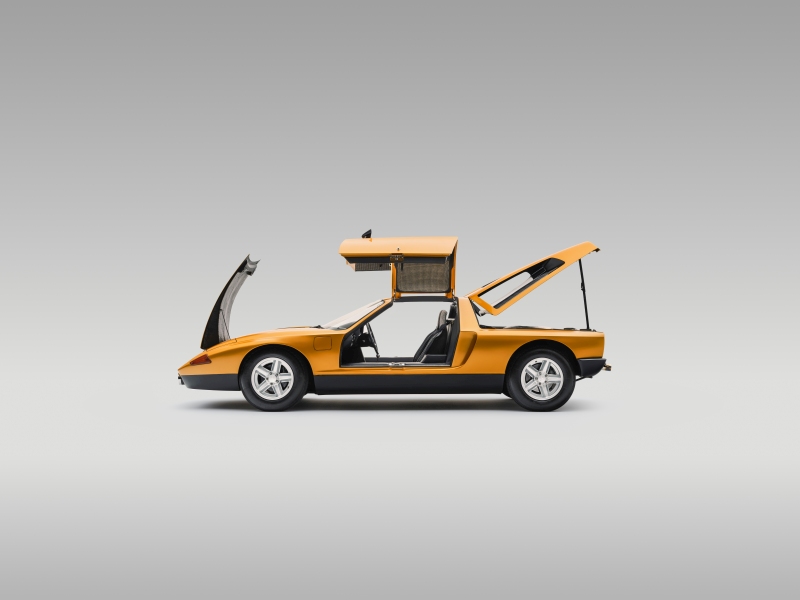
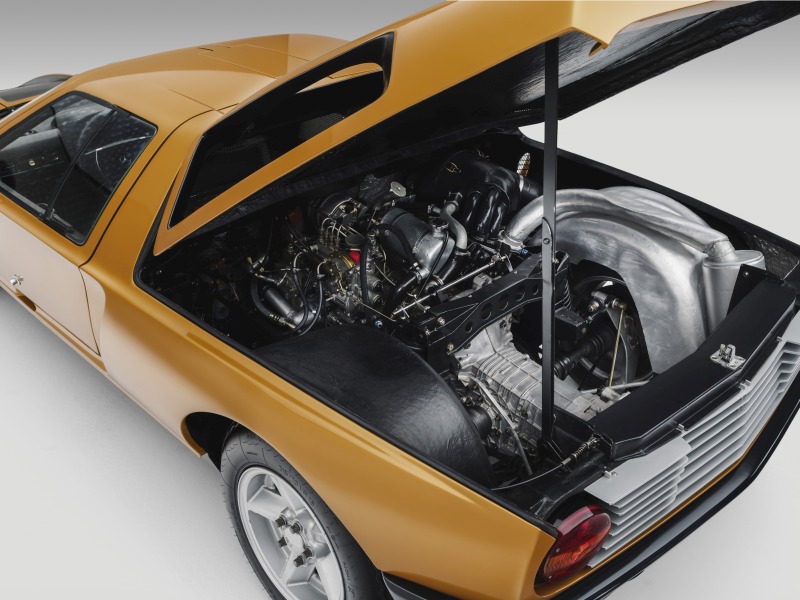
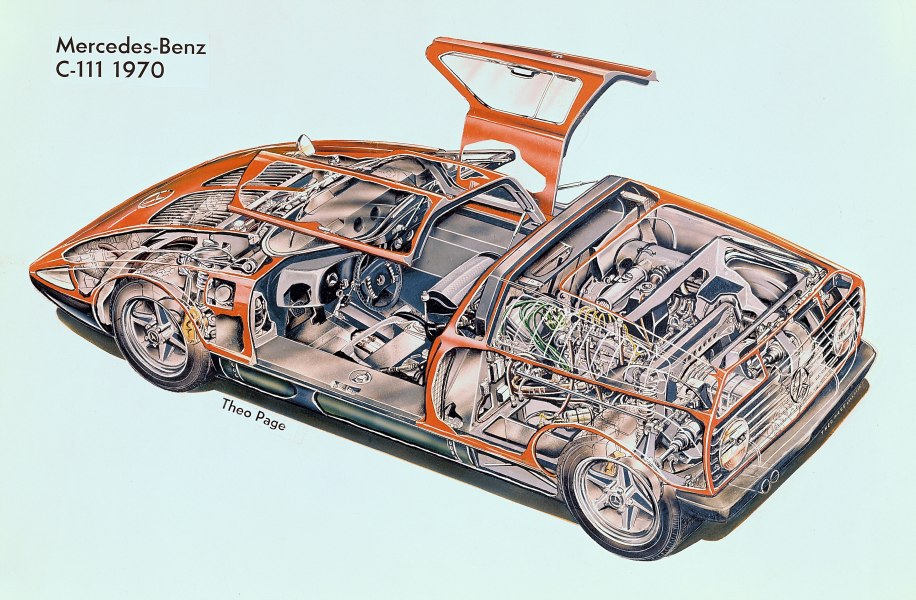
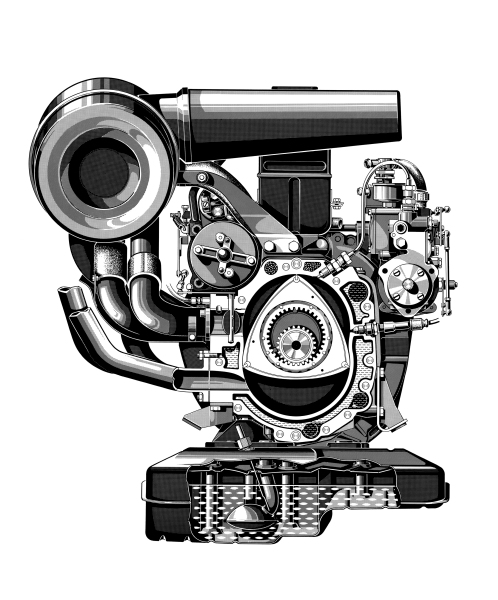
The Mercedes C 111 supercar was unveiled at the Frankfurt Motor Show in autumn 1969 and immediately attracted attention with its gullwing doors, inspired by the legendary 300 SL Coupé (W 198). Featuring a mid-mounted engine, a reinforced fibreglass body and a Wankel rotary engine, which was considered a technology of the future at the time, the first-generation C 111 was far ahead of its time.
Five examples of the first C 111-I series were built: three with a three-rotor Wankel engine (numbers 22, 23 and 24), one without an engine (number 25) and the first with a four-rotor Wankel engine, built in September 1969 (number 26). The very first prototype, known as the “Hobel”, featured a temporary body.
Starting in spring 1970, Mercedes built eight examples of the second-generation C 111-II. Four of them (numbers 31, 33, 34 and 36) were equipped with a four-rotor Wankel engine, one had no engine (number 32), one featured a three-rotor Wankel engine (24a), while two were fitted with conventional combustion engines: an M116 V8 (number 35) and a five-cylinder OM 617 A turbodiesel (number 37).
In autumn 1977 and through the summer of 1978, Mercedes built another three examples of the third-generation C 111-III (numbers 41, 42 and 43). Two were equipped with the same five-cylinder OM 617 A turbodiesel engine, while one had no engine.
Mercedes C 111-II prototype number 33
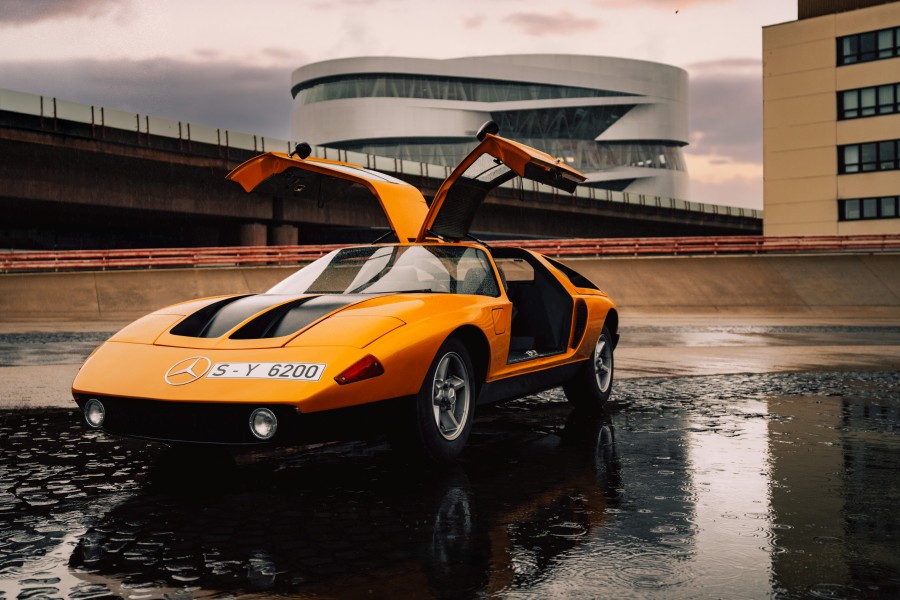
The prototype going under the hammer is number 33 from the second-generation Mercedes C 111-II series. It was presented at the Geneva Motor Show in March 1970 and featured a 2.4-litre M 950 W 48 four-rotor Wankel engine producing 257 kW (350 PS).
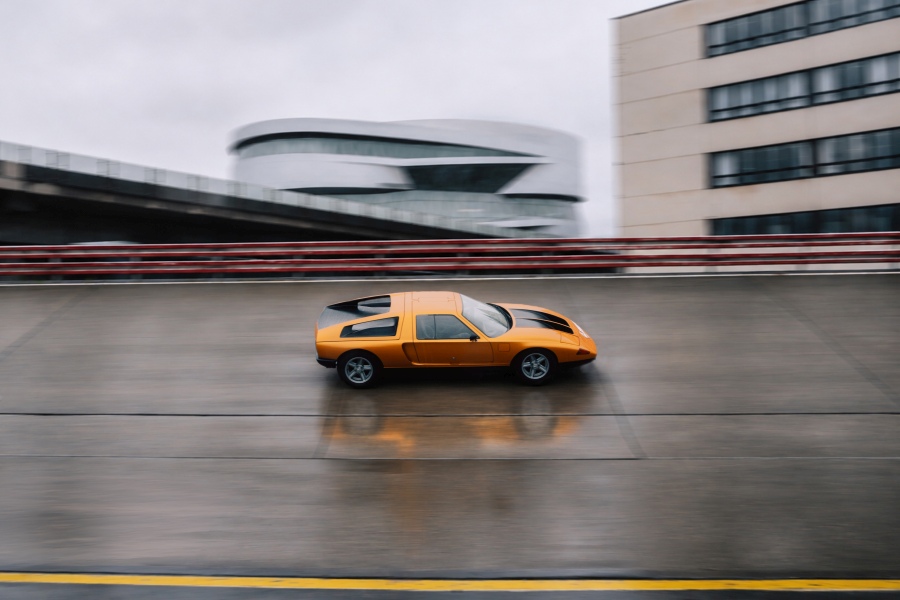
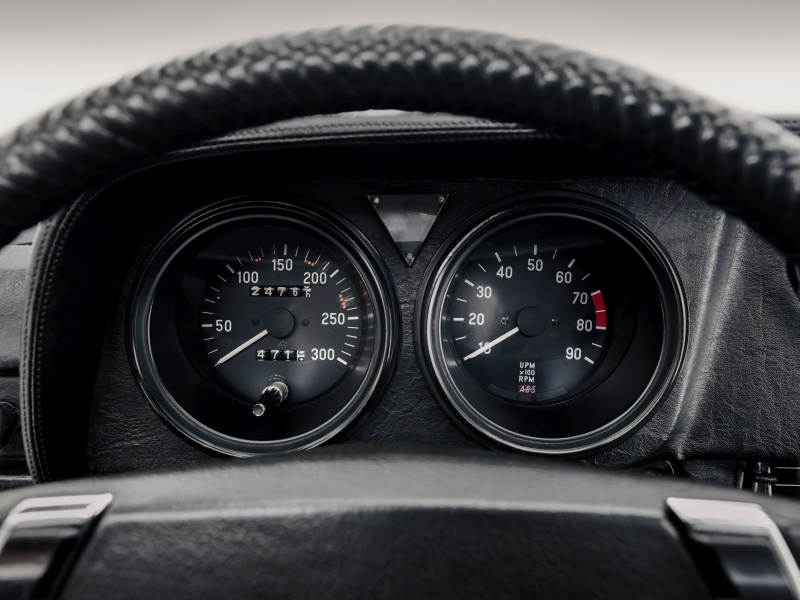
With a kerb weight of just 1,240 kg, the Mercedes C 111-II accelerated from 0 to 100 kph in 4.8 seconds and reached a top speed of up to 300 kph.
Example number 33 is finished in White Autumn and was built in August 1970. It carries the registration number “SY 6200” and has been part of the “Fascination Design” exhibition in the foyer of the Mercedes-Benz Museum since the museum opened in 2006.
In 2024, the car was removed from the museum and sent to the Classic Center in Fellbach for restoration. Since then, it has become the only operational Mercedes C 111 equipped with a four-rotor Wankel engine.
Following its restoration, car number 33 was displayed at the Pebble Beach Concours d’Elegance in California, in the “Wedge-Shaped Concept Cars and Prototypes” category. It also appeared in the first German edition of Playboy magazine in 1972.
Despite its exceptional performance and enormous public interest, the Mercedes C 111 never made it into series production. High production costs, new emissions regulations and the 1973 oil crisis ultimately forced Mercedes to abandon the project.
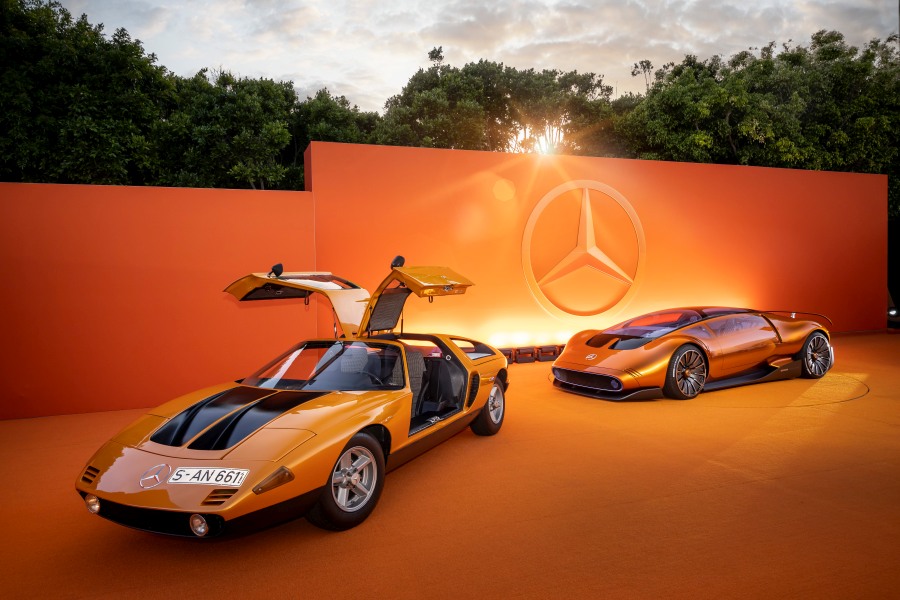
Mercedes has contractually promised that it will not sell a second example over the next 25 years following this auction, making the opportunity to acquire this particular car truly unique. However, another Mercedes C 111 will remain available for events.
Mercedes has not disclosed the auction’s starting price, but estimates suggest that the car could fetch several tens of millions of euros.
Mercedes-Benz Museum 2.0
With the proceeds from the sale, Mercedes intends to modernise and expand its museum in Stuttgart. An eighth Mythos Room will be created to illustrate the brand’s development from 2010 onwards.
Mercedes also plans to develop a digital version of the museum, called “Mercedes-Benz Museum 2.0”, offering a virtual experience to visitors from all over the world. The exhibition will be interactive, with the first results expected to become visible in 2027.