I watched a friend buy a nine-year-old C-Class for eleven grand and spend almost four of it in the first fourteen months. None of that spending was visible on the lot, and none of it showed up in the price he negotiated.
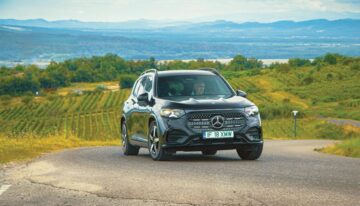
Photo: Deposit photos
That’s the trap with used luxury cars. The purchase price is the easy number, the one you can screenshot and compare. The ownership cost is the hard number, spread across tires, oil changes, deferred maintenance, and the slow bleed of parts that were built to a standard your wallet has to match. If you’re pricing a car right now, the smartest move you can make is to budget the first two years of ownership before you sign anything. And if you ever get caught in a crash or a fender bender during that stretch, having a lawyer for motorcycle accident claims or a crash attorney lined up in your contacts is one of those quiet preparations that pays off. Most drivers skip it. That’s the wrong order of operations.
Here’s what actually drives the number, and how to get ahead of it.
The depreciation story you already know is only half the story
Everyone talks about depreciation because it’s the biggest single hit on a new car. Buy that same car a decade later and depreciation has already done its damage to someone else’s bank account. That’s the whole appeal.
What doesn’t fall is the cost of keeping the car running. A 2015 E-Class and a 2025 E-Class share a badge, not a parts catalog. The older car’s suspension bushings, control arms, and cooling components wear out on a timeline, and the replacement parts are still priced for a luxury car. You’re buying a depreciated asset with undepreciated upkeep. That gap is where the sticker shock lives.
I’d rather buy a well-documented high-mileage car than a low-mileage garage queen with no service history. Records matter more than the odometer. A car with 120,000 miles of steady highway use and a thick folder of receipts is a safer bet than one that sat for years and rotted quietly.
What actually eats your budget
Run the math on these before you commit. None of them are exotic, and all of them are predictable.
- Oil and filter services on a modern turbo four cost more than the same job on a Toyota, mostly because of labor access and spec oil. Expect to pay a premium at every interval.
- Tires are the sneaky one. Larger wheels mean larger rubber, and staggered fitments mean you can’t rotate front to rear. A set can cost more than a month’s rent.
- Brakes and rotors on a heavier car wear faster, and the parts are sized to match the weight.
- Scheduled maintenance like transmission fluid, spark plugs, and coolant flushes show up on a calendar whether you’re ready or not.
Add one surprise a year, because there will be one. A window regulator. A sensor. A leak that turns out to be a seal nobody warned you about. Budget for it in advance and the surprise stops being a crisis.
Why maintenance history beats mileage every time
Pull the service records before you pull the trigger. If the seller can’t produce them, assume the worst and price accordingly. A car that skipped its fluid changes for three years is a car with a bill coming due, and you’ll be the one paying it.
Ask specifically about the big-ticket items. When was the last brake job? Has the transmission been serviced? Are there any warning lights, even intermittent ones? A seller who answers quickly and specifically is a seller you can trust. A seller who gets vague is telling you something too.
Here’s a move I’ve used: take the car to an independent Mercedes specialist, not a general shop. Pay for the inspection. It costs a few hundred dollars and can save you thousands. The specialist knows exactly what fails on that model year and will tell you what’s coming.
The hidden costs that don’t show up in the classifieds
Insurance on a used luxury car often runs higher than people expect, because repair costs drive premiums. Call your insurer with the VIN before you buy, not after. The quote might change your mind about the model.
Fuel is another one. A larger engine and a heavier car mean more trips to the pump. The difference isn’t dramatic per fill-up, but over a year it adds up. The Department of Energy keeps fuel economy data that lets you compare models directly on their official figures rather than trusting the seller’s memory. Run the numbers for your actual commute, not the fantasy version.
And don’t forget registration, property tax if your state charges it, and the cost of a parking spot if you live somewhere tight. Those line items are boring, and boring is exactly why people skip them.
A practical checklist before you buy
Use this to structure your search. It won’t make the car cheaper, but it will stop you from being surprised.
- Get the VIN and run a full history report. Look for accidents, flood damage, and title brands.
- Request every service record the seller has, going back as far as possible.
- Book a pre-purchase inspection with a marque specialist.
- Get an insurance quote using the VIN.
- Price a set of tires and a brake job for that exact model and wheel size.
- Set aside a maintenance fund equal to roughly one major service per year.
Do those six things and you’ll know more about the car than most buyers ever bother to learn. That knowledge is worth more than a discount.
What safety ratings and recalls tell you about older models
Older doesn’t automatically mean less safe, but it does mean you should check. The Insurance Institute for Highway Safety publishes crash test results by model year, and those results shift as designs change. A car that earned top marks in one generation may not in another. Look up your exact year and body style.
Also check for open recalls tied to the VIN. Recalls are free to fix, and a seller who never bothered to get them handled tells you something about how the rest of the car was treated. My rule: if the seller hasn’t cleared the recalls, assume the oil changes were late too.
The bottom line on buying smart
The purchase price is a starting point, not the total. The real number is the sticker plus two years of ownership costs, and the second part is what separates a good used car from a money pit. Buy on records, inspect with a specialist, and budget for the maintenance you know is coming. Do that and a used Mercedes can be a genuinely great car at a fraction of the new price. Skip it and you’re the person telling everyone at the barbeque about the repair bill.
Before you hand over a deposit, ask yourself one honest question: can you afford the car, or just the payment? Your answer tells you everything.