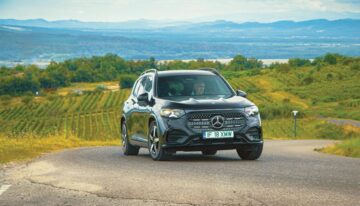
Choosing between GMC and Mercedes-Benz depends on your priorities, driving habits, and budget. Both brands offer modern vehicles with useful technology, but they serve different needs. GMC is known for capable trucks and versatile SUVs, while Mercedes-Benz focuses on luxury, refined performance, and premium comfort.
For drivers comparing their options, exploring car dealerships Albany GA can be a helpful starting point for learning more about GMC models. By comparing comfort, performance, features, and ownership costs, Albany drivers can find a vehicle that fits their everyday routines.
Vehicle Selection and Versatility
GMC offers a lineup centered on trucks and SUVs. Models such as the Terrain and Acadia provide options for commuters and families, while the Sierra pickup serves drivers who need cargo-hauling and towing capability. The Yukon offers additional passenger space for larger households and longer trips.
Mercedes-Benz provides a different mix of vehicles, including luxury sedans, crossovers, and SUVs. Models such as the C-Class and E-Class appeal to drivers who prefer sedans, while the GLC and GLE offer SUV versatility with a premium focus.
GMC may be the stronger choice for drivers who need a truck or a spacious, practical SUV. Mercedes-Benz may appeal more to those who want a luxury sedan or an SUV with an emphasis on refinement.
Comfort and Interior Design
Comfort is important for daily commutes, errands, and longer drives. GMC vehicles generally emphasize practical cabin layouts, useful storage, and comfortable seating. Depending on the model and trim, drivers may also find heated seats, premium upholstery, large infotainment displays, and other convenience features.
Mercedes-Benz places a strong emphasis on interior sophistication. Many models offer upscale materials, carefully designed controls, ambient lighting, and advanced digital displays. Available seating adjustments and cabin features can also enhance comfort on longer journeys.
Both brands offer comfortable vehicles, but the experience differs. GMC focuses on combining comfort with everyday functionality, while Mercedes-Benz generally places greater emphasis on luxury and cabin refinement.
Performance and Driving Experience
GMC vehicles are designed to handle a variety of everyday and demanding tasks. Its trucks can provide substantial towing and payload capability when properly equipped, while its SUVs offer a balance of passenger space and road performance. Drivers who transport equipment, tow trailers, or enjoy outdoor activities may appreciate GMC’s range of utility-focused options.
Mercedes-Benz emphasizes smooth acceleration, responsive handling, and a refined ride. Depending on the model, drivers can choose efficient powertrains, powerful engines, or performance-oriented variants. Its SUVs combine everyday practicality with a more luxury-focused driving experience.
For Albany drivers, the best choice depends on typical travel. If you regularly haul equipment or need a vehicle for demanding work, compare GMC truck specifications. If you primarily commute, travel with passengers, and value refined handling, a Mercedes-Benz sedan or SUV may be worth considering.
Technology and Safety Features
Both manufacturers offer technology designed to make driving more convenient. GMC models may include smartphone connectivity, touchscreen infotainment, digital driver displays, parking assistance, and available trailering technologies.
Mercedes-Benz vehicles often feature sophisticated infotainment interfaces, digital instrument displays, navigation, and available driver-assistance systems. Depending on the model and trim, these technologies can provide a more personalized driving experience.
When comparing safety equipment, check for features such as automatic emergency braking, blind-spot monitoring, lane-keeping assistance, and adaptive cruise control. Availability varies by vehicle, so review the specifications for the exact model you are considering rather than assuming every feature comes standard.
Purchase Price and Ownership Costs
Budget is an important part of choosing a vehicle. GMC offers models across several price ranges, making it possible to compare practical SUVs and trucks with more upscale trims. However, larger vehicles may have higher fuel consumption, and towing-focused models can require more expensive tires or maintenance.
Mercedes-Benz generally occupies the premium market. Its purchase prices, insurance costs, and servicing expenses may be higher, particularly for models with advanced systems or specialized components. These costs can vary depending on the vehicle’s age, condition, and warranty coverage.
Before making a decision, consider the total cost of ownership, including:
- Purchase price and financing expenses.
- Fuel, insurance, and routine maintenance.
- Repairs, replacement parts, and expected depreciation.
Comparing estimates for specific models will provide a more accurate picture than comparing the brands alone.
Which Brand Fits Your Albany Lifestyle?
GMC may be a better match if you want a versatile SUV, a capable pickup, or a vehicle that supports work, family travel, and outdoor activities. Its lineup offers choices for drivers who value practicality and utility.
Mercedes-Benz may suit drivers who prioritize premium interiors, sophisticated technology, refined handling, and a luxury-oriented experience. Its sedans and SUVs can be appealing for commuting and comfortable long-distance travel.
Think about your usual routes, passenger needs, parking arrangements, and budget. Test-drive vehicles from both brands if possible, and compare visibility, seating comfort, cargo space, and ease of use. For used vehicles, review maintenance records and vehicle history before committing.
Conclusion
GMC and Mercedes-Benz offer different advantages for Albany drivers. GMC stands out for its versatile trucks, practical SUVs, and useful capabilities, while Mercedes-Benz emphasizes luxury, comfort, and refined performance. Neither brand is automatically the best choice for every driver. By comparing individual models, safety features, and long-term ownership expenses, you can choose the vehicle that best supports your daily driving needs and financial goals.