The car you drive every day affects your fuel budget, parking options, and comfort on longer journeys. A sedan usually makes sense for commuting and city streets, while an SUV offers a taller cabin and more flexible cargo space. The better fit comes down to your regular routes, passengers, and what you need to carry.
With so many options available, comparing features and priorities can make a decision easier. This applies to different online searches, including those for a 1xbet alternative, as well as to choosing a car. For drivers, the key differences are practical: comfort, running costs, and how easily a vehicle fits into daily life.
Space and Everyday Comfort
A sedan’s lower seating position gives it a traditional car feel, and its separate boot is usually enough for shopping, work bags, and weekend luggage. An SUV sits higher and has a taller rear opening, making bulky items such as strollers and sports equipment easier to load.
Interior space varies by model, so a larger body does not automatically mean a more useful cabin. Check rear-seat legroom, boot capacity, and how easily the seats fold if you often carry passengers or luggage.
- Sedan: A sensible choice for commuters, couples, and drivers who mostly carry people and everyday essentials.
- SUV: A practical option for families, frequent road trips, and those who regularly transport larger items.
Fuel Economy and Ownership Costs
Sedans often use less fuel than similarly sized SUVs because their lower profiles can reduce aerodynamic drag. Weight, engine choice, drivetrain, and hybrid technology also affect consumption, so body style alone does not tell the whole story.
The US Environmental Protection Agency’s Automotive Trends reports put average real-world fuel economy for 2024 model-year vehicles at 33.5 mpg for sedans and wagons, compared with 26.1 mpg for car SUVs. These figures describe US vehicle fleets, not equivalent models tested side by side. For cars sold in Europe, compare the official WLTP figures for the specific engine and trim.
Fuel is only one part of the ownership budget. Insurance, servicing, tires, financing, and depreciation can make a noticeable difference over several years.
- Insurance: Costs depend on the vehicle, driver, location, and level of cover.
- Maintenance and tires: Larger tires can cost more to replace, while servicing costs vary by model and powertrain.
- Depreciation and financing: The purchase price, loan interest, and eventual resale value all affect the total cost.
AAA’s 2026 ownership-cost analysis estimates the average cost of owning and operating a new vehicle in the US at $12,863 a year. This figure includes several categories of expense; it is a general US benchmark, not a direct comparison of sedans and SUVs.
Parking, Visibility, and Safety
A sedan’s lower profile and often smaller footprint can make parallel parking and narrow streets less stressful. An SUV gives the driver a higher view of the road, but its wider body and taller rear can make it harder to judge nearby obstacles.
Parking sensors and cameras help with low-speed manoeuvres. Depending on the model and equipment, Mercedes-Benz offers PARKTRONIC and a 360-degree camera. Availability varies by market and trim, so check the specifications of the vehicle you plan to buy.
Visibility matters beyond parking. In a 2025 study, the Insurance Institute for Highway Safety found that vehicles with large driver-side blind zones were associated with a 70% higher risk of pedestrian crashes during left turns than vehicles with small blind zones. The result highlights the importance of visibility; it does not mean that every SUV is less safe than every sedan.
Road Conditions and Practical Details
For regular trips on paved roads, a sedan is often all you need. If your route includes potholes, steep driveways, or uneven surfaces, an SUV with greater ground clearance may be more convenient. Ground clearance alone, however, does not make a vehicle suitable for serious off-road driving.
Two details are worth checking before you choose:
- Ground clearance: Consider the roads you use most, including speed bumps, rough access roads, and steep entrances.
- Wheel and tire size: Larger wheels can cost more to replace and may produce a firmer ride, depending on the tires and suspension.
Mercedes-Benz C-Class or GLC?
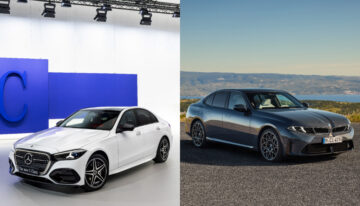
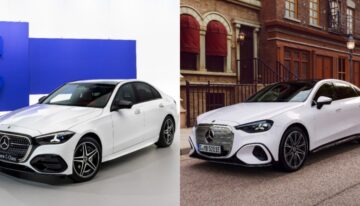
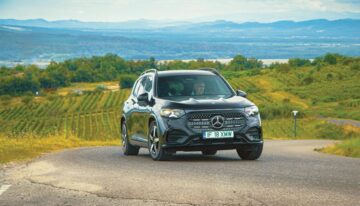
The Mercedes-Benz C-Class and Mercedes-Benz GLC SUV suit different priorities. The C-Class is worth considering if you prefer a conventional sedan for commuting and everyday urban driving. The GLC is the more natural candidate if you want a higher seating position, easier access to the cargo area, and extra ground clearance.
Compare the exact versions available in your market, paying attention to engine, equipment, dimensions, fuel economy, and servicing costs. The BMW 3 Series, BMW X3, and Audi Q5 offer further options in the same broad categories.
For mostly urban commuting and lower fuel use, start with a sedan. If you regularly carry bulky cargo or need extra clearance, look at an SUV. A test drive and a check of your usual parking space will tell you more than body style alone.