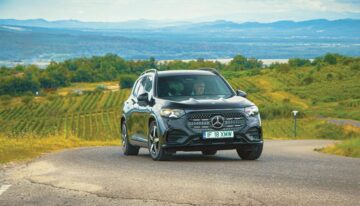
Driving home from college sounds simple until the trip is five or six hours long, the trunk is full of laundry, and your Mercedes suddenly flashes a warning you have never seen before. A car that feels perfectly fine during short campus trips deserves a little more attention before spending hours at highway speeds.
Photo: deposit photos
The good news is that preparing for a long drive does not have to become a full weekend project. Check the tires, fluids, battery, lights, fuel, and basic emergency gear before departure, and deal with anything suspicious while you are still near your regular mechanic.
Twenty minutes in the parking lot can save you a much less enjoyable twenty minutes on the shoulder of an interstate!
When Finals and Travel Prep Land in the Same Week
The drive home often comes immediately after exams, projects, or dissertation deadlines. You may be trying to finish college work, pack your room, return library books, clean the apartment, and prepare the car at the same time, which makes it very easy to skip basic vehicle checks.
If a large dissertation project is taking over the time you need for practical travel preparation, academic support from WriteMyDissertation can help you manage part of that workload while you set aside time to inspect your Mercedes, pack properly, and plan the route home. The goal is to avoid reaching departure morning with both unfinished academic work and a car you have not checked.
Give the Tires More Than a Quick Glance
Tires deserve special attention before a long highway trip because speed, heat, luggage, and distance can expose problems that are easy to ignore during short drives around campus.
Check pressure when the tires are cold and use the recommended pressure for your specific vehicle and load. Do not simply copy the number printed on another car or inflate every Mercedes to the same pressure. Depending on the model, the correct information may be shown on the vehicle’s tire-pressure label or in its owner’s manual.
Mercedes-Benz owner’s manuals specifically advise checking tire pressure regularly, when the vehicle’s load changes, and before longer journeys. The company’s owner’s manual guidance on tire pressure also warns that incorrect pressure can affect tire wear, handling, braking, and fuel consumption.
While you are there, inspect the tread and sidewalls. Look for:
- cuts, cracks, or bulges
- nails or other objects in the tread
- uneven wear across the tire
- one tire that repeatedly loses pressure
- tread that is close to its replacement limit
- visible damage around the wheel
If something looks wrong, get it inspected before the trip rather than hoping it survives another few hundred miles.
Check Fluids While the Car Is Cold
A long drive puts the cooling system, engine, and windshield-cleaning equipment to work for hours at a time. Check the fluid levels that your Mercedes model allows the owner to inspect safely. That commonly includes windshield washer fluid and, depending on the vehicle and instructions, coolant and engine oil.
Do not open a hot cooling system. If a fluid level is unexpectedly low, investigate why instead of automatically topping it up and forgetting about it. A small leak that barely matters during five-minute trips around campus can become much more serious during several hours on the highway.
Think About the Battery Before It Gives You Trouble
College cars often spend plenty of time parked. A Mercedes might sit for days during exam week and then suddenly be expected to handle a long trip home. Pay attention if the engine has recently been slow to start, electrical systems have behaved strangely, or the battery is several years old. Cold weather can make a weak battery especially obvious.
If you are uncertain, having the battery tested before leaving is much easier than discovering the problem at a fuel stop hundreds of miles from campus. Also, check that you know how roadside assistance works for your vehicle and insurance policy. Save the relevant contact details in your phone before the trip instead of trying to find them after a breakdown.
Make Sure You Can Actually See and Be Seen
Walk around the car and test the exterior lights.
Headlights, brake lights, turn signals, and hazard lights matter even more when your drive stretches into the evening or bad weather. Clean dirty lenses and the windshield too.
Check the wiper blades by actually using them. If they streak badly, chatter across the glass, or leave large areas untouched, replacing them before a long drive is a cheap improvement. A road trip through heavy rain is a terrible moment to discover that the driver’s-side blade stopped doing useful work sometime in April.
Pack the Mercedes Without Turning It Into a Moving Closet
Going home from college often means carrying much more than you normally do.
Put the heaviest luggage low and as far forward in the cargo area as practical, rather than stacking everything high against the rear window. Make sure loose objects cannot fly forward during hard braking.
Here is a simple pre-trip check:
| Area | What to Check | Why It Matters |
| Tires | Pressure, tread, visible damage | Highway safety and handling |
| Fluids | Oil, coolant, washer fluid as applicable | Helps prevent avoidable problems |
| Battery | Starting behavior and condition | Reduces breakdown risk |
| Lights | Headlights, brakes, signals | Visibility |
| Wipers | Blade condition and washer operation | Bad-weather driving |
| Cargo | Weight and secure placement | Keeps the car stable and cabin safer |
| Fuel/charge | Enough range for your first planned stop | Avoids starting the trip stressed |
Do not bury anything you may need on the road. Keep water, a jacket, a charging cable, basic documents, and emergency items somewhere accessible.
Make the Pre-Drive Check a College Routine
A Mercedes that handles daily trips to class without trouble can still benefit from extra attention before a long journey. Highway driving adds distance, speed, sustained engine use, and often a much heavier load than the car normally carries.
Check the tires carefully, look over the fluids, pay attention to the battery, test the lights and wipers, and pack the cargo area sensibly. Do it the day before you leave so there is still time to deal with anything unexpected.
Once everything looks good, you can load the final bag, choose something decent to listen to, and head home without spending the first hour wondering whether you remembered to check the tires. That’s a much better way to start the drive!