
The all-new Mercedes-AMG GT 4-Door Coupe has barely been launched, and Ferrari has already unveiled the first electric model in its history, matching the performance of the new Mercedes while costing twice as much. And the design of the Ferrari Luce has already sparked a lot of controversy. Which model do you think has the better technology and the more attractive design? Read our analysis.
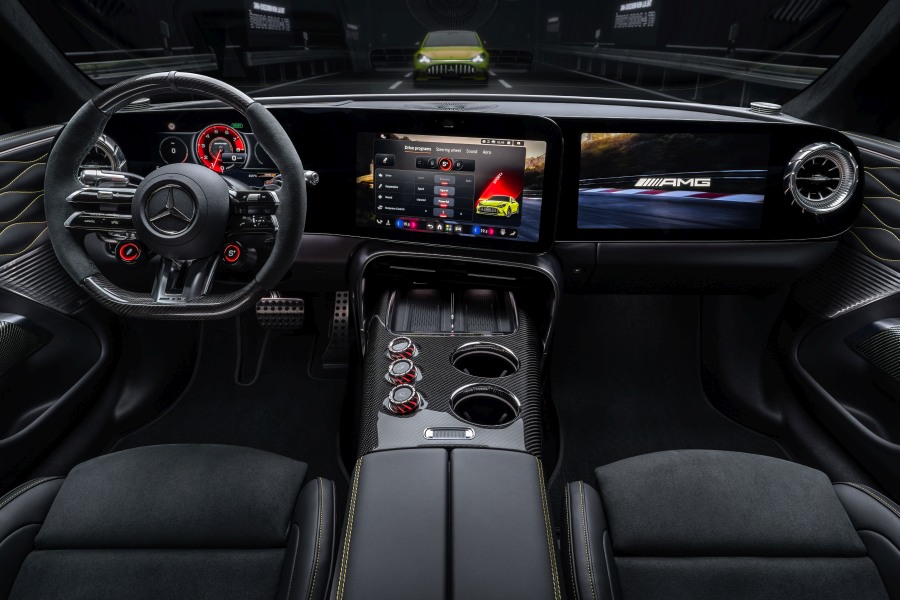
The electric era is bringing a new rivalry: Ferrari vs Mercedes-AMG. On May 20, 2026, Mercedes launched the new Mercedes-AMG GT 4-Door Coupe, the first standalone electric model developed by AMG with no equivalent in the Mercedes range, and the first model based on the new dedicated AMG.EA architecture with 800V technology.
Just five days later, on May 25, 2026, exactly 79 years after the victory of the Ferrari 125 S at the Rome Grand Prix, Ferrari unveiled the first electric model in its history, the Ferrari Luce, also built on a dedicated architecture and also featuring 800V technology.
The Mercedes-AMG GT 4-Door Coupe is available in AMG GT 55 4-Door Coupe 4Matic+ form with 816 PS and AMG GT 63 4-Door Coupe 4Matic+ with 1,169 PS, both powered by three motors — two on the rear axle and one on the front axle.
The Ferrari Luce comes in a single version with four motors, one for each wheel. The front motors develop 143 HP each, while the rear motors produce 435 HP each, resulting in a total output of 1,050 PS.
In this comparison, we have put the 1,169 PS Mercedes-AMG GT 63 4-Door Coupe 4Matic+ head-to-head with the 1,050 PS Ferrari Luce.
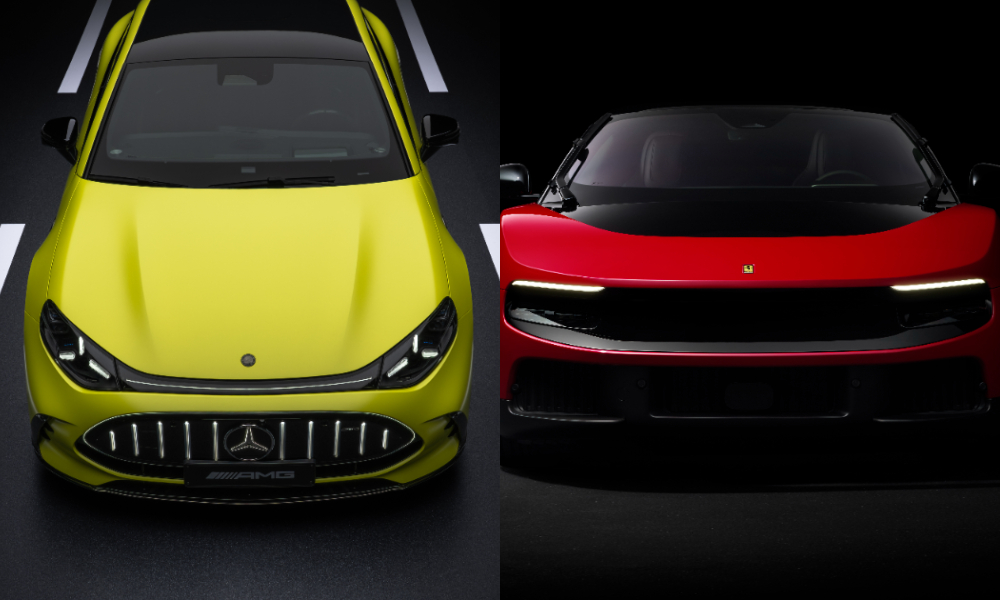
Dimensions and interior space
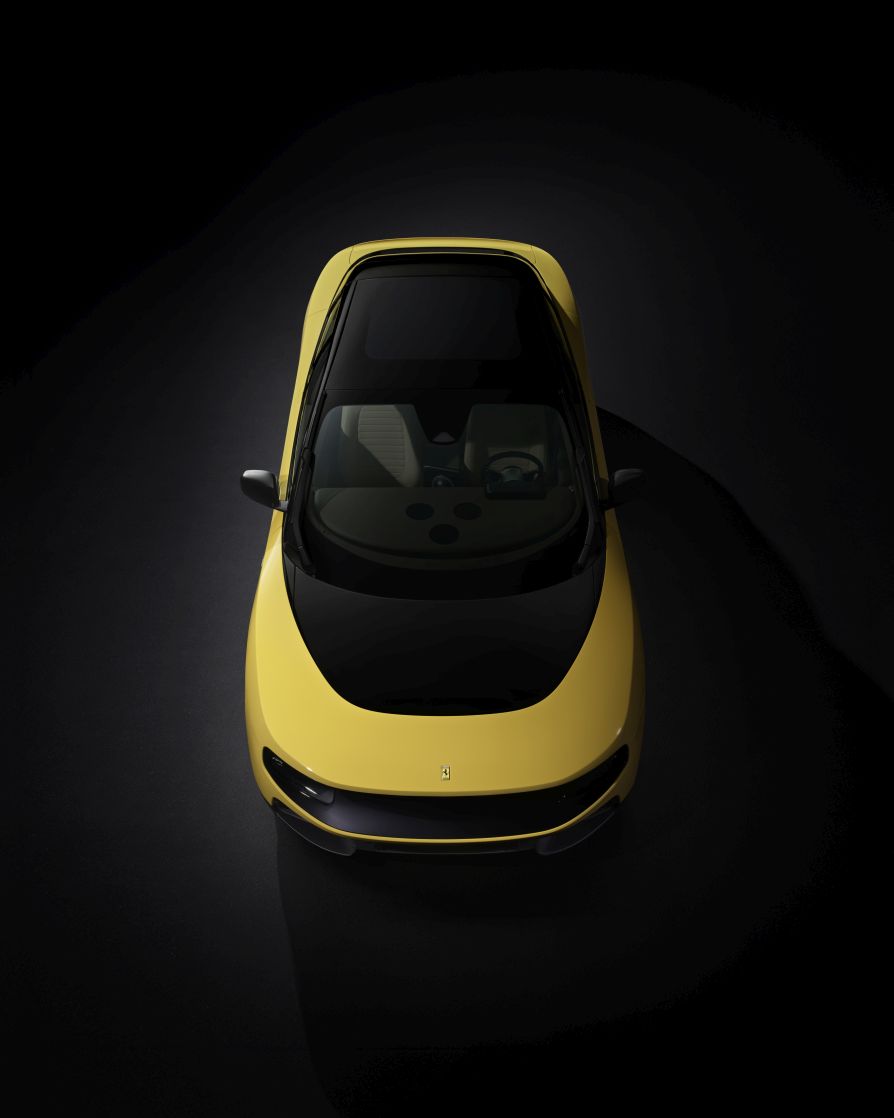
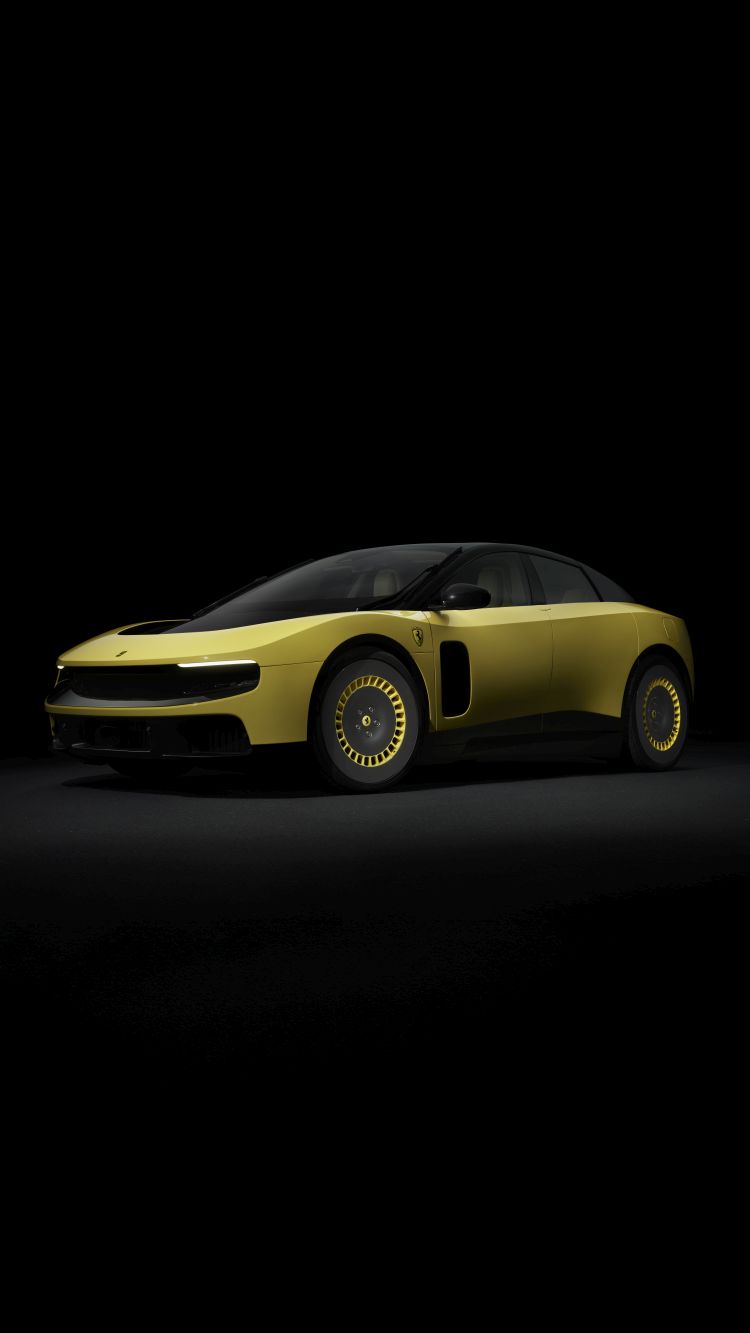
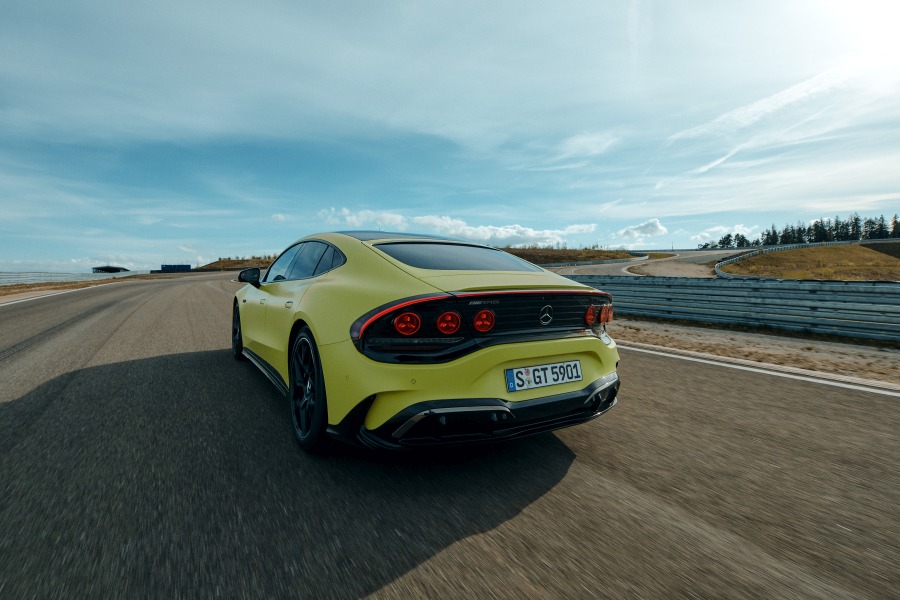
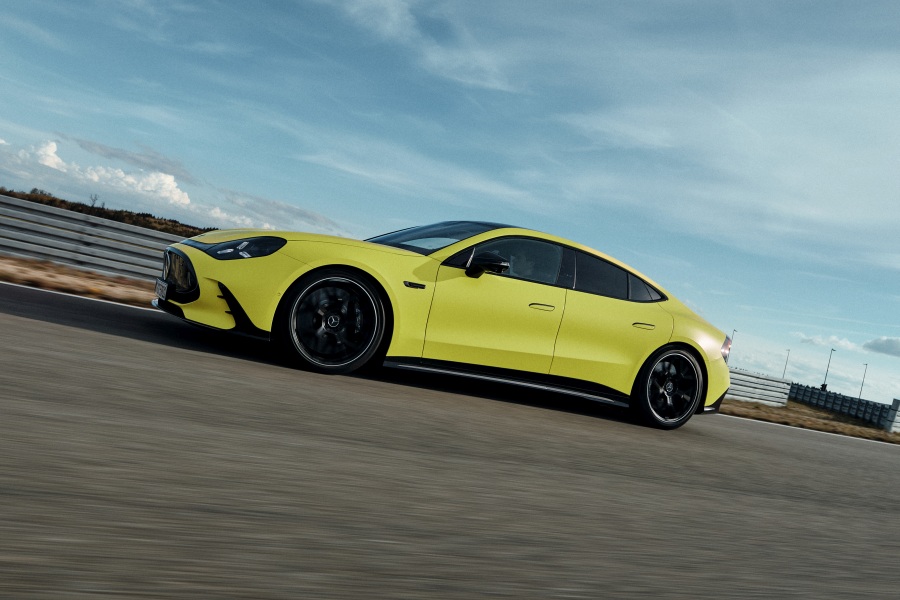
At 5,094 mm long, 1,959 mm wide, and 1,411 mm tall, the Mercedes-AMG GT 4-Door Coupe is slightly longer, narrower, and lower than the Ferrari Luce, which measures 5,026 mm in length, 1,999 mm in width, and 1,544 mm in height. Surprisingly, the Ferrari Luce is 133 mm taller, giving it more of a hatcback-like appearance than that of a traditional GT.
The Mercedes-AMG GT 4-Door Coupe promises more rear passenger space thanks to its significantly longer wheelbase of 3,040 mm compared to 2,961 mm for the Ferrari.
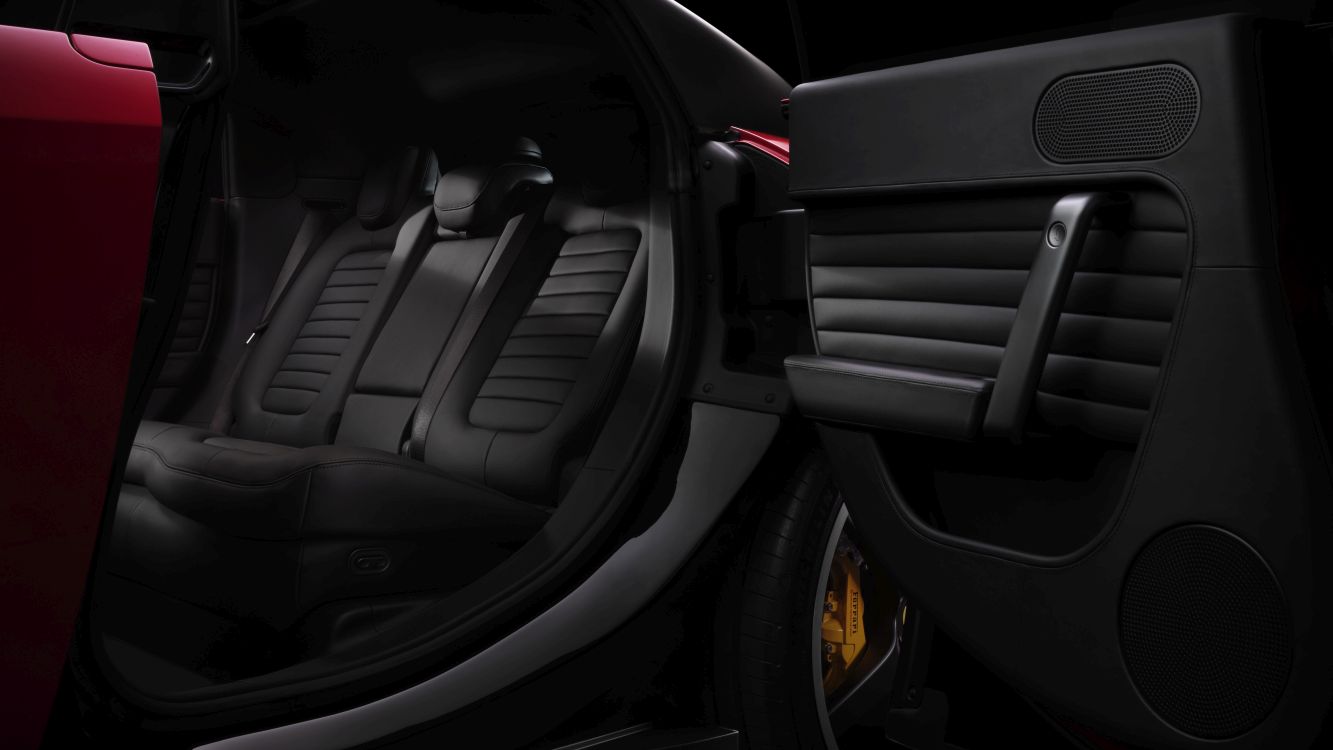
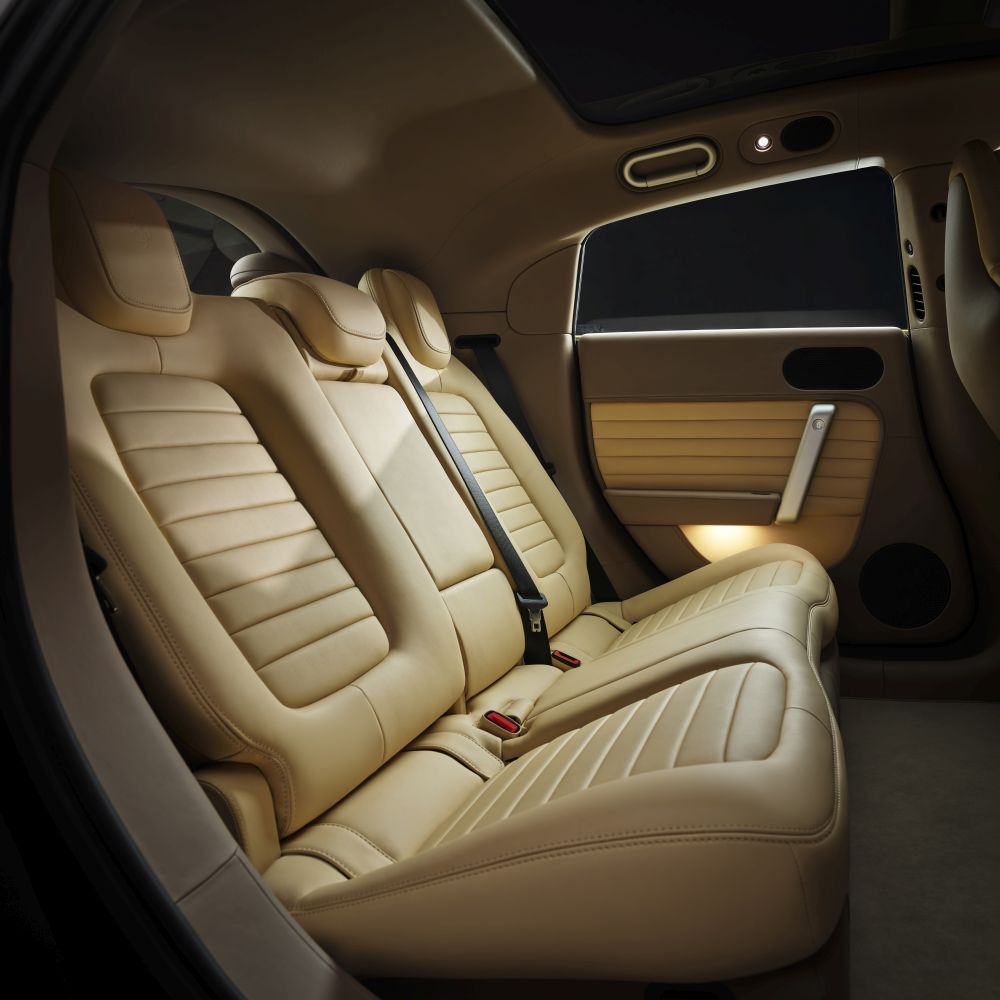
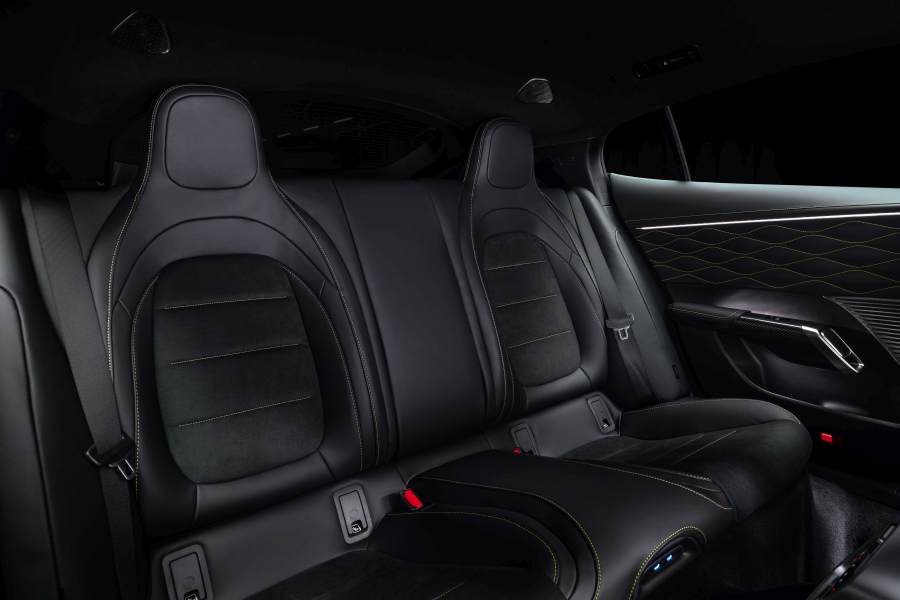
Equally unusual for a sports car is the rear-seat configuration of the Ferrari. While the Mercedes-AMG GT 4-Door Coupe comes standard with four seats featuring two individual rear seats and optionally with a rear bench, the Ferrari Luce is available only with a three-seat rear bench.
It is the first Ferrari with a rear bench because previous combustion-engine GT models used a transaxle layout with the gearbox mounted at the rear, making a fifth middle rear seat impossible. However, for a sports-oriented Ferrari, we also expected an option with two individual rear seats. Or perhaps Ferrari wanted this car to appeal to larger families?
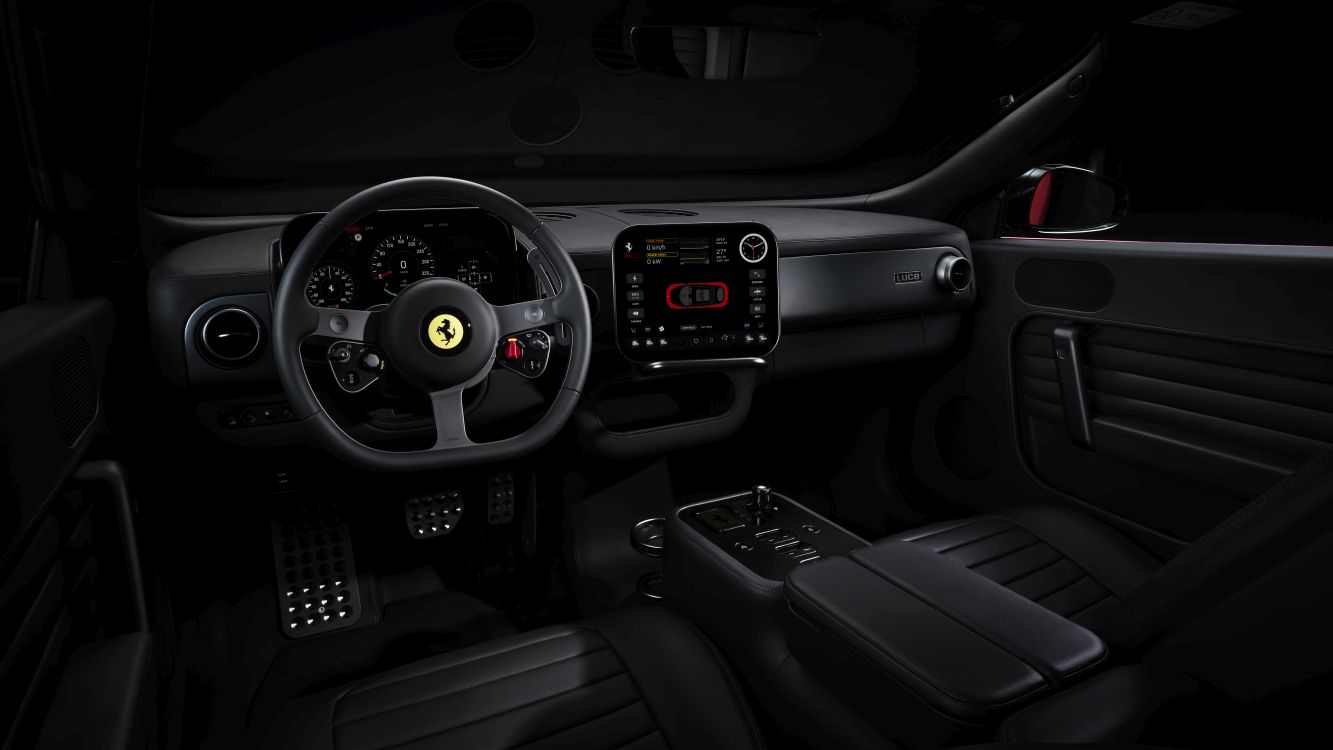
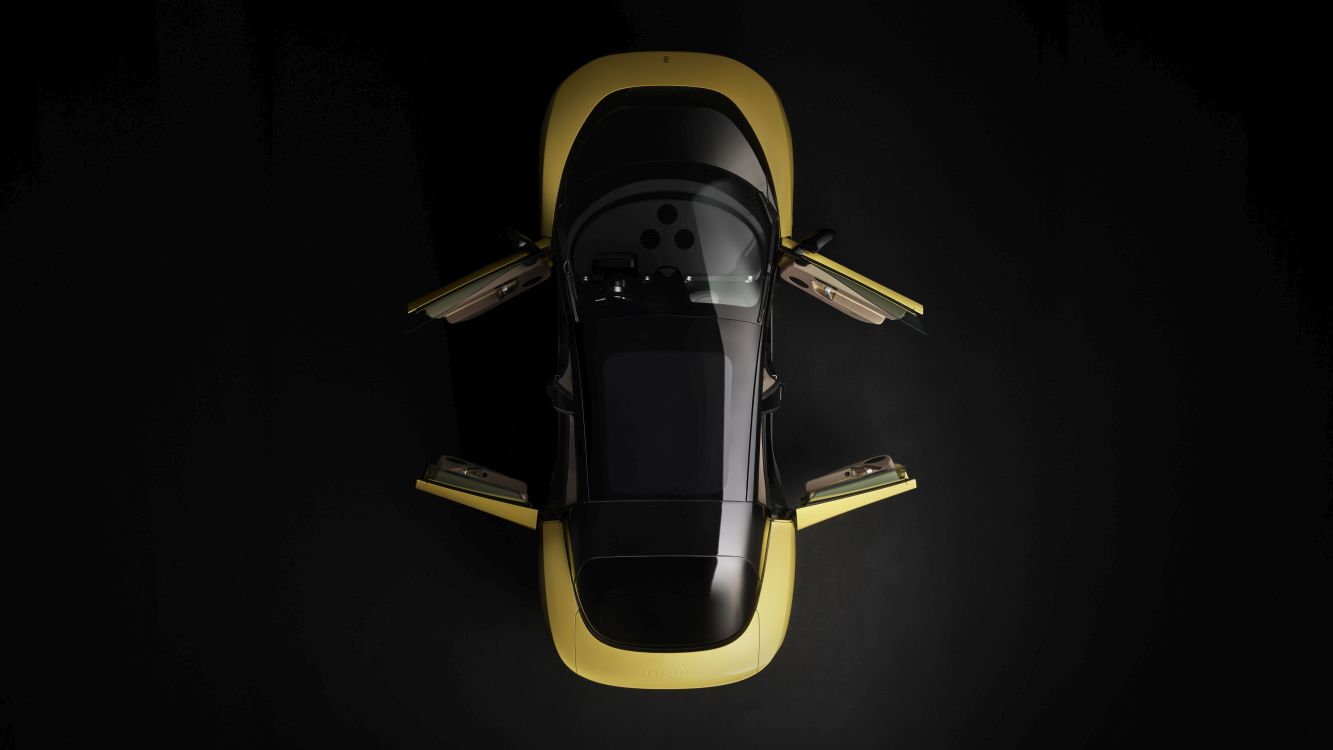
On the other hand, Ferrari offers easier rear access thanks to the absence of a B-pillar and rear doors that open in the opposite direction, similar to the Ferrari Purosangue.
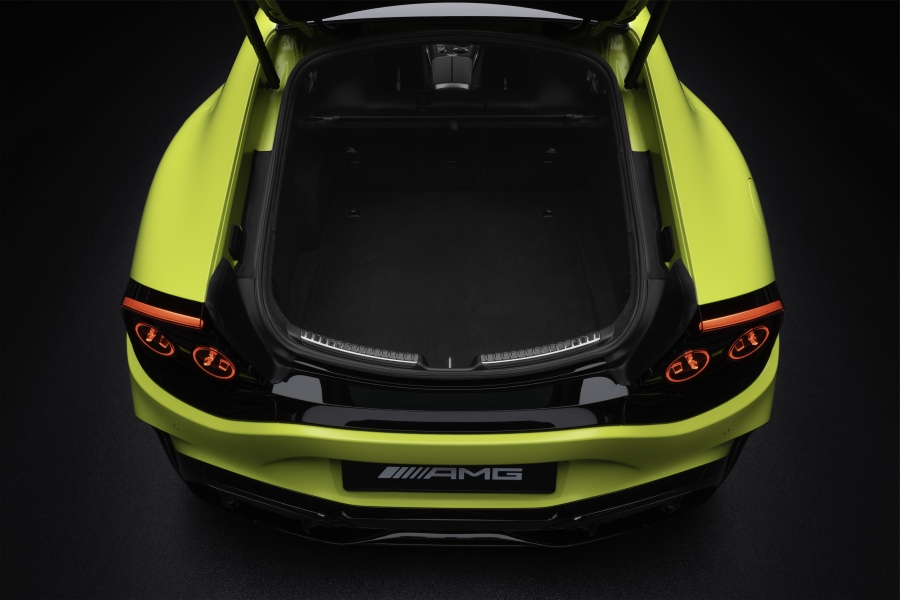
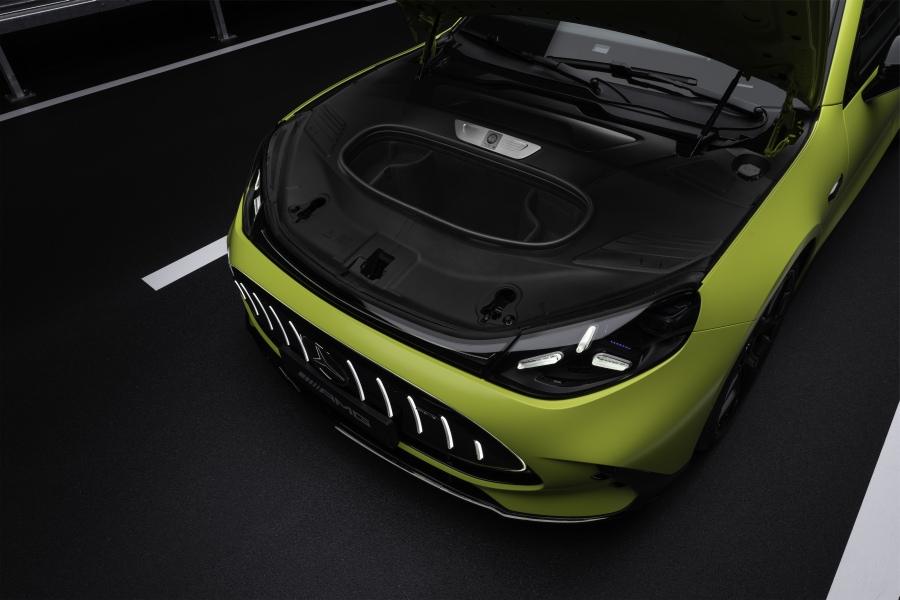
Also surprisingly, the Ferrari has no front trunk, but it does feature a huge 597-liter luggage compartment, compared to only 415 liters in the Mercedes-AMG GT, which also includes a spacious 62-liter frunk.
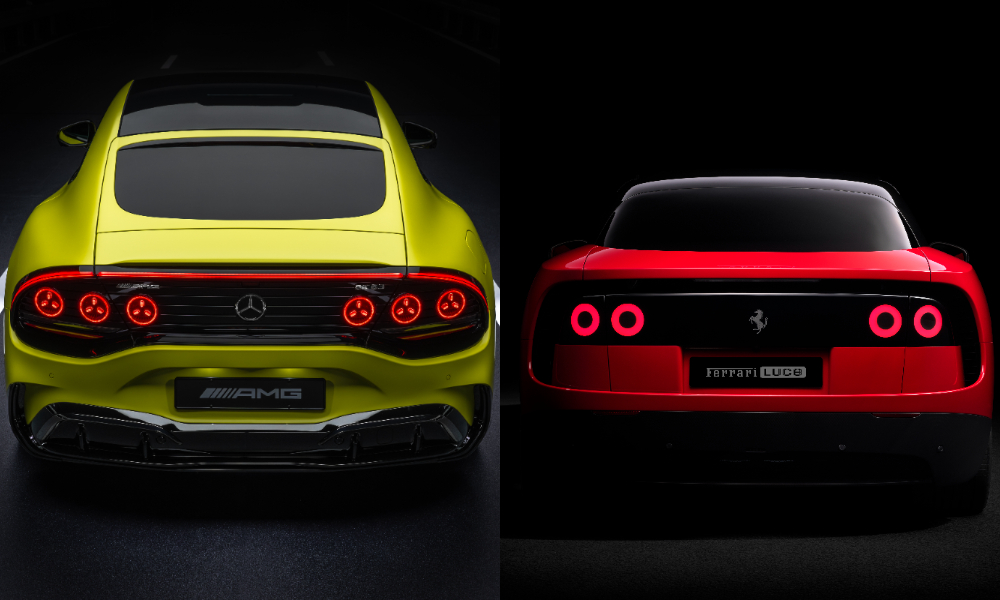
Powertrains
There are many differences between the powertrains of the two models.
The Mercedes-AMG GT uses axial-flux motors from British manufacturer YASA, which was fully acquired by Mercedes-Benz in 2021. These motors are far more compact and have a higher energy density than conventional ones. The rear motors are only 8 cm wide, while the front motor is just 9 cm wide. Despite their compact dimensions, a single motor can develop up to 474 PS.
In the AMG GT 63 4-door, three motors are at work — two at the rear and one at the front — producing 1,169 PS and 2,000 Nm. The sprint from 0 to 100 kph takes 2.4 seconds, while 0 to 200 kph is achieved in 6.8 seconds. AMG promises that, unlike other high-performance EVs, the power is not available only for a short period but repeatedly and continuously, thanks to the YASA motors and the battery technology derived from Formula 1.
The Ferrari Luce uses four motors, one for each wheel. These are conventional permanent-magnet synchronous radial-flux motors derived from those used in the F80. The front motors develop 143 PS/140 Nm each and can spin up to 30,000 rpm, while the rear motors produce 435 PS/335 Nm each and rev up to 25,500 rpm. One front motor and transmission weigh 65 kg, while one rear motor and transmission weigh 129 kg. Total output reaches 1,050 PS, while maximum torque stands at 990 Nm.
Thus, the Ferrari Luce has 119 PS less, but it is also lighter, weighing 2,260 kg compared to 2,460 kg for the Mercedes-AMG. That is why the dynamic performance figures are very similar. The Luce accelerates to 100 kph in 2.5 seconds and reaches 200 kph in 6.8 seconds.
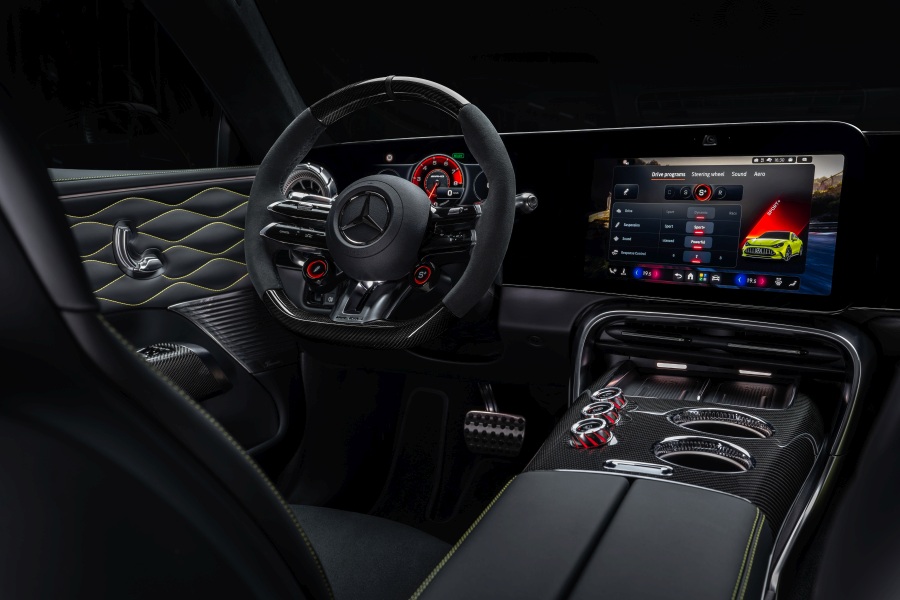
Mercedes wanted to offer customers of the new electric GT the auditory experience of a V8, and in AMGFORCE S+ mode it reproduces not only the sound of a V8 engine, but also gear changes, interruptions in power delivery, and even virtual gear shifts via steering-wheel paddles.
Ferrari offers a similar but more sophisticated system. In Performance mode, the sound is taken directly from the motors and transmission and amplified inside the cabin.
Suspension and Chassis
The Mercedes-AMG GT 4-door features a sophisticated AMG Active Ride Control suspension with semi-active roll stabilization and three-stage adjustable air springs. It uses dampers equipped with semi-active interconnected hydraulic elements that replace conventional anti-roll bars. The chassis uses a multilink configuration both at the front and rear, while the rear-wheel steering system allows the rear wheels to turn by up to 6 degrees relative to the front wheels.
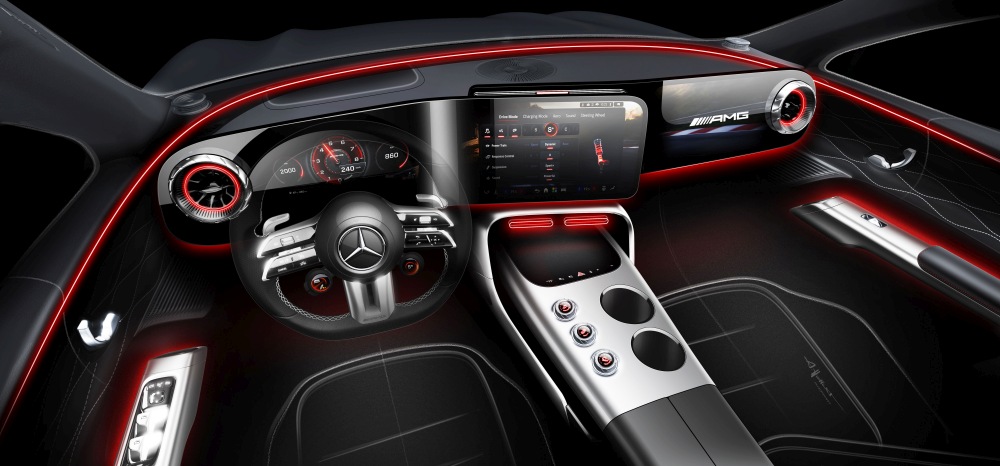
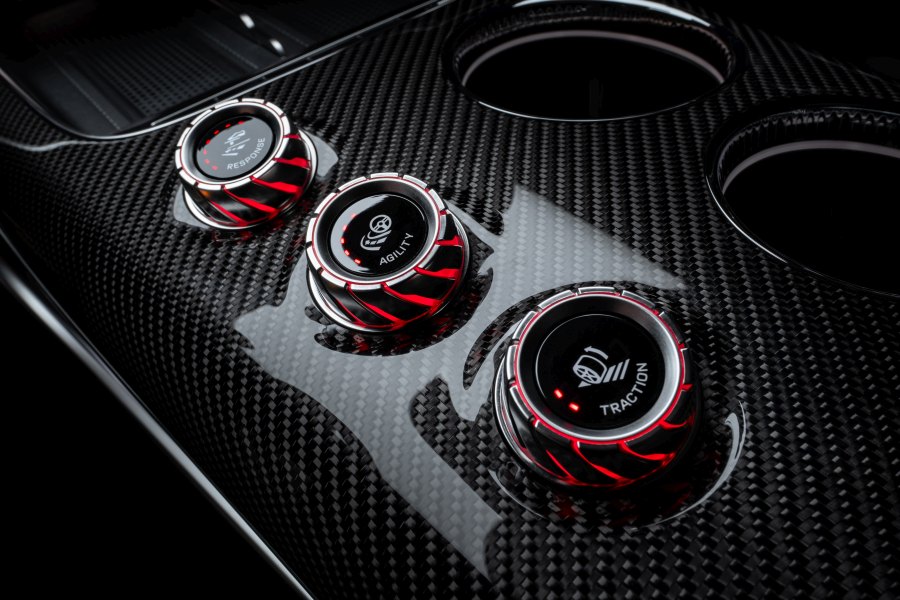
The two rear motors provide a Torque Vectoring function that contributes to exceptional driving dynamics and grip. The AMG GT also impresses with its Race Engineer control unit featuring three rotary switches on the center tunnel: Response Control, Agility Control, and Traction Control.
The Ferrari Luce uses an evolution of the 48V Multimatic TrueActive active suspension from the Purosangue, which also eliminates active anti-roll bars. The suspension setup features double wishbones at both the front and rear, and it also comes with rear-wheel steering, just like the Mercedes-AMG GT.
The two rear motors enable Torque Vectoring, while the steering response is 15% quicker than in the Purosangue. Although the car is relatively tall, its center of gravity is 95 mm lower than that of the Purosangue, the yaw moment of inertia is 15% smaller, and weight distribution is 47/53% front/rear.
Battery
The Mercedes-AMG GT 4-door Coupe uses an NMC battery with a capacity of 106 kWh (energy density of 298 Wh/kg), consisting of 2,660 cylindrical cells grouped into 18 modules. This configuration is much easier to cool than a battery using prismatic cells grouped into modules.
With a charging power of up to 600 kW, the Mercedes-AMG GT 4-door needs only 11 minutes to charge from 10 to 80%. Thanks to its excellent aerodynamics, the Mercedes-AMG GT 4-door Coupe promises an impressive WLTP range of 696 km (17.9 kWh/100 km consumption).
The Ferrari Luce battery is supplied by SK On, is also NMC-type, and has a capacity of 122 kWh. It consists of 210 prismatic cells (energy density of 305 Wh/kg) grouped into 15 modules of 14 cells each. However, the battery shape is very different from Mercedes’ design because Ferrari wanted to concentrate more mass toward the rear and deliver handling characteristics typical of a Ferrari.
As a result, the 15 modules are arranged as follows: one central module immediately behind the front axle, followed by 10 modules placed two by two along the vehicle floor, while the final four modules are stacked two by two behind the rear seats.
Ferrari announces a charging power of only 350 kW, significantly lower than Mercedes, and does not disclose the 10–80% charging time. Instead, it states that 70 kWh can be charged in 20 minutes, which corresponds to an average charging power of only 210 kW. Ferrari says the battery is designed and built in Maranello, meaning it can be replaced if necessary.
Ferrari has not disclosed energy consumption figures but has announced an official WLTP range of 530 km.
Prices
Nothing official has been announced yet for either model, although there are plenty of rumors. We expect the Mercedes-AMG GT 63 4-door Coupe 4Matic+ to cost slightly more than the Porsche Taycan Turbo GT, which starts at €241,100. We estimate a price of around €280,000.
As for the Ferrari Luce, Ferrari stated before the car’s launch that it would cost around €500,000, while the latest estimates point to €550,000 — roughly double the price of the Mercedes-AMG GT 4-door Coupe, despite both cars offering similar performance and the Mercedes providing greater range and much better charging power.
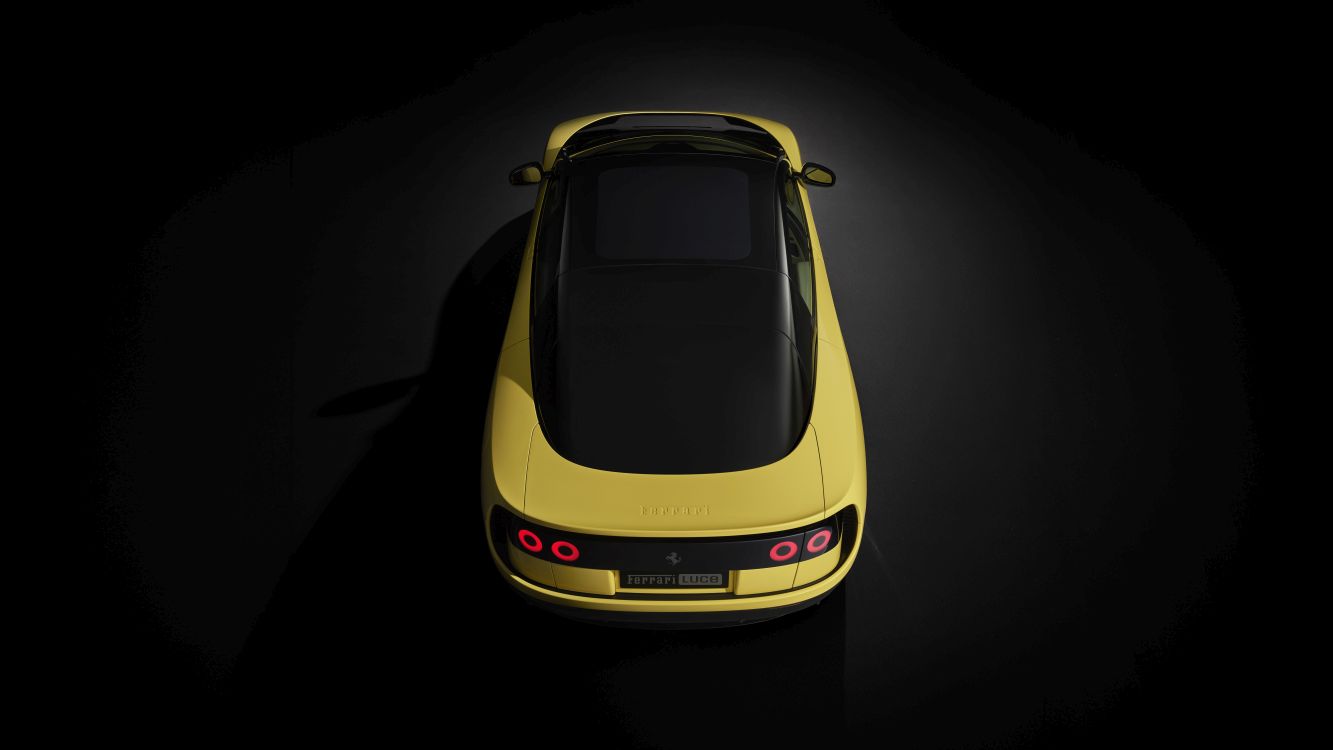
Ferrari, however, promises unprecedented lateral dynamics, superior even to the Purosangue. At the same time, though, it will probably alienate many Ferrari fans because of its shocking design.
| Edit | ||
|---|---|---|
| Model | Mercedes-AMG GT 63 4-door coupe | Ferrari Luce |
| Engine | 3, electric | 4, electric |
| Max. output PS(kW) | 860 (1,169) | 772 (1,050) |
| Continuous power PS (kW) | 530 (721) | na |
| Max. torque (Nm) | 2,000 | 990 |
| L x w x h (mm) | 5,094 x 1,959 x 1,411 | 5,026 x 1,999 x 1,544 |
| Wheelbase (mm) | 3,040 | 2,961 |
| Boot volume (l) | 62/415 | -/597 |
| Kerbweight (kg) | 2,460 | 2,260 |
| Battery capacity net (kWh) | 106 | 122 |
| Charge power DC (kW) | 600 | 350 |
| Charge power AC (kW) | 11 | 11 |
| Energy consumption (kWh/100 km) | 17.9 | na |
| WLTP range (km) | 696 | 530 |
| Acc 0-100/0-200 kphh (s) | 2.4/6.8 | 2.4/6.8 |
| Top speed (km/h) | 300 | 310 |
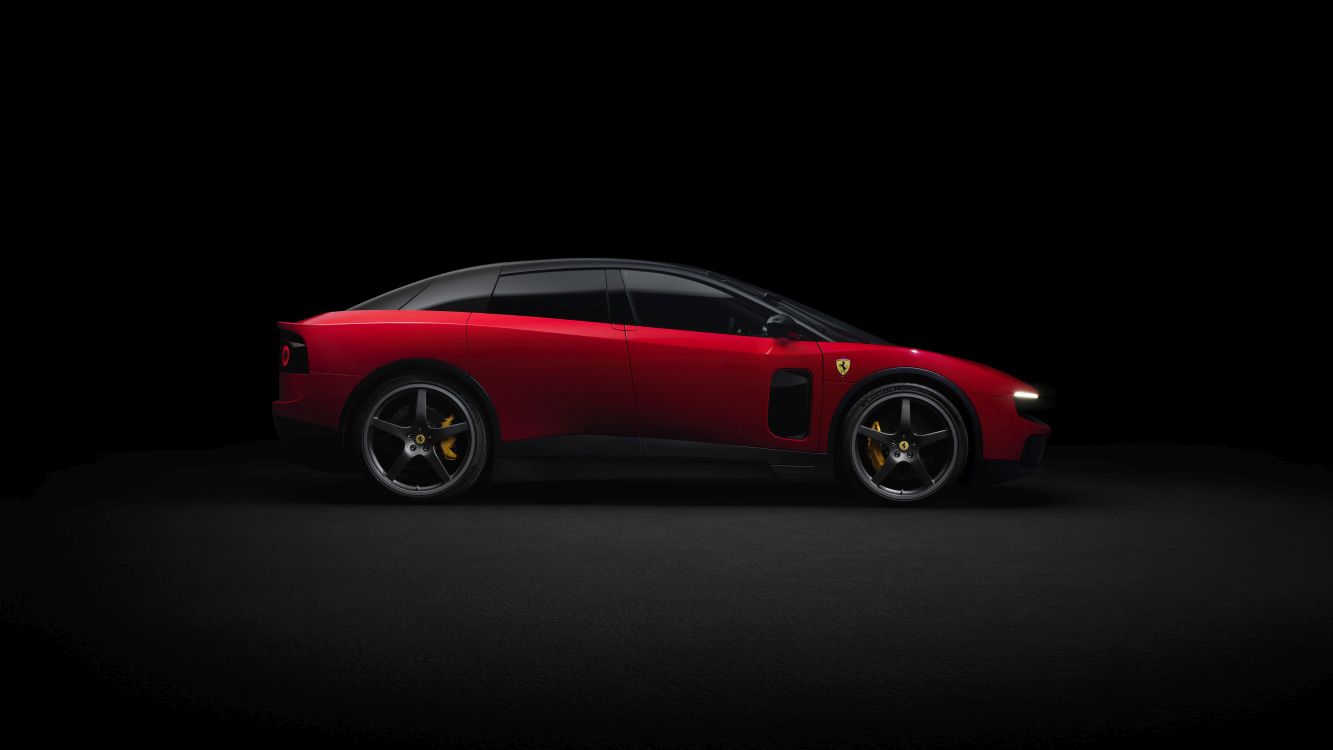
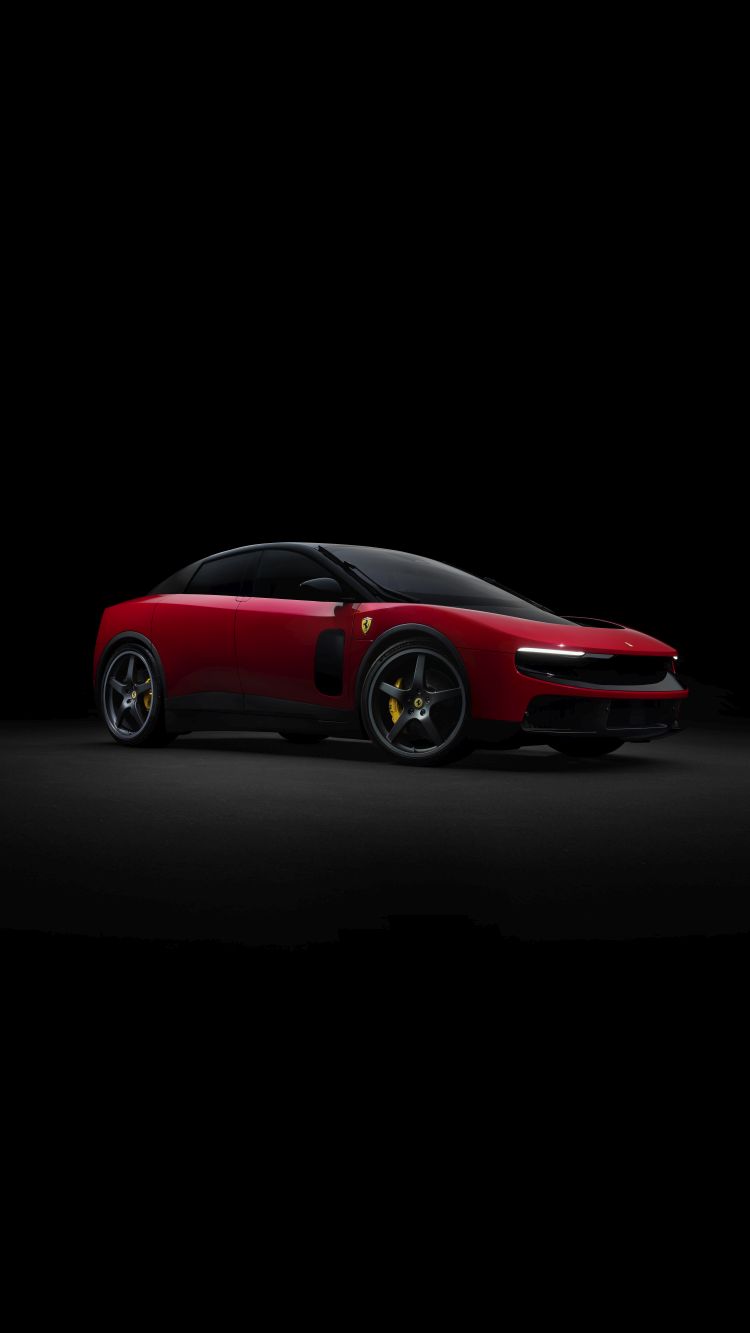
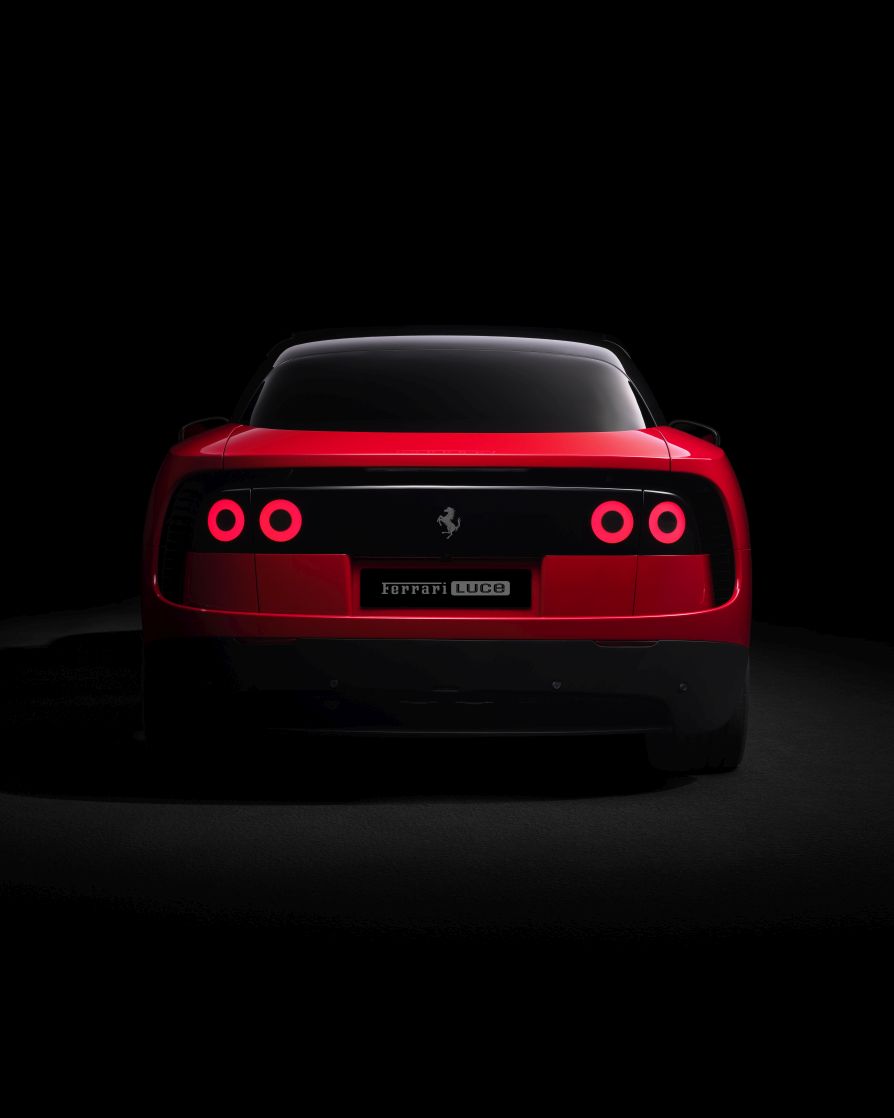
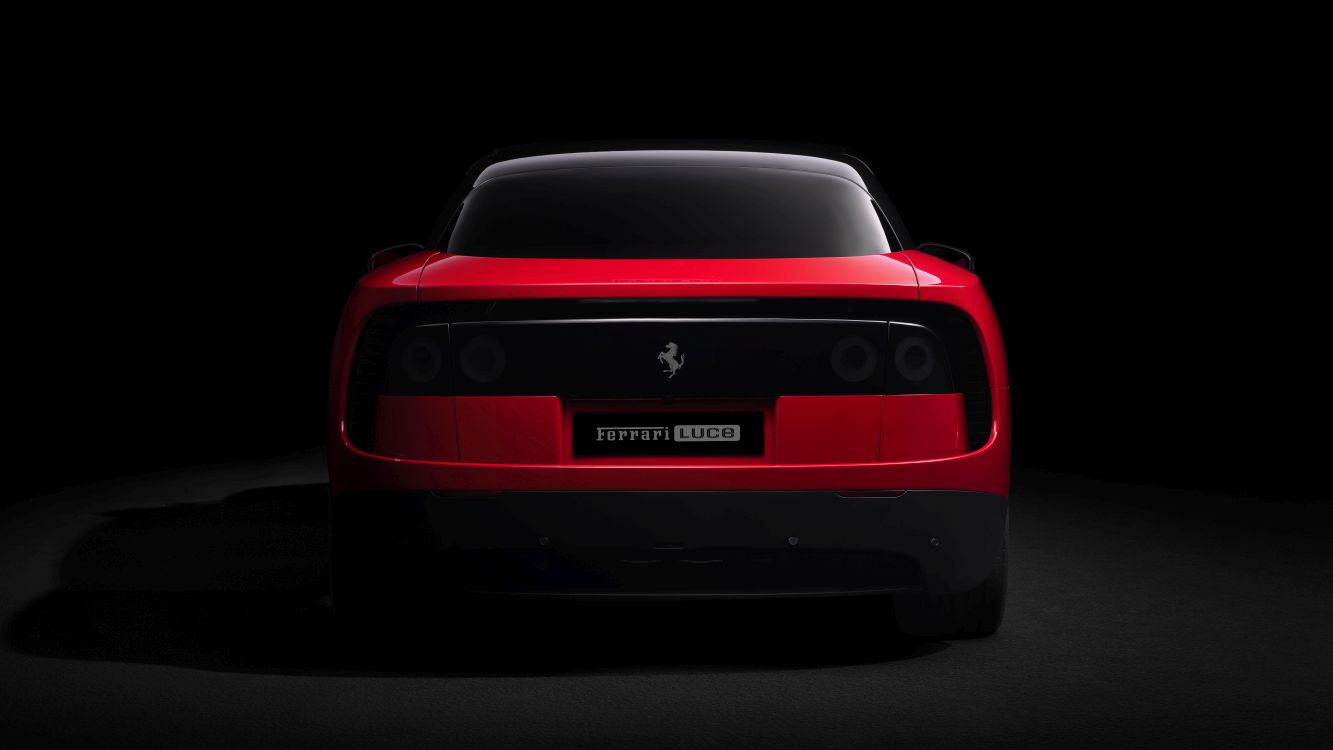
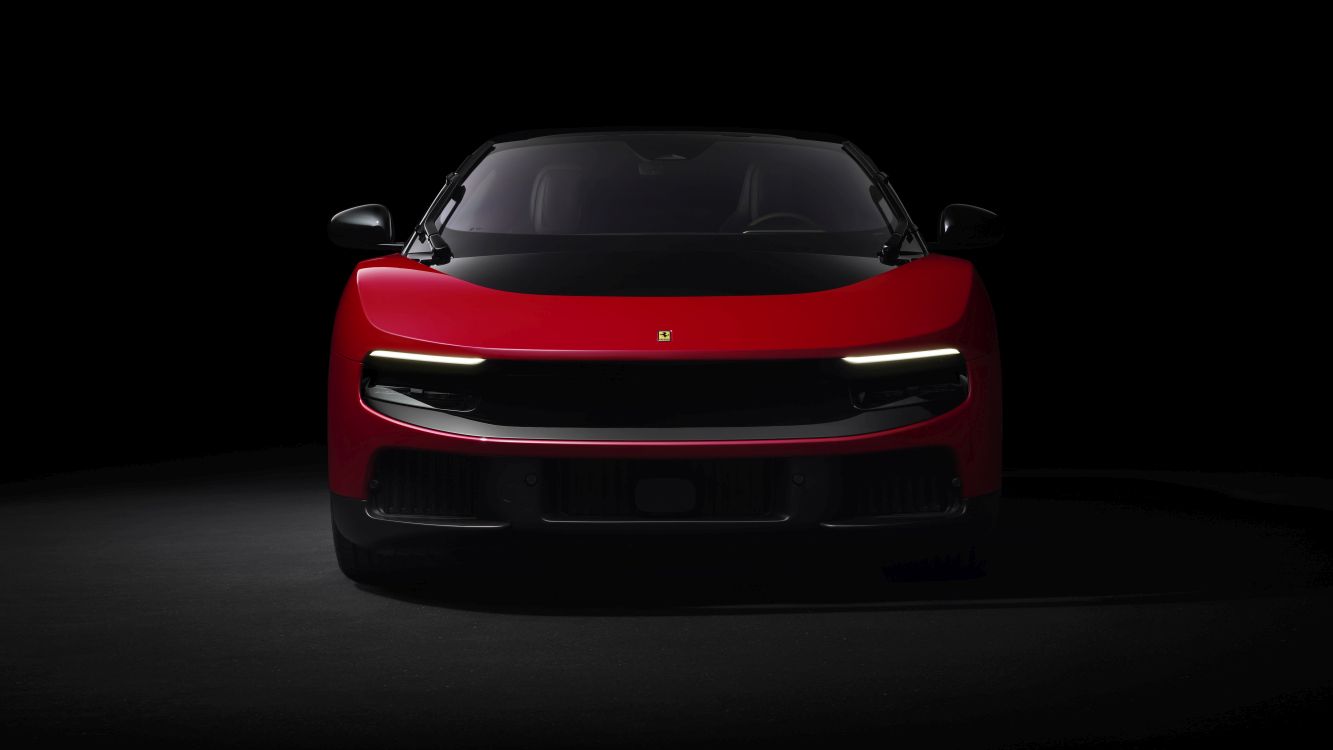


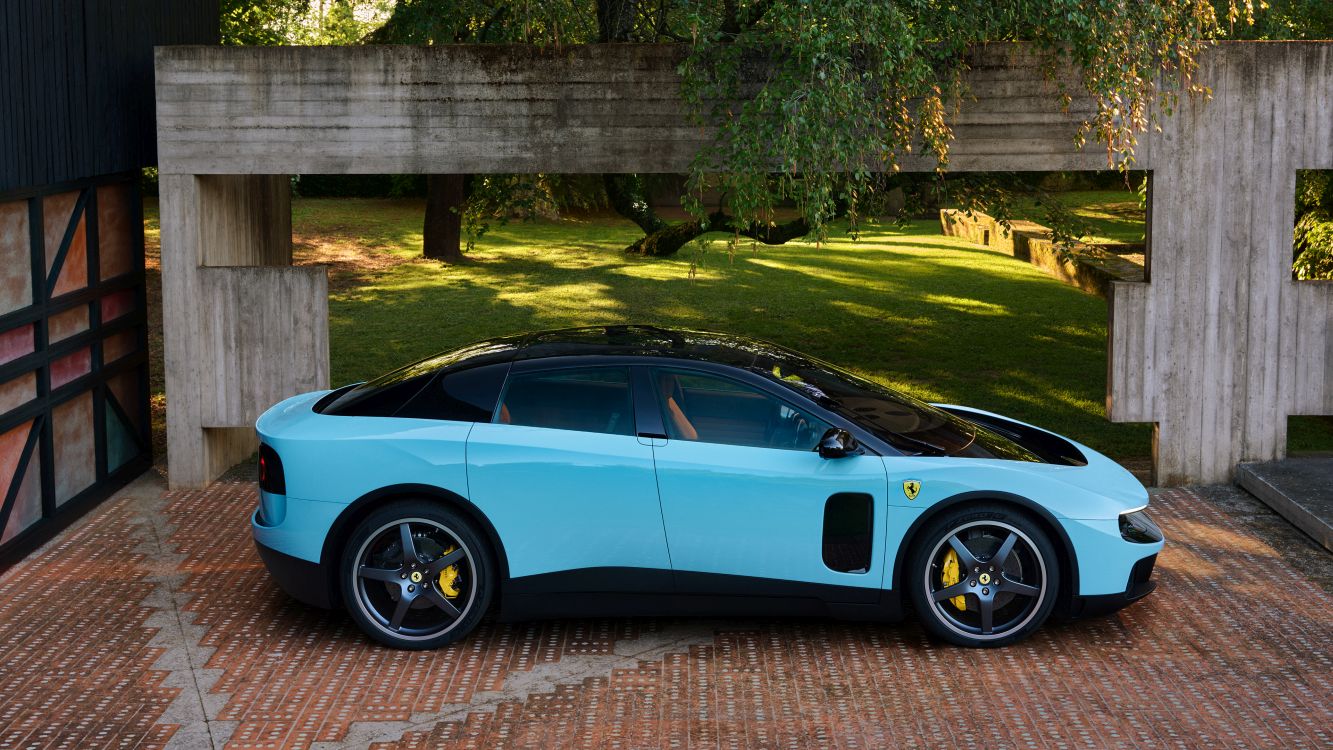
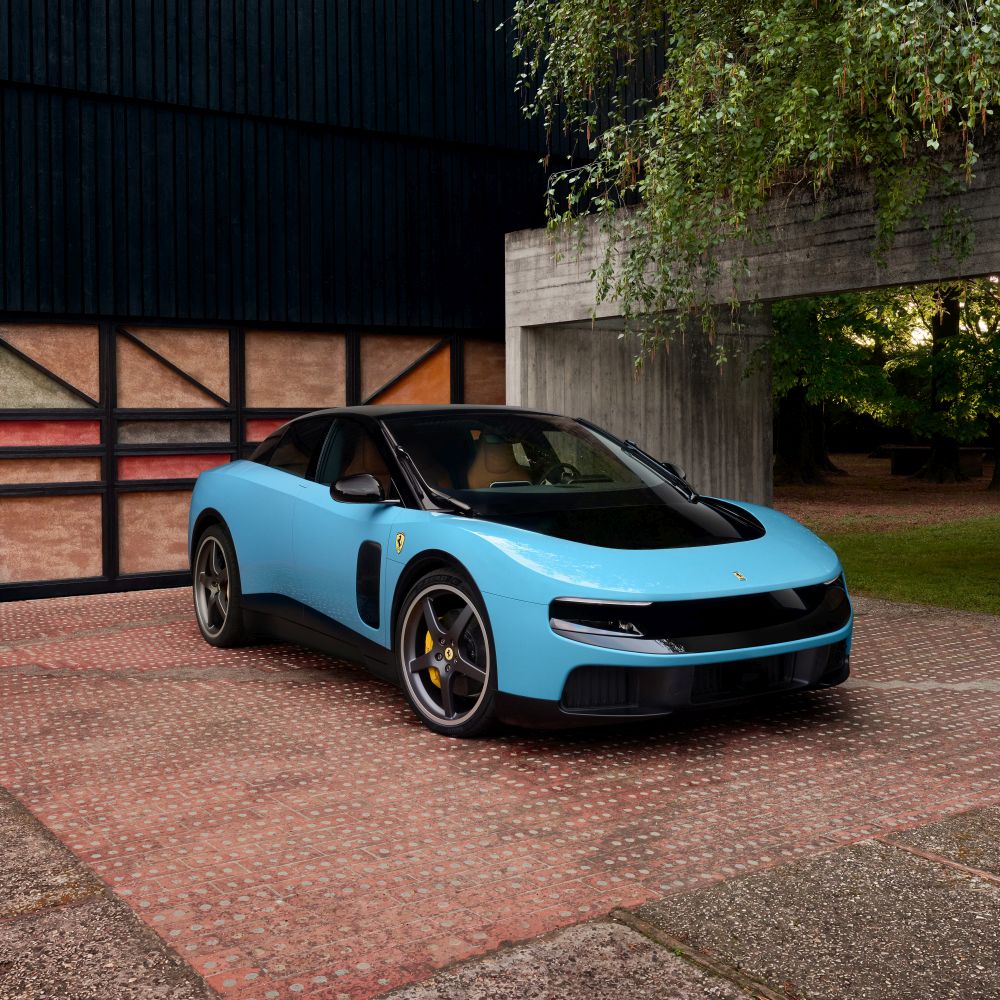
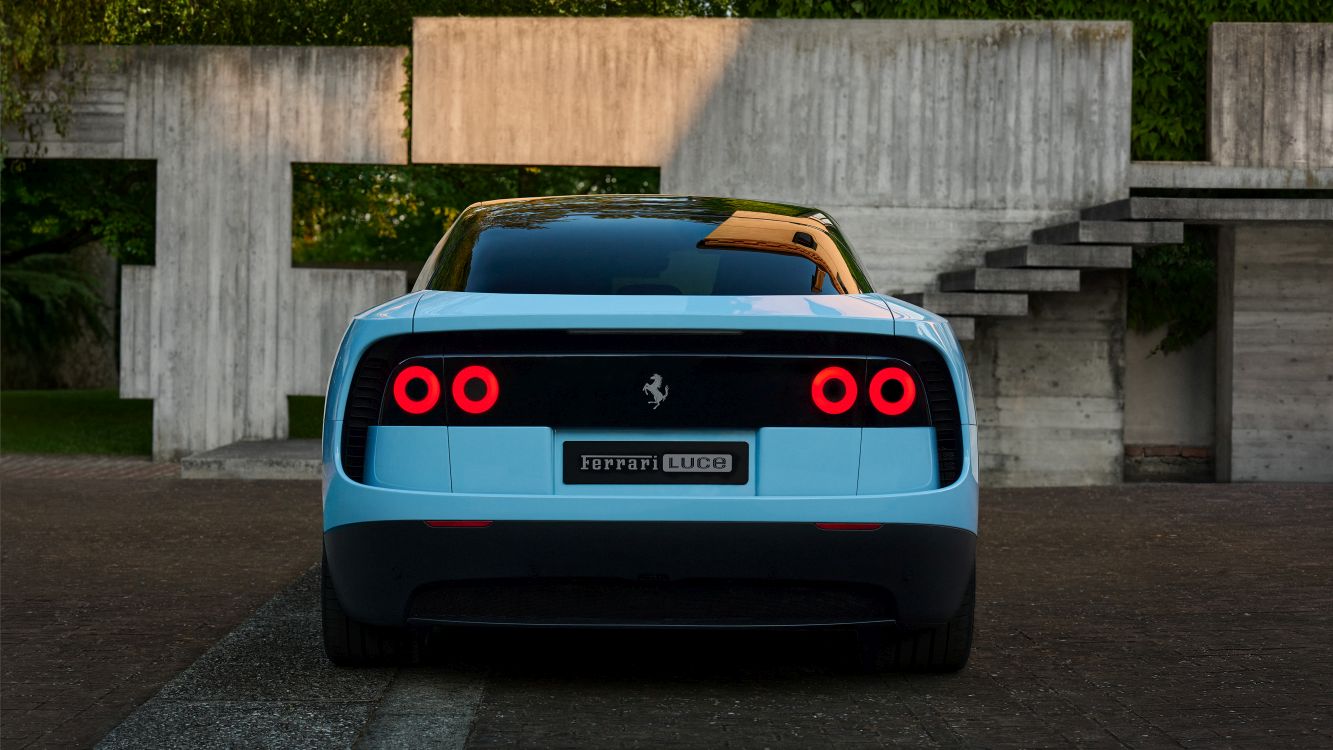
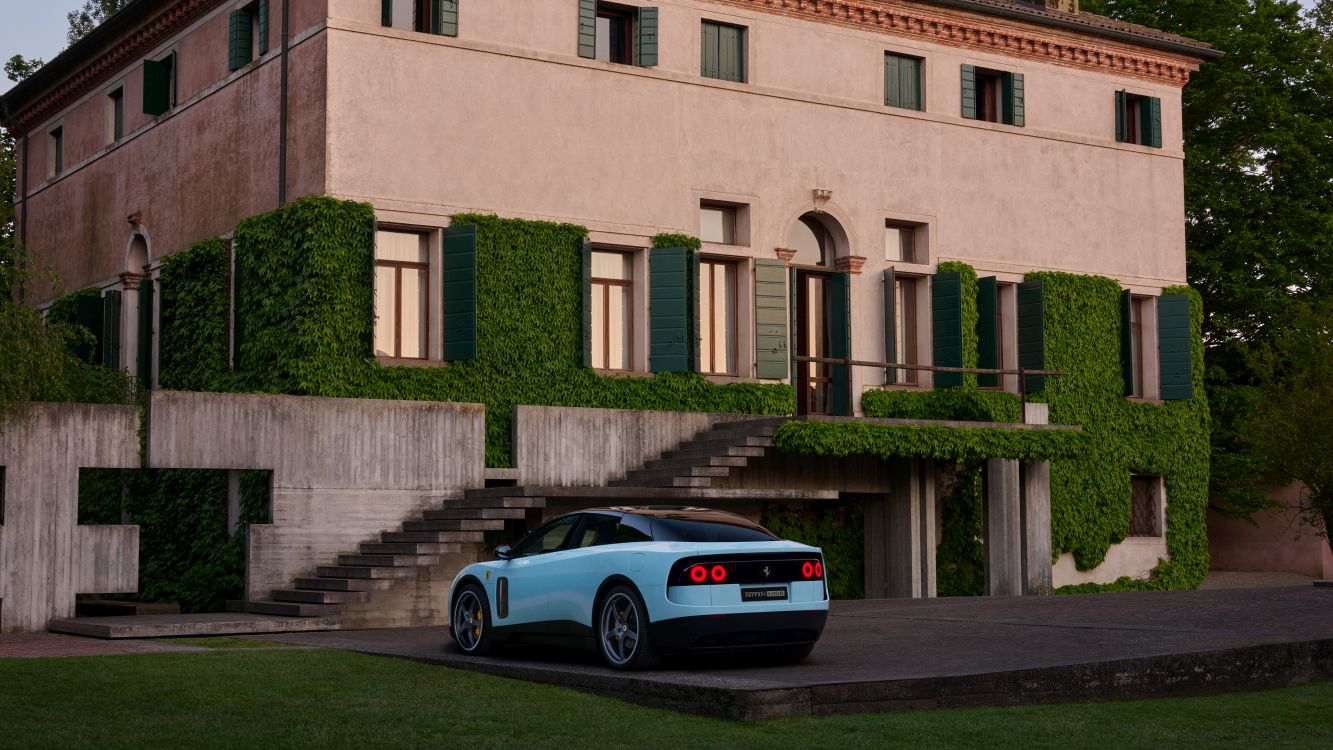
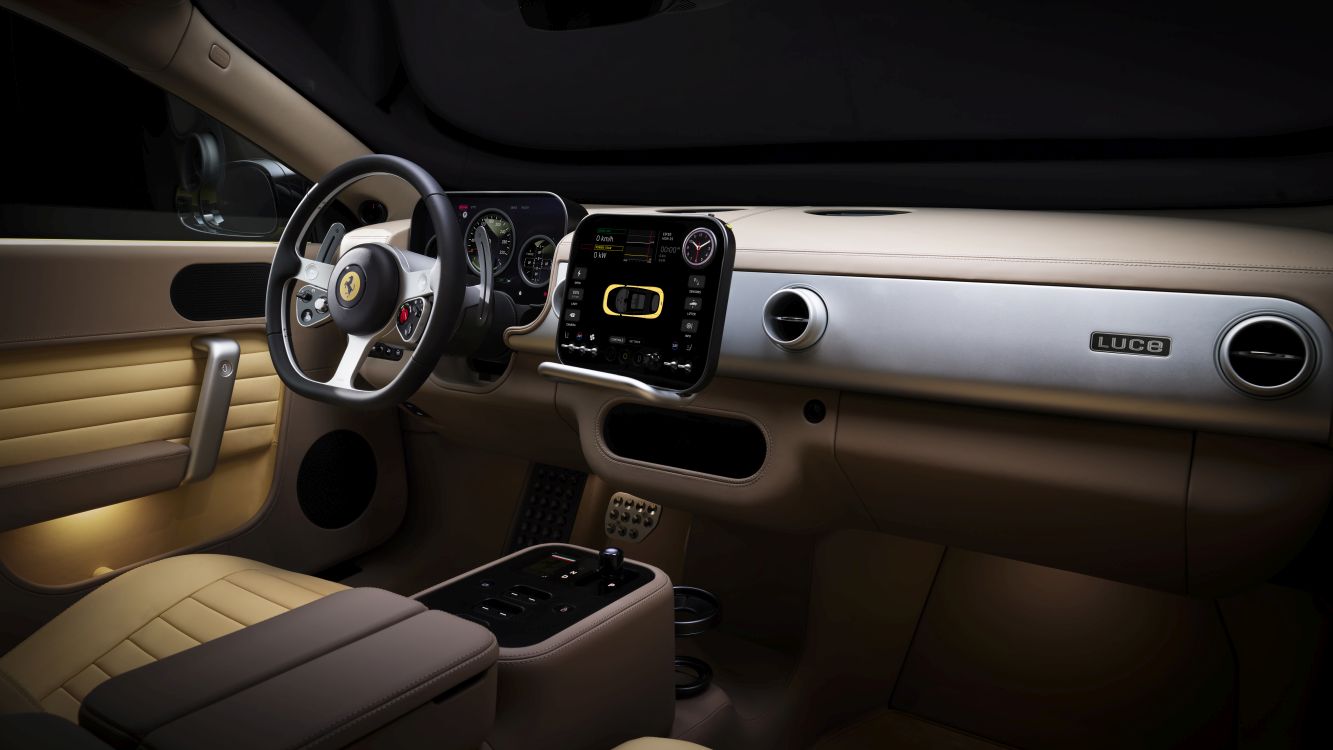

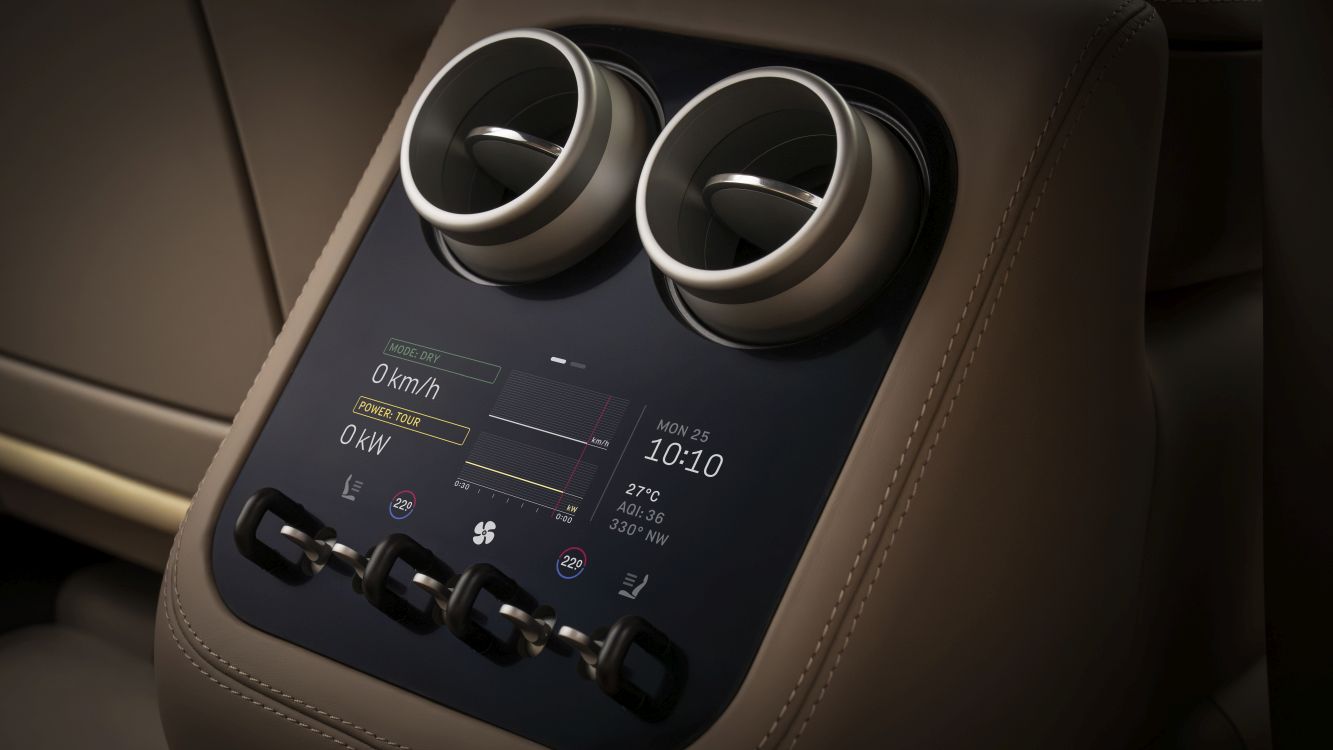

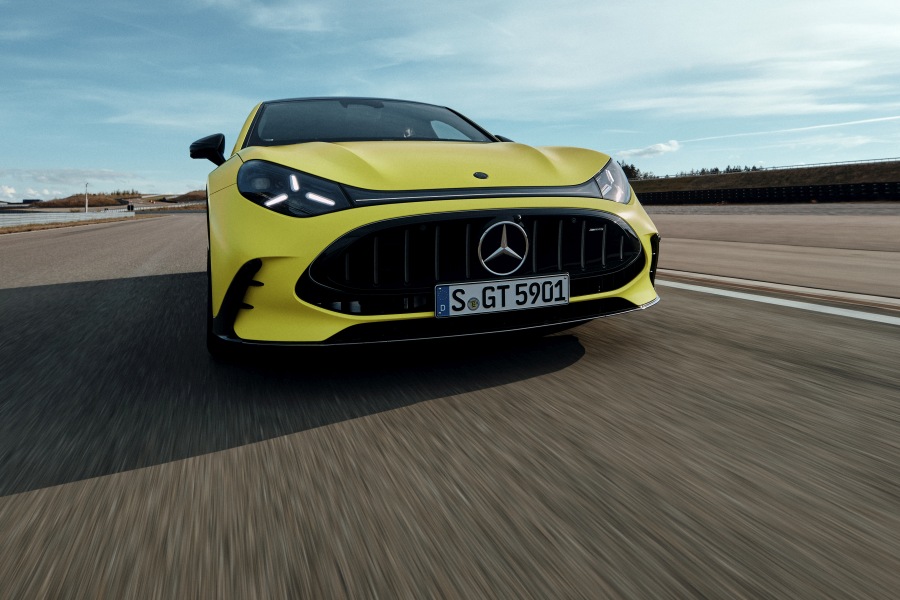
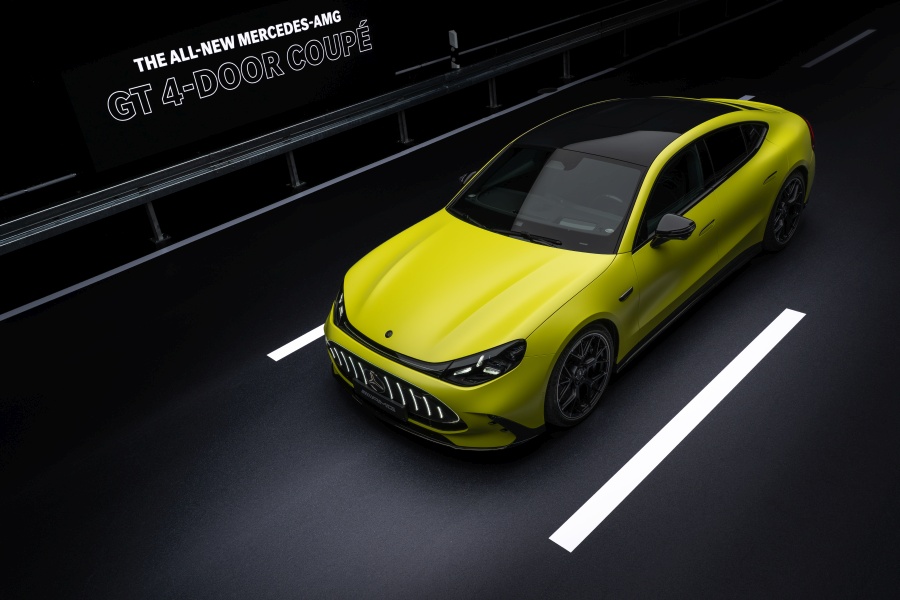
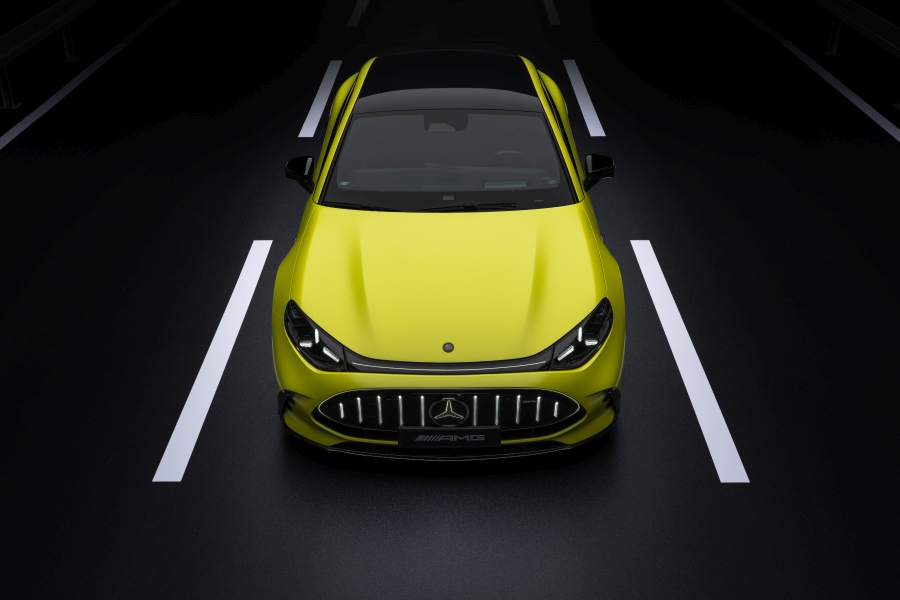
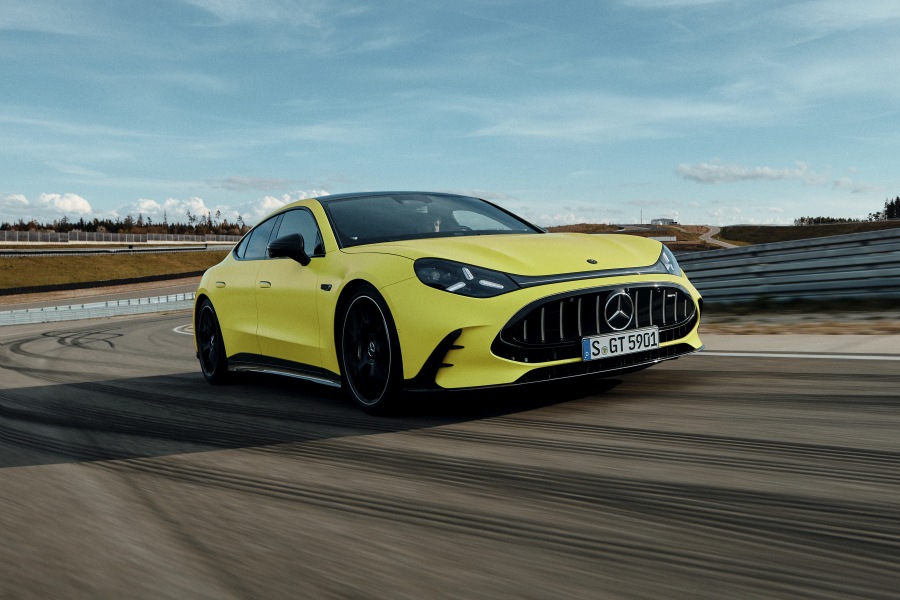
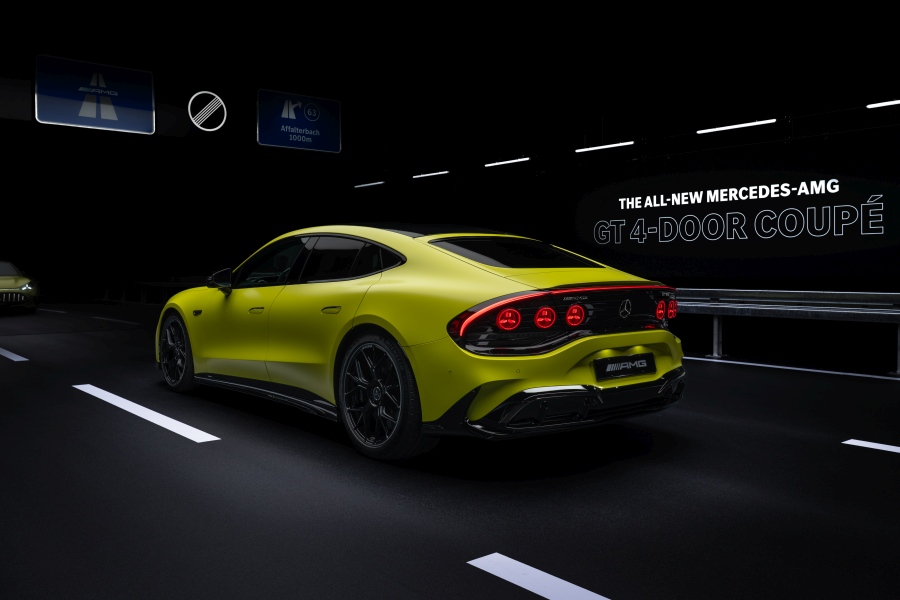


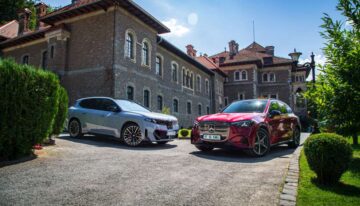
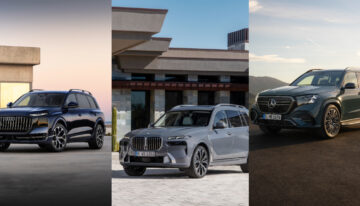
I can see why people have such strong opinions about the styling. The GT 4-door is definitely a beautiful car, but the Luce has a classic appeal that’s hard to ignore.
In my opinion this design is not classic. Classic is Ferrari F40 or 250 GTO. Or closer to our days a shooting brake like FF.
If you do not put a Ferrari badge on this car, could be any other brand. It does not have tha DNA of Ferrari.