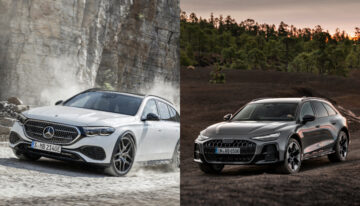
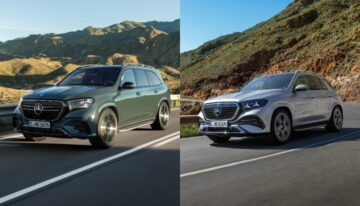
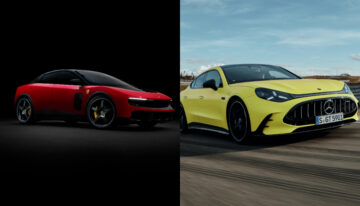
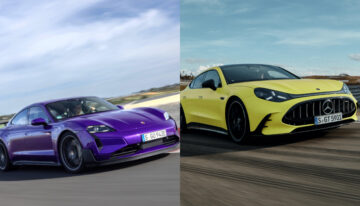
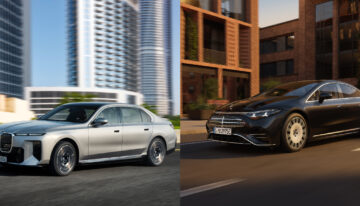
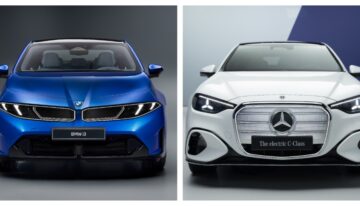
The automotive industry has entered an era where technology plays a major role in vehicle purchasing decisions. Modern drivers expect advanced safety systems, intuitive infotainment platforms, connectivity features, and innovative driver-assistance technologies. Among luxury automotive brands, Mercedes-Benz has long been recognized as a leader in automotive innovation, introducing groundbreaking features that often set industry standards. However, competitors such as BMW, Audi, Tesla, Lexus, and Genesis have significantly advanced their own technological offerings, creating a highly competitive marketplace.
For consumers exploring premium vehicle options through car dealerships Burlington, Iowa, understanding how Mercedes technology compares with rival automakers can help identify the vehicle that best fits their needs. From intelligent infotainment systems to cutting-edge safety innovations, each manufacturer brings unique strengths to the table.
Mercedes-Benz and Its Legacy of Innovation
Mercedes-Benz has built its reputation on pioneering automotive technologies. Throughout its history, the brand has introduced innovations that later became common across the industry. Features such as anti-lock braking systems, electronic stability control, and advanced airbag technologies were either developed or significantly refined by Mercedes before widespread adoption.
Today, Mercedes continues this tradition through investments in artificial intelligence, vehicle connectivity, electrification, and semi-autonomous driving systems. The company’s focus remains on combining luxury with advanced engineering to create a seamless driving experience.
The MBUX Infotainment System Versus Competitors
One of Mercedes-Benz’s most significant technological achievements is the Mercedes-Benz User Experience (MBUX) infotainment system. MBUX uses artificial intelligence to learn driver preferences, provide personalized recommendations, and improve voice-command functionality over time.
Compared with BMW’s iDrive system, MBUX offers a more conversational voice assistant. Drivers can activate functions simply by saying “Hey Mercedes,” allowing natural-language interactions for navigation, climate control, and entertainment settings.
Audi’s MMI system also provides a premium digital experience with responsive touchscreens and customizable displays. However, many reviewers find Mercedes’ voice-recognition capabilities more intuitive and user-friendly.
Tesla’s infotainment system remains a strong competitor due to its large touchscreen interface and frequent over-the-air updates. While Tesla excels in software simplicity and app-like functionality, Mercedes often surpasses Tesla in luxury presentation, display quality, and overall cabin integration.
Digital Displays and Interior Technology
Mercedes-Benz has transformed vehicle interiors through expansive digital displays. Models such as the S-Class and EQS feature large, high-resolution screens that combine instrument clusters, infotainment controls, and passenger entertainment systems.
The MBUX Hyperscreen represents one of the most advanced dashboard technologies available. Stretching across much of the dashboard, it creates a futuristic environment that emphasizes both functionality and aesthetics.
BMW offers curved display technology that integrates digital gauges and infotainment systems effectively. Audi remains known for its Virtual Cockpit, which provides crisp graphics and excellent customization options.
While competitors deliver impressive digital interfaces, Mercedes frequently stands out for blending luxury design with advanced technological capabilities. The seamless integration of screens, ambient lighting, and user controls creates an experience that feels both sophisticated and intuitive.
Driver Assistance Technologies
Advanced driver-assistance systems have become a major area of competition among automakers. Mercedes-Benz offers an extensive suite of technologies designed to enhance safety and reduce driver workload.
Features such as Active Distance Assist DISTRONIC, Active Steering Assist, Active Lane Keeping Assist, and Active Brake Assist contribute to semi-autonomous driving capabilities. These systems help maintain safe following distances, keep vehicles centered in lanes, and respond to potential hazards.
Tesla’s Autopilot remains one of the most recognized driver-assistance systems. It provides advanced lane-centering and adaptive cruise control functions. However, Mercedes often emphasizes redundancy and safety validation, focusing on controlled implementation rather than rapid deployment.
BMW’s Driving Assistance Professional Package and Audi’s adaptive driving technologies provide similar functionality, but Mercedes is often praised for smoother operation and more refined integration between various systems.
The company’s Drive Pilot technology also marks a significant milestone. In approved conditions, Drive Pilot enables certified Level 3 autonomous driving, allowing drivers to temporarily disengage from certain driving tasks while the vehicle assumes responsibility.
Safety Technology Comparison
Safety has always been a cornerstone of Mercedes-Benz engineering. The brand invests heavily in accident prevention, occupant protection, and crash mitigation technologies.
Mercedes vehicles commonly include:
- Active Brake Assist
- Blind Spot Assist
- Attention Assist
- PRE-SAFE® occupant protection technology
- Cross-Traffic Alert systems
- Evasive Steering Assist
PRE-SAFE® technology remains particularly unique. It can prepare vehicle occupants for an impending collision by adjusting seat positions, tightening seat belts, and closing windows.
Volvo remains a strong competitor in automotive safety, often prioritizing crash prevention innovations. Lexus also offers comprehensive safety systems through its Lexus Safety System+ suite.
While many automakers now provide similar safety features, Mercedes frequently distinguishes itself through the sophistication and integration of its technologies. Rather than relying on individual systems, Mercedes creates comprehensive safety ecosystems designed to work together seamlessly.
Connectivity and Smart Features
Connected vehicle technology has become increasingly important to modern consumers. Mercedes offers extensive connectivity features through the Mercedes me platform.
Drivers can remotely start vehicles, lock and unlock doors, locate parked vehicles, monitor maintenance needs, and access vehicle diagnostics through smartphone applications.
Tesla remains a leader in software-focused connectivity, offering highly responsive mobile app integration and frequent remote software updates.
BMW and Audi also provide robust connected services, including remote access functions, vehicle monitoring, and smartphone-based controls.
Mercedes differentiates itself by combining connectivity with luxury-focused personalization. User profiles can store seating preferences, climate settings, navigation habits, and entertainment choices, creating a highly customized experience.
Electric Vehicle Technology
The shift toward electrification has intensified technological competition among automakers. Mercedes-Benz has invested heavily in its EQ lineup, introducing electric vehicles that emphasize luxury, efficiency, and advanced technology.
The EQS sedan serves as Mercedes’ flagship electric vehicle and showcases many of the brand’s latest innovations. It offers impressive driving range, advanced battery management systems, regenerative braking technology, and sophisticated digital interfaces.
Tesla remains a dominant force in electric vehicle technology due to its charging network, software ecosystem, and battery expertise.
BMW’s i-series and Audi’s e-tron lineup provide strong alternatives, while Hyundai and Genesis have gained recognition for delivering excellent value and innovative electric platforms.
Mercedes distinguishes itself by prioritizing premium comfort, luxury craftsmanship, and advanced cabin technology while still delivering competitive electric performance.
Artificial Intelligence and Personalization
Artificial intelligence increasingly influences the automotive experience, and Mercedes has integrated AI into multiple vehicle systems.
The MBUX platform learns user preferences and adapts accordingly. It can predict destinations, suggest frequently used functions, and personalize interactions based on driver behavior.
BMW has incorporated AI-powered features through its Intelligent Personal Assistant, while Audi continues to enhance predictive navigation and driver customization capabilities.
Tesla uses machine learning extensively for vehicle operation and autonomous driving development. However, Mercedes focuses more heavily on creating personalized luxury experiences through AI-driven convenience features.
This emphasis on user comfort and intuitive interaction helps Mercedes maintain a distinct identity within the competitive automotive technology landscape.
Luxury Experience Through Technology
One area where Mercedes consistently excels is the integration of technology with luxury. While competitors often emphasize performance, efficiency, or software innovation, Mercedes prioritizes creating an environment that feels both technologically advanced and exceptionally comfortable.
Features such as active ambient lighting, multicontour massage seats, fragrance systems, acoustic enhancements, and biometric authentication contribute to a uniquely premium experience.
Audi offers elegant interior design, BMW emphasizes driver engagement, and Tesla focuses on minimalism. Mercedes, however, combines advanced technology with traditional luxury values in a way that appeals to a broad range of premium vehicle buyers.
Value and Long-Term Considerations
When comparing Mercedes technology with competing automakers, buyers should consider long-term value alongside feature availability.
Mercedes vehicles often command premium pricing due to their extensive technology packages and luxury positioning. However, many owners view the investment as worthwhile because of the brand’s engineering reputation, advanced safety systems, and sophisticated driving experience.
Competitors may offer certain technologies at lower price points, particularly in mainstream luxury segments. Tesla may appeal to software-focused buyers, while Genesis often delivers exceptional value. BMW and Audi provide strong alternatives with distinctive strengths.
Ultimately, the best choice depends on individual priorities, including luxury preferences, driving habits, desired features, and budget considerations.
Conclusion
Mercedes-Benz continues to be one of the automotive industry’s most influential technology leaders. Its innovations in infotainment, safety, connectivity, artificial intelligence, and luxury-focused design consistently place the brand among the top competitors in the market. While rivals such as BMW, Audi, Tesla, Lexus, Volvo, and Genesis offer impressive technologies of their own, Mercedes maintains a unique ability to blend advanced engineering with premium comfort and refinement.
For drivers seeking a vehicle that combines cutting-edge innovation with a luxurious ownership experience, Mercedes remains a compelling option. As automotive technology continues evolving, the competition among manufacturers will undoubtedly intensify, but Mercedes-Benz is well-positioned to remain at the forefront of the industry’s technological future.