Anyone who spends time in a Mercedes SUV quickly notices. You hit a rough patch of road. Cracked asphalt. Gravel. Broken pavement. Inside the cabin, things stay oddly calm.
The steering doesn’t fight you. The body doesn’t bounce around. The ride feels settled. That’s not luck. It’s purposeful design.
How do Mercedes SUVs stay composed when the road stops cooperating? And why do SUV enthusiasts keep coming back for that experience?
Calm Starts With the Suspension
Suspension is the unsung hero of ride quality. It’s what stands between your wheels and your spine.
Mercedes has spent decades refining how suspension should feel, specifically on heavier vehicles like SUVs. While many brands chase sporty stiffness, Mercedes focuses on balance.
Good suspension absorbs bumps without feeling floaty. It keeps tires planted without sending every vibration into the cabin.
That balance comes into play when roads fall apart.
Air Suspension Changes the Game
One of the biggest reasons Mercedes SUVs are so smooth is air suspension.
Instead of traditional steel springs, air suspension uses air-filled chambers that adjust in real time. This lets the vehicle react to road conditions almost instantly.
Carbuzz explains that cars fitted with air suspension are consistently ranked among the most comfortable vehicles when driving long distances and uneven surfaces.
For SUV drivers, that means less harshness over potholes and better control on rough terrain.
Active Suspension Does the Thinking for You
Mercedes didn’t stop at air suspension.
Newer models use active suspension systems that read the road and adjust each wheel independently. These systems can stiffen or soften suspension before you even feel the bump.
Mercedes-Benz Active Suspension is designed to reduce body roll, smooth out rough surfaces, and keep the cabin stable.
It’s subtle. You don’t feel it working. You’re calmer behind the wheel.
Why Mercedes SUVs Handle Bad Roads So Well
It’s not just about softness but about control.
When suspension is tuned correctly, it keeps all four tires working together. That improves grip, braking, and steering on uneven surfaces.
Off-road suspension systems emphasize durability, articulation, and stability. These principles also help on broken city streets and poorly maintained highways. Mercedes applies these ideas without turning its SUVs into hardcore off-roaders. The result is comfort without compromise.
IRONMAN 4X4 America says that off-road suspension kits are one part of the puzzle. Suspension accessories, upper control arms, coil springs, and torsion bars will cover you in the toughest terrain.
Comfort Is a Mercedes Tradition
The focus on ride comfort isn’t new.
The Mercedes-Benz S-Class has long set the standard for how a car should isolate passengers from the road. That philosophy has filtered down into the SUV lineup over time.
Motoring journalists point out that the S-Class still matters because it introduces technologies that later become everyday features across the brand.
SUVs like the GLE and GLS benefit directly from that legacy.
The G-Wagon Proves a Point
The Mercedes G-Class is often misunderstood.
On the surface, it looks like a luxury statement. Underneath, it’s a serious off-road beast. That blend explains why it rides differently from most SUVs.
SUV devotees argue that the G-Wagon’s purpose goes beyond image. Its suspension and chassis are intended to handle terrain most luxury SUVs never see.
Even when you’re not off-road, that capability translates into confidence on rough roads.
How Mercedes Stacks Up Against Its Rivals
Comparisons tell the story clearly.
In head-to-head tests between luxury SUVs, reviewers highlight how Mercedes models prioritize comfort and composure over sharpness.
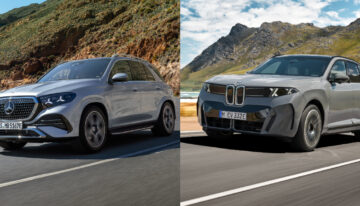
A recent comparison by The Blade between the BMW X5 and Mercedes GLE noted that while both are capable, the Mercedes leaned more toward smoothness and ride comfort.
That difference shows most on imperfect roads.
Calm Doesn’t Mean Carefree Ownership
Of course, no SUV is perfect.
Mercedes owners do report common issues over time as vehicles age. Off-road suspension components, electronics, and air systems require proper maintenance.
Industry reports show that neglecting maintenance is often the real reason ride quality declines, not the original design.
A well-maintained Mercedes SUV keeps its cool much longer.
Why Enthusiasts Appreciate the Difference
Diehard motorheads talk about horsepower, towing numbers, or off-road angles. Comfort matters as much.
When the road is rough, calm equals confidence. Confidence equals control. And control makes driving more enjoyable.
Mercedes SUVs don’t try to make bad roads exciting. They make them disappear. That comes from decades of suspension development, smart use of air and active systems, and a brand-wide focus on luxury.
It’s not flashy. It’s not loud. But once you experience it, it’s hard to forget. And that is what keeps enthusiasts coming back for more.